Seller Financing For Real Estate
Description
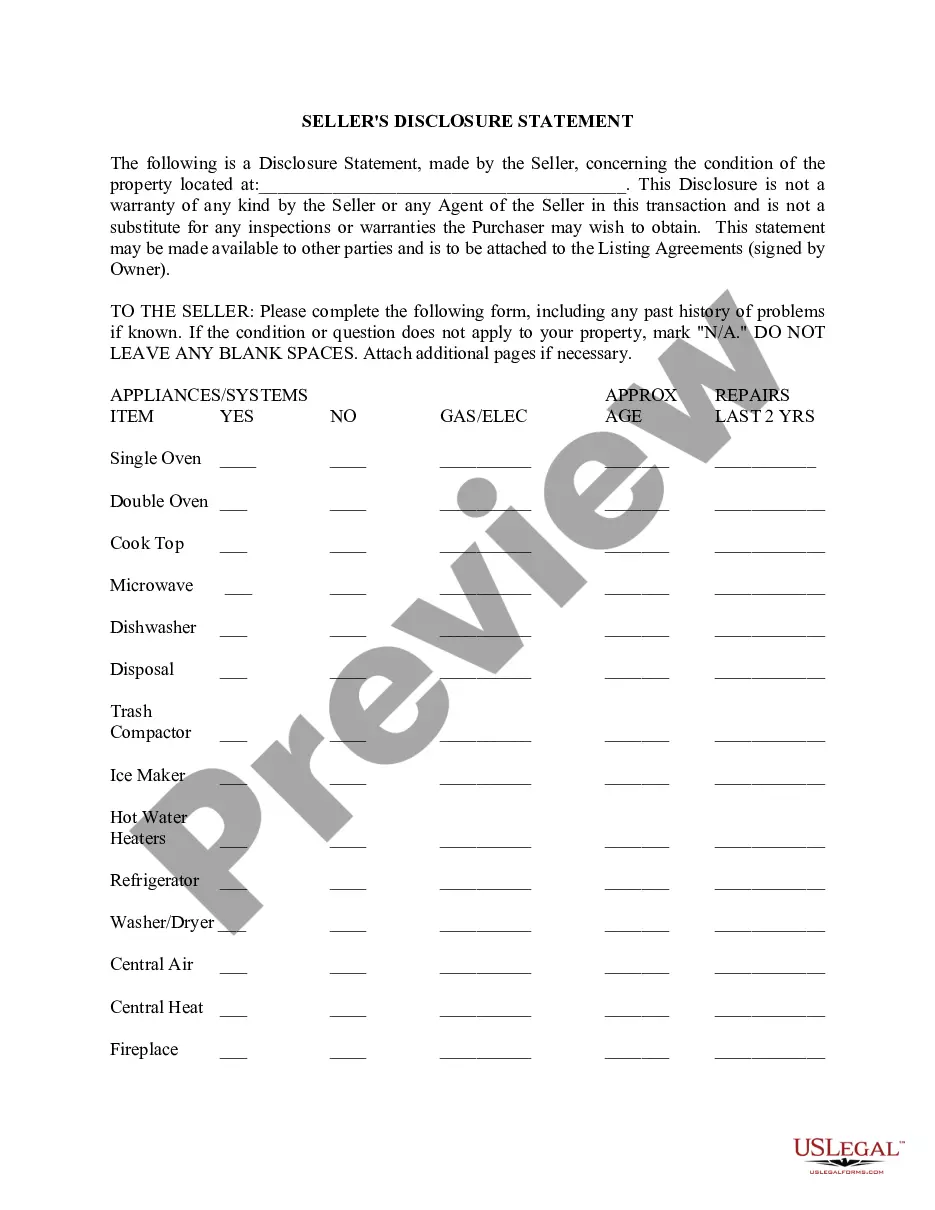
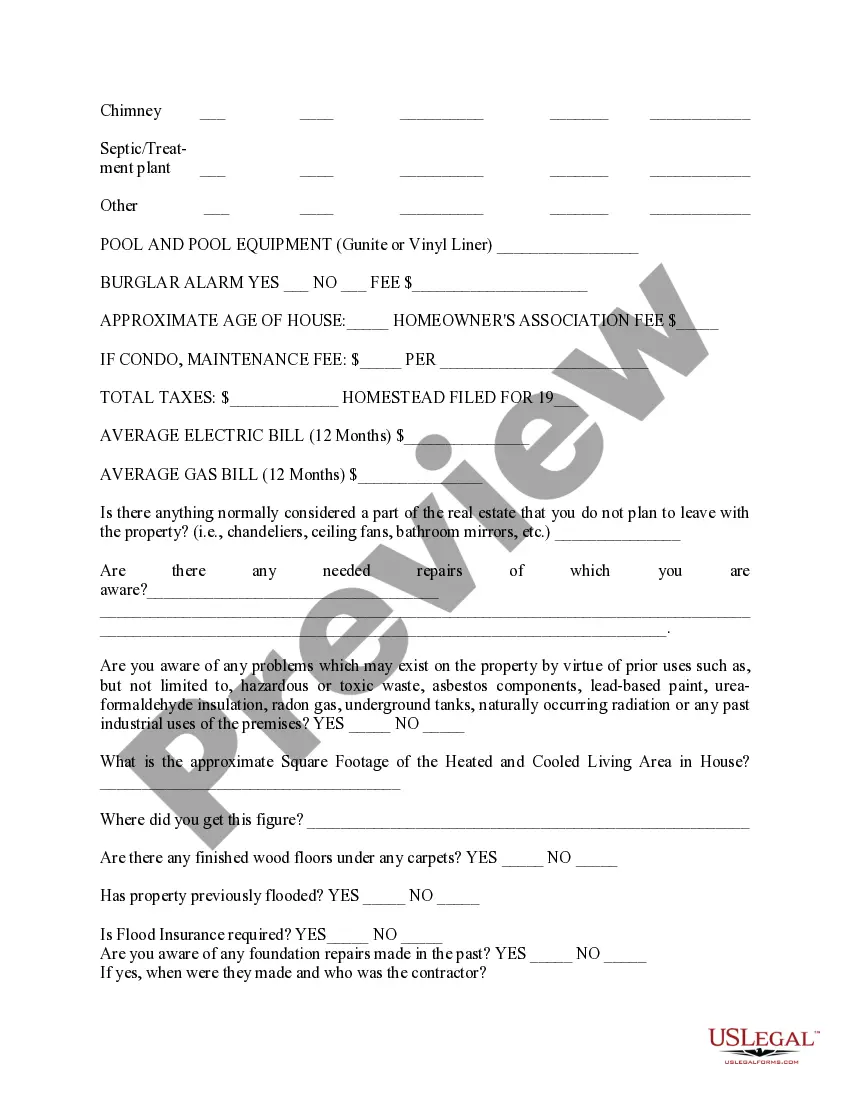
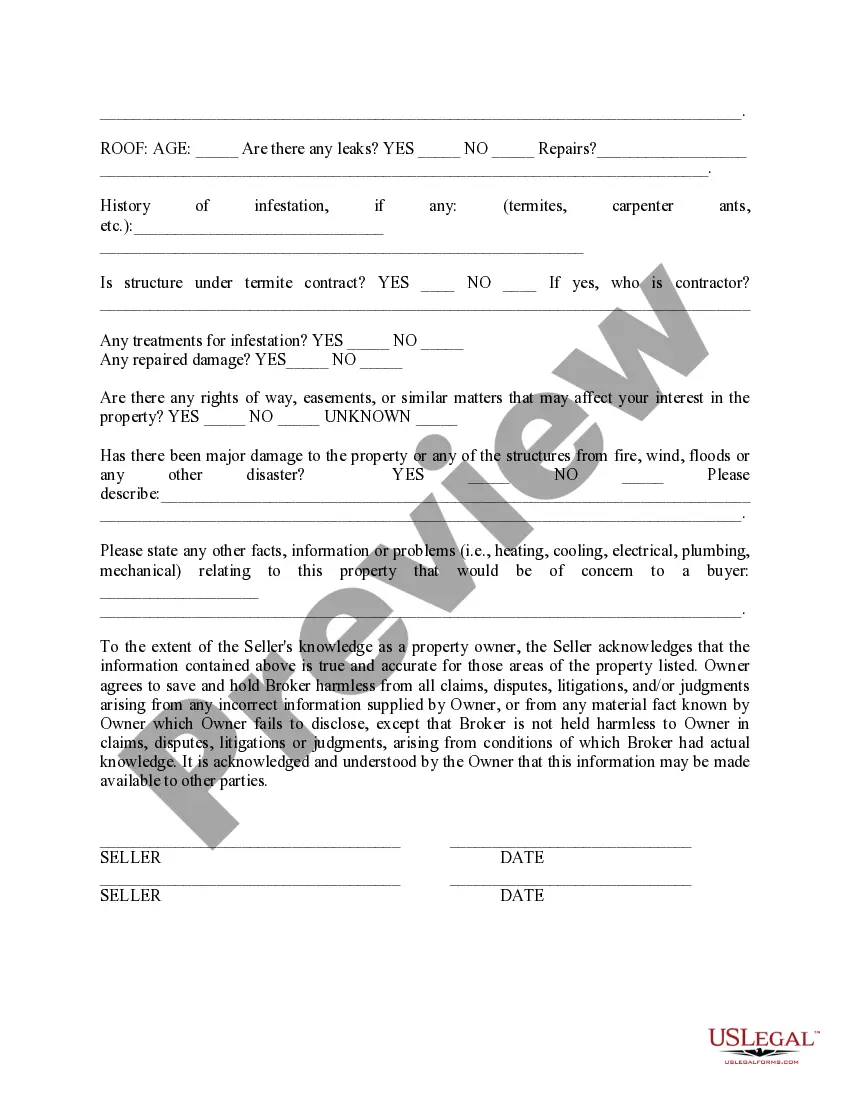
Get your form ready online
Our built-in tools help you complete, sign, share, and store your documents in one place.
Make edits, fill in missing information, and update formatting in US Legal Forms—just like you would in MS Word.
Download a copy, print it, send it by email, or mail it via USPS—whatever works best for your next step.
Sign and collect signatures with our SignNow integration. Send to multiple recipients, set reminders, and more. Go Premium to unlock E-Sign.
If this form requires notarization, complete it online through a secure video call—no need to meet a notary in person or wait for an appointment.
We protect your documents and personal data by following strict security and privacy standards.

Make edits, fill in missing information, and update formatting in US Legal Forms—just like you would in MS Word.

Download a copy, print it, send it by email, or mail it via USPS—whatever works best for your next step.

Sign and collect signatures with our SignNow integration. Send to multiple recipients, set reminders, and more. Go Premium to unlock E-Sign.

If this form requires notarization, complete it online through a secure video call—no need to meet a notary in person or wait for an appointment.

We protect your documents and personal data by following strict security and privacy standards.
Looking for another form?










How to fill out Mississippi Seller's Residential Real Estate Disclosure Statement?
- If you're a returning user, log in to your account and download your template by clicking the Download button. Ensure your subscription is active; renew it if necessary.
- For first-time users, start by reviewing the form descriptions and preview mode. Confirm you select the correct document that aligns with your specific needs and complies with local laws.
- Should you find any discrepancies, use the Search tab to find alternative templates. Once you locate a suitable form, proceed to the next step.
- Purchase the document by clicking the Buy Now button. Choose your preferred subscription plan, and create an account to gain access to the legal form library.
- Complete your purchase by entering your payment details, either via credit card or PayPal.
- Finally, download the form to your device. You can access it anytime through the My Forms section of your account.
US Legal Forms empowers users, including legal professionals, to efficiently handle documentation with its vast collection of over 85,000 fillable and editable forms. This extensive library ensures that you find the exact forms needed for your seller financing arrangements.
Maximize your real estate transactions by leveraging the power of seller financing. Start today with US Legal Forms to ensure you have the correct documents and expert support. Don't hesitate—take your first step now!
Form popularity
FAQ
Owner financing can have several pitfalls worth considering. One significant risk is the possibility of buyer default, which may result in drawn-out legal processes for the seller. Furthermore, the seller may lose control over the sale and property during the financing term. To mitigate these risks, it's wise to consult with professionals, and platforms like UsLegalForms can guide you through the necessary documentation.
Obtaining seller financing is often less complicated than traditional financing options. In many cases, the seller and buyer negotiate terms directly, which can streamline the process. However, having a strong understanding between both parties is crucial for smooth transactions. If you’re considering seller financing for real estate, ensure clear communication to navigate any potential challenges.
In owner financing in Texas, the seller retains the deed until the buyer has completed all payments. This arrangement protects the seller’s interest during the financing period. It's important to include clear terms in the financing contract to define the transfer of the deed.
In seller financing for real estate, the seller typically retains the title until the buyer fulfills all payment obligations. This arrangement ensures that the seller has security throughout the financing period. It's crucial for both parties to have a clear understanding of title transfer terms documented in the contract.
While seller financing for real estate offers several benefits, there are drawbacks to consider. Sellers may assume the risk of non-payment if the buyer fails to meet their obligations. Additionally, if the buyer defaults, the seller must navigate the eviction process and reclaim ownership. It's vital for both parties to fully understand their rights and responsibilities before entering into this type of agreement.
Seller financing for real estate allows the seller to act as the lender. Instead of going through a bank, the buyer makes payments directly to the seller over time. This arrangement can include a down payment, monthly payments, and interest terms that both parties agree upon. It's a flexible option that can benefit both buyers and sellers, especially when traditional financing is difficult.
Yes, seller financing does count as income. The payments received, including interest, must be reported on your tax return. Properly managing and documenting these payments will make it easier to understand your financial obligations.
A fair interest rate for seller financing typically falls between the prevailing market rates and the terms of traditional mortgages. Factors such as the buyer's creditworthiness and the property’s value can influence the rate. Researching local market conditions can help you determine an appropriate rate that satisfies both parties.
Reporting interest from an installment sale, including seller financing for real estate, involves recognizing the income as you receive payments. The interest portion of each payment should be reported on your tax return as it occurs. Utilizing IRS guidelines will help ensure accurate reporting and compliance.
To report interest income from a seller-financed mortgage, you need to document all payments received throughout the year. Typically, IRS Form 1099-INT is used to report interest income. Ensure to keep accurate records, as they support your entries on your personal or business tax returns.