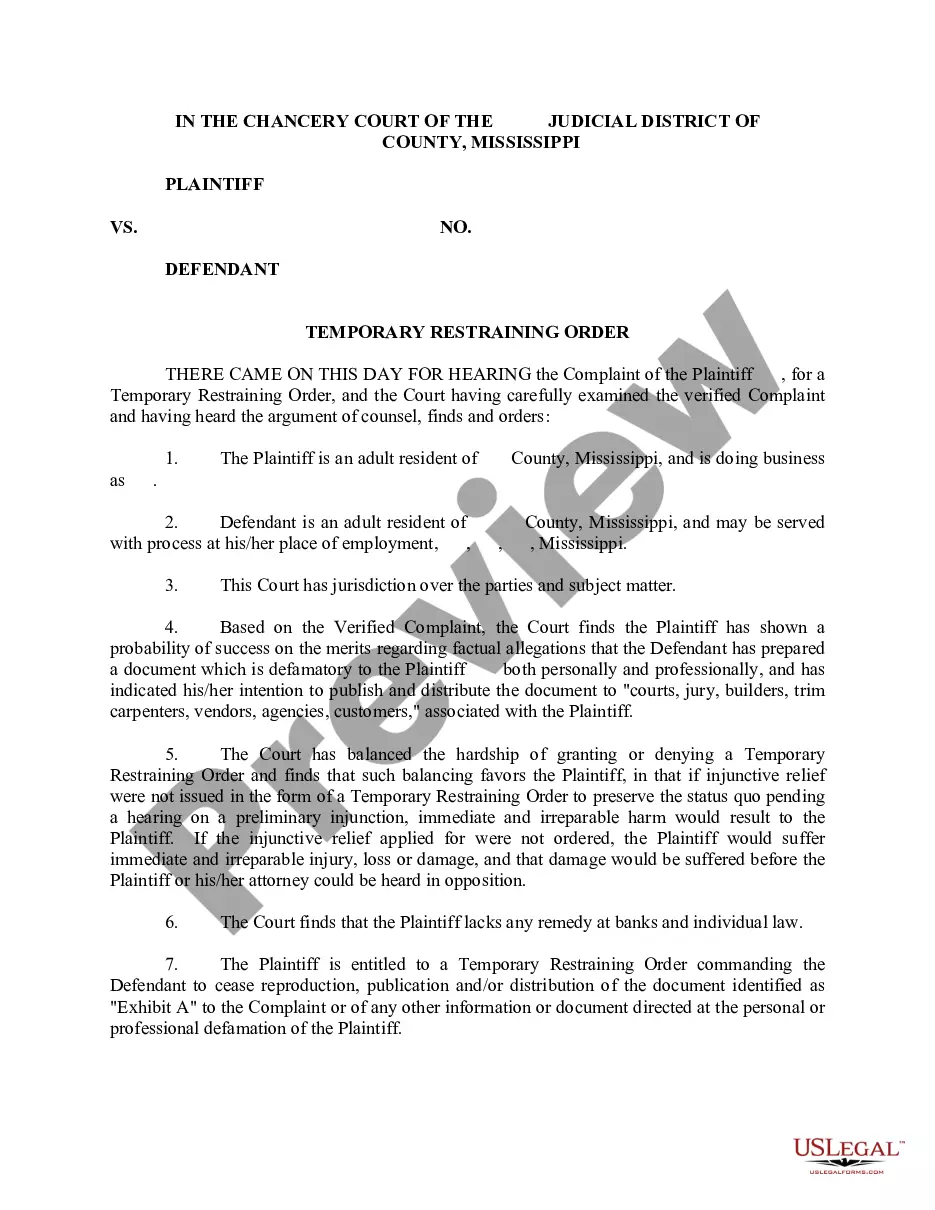
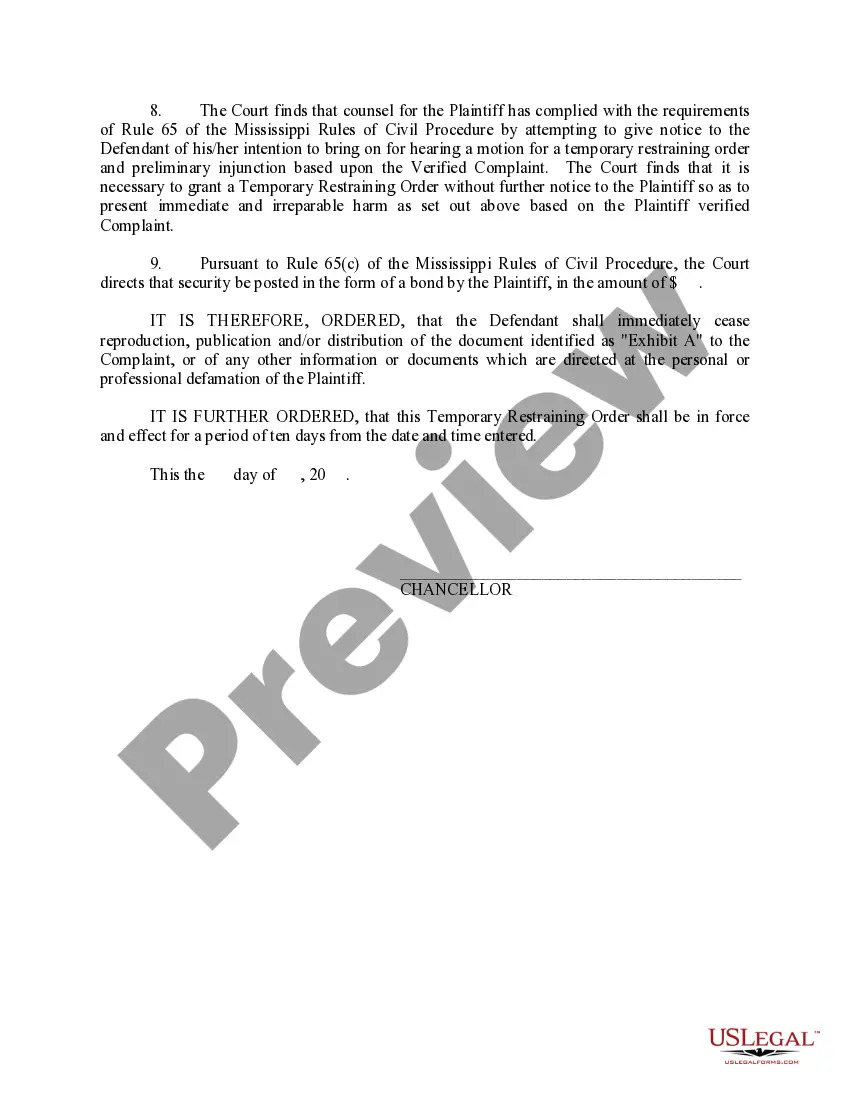
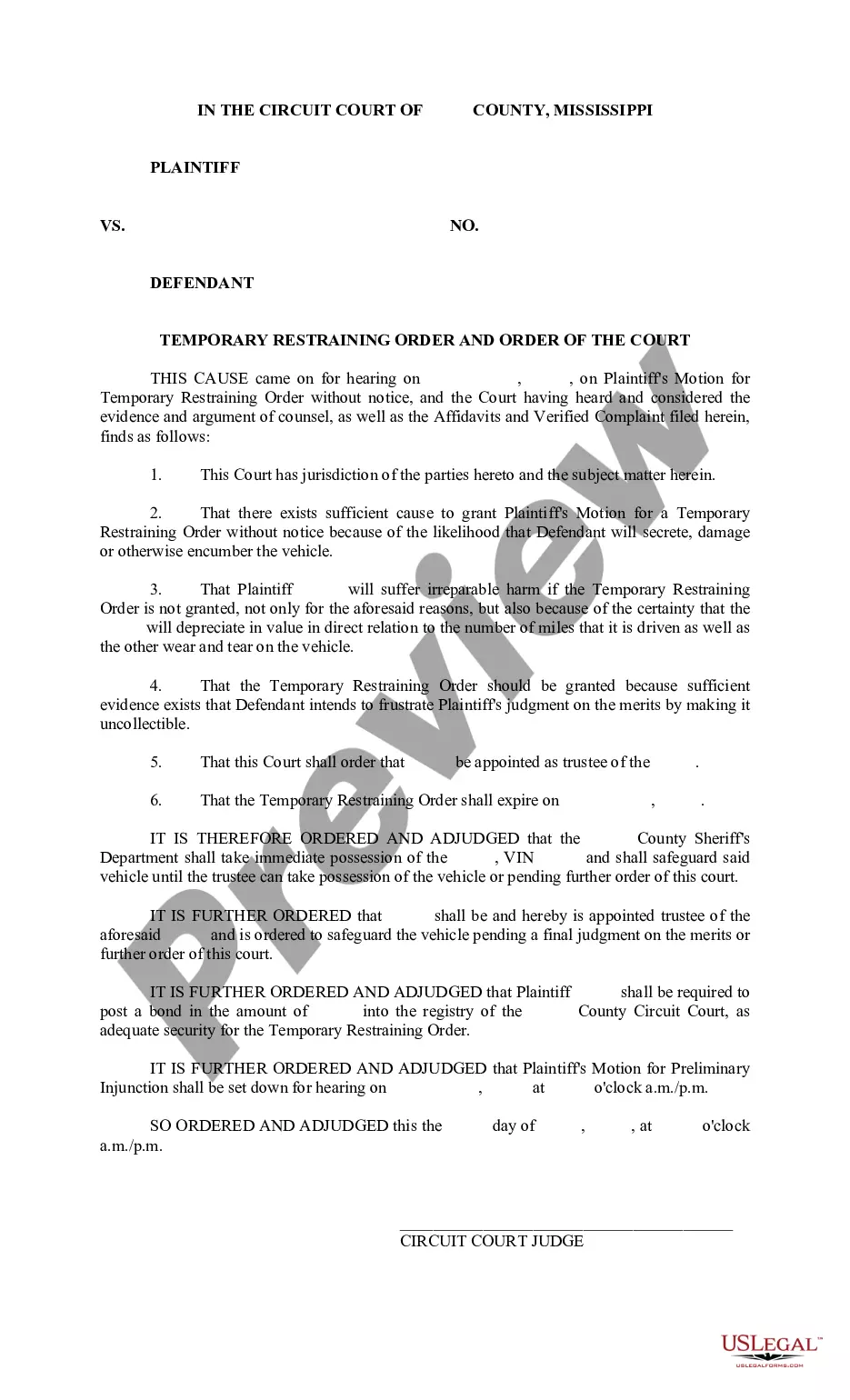
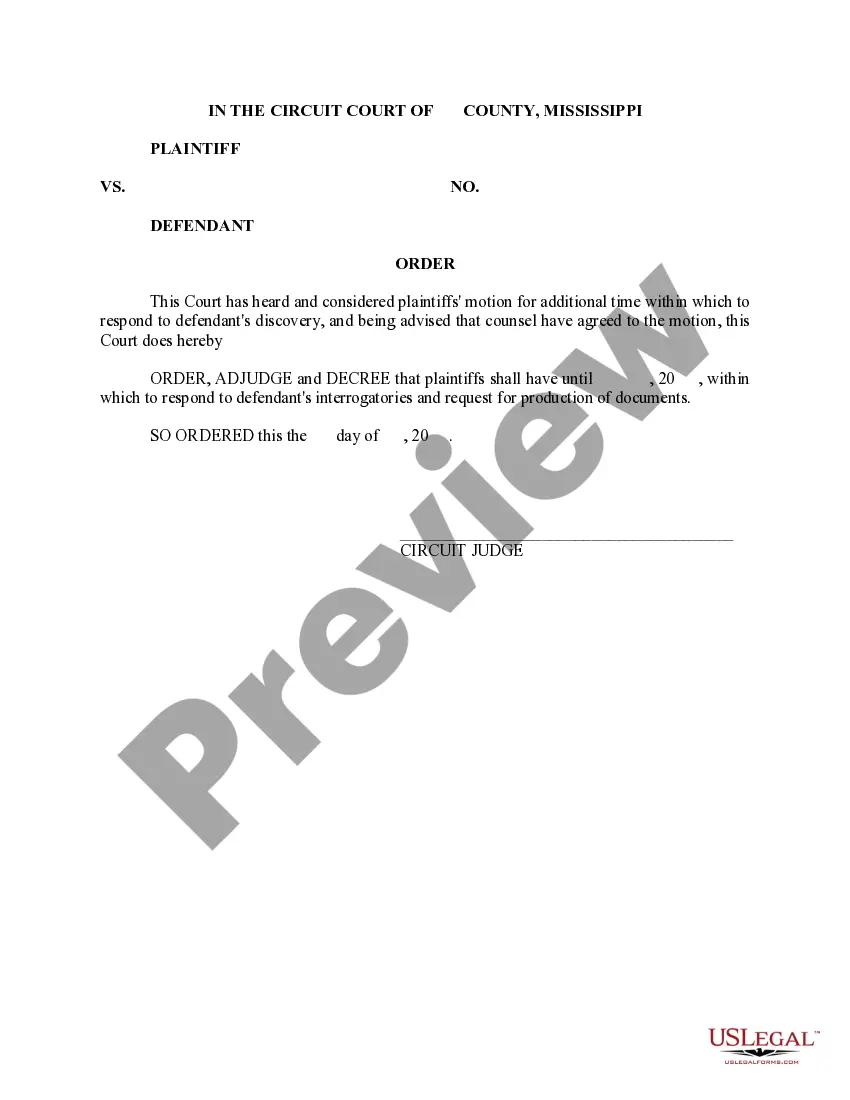
Court Order For Protection
Description
Get your form ready online
Our built-in tools help you complete, sign, share, and store your documents in one place.
Make edits, fill in missing information, and update formatting in US Legal Forms—just like you would in MS Word.
Download a copy, print it, send it by email, or mail it via USPS—whatever works best for your next step.
Sign and collect signatures with our SignNow integration. Send to multiple recipients, set reminders, and more. Go Premium to unlock E-Sign.
If this form requires notarization, complete it online through a secure video call—no need to meet a notary in person or wait for an appointment.
We protect your documents and personal data by following strict security and privacy standards.

Make edits, fill in missing information, and update formatting in US Legal Forms—just like you would in MS Word.

Download a copy, print it, send it by email, or mail it via USPS—whatever works best for your next step.

Sign and collect signatures with our SignNow integration. Send to multiple recipients, set reminders, and more. Go Premium to unlock E-Sign.

If this form requires notarization, complete it online through a secure video call—no need to meet a notary in person or wait for an appointment.

We protect your documents and personal data by following strict security and privacy standards.
Looking for another form?

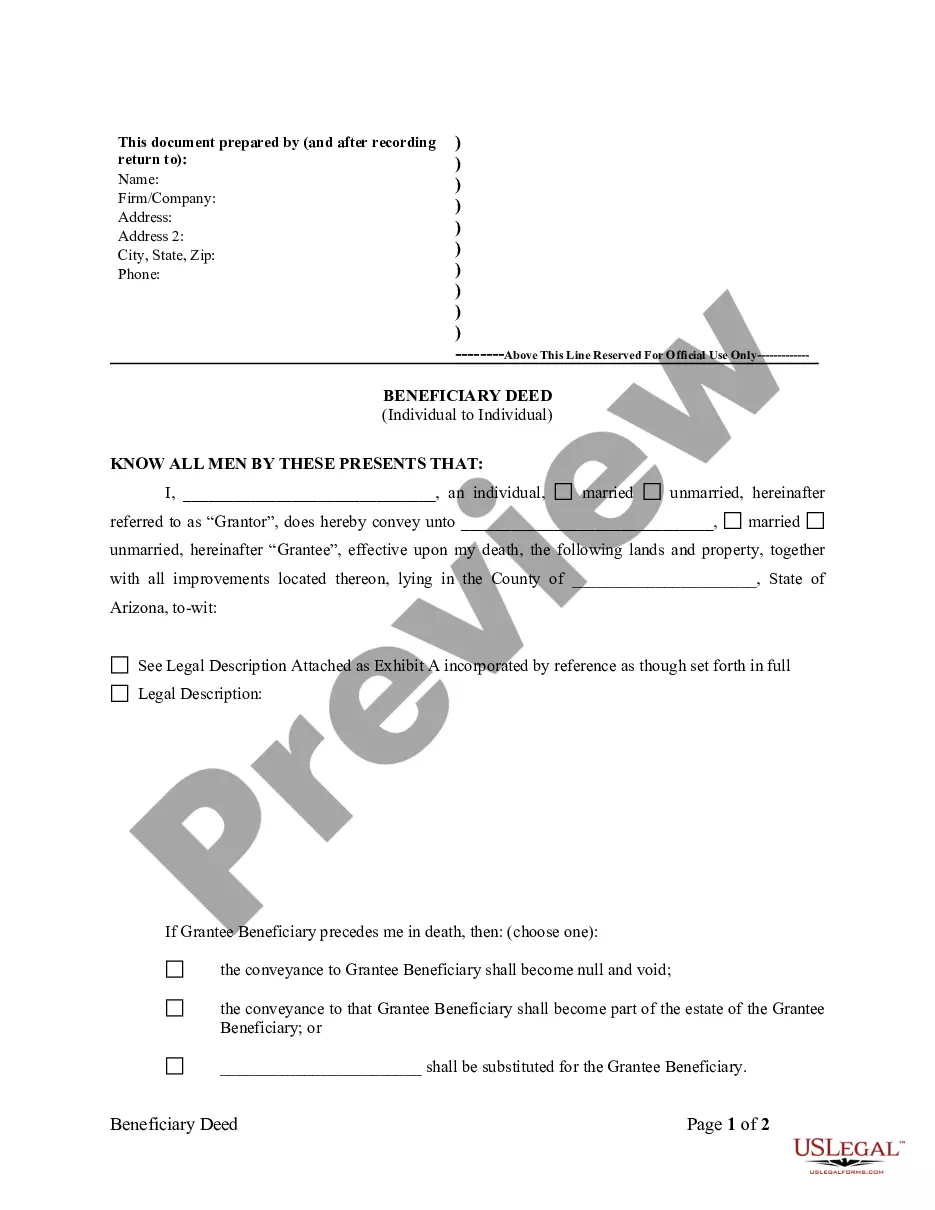



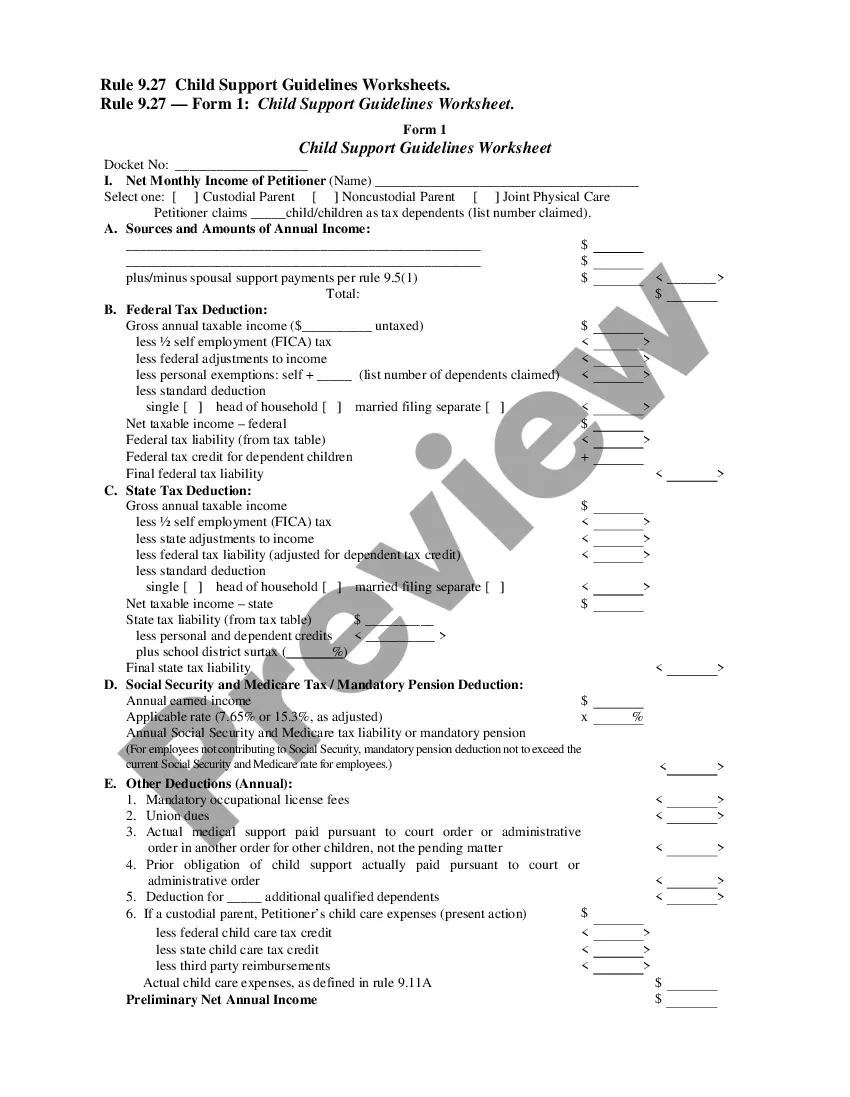
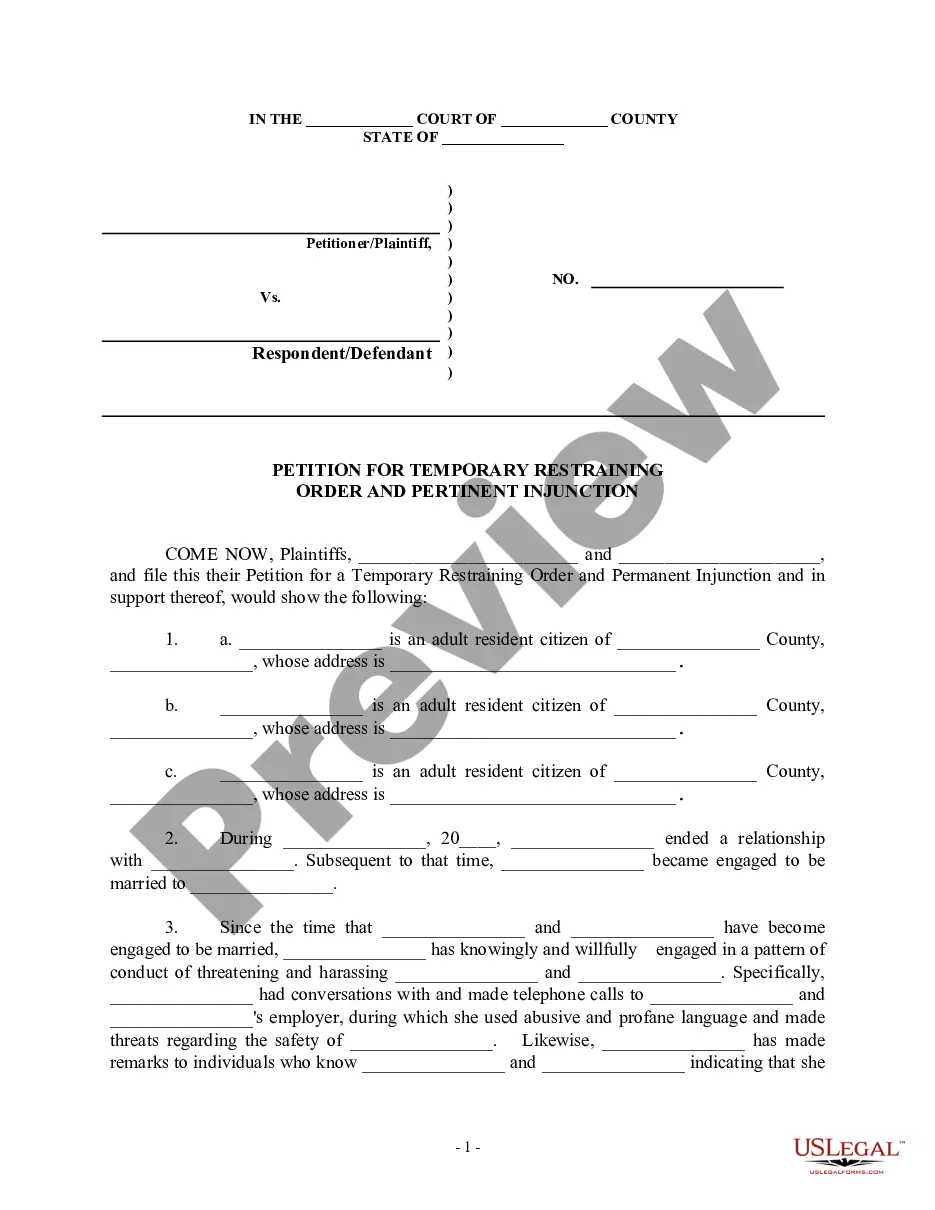
How to fill out Mississippi Temporary Restraining Order?
Drafting legal documents from scratch can sometimes be daunting. Certain scenarios might involve hours of research and hundreds of dollars invested. If you’re looking for a an easier and more affordable way of preparing Court Order For Protection or any other forms without jumping through hoops, US Legal Forms is always at your disposal.
Our virtual collection of more than 85,000 up-to-date legal documents addresses almost every element of your financial, legal, and personal affairs. With just a few clicks, you can instantly access state- and county-specific forms carefully prepared for you by our legal professionals.
Use our platform whenever you need a trustworthy and reliable services through which you can easily find and download the Court Order For Protection. If you’re not new to our website and have previously set up an account with us, simply log in to your account, locate the template and download it away or re-download it at any time in the My Forms tab.
Don’t have an account? No problem. It takes little to no time to set it up and explore the catalog. But before jumping directly to downloading Court Order For Protection, follow these tips:
- Check the document preview and descriptions to make sure you have found the form you are looking for.
- Check if template you choose conforms with the regulations and laws of your state and county.
- Choose the right subscription option to buy the Court Order For Protection.
- Download the form. Then fill out, certify, and print it out.
US Legal Forms boasts a good reputation and over 25 years of expertise. Join us today and transform form execution into something easy and streamlined!
Form popularity
FAQ
Consult an attorney. Asking the court to change or terminate an order it has issued to protect a victim of domestic violence isn't a simple or easy thing. Because judges often are predisposed against dropping a no-contact order, having an attorney on your side can ensure the best arguments are made.
You can go to court and file a Motion to Modify or a Motion to Terminate your Order of Protection. A Motion to Modify will change the order. A Motion to Terminate will end the order. The clerk will set a court date, and you will have to mail a copy of the motion to the abuser.
If someone is trying to obtain or has already obtained a protection order against you, you have a couple of options. You can file an opposition to the application or a motion asking the court to dissolve or modify the order, or you can appeal from the court's grant of an extended protection order.
The judge will make such an order if they believe you pose a danger to another person and want to ensure you have no contact with that person. The judge can order a peace bond or restraining order even if you have not been charged, convicted or sentenced. These are also referred to as protection orders.