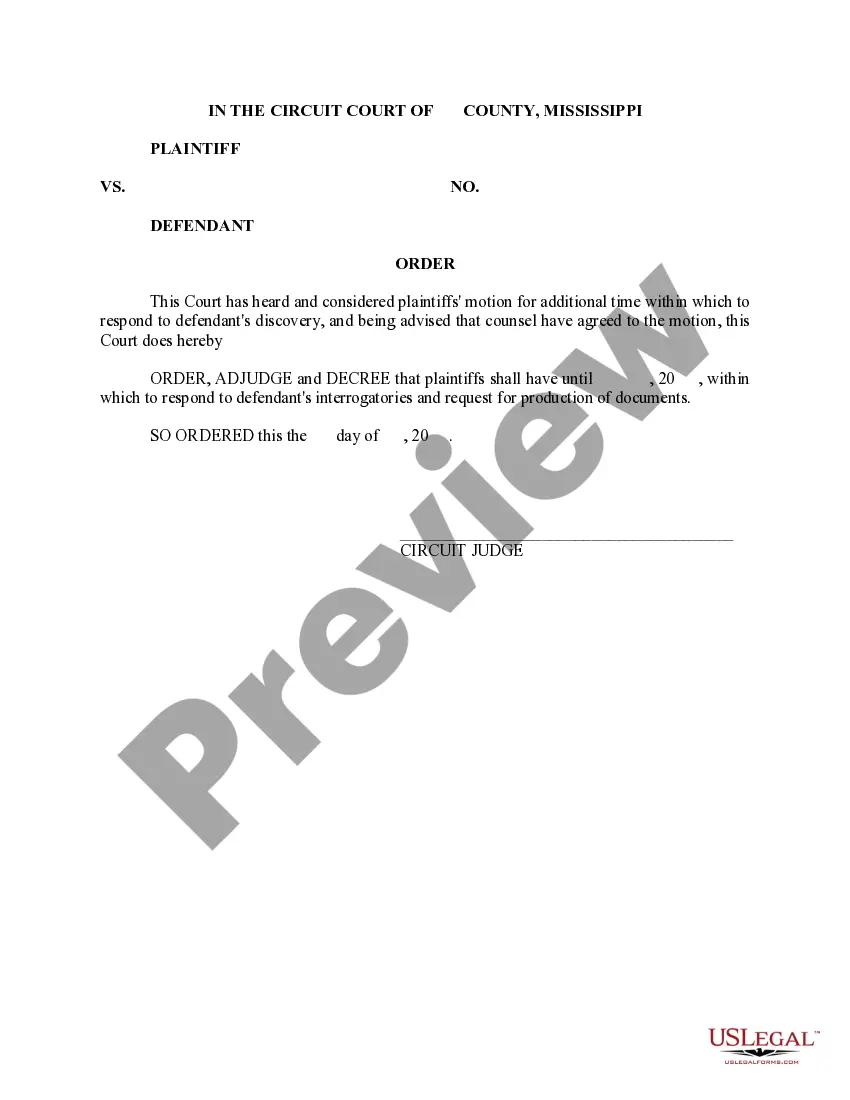
Mississippi Defamation Without A Lawyer
Description
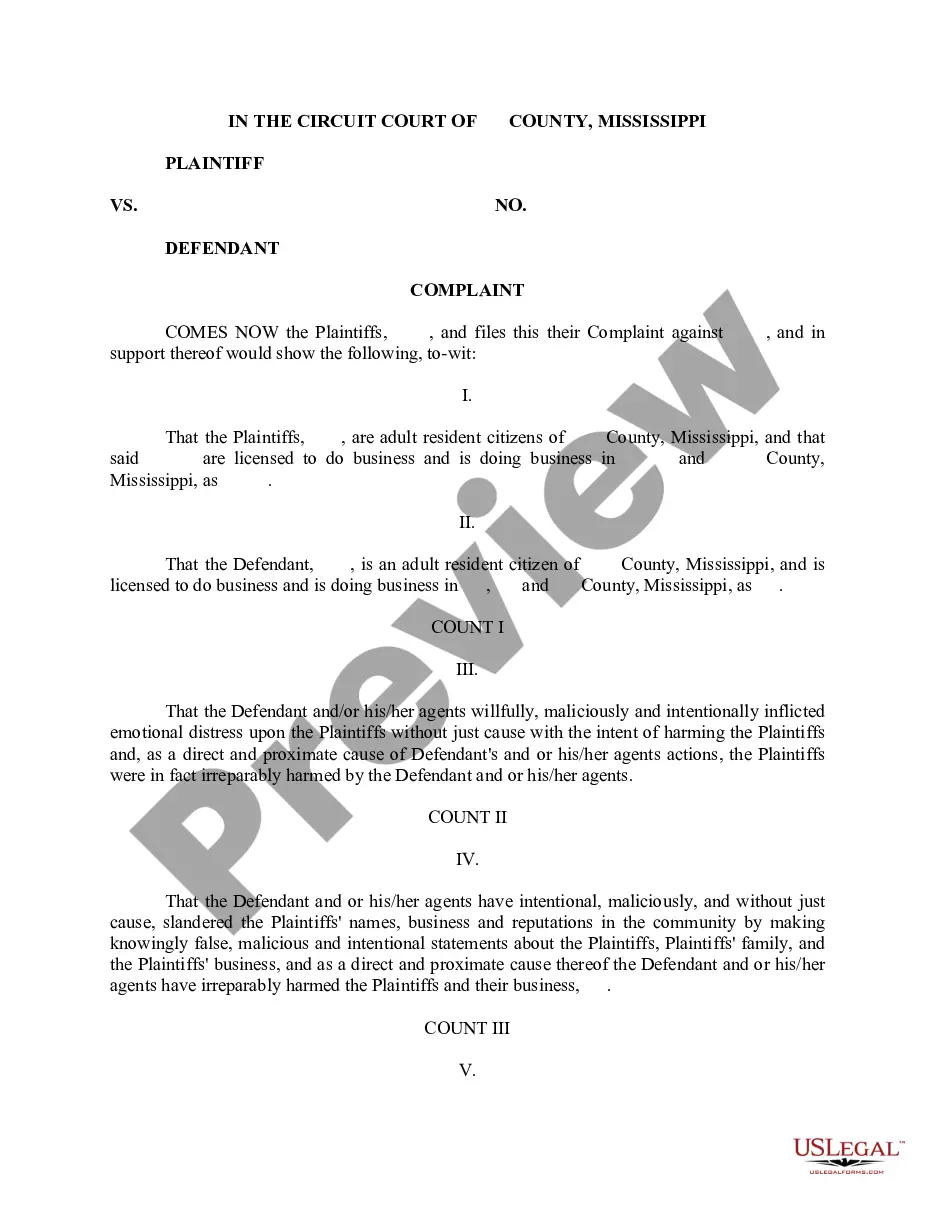
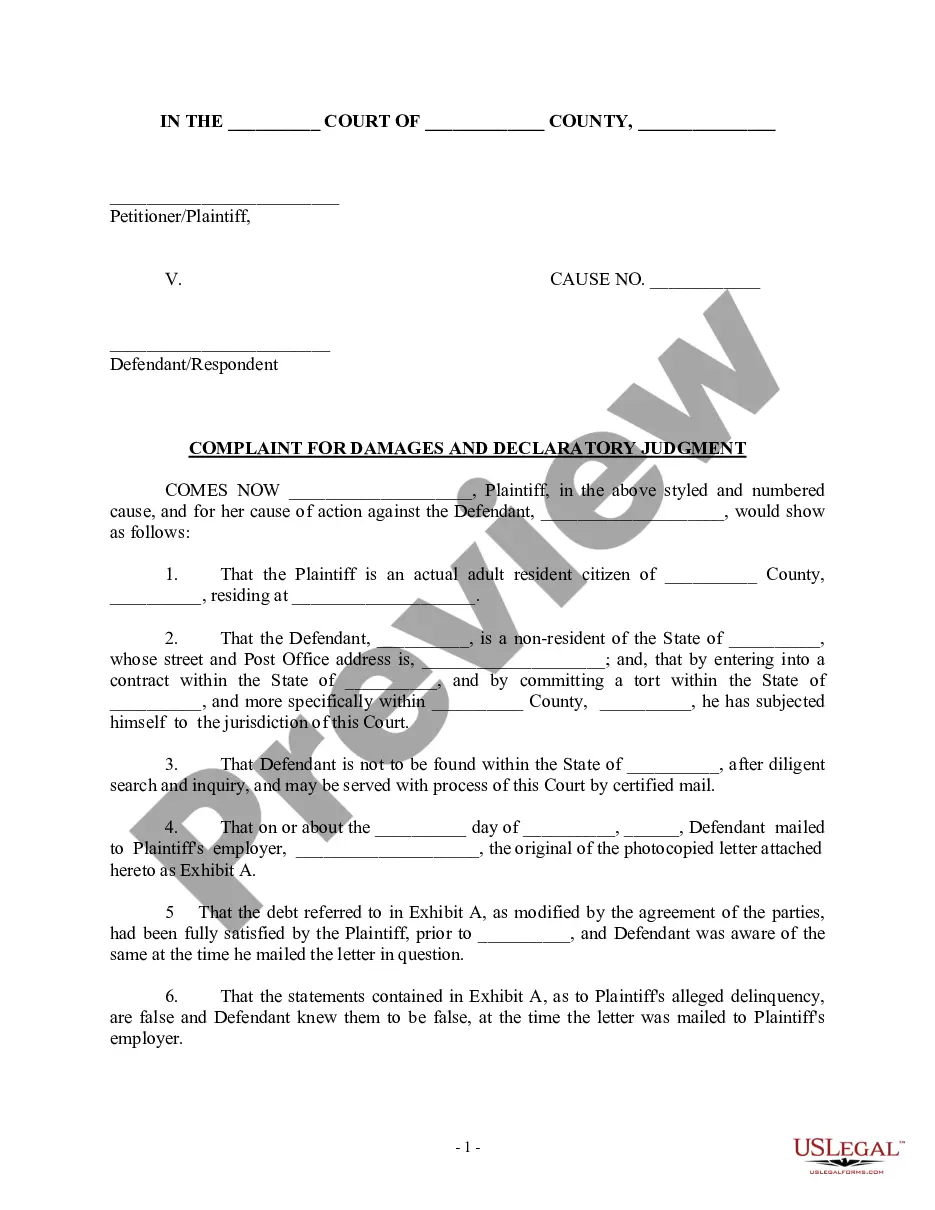
Get your form ready online
Our built-in tools help you complete, sign, share, and store your documents in one place.
Make edits, fill in missing information, and update formatting in US Legal Forms—just like you would in MS Word.
Download a copy, print it, send it by email, or mail it via USPS—whatever works best for your next step.
Sign and collect signatures with our SignNow integration. Send to multiple recipients, set reminders, and more. Go Premium to unlock E-Sign.
If this form requires notarization, complete it online through a secure video call—no need to meet a notary in person or wait for an appointment.
We protect your documents and personal data by following strict security and privacy standards.

Make edits, fill in missing information, and update formatting in US Legal Forms—just like you would in MS Word.

Download a copy, print it, send it by email, or mail it via USPS—whatever works best for your next step.

Sign and collect signatures with our SignNow integration. Send to multiple recipients, set reminders, and more. Go Premium to unlock E-Sign.

If this form requires notarization, complete it online through a secure video call—no need to meet a notary in person or wait for an appointment.

We protect your documents and personal data by following strict security and privacy standards.
Looking for another form?








How to fill out Mississippi Order?
Legal papers management might be overpowering, even for experienced experts. When you are looking for a Mississippi Defamation Without A Lawyer and do not get the time to devote trying to find the correct and up-to-date version, the procedures may be stressful. A strong online form library might be a gamechanger for anyone who wants to deal with these situations successfully. US Legal Forms is a industry leader in online legal forms, with over 85,000 state-specific legal forms accessible to you anytime.
With US Legal Forms, you can:
- Gain access to state- or county-specific legal and business forms. US Legal Forms handles any needs you could have, from personal to enterprise papers, in one spot.
- Employ innovative resources to finish and handle your Mississippi Defamation Without A Lawyer
- Gain access to a useful resource base of articles, guides and handbooks and resources related to your situation and needs
Save effort and time trying to find the papers you will need, and utilize US Legal Forms’ advanced search and Preview feature to locate Mississippi Defamation Without A Lawyer and download it. If you have a monthly subscription, log in to the US Legal Forms account, search for the form, and download it. Take a look at My Forms tab to find out the papers you previously downloaded and also to handle your folders as you can see fit.
If it is the first time with US Legal Forms, create a free account and obtain limitless access to all benefits of the platform. Listed below are the steps for taking after downloading the form you want:
- Verify it is the proper form by previewing it and reading its description.
- Ensure that the sample is acknowledged in your state or county.
- Pick Buy Now when you are all set.
- Select a monthly subscription plan.
- Pick the file format you want, and Download, complete, eSign, print and deliver your papers.
Enjoy the US Legal Forms online library, backed with 25 years of expertise and stability. Transform your daily papers administration into a smooth and intuitive process right now.
Form popularity
FAQ
It's safe to say that pursuing a defamation suit against someone can be difficult, but it is not impossible. To prove defamation, you must determine that the statement can easily be described as false, published, harmful, or unprivileged.
What Do You Need to Prove in a Defamation of Character Claim? A false statement of fact was made. ... A third party heard or read the defamatory statement. ... The defendant who defamed you was either negligent or acted with actual malice in determining whether the statement was true. ... The statement was not privileged.
Under Mississippi law, defamation, libel and slander refer to communications that are intended to harm the business or reputation of the person who is targeted. For a court to find that a party has been defamed, the communication must be disclosed to another person without your knowledge or consent.
To prove prima facie defamation, a plaintiff must show four things: 1) a false statement purporting to be fact; 2) publication or communication of that statement to a third person; 3) fault amounting to at least negligence; and 4) damages, or some harm caused to the reputation of the person or entity who is the subject ...
A person who wishes to take legal action for defamation must be able to prove that they have suffered, or could suffer, 'serious harm'. If a corporation is suing for defamation, it needs to prove that it has suffered 'serious financial loss' as a result of the publication of the allegedly defamatory matter.