Life Estate With A Mortgage
Description


Get your form ready online
Our built-in tools help you complete, sign, share, and store your documents in one place.
Make edits, fill in missing information, and update formatting in US Legal Forms—just like you would in MS Word.
Download a copy, print it, send it by email, or mail it via USPS—whatever works best for your next step.
Sign and collect signatures with our SignNow integration. Send to multiple recipients, set reminders, and more. Go Premium to unlock E-Sign.
If this form requires notarization, complete it online through a secure video call—no need to meet a notary in person or wait for an appointment.
We protect your documents and personal data by following strict security and privacy standards.

Make edits, fill in missing information, and update formatting in US Legal Forms—just like you would in MS Word.

Download a copy, print it, send it by email, or mail it via USPS—whatever works best for your next step.

Sign and collect signatures with our SignNow integration. Send to multiple recipients, set reminders, and more. Go Premium to unlock E-Sign.

If this form requires notarization, complete it online through a secure video call—no need to meet a notary in person or wait for an appointment.

We protect your documents and personal data by following strict security and privacy standards.
Looking for another form?
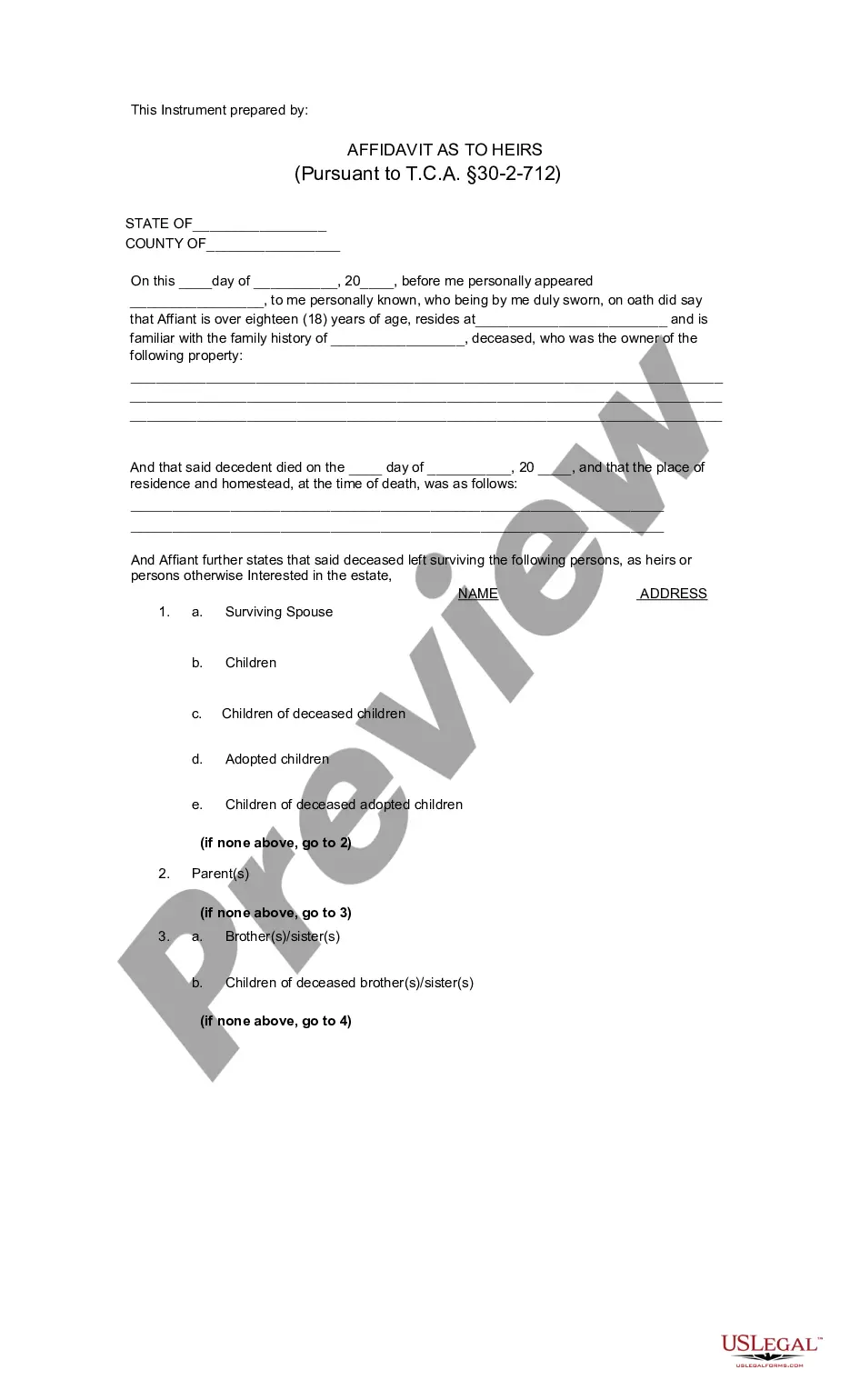

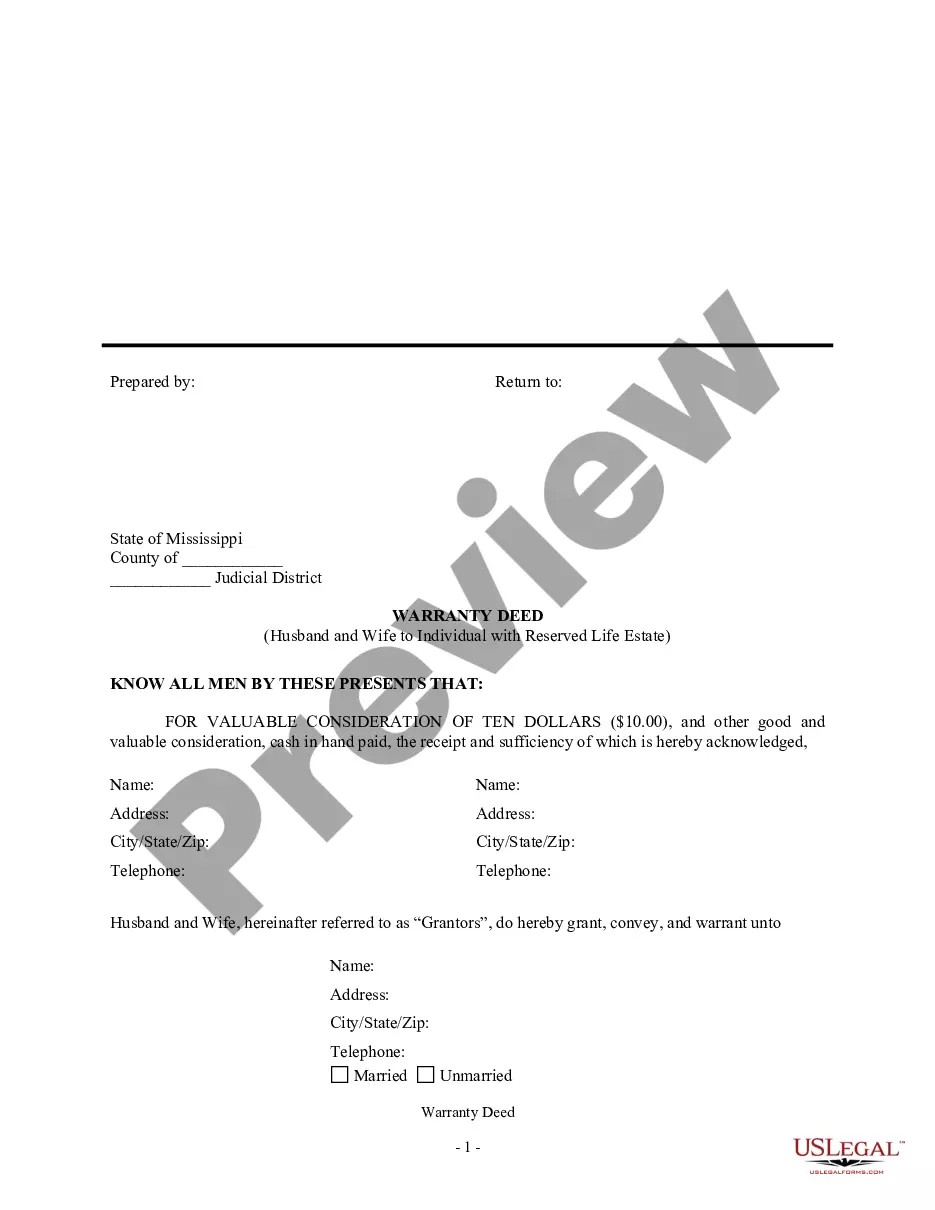
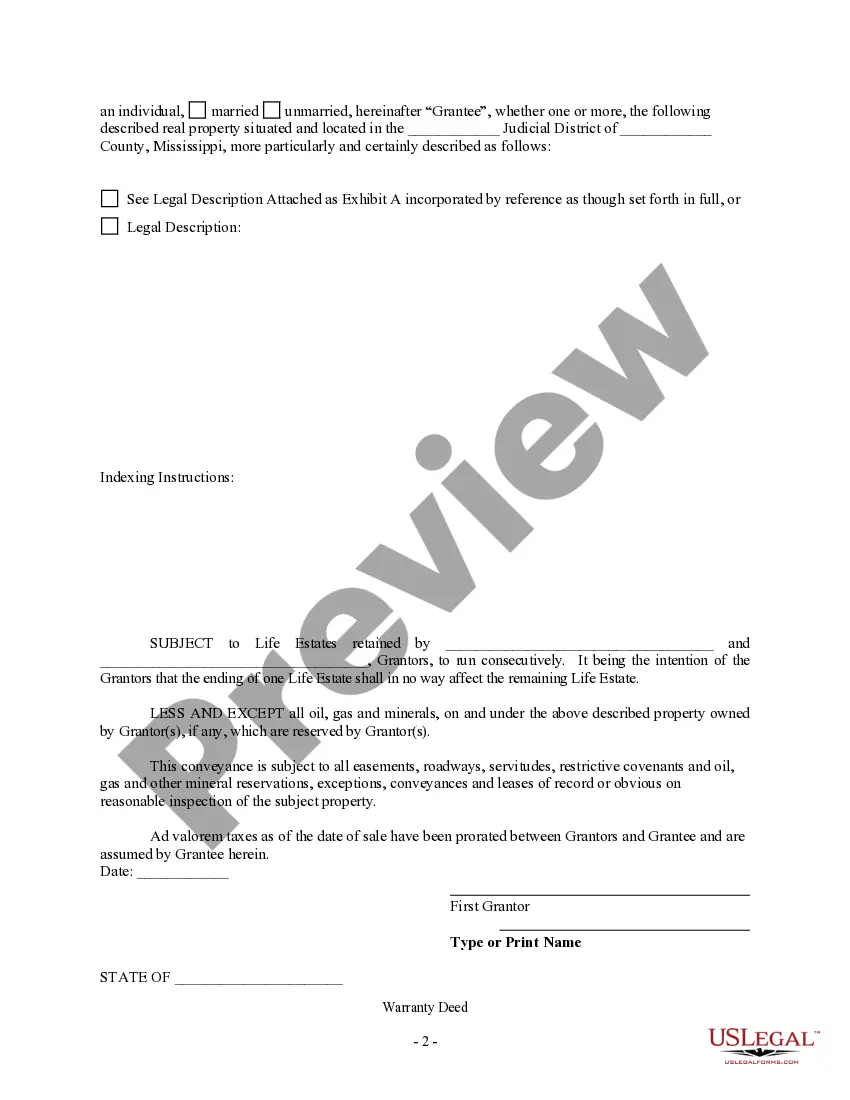
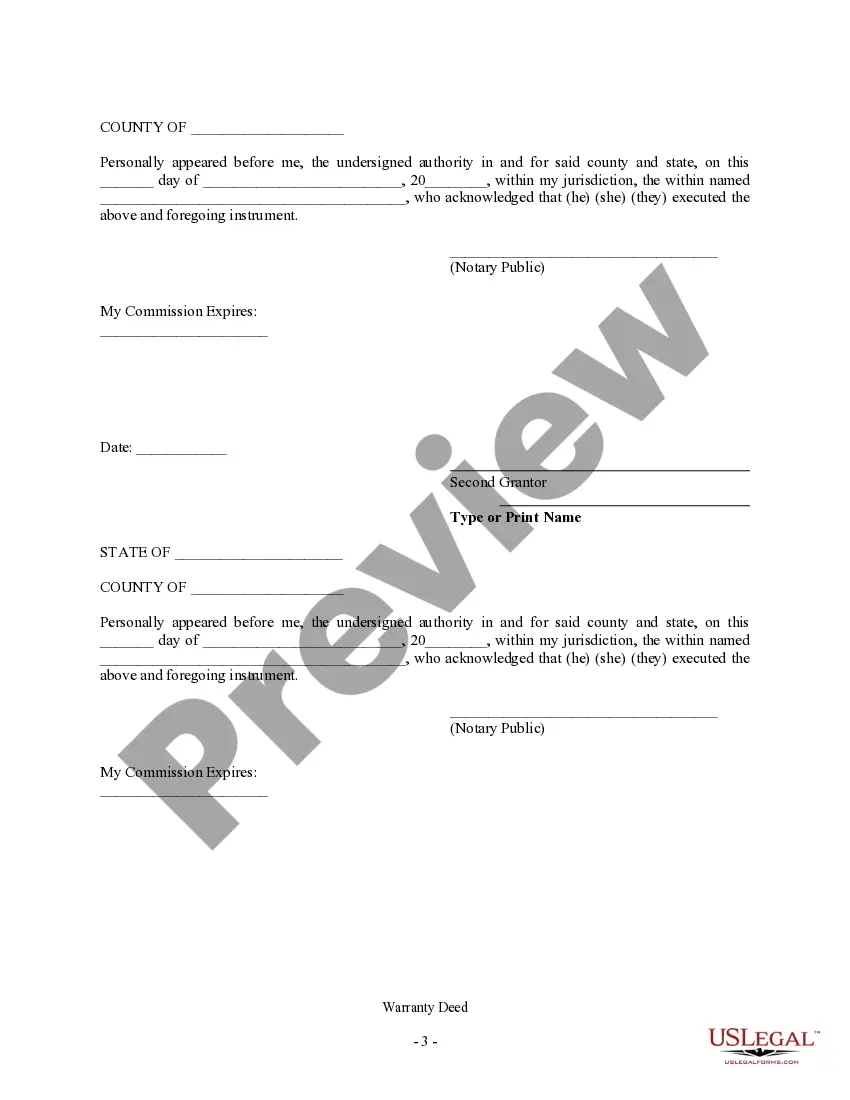
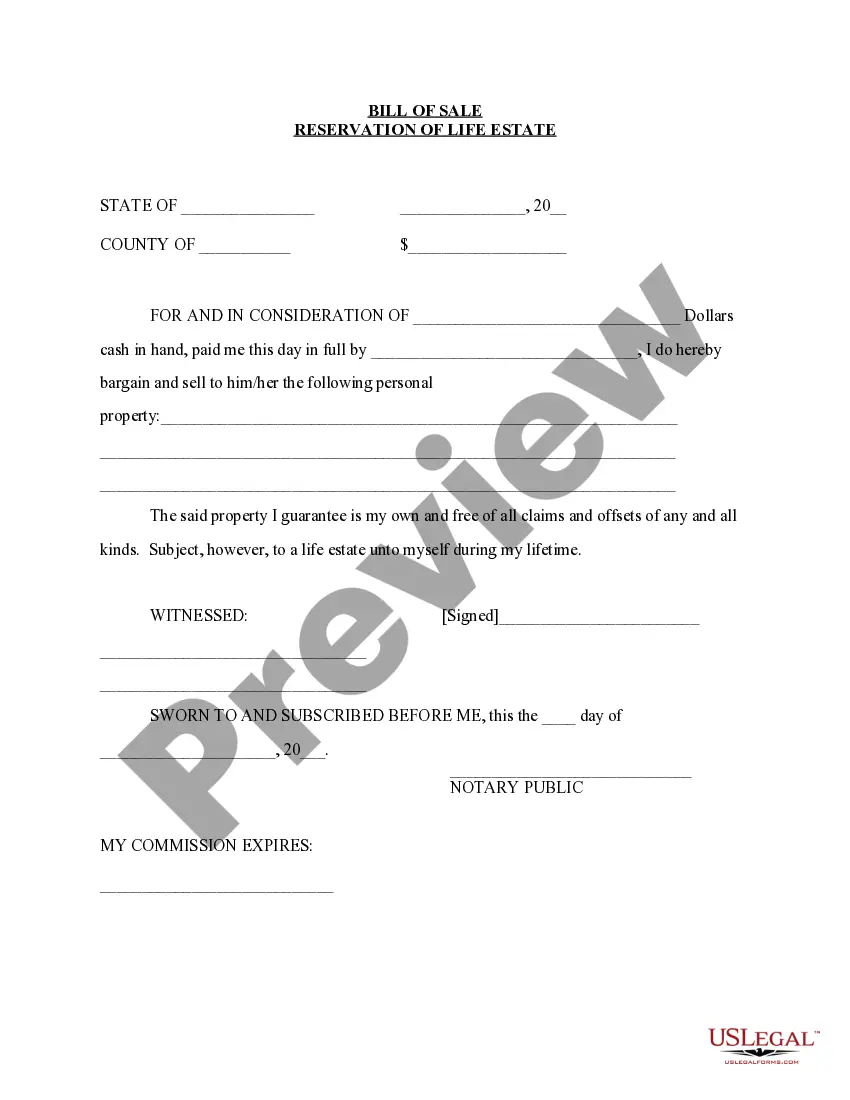
How to fill out Mississippi Warranty Deed To Child Reserving A Life Estate In The Parents?
- Log into your US Legal Forms account if you are a returning user and download the necessary form by clicking the Download button after confirming your subscription is active. If it has expired, renew it as per your payment plan.
- For first-time users, start by exploring the Preview mode and the form description to ensure you select the correct template for your needs.
- If you need a different template, utilize the Search tab to find one that better meets your criteria.
- Proceed to purchase the document by clicking the Buy Now button and selecting from the subscription plans available. You'll need to create an account to access their extensive library.
- Complete your purchase by entering your payment information, either via credit card or PayPal.
- Finally, download your completed form directly to your device and access it anytime through the My Forms section of your profile.
By utilizing US Legal Forms, individuals and attorneys can easily navigate the complexities of legal documentation pertaining to life estates and mortgages. The platform's robust collection of forms empowers users to ensure precision in their legal transactions.
Ready to simplify your legal documentation? Visit US Legal Forms today and explore their extensive library to find the perfect templates for your needs!
Form popularity
FAQ
Transferring ownership of a house with a mortgage after death typically involves understanding the concept of a life estate with a mortgage. This process ensures that the property can be passed on while addressing the outstanding debt. Usually, the estate must settle the mortgage, which might require selling the home or refinancing. Utilizing platforms like US Legal Forms can provide you with the documents and guidance needed for smooth property transfer.
When a person with a mortgage dies, the mortgage does not simply disappear. Instead, the obligation typically transfers to the deceased's estate. If the estate holds enough assets, it can continue to make mortgage payments. Alternatively, if you hold a life estate with a mortgage, the responsibility may pass to the life tenant or the heirs, depending on specific arrangements. In such cases, consulting platforms like USLegalForms can provide valuable guidance to ensure the correct steps are taken.
A life estate deed can create complications when it comes to managing the property. The life tenant may face challenges in refinancing a mortgage, especially when the remainderman is involved in decision-making. Additionally, transferring ownership can become tricky, limiting flexibility. Evaluating these factors carefully can guide your decision.
One downside of a life estate is limited control over the property. As a life tenant, you cannot sell the property without the agreement of the remainderman. This can complicate financial decisions, especially if a mortgage exists. Understanding both your rights and restrictions is crucial for a well-informed decision.
Yes, you can create a life estate with a mortgage on the property. However, it's important to understand that the lender may have specific rights regarding the property. Your mortgage obligations remain intact, meaning you must continue to make payments. Consulting with a legal professional can help you navigate this complex situation.
A will cannot override a life estate deed while you are alive. Once you create a life estate, it takes precedence over any will. However, upon your death, the life estate may become part of your estate and the provisions of your will then apply. Always consider consulting a legal expert to understand how these documents interact.
The primary disadvantage of a life estate involves limited control over the property for the life tenant. Once you create a life estate, you cannot sell or mortgage the property without the remainderman's consent. This arrangement also complicates inheritance issues and can lead to disputes. To clearly understand your options, consider using USLegalForms to learn more about life estates with a mortgage.
A will does not override a life estate. The life estate holds its value and rights intact, regardless of the will's contents. Essentially, the life tenant retains control over the property during their lifetime, and that cannot be altered by a will. If you have questions about estate planning, USLegalForms can provide valuable assistance.
Yes, you can sell a house that is in a life estate, but it involves complexity. The life tenant has rights that must be respected, and any sale typically requires their agreement. Additionally, you must inform potential buyers of the life estate's implications. USLegalForms offers documents and guidance that can simplify the selling process.
Getting around a life estate requires careful planning. You cannot simply bypass the rights of the life tenant or the remainderman. Instead, consider legal strategies like restructuring the estate or discussing options with both parties. Consulting resources from USLegalForms can help clarify your options.