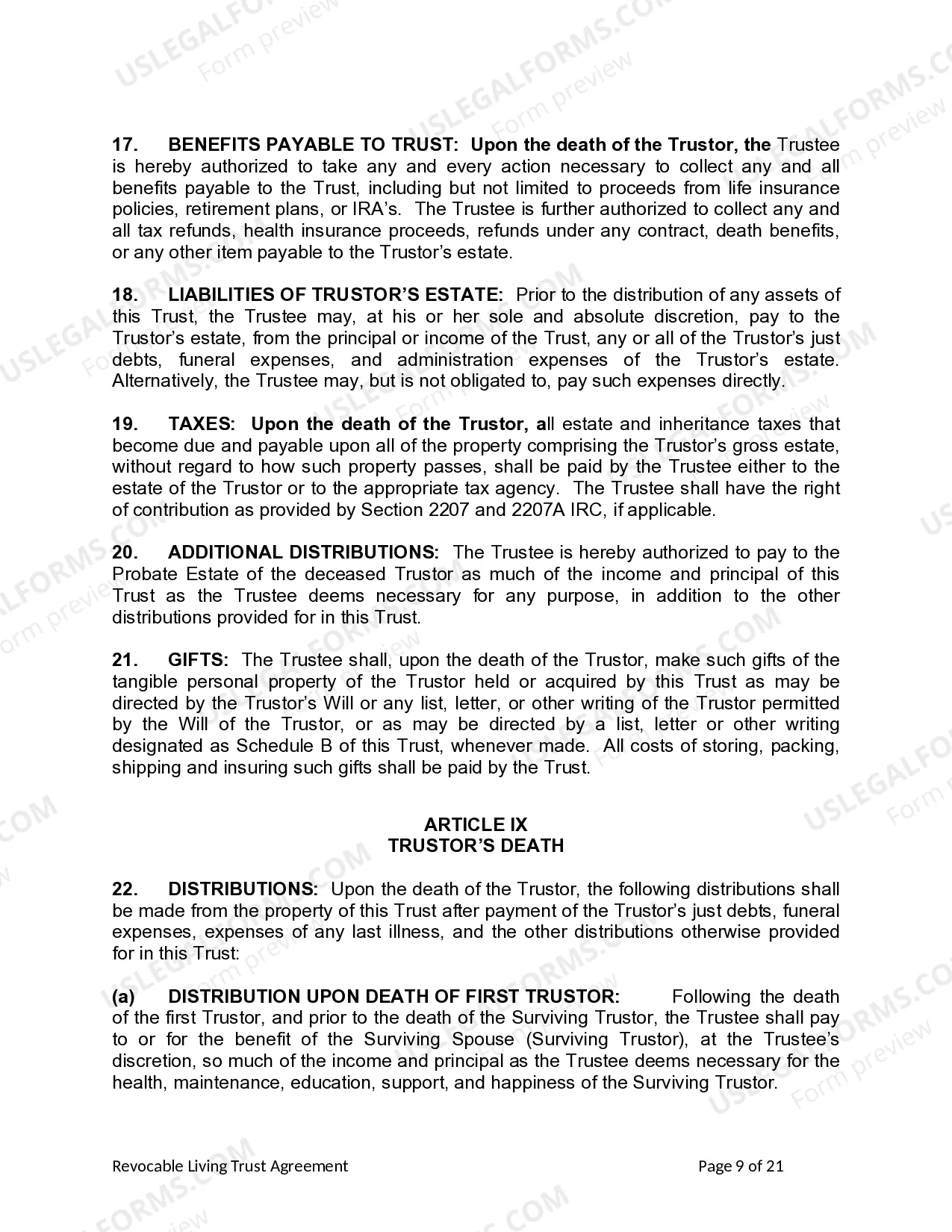
Missouri Trust Rules
Description
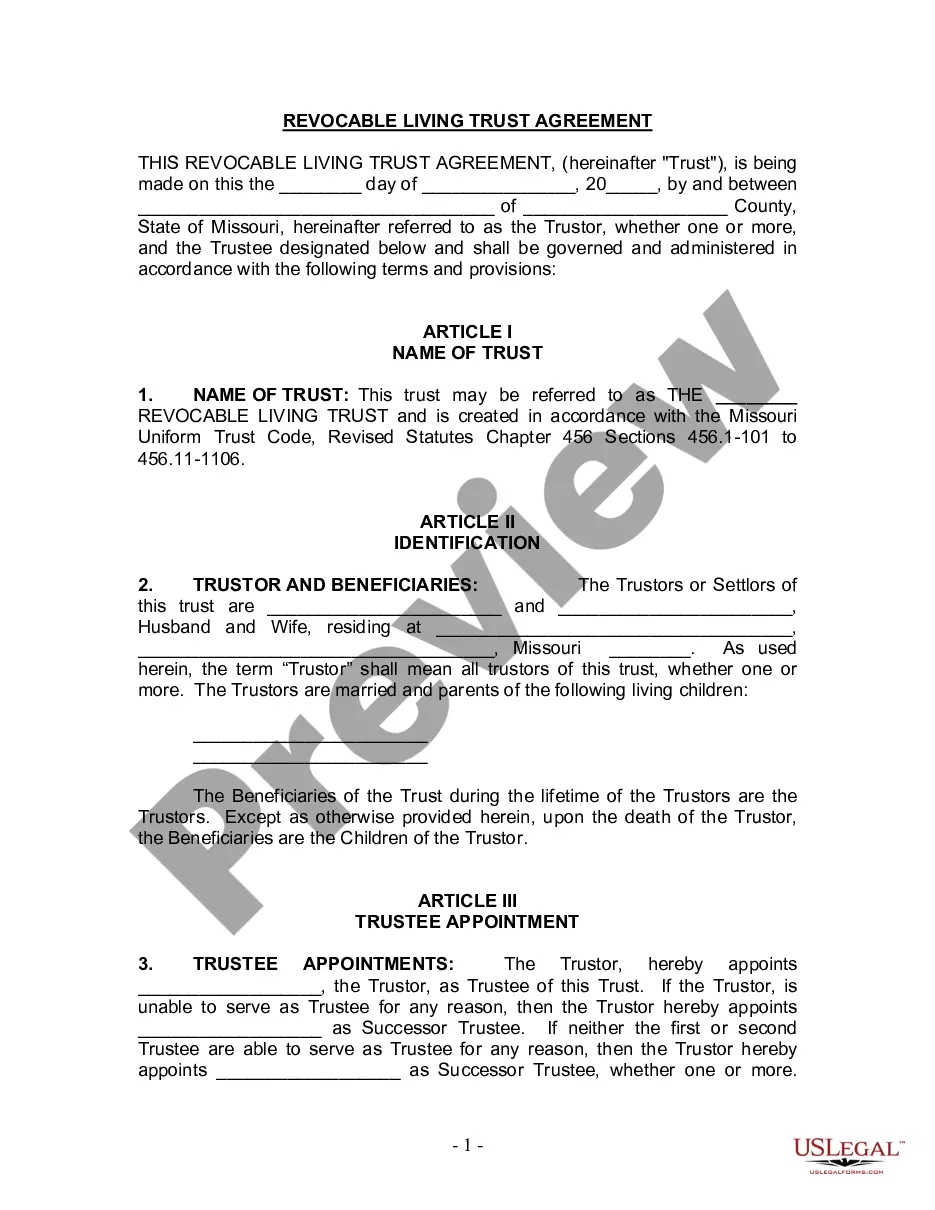
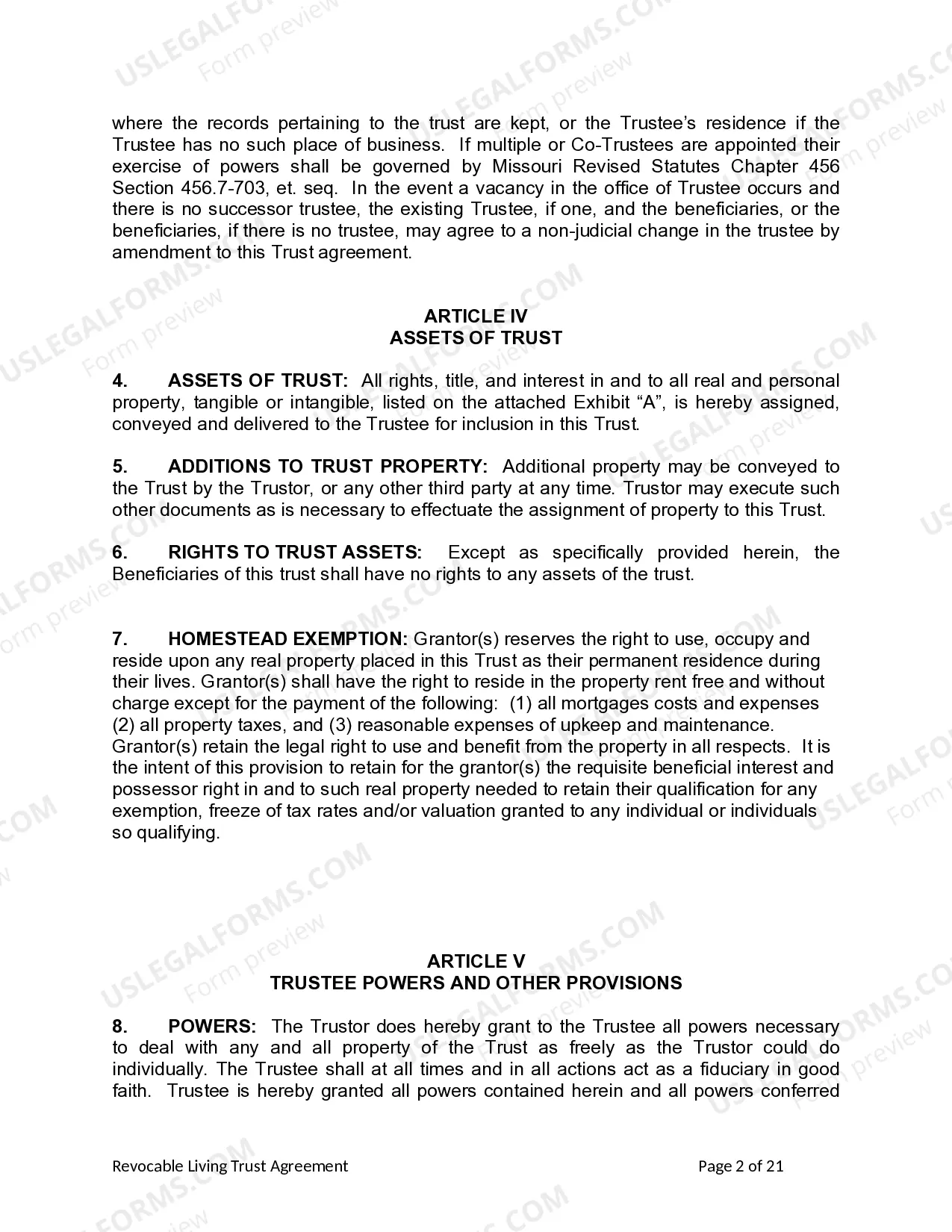
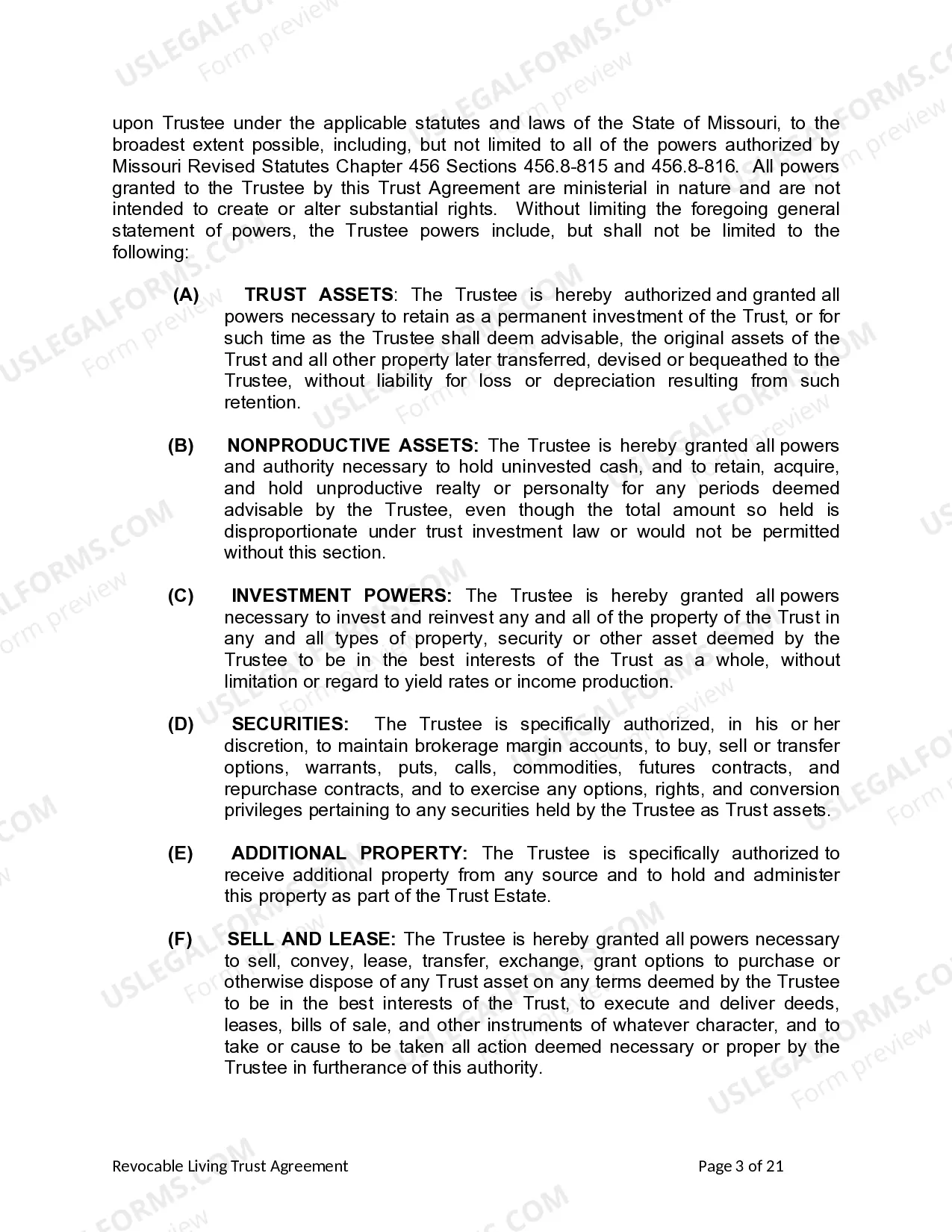
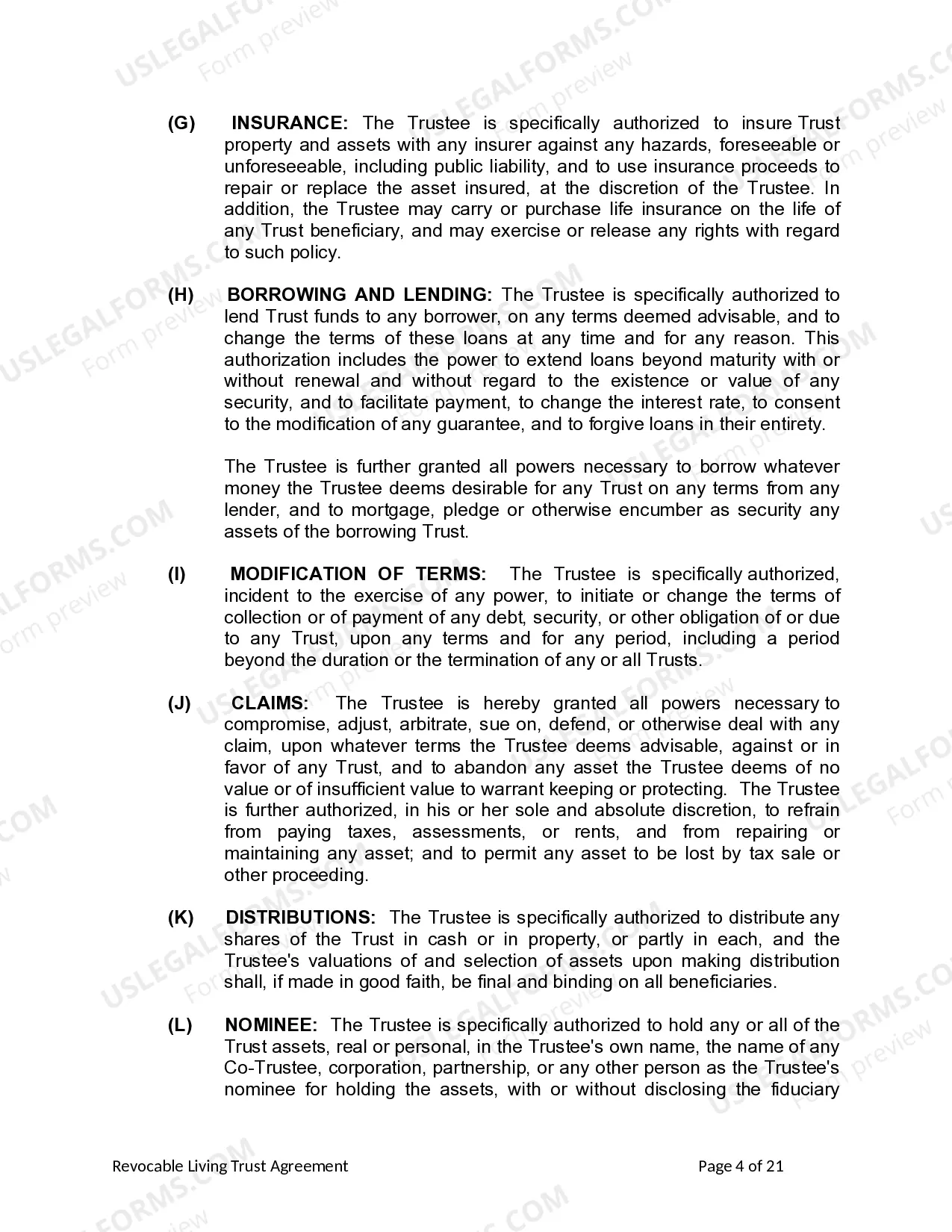



Get your form ready online
Our built-in tools help you complete, sign, share, and store your documents in one place.
Make edits, fill in missing information, and update formatting in US Legal Forms—just like you would in MS Word.
Download a copy, print it, send it by email, or mail it via USPS—whatever works best for your next step.
Sign and collect signatures with our SignNow integration. Send to multiple recipients, set reminders, and more. Go Premium to unlock E-Sign.
If this form requires notarization, complete it online through a secure video call—no need to meet a notary in person or wait for an appointment.
We protect your documents and personal data by following strict security and privacy standards.

Make edits, fill in missing information, and update formatting in US Legal Forms—just like you would in MS Word.

Download a copy, print it, send it by email, or mail it via USPS—whatever works best for your next step.

Sign and collect signatures with our SignNow integration. Send to multiple recipients, set reminders, and more. Go Premium to unlock E-Sign.

If this form requires notarization, complete it online through a secure video call—no need to meet a notary in person or wait for an appointment.

We protect your documents and personal data by following strict security and privacy standards.
Looking for another form?

How to fill out Missouri Living Trust For Husband And Wife With Minor And Or Adult Children?
Whether for corporate objectives or personal issues, everyone must confront legal circumstances at some stage in their life.
Completing legal documents demands meticulous attention, starting with choosing the appropriate form sample.
With a comprehensive US Legal Forms catalog available, you do not have to waste time searching for the appropriate sample online. Utilize the library’s straightforward navigation to find the right template for any circumstance.
- Locate the sample you require by utilizing the search bar or catalog navigation.
- Review the form’s details to ensure it aligns with your case, state, and county.
- Click on the form’s preview to view it.
- If it is the incorrect form, return to the search feature to find the Missouri Trust Rules sample you need.
- Download the template once it satisfies your needs.
- If you already possess a US Legal Forms account, simply click Log in to access previously saved documents in My documents.
- If you do not have an account yet, you can download the form by clicking Buy now.
- Select the correct pricing option.
- Complete the account registration form.
- Choose your payment method: you can use a bank card or PayPal account.
- Select the document format you desire and download the Missouri Trust Rules.
- Once downloaded, you can fill in the form using editing software or print it out and complete it manually.
Form popularity
FAQ
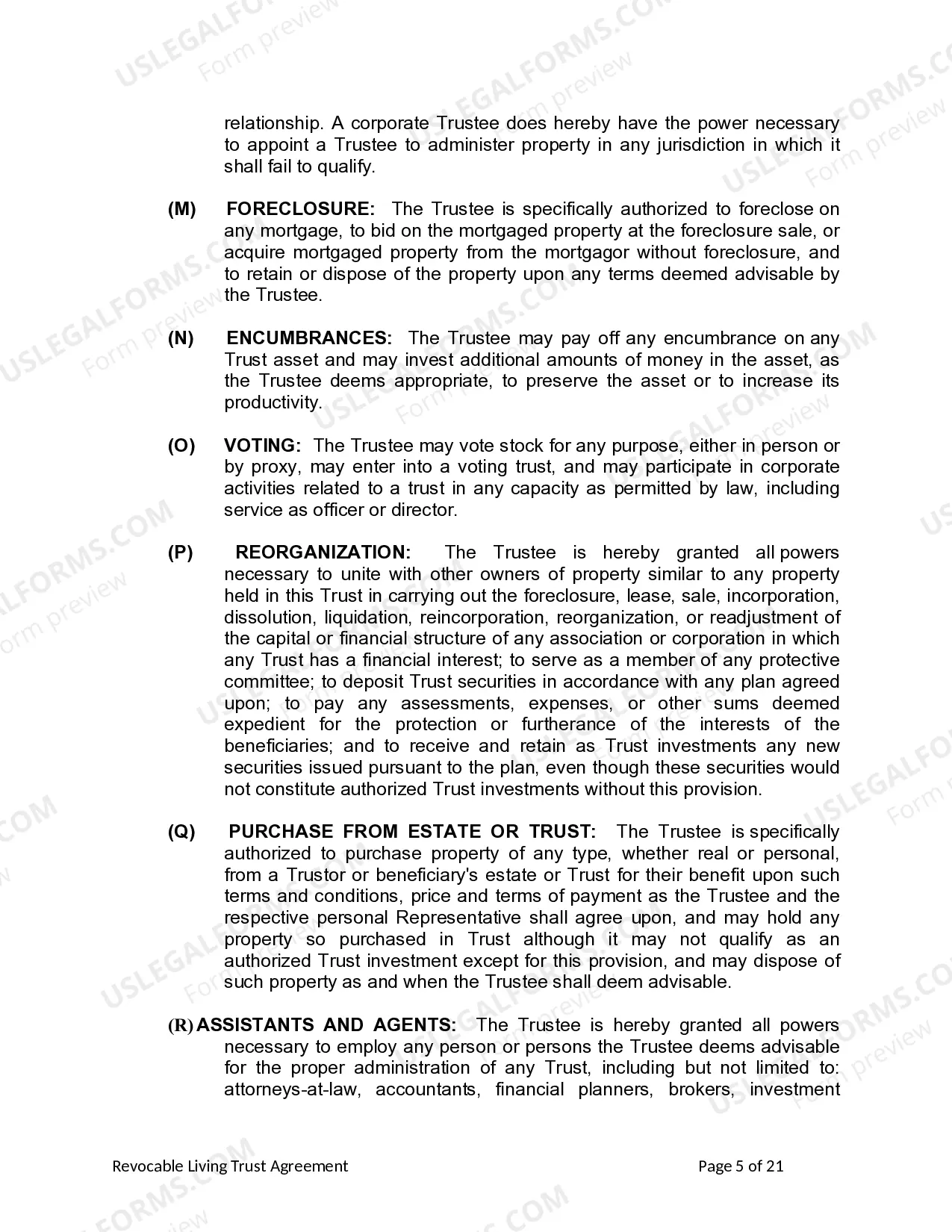
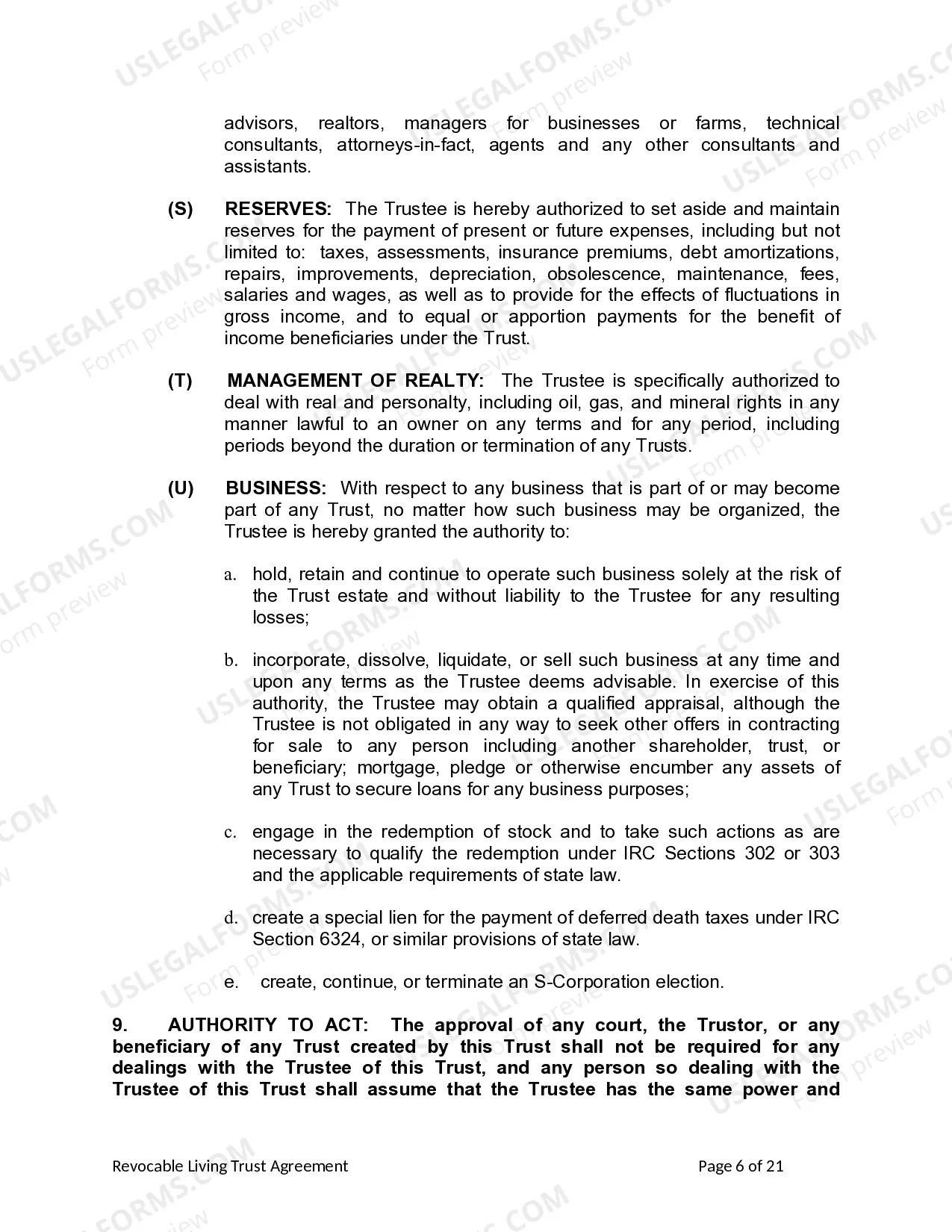
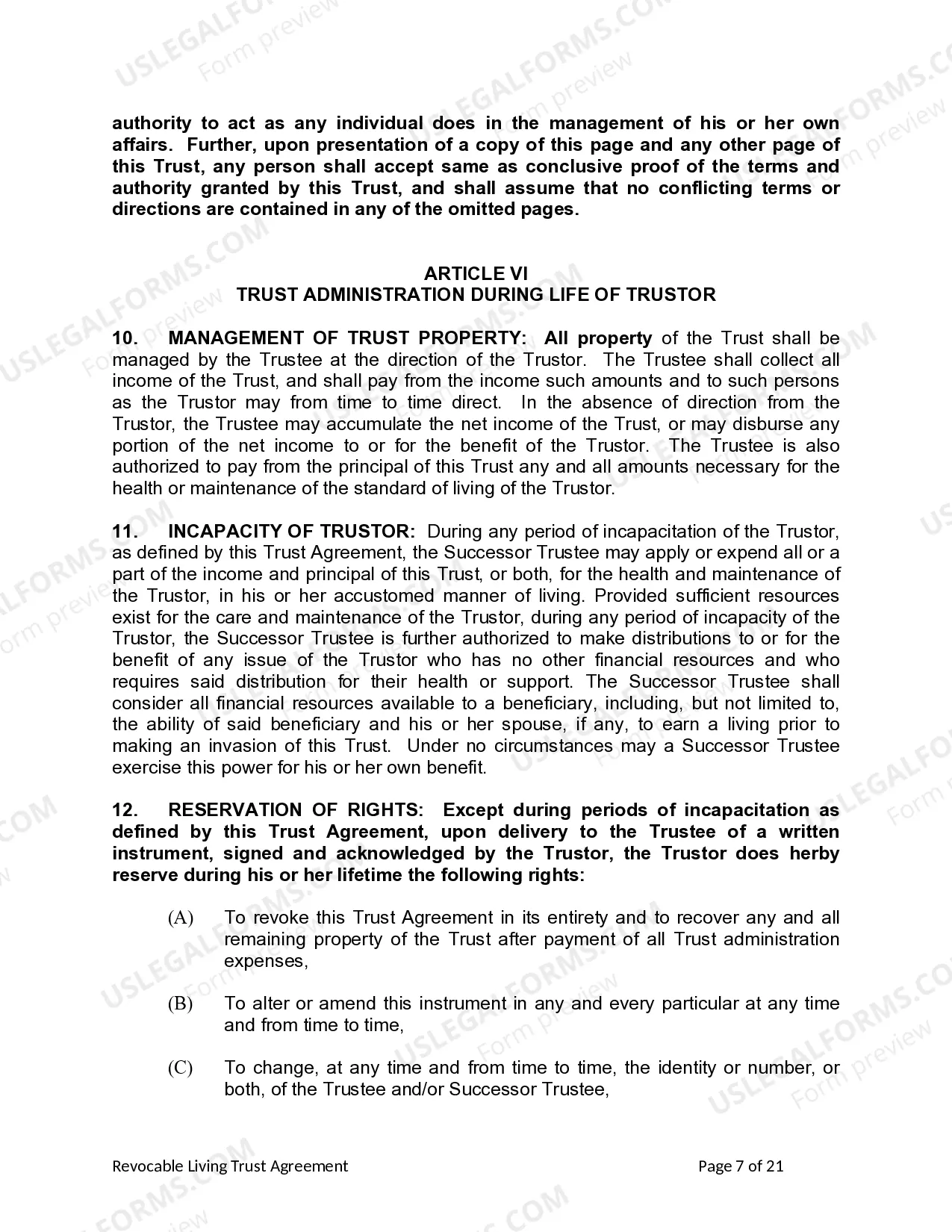
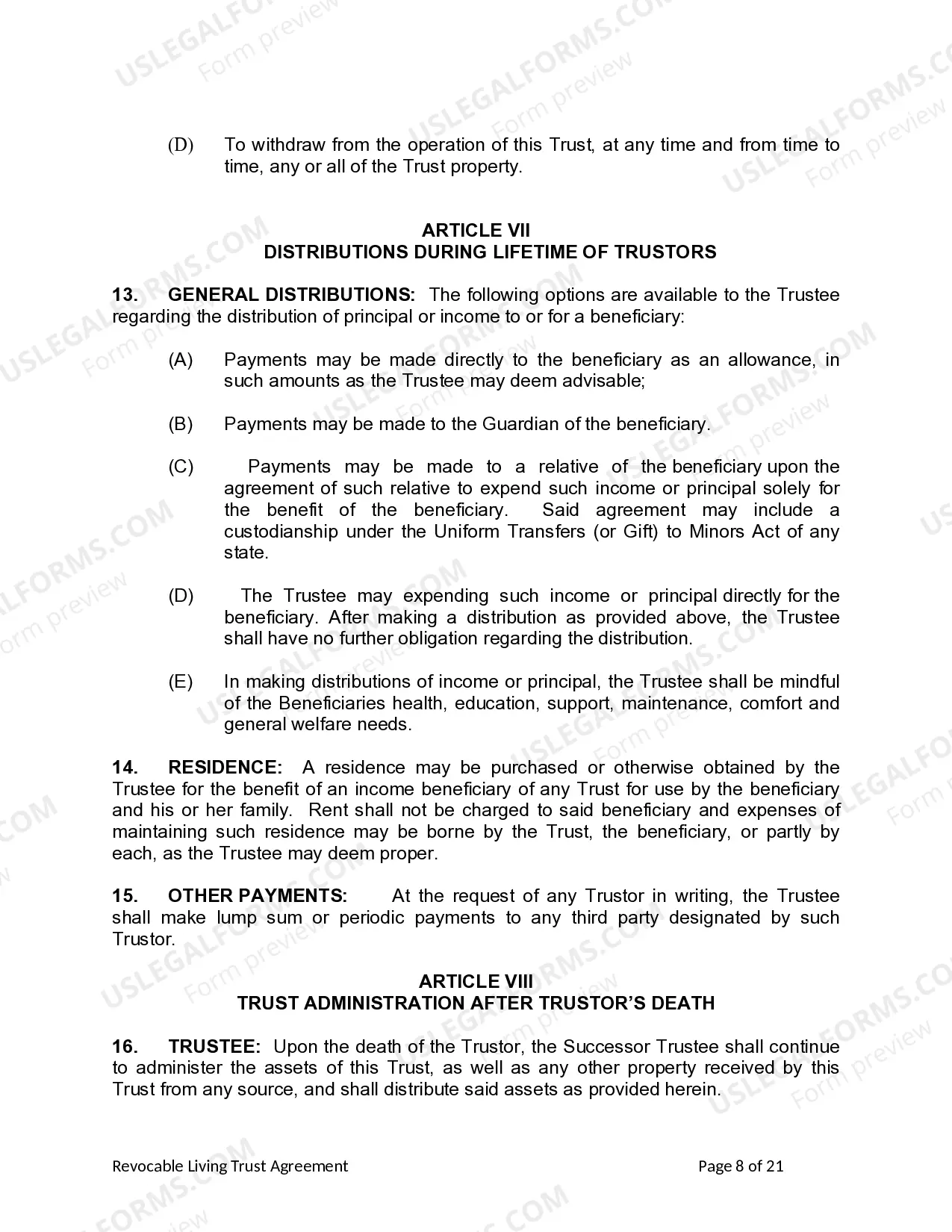
Yes, a trust can help avoid probate in Missouri, as specified by Missouri trust rules. Since a trust holds assets outside of your personal estate, it typically bypasses the lengthy and costly probate process. This allows beneficiaries to access their inheritance more swiftly and directly.
A beneficiary has specific powers under Missouri trust rules, which include the right to receive distributions according to the trust terms. Beneficiaries can also voice concerns if they believe the trustee isn't acting in their best interest. This power encourages accountability and transparency in trust management.
Generally, a trustee cannot withhold information from a beneficiary under Missouri trust rules. Beneficiaries are entitled to receive relevant details about the trust’s administration and its assets. However, trustees may limit information regarding sensitive matters that could harm the trust’s integrity.
Under Missouri trust rules, three key requirements must be met to establish a trust. First, there must be a clear intention to create a trust. Second, there must be a specific set of assets to fund the trust. Finally, a trustee must be appointed to manage the trust according to its terms.
Beneficiaries in Missouri have several rights as outlined by Missouri trust rules. They can request information about the trust's assets, receive regular account statements, and challenge the trustee's actions if they believe the trustee is not fulfilling their duties. These rights empower beneficiaries to ensure proper trust management.
One significant disadvantage of a trust, particularly under Missouri trust rules, is the potential complexity in management and administration. Setting up a trust may involve legal fees and ongoing costs, including trustee fees. If not handled properly, it may also lead to disputes among beneficiaries, complicating the distribution process.
In Missouri, beneficiaries do have certain rights under Missouri trust rules. They generally have the right to request a copy of the trust document. This ensures beneficiaries understand their entitlements and the terms set forth by the trust creator.
A K1 form for a trust is prepared by the trustee, who is responsible for reporting the income distributed to beneficiaries. This form outlines each beneficiary's share of the trust’s income and ensures compliance with federal tax regulations, in line with Missouri trust rules. It's essential for beneficiaries to receive their K1 in a timely manner. Platforms like US Legal Forms can help guide you through the process of preparing necessary tax documents accurately.
The 65 day rule for trust distributions in Missouri stipulates that any distributions made by a trust must occur within 65 days after the end of the trust's taxable year. This rule is important because it allows beneficiaries to receive their inheritances in a timely manner while adhering to the Missouri trust rules regarding taxation. To maintain compliance and ease, you might consider using a legal service to manage distributions effectively.
In Missouri, trusts are not usually recorded like other legal documents, such as deeds. However, if the trust holds real property, you must record the deed that transfers the property into the trust. This ensures compliance with Missouri trust rules and informs the public about the property’s ownership. You can rely on platforms like US Legal Forms for accurate documentation to manage property within a trust.