Irrevocable Trust For Lottery Winnings
Description
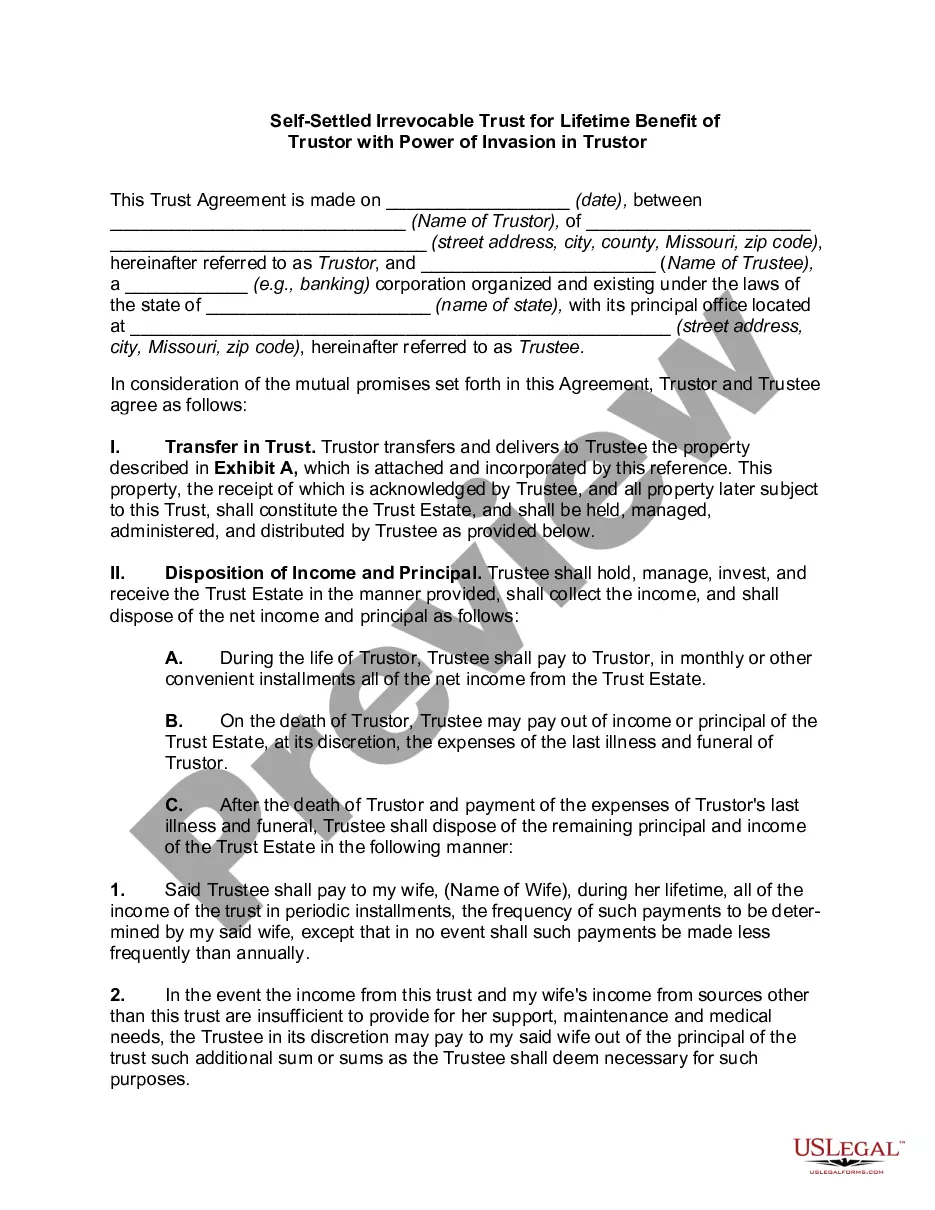
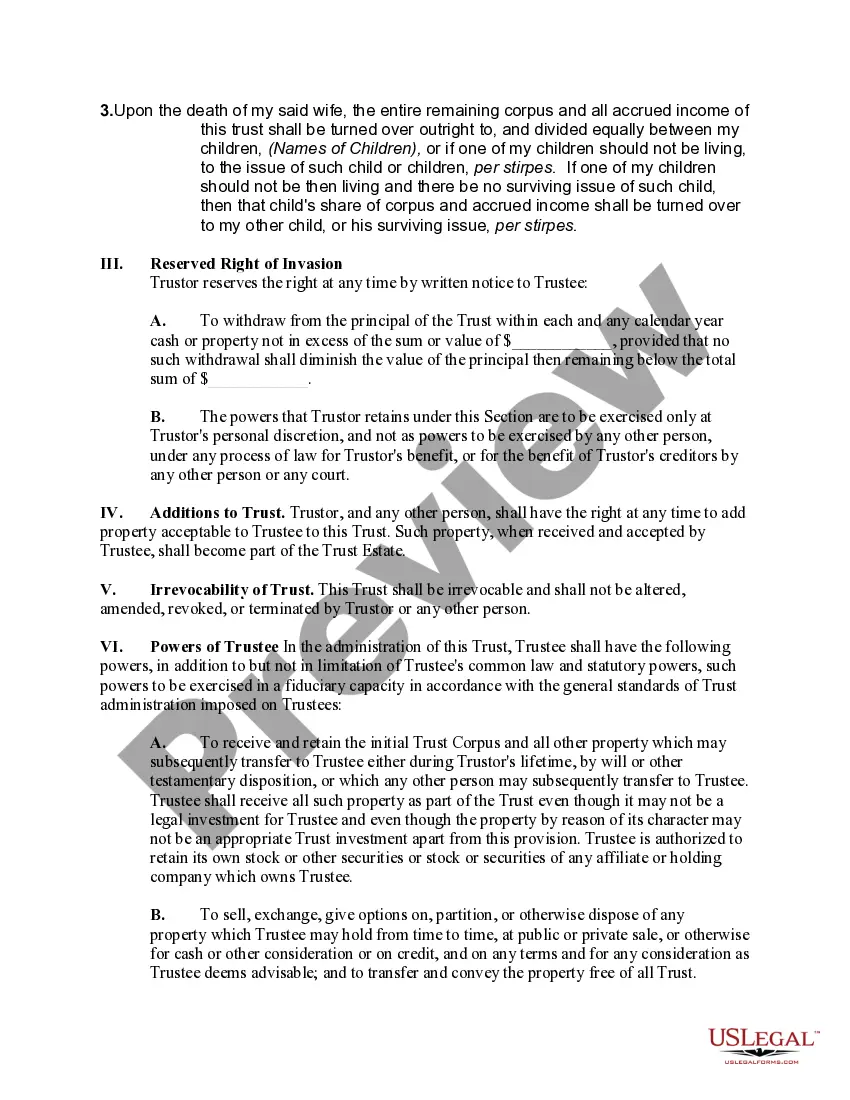
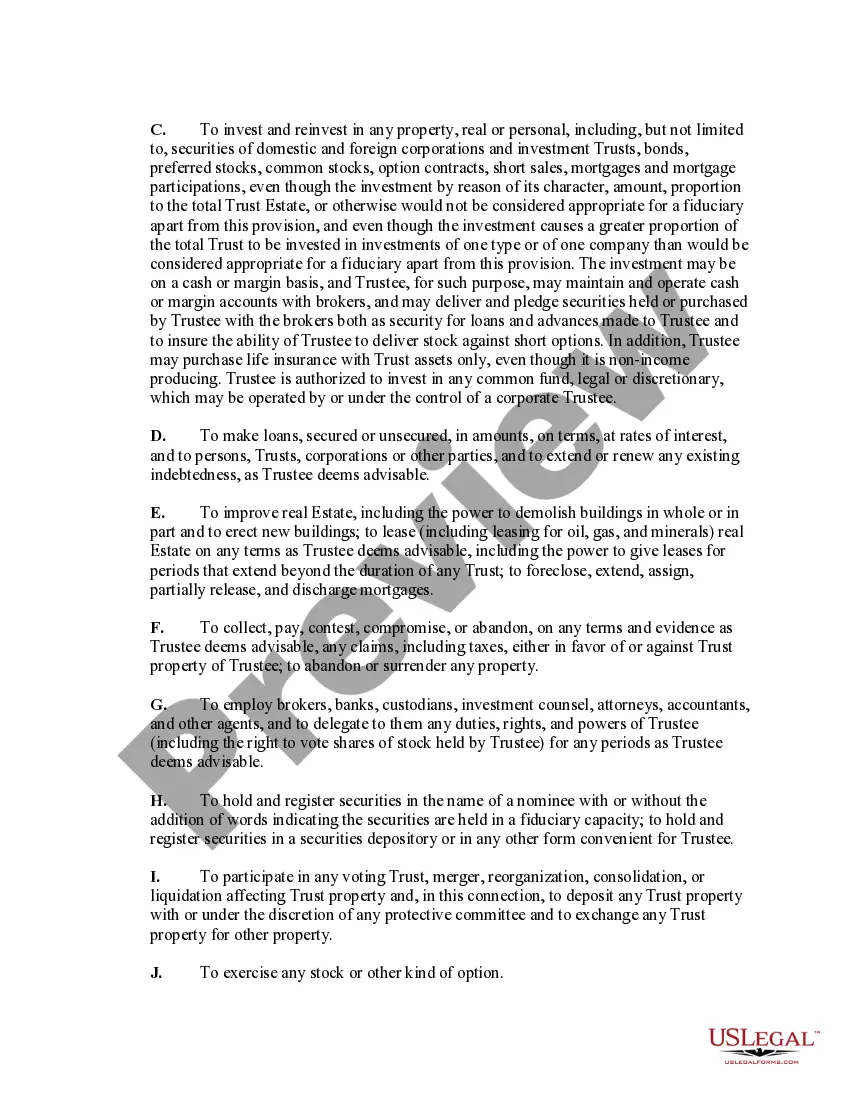
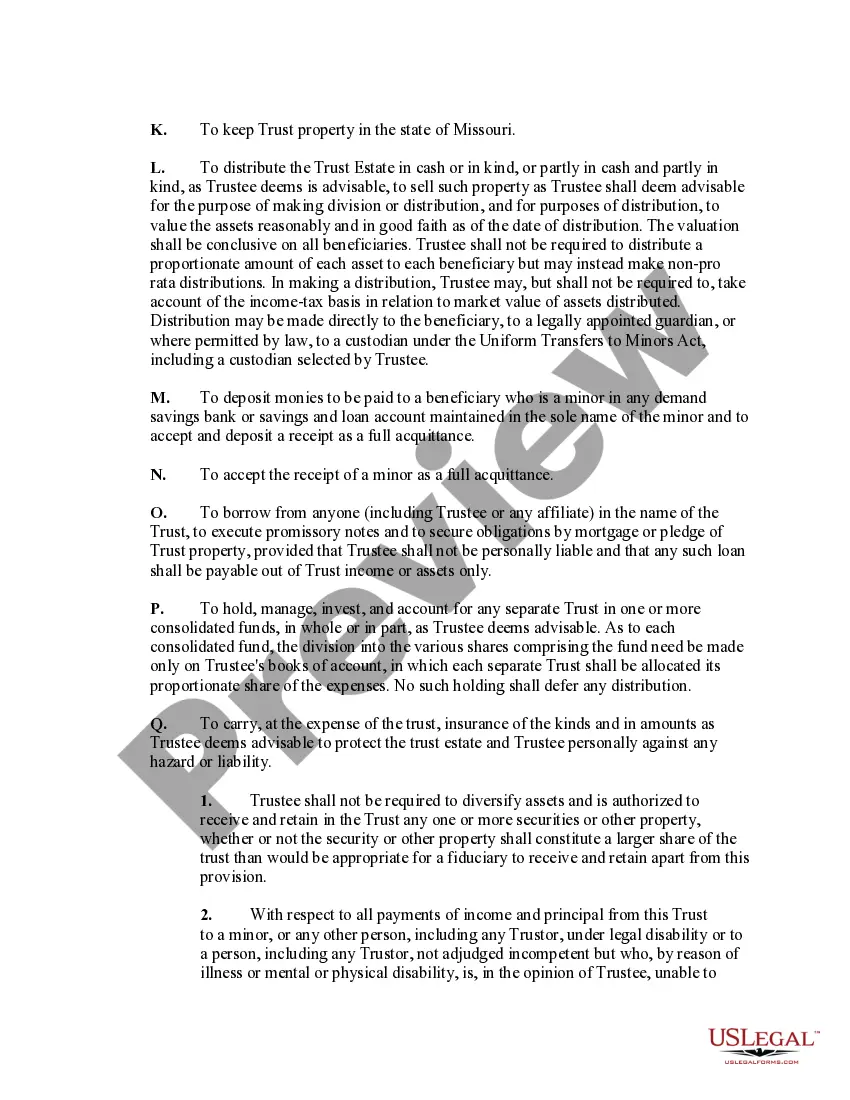

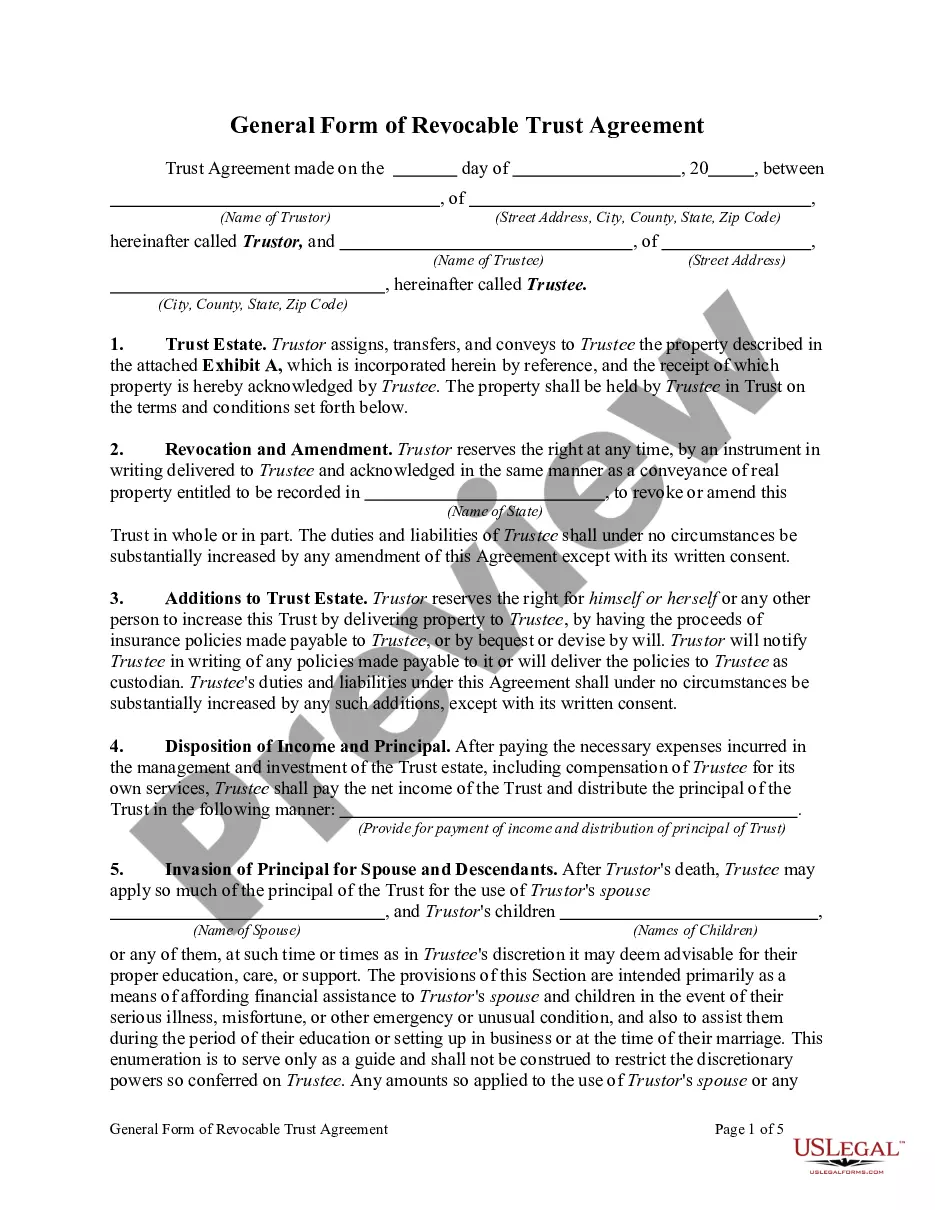
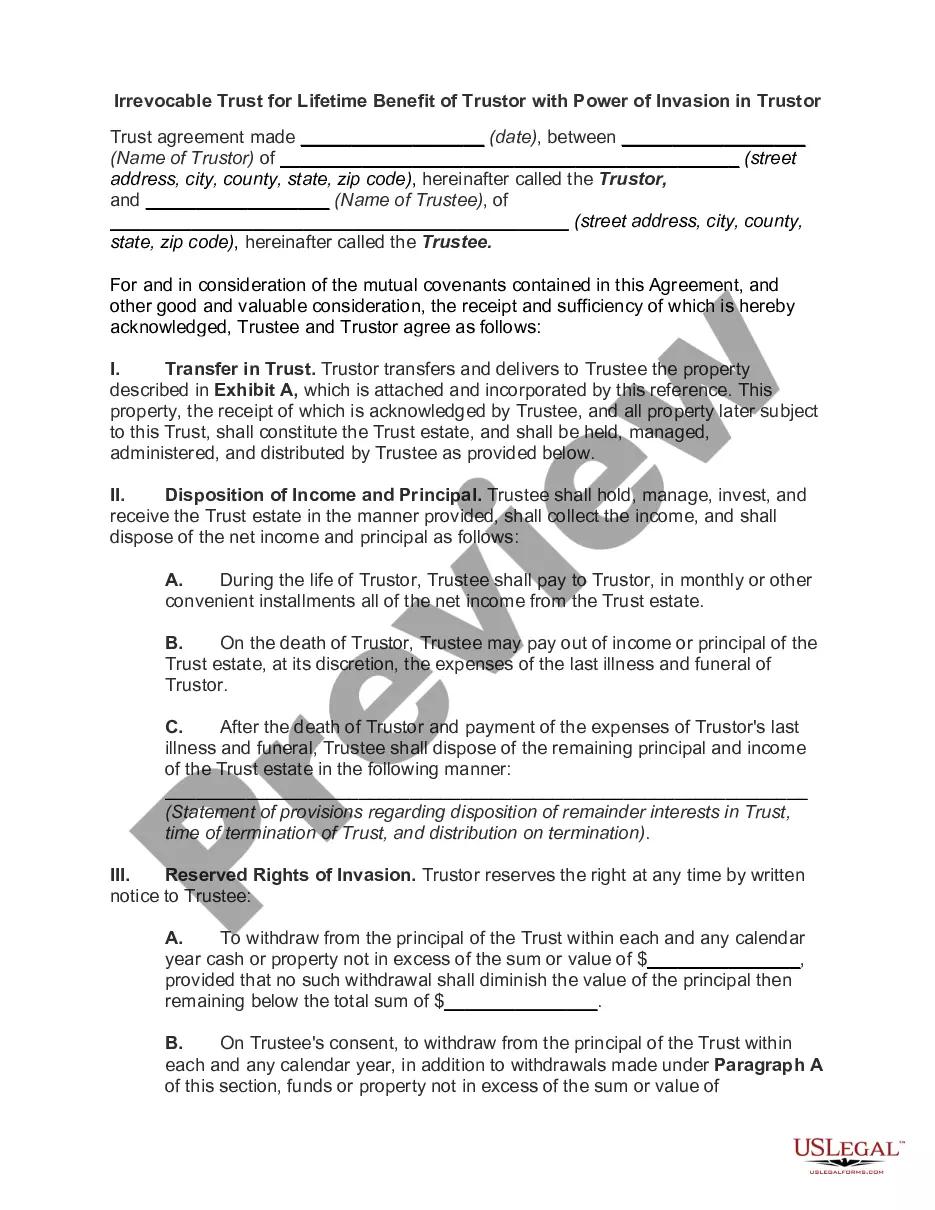
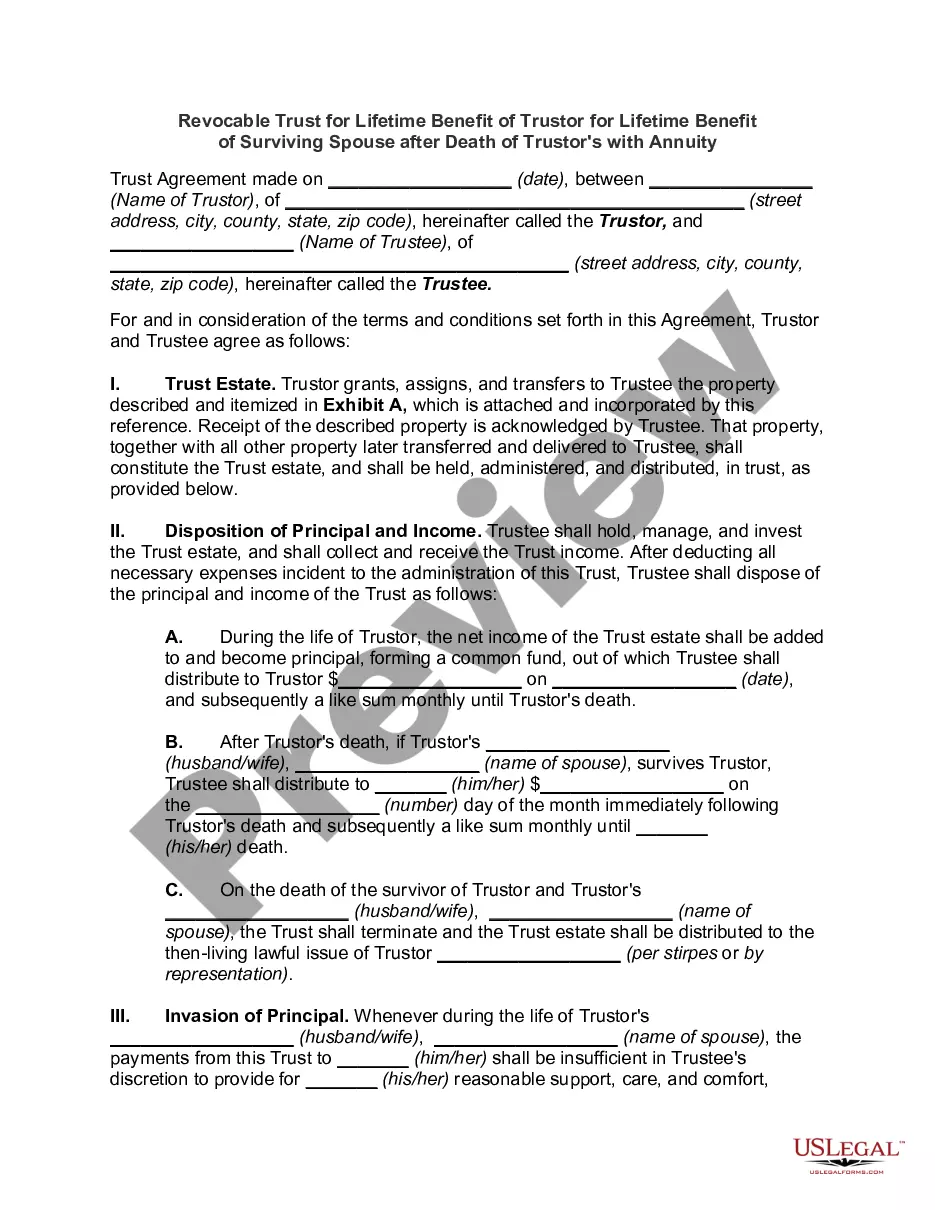
Get your form ready online
Our built-in tools help you complete, sign, share, and store your documents in one place.
Make edits, fill in missing information, and update formatting in US Legal Forms—just like you would in MS Word.
Download a copy, print it, send it by email, or mail it via USPS—whatever works best for your next step.
Sign and collect signatures with our SignNow integration. Send to multiple recipients, set reminders, and more. Go Premium to unlock E-Sign.
If this form requires notarization, complete it online through a secure video call—no need to meet a notary in person or wait for an appointment.
We protect your documents and personal data by following strict security and privacy standards.

Make edits, fill in missing information, and update formatting in US Legal Forms—just like you would in MS Word.

Download a copy, print it, send it by email, or mail it via USPS—whatever works best for your next step.

Sign and collect signatures with our SignNow integration. Send to multiple recipients, set reminders, and more. Go Premium to unlock E-Sign.

If this form requires notarization, complete it online through a secure video call—no need to meet a notary in person or wait for an appointment.

We protect your documents and personal data by following strict security and privacy standards.
Looking for another form?

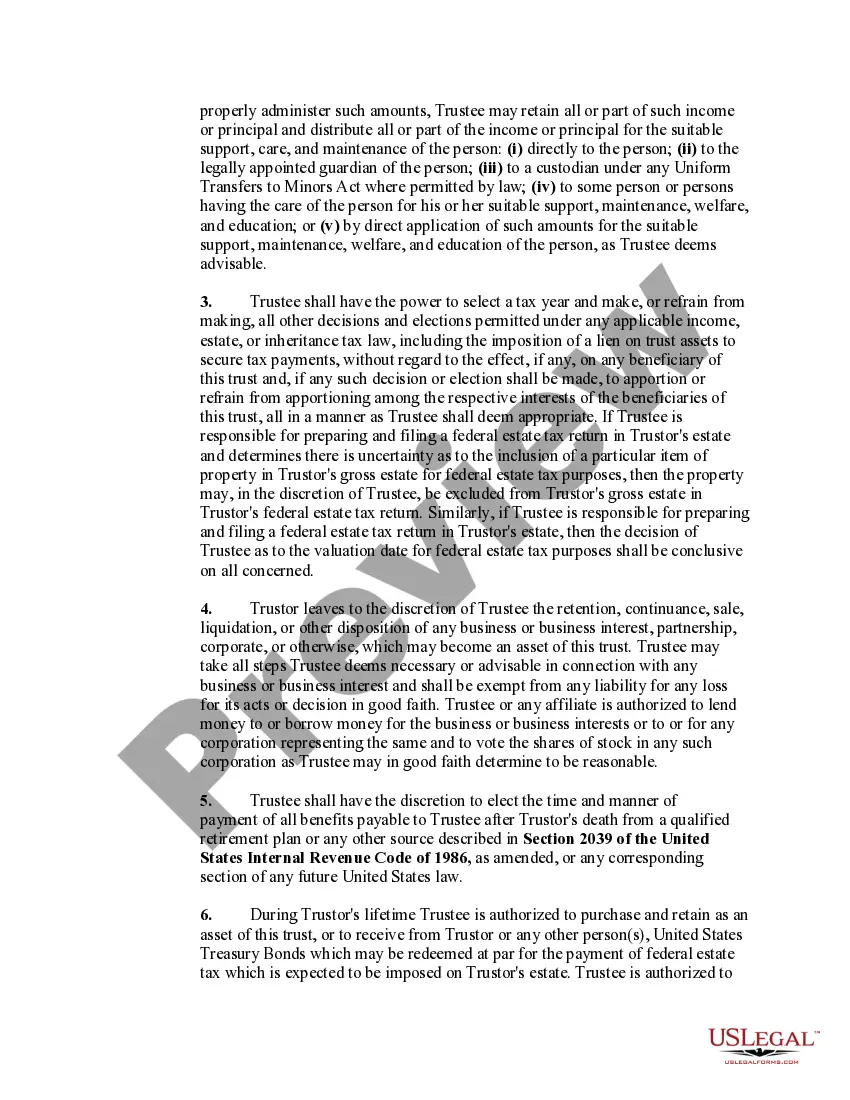
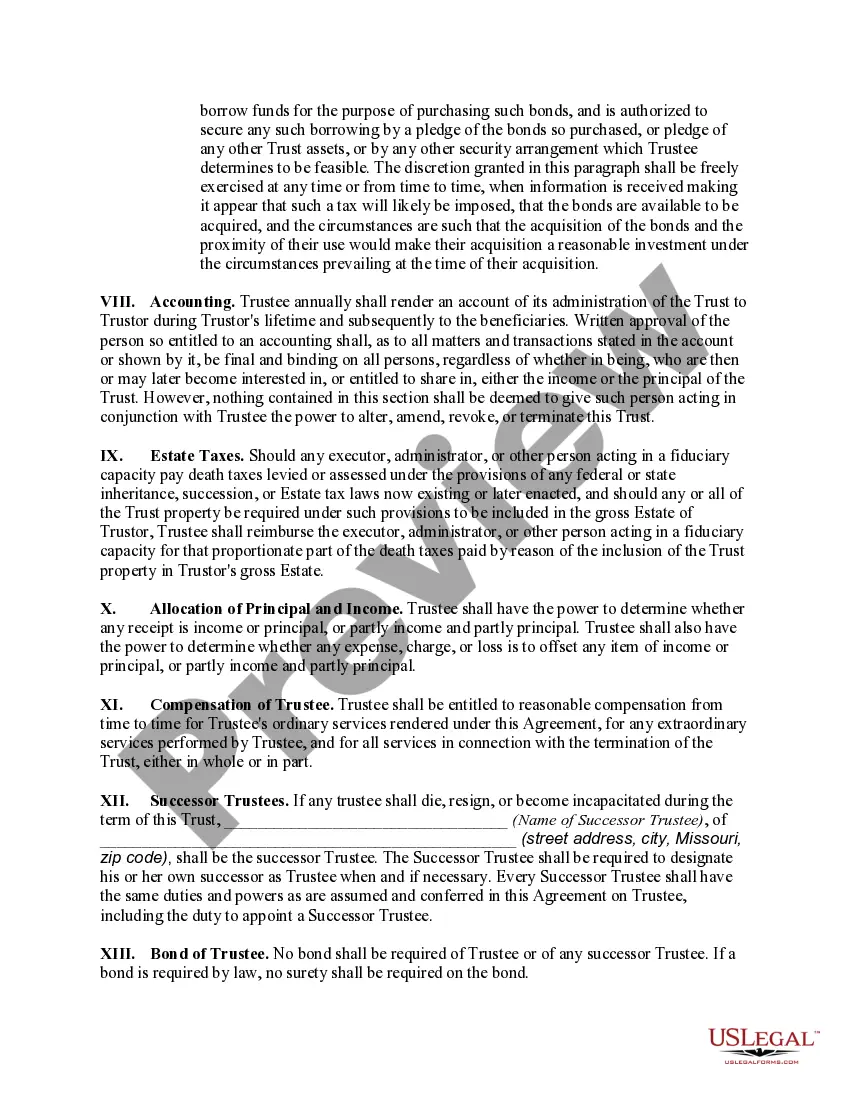
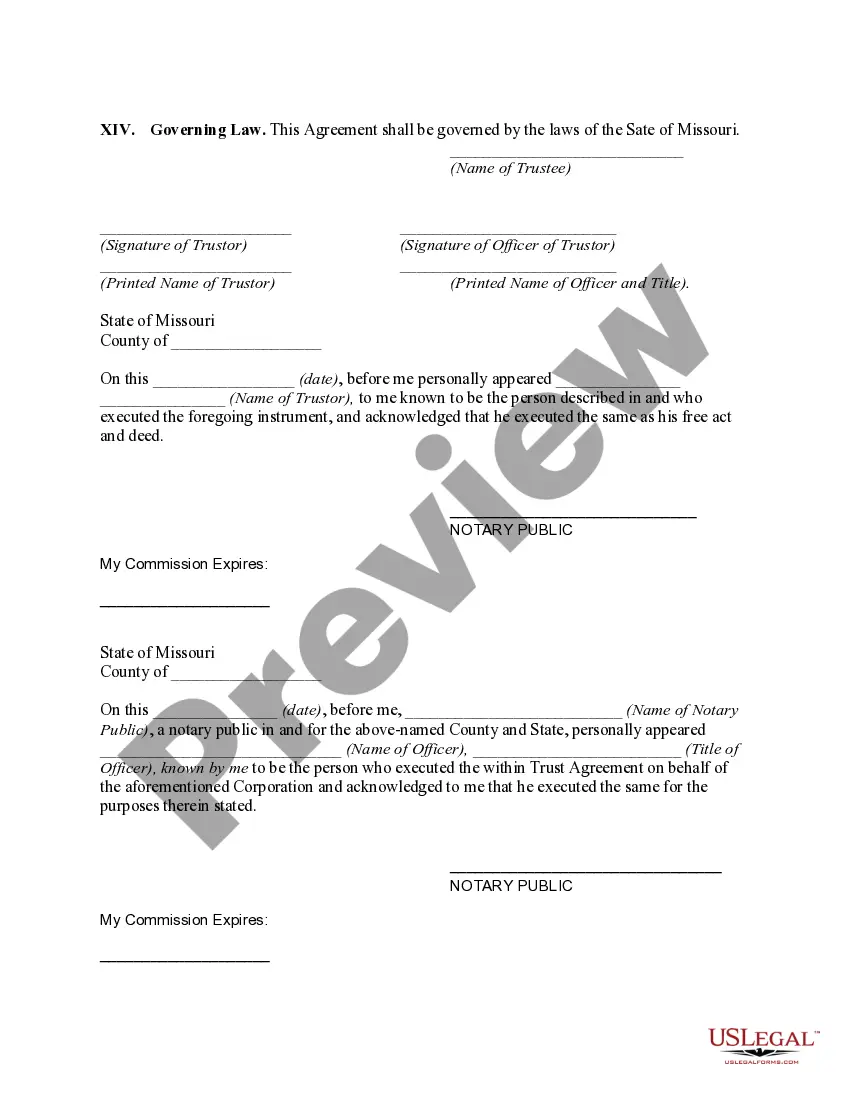
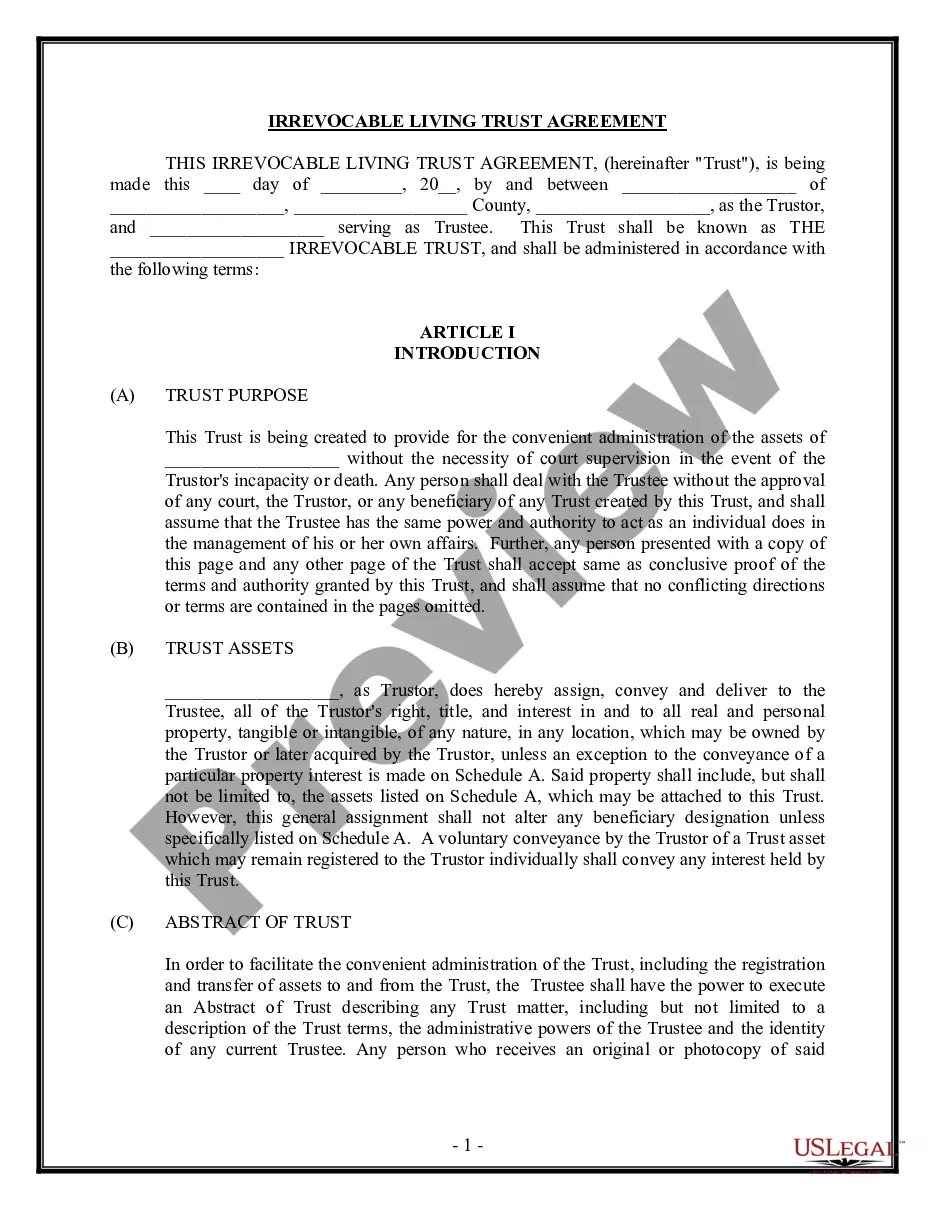
How to fill out Missouri Self-Settled Irrevocable Trust For Lifetime Benefit Of Trustor With Power Of Invasion In Trustor?
- Access your US Legal Forms account if you're a returning user. Ensure your subscription is active and click ‘Download’ to save the needed form directly to your device.
- For first-time users, begin by browsing the extensive online library. Use the Preview mode to check the form description and confirm it meets your local requirements.
- If necessary, use the Search tab to find alternative templates that better suit your needs.
- Once you've identified the correct document, hit the 'Buy Now' button to select your preferred subscription plan and create an account for access.
- Complete your purchase with credit card details or PayPal. You'll then be ready to download your form.
- After downloading, save the template on your device for easy completion. You can also find it later in the My Forms section of your profile.
In conclusion, utilizing US Legal Forms provides an efficient way to create an irrevocable trust for lottery winnings, allowing you to focus on other important aspects of your life. With access to a comprehensive library and premium expert assistance, legal documentation can be simple and straightforward.
Start your journey today and safeguard your winnings with an irrevocable trust!
Form popularity
FAQ
For lottery winners, an irrevocable trust for lottery winnings serves as an excellent legal entity. It helps maintain your privacy and provides a structured way to manage your newfound wealth. Furthermore, this trust can provide asset protection and tax benefits, making it a smart choice for long-term financial security. USLegalForms can guide you in setting up this trust to ensure you meet all legal requirements.
The best trust to claim lottery winnings is often an irrevocable trust for lottery winnings. This type of trust protects your assets from creditors and reduces your tax burden. Additionally, an irrevocable trust allows for better distribution of your winnings according to your wishes. Using a reliable platform like USLegalForms can help you establish this trust smoothly and efficiently.
Claiming lottery winnings anonymously depends on state laws, as some allow for anonymous claims while others require disclosure. If privacy is a concern, consider establishing an irrevocable trust for lottery winnings, as the trust's name can be used to claim the prize. This approach adds a layer of confidentiality, enabling you to protect your identity while still reaping the rewards of your winnings.
The best trust to set up if you win the lottery is an irrevocable trust for lottery winnings. This type of trust offers protection against creditors, while also providing tax benefits and ensuring your assets are not subjected to probate. Working with a qualified attorney can help you customize the trust to fit your needs and long-term goals.
To avoid gift tax on lottery winnings, consider placing your winnings into an irrevocable trust for lottery winnings. This strategy not only safeguards your assets, but it can also help you minimize tax implications through strategic planning. Additionally, consult a tax advisor to explore further options tailored to your situation and ensure compliance with tax laws.
The first step after winning the lottery is to remain calm and consult with a financial advisor and an attorney. They can guide you through establishing an irrevocable trust for lottery winnings, which protects your assets and reduces tax liabilities. This preparation will help you make informed decisions about claiming your prize and managing your newfound wealth.
To claim your lottery winnings with a trust, start by establishing an irrevocable trust for lottery winnings before you claim the ticket. Ensure the trust is set up properly with the help of an attorney who specializes in trusts. Once established, you can claim the winnings in the name of the trust, which provides additional privacy and protection for your funds.
The best type of account for lottery winnings is typically a trust account, specifically an irrevocable trust for lottery winnings. This setup allows you to manage your funds while protecting them from creditors and minimizing estate taxes. By placing your winnings in an irrevocable trust, you also ensure that your financial future remains secure and organized.
An irrevocable trust is often considered the best option for lottery winnings due to its ability to protect assets from creditors and provide structured distributions. This type of trust avoids probate and offers peace of mind regarding the management of your wealth. Utilizing a service like USLegalForms can help set up this trust efficiently, ensuring your assets are well-protected.
If you win $1 million, the IRS typically withholds 24% right away for federal taxes. Depending on your tax bracket, you may owe more at tax time. Establishing an irrevocable trust for lottery winnings can help manage tax burdens effectively, allowing for a strategic approach and possibly reducing your taxable income.