Transfer On Death Deed For House
Description
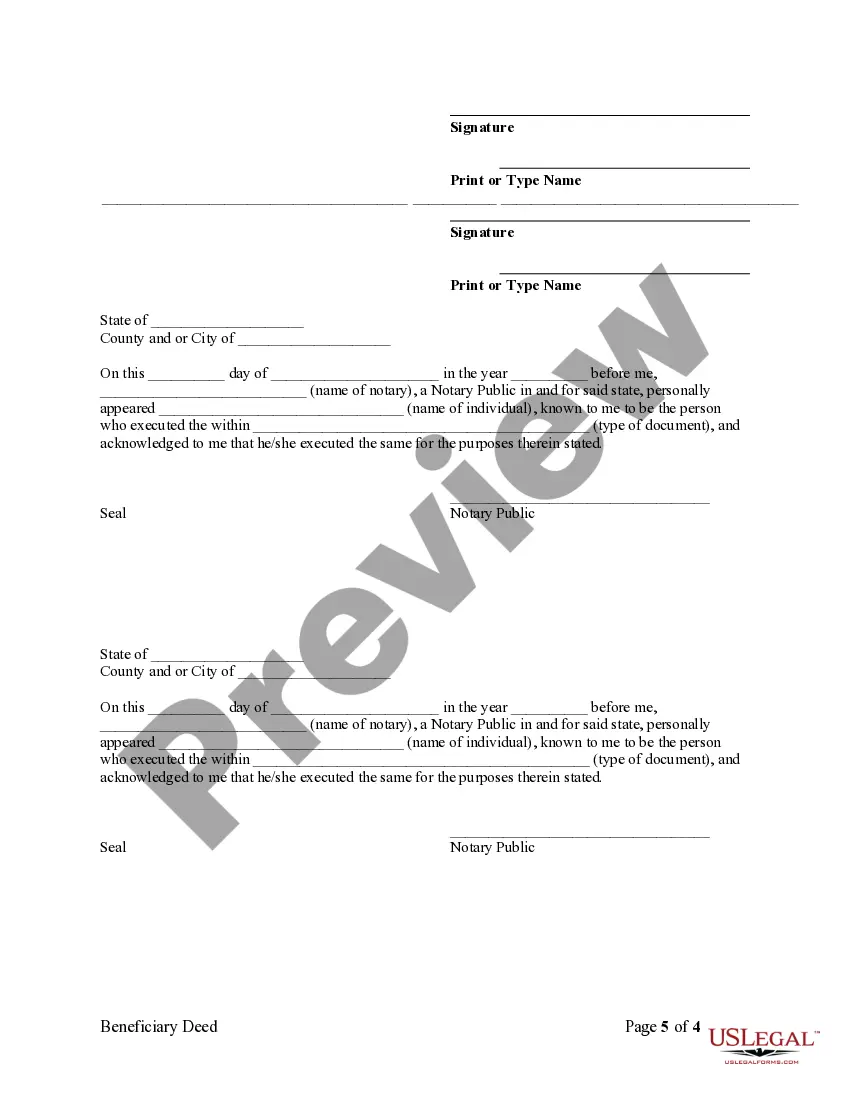
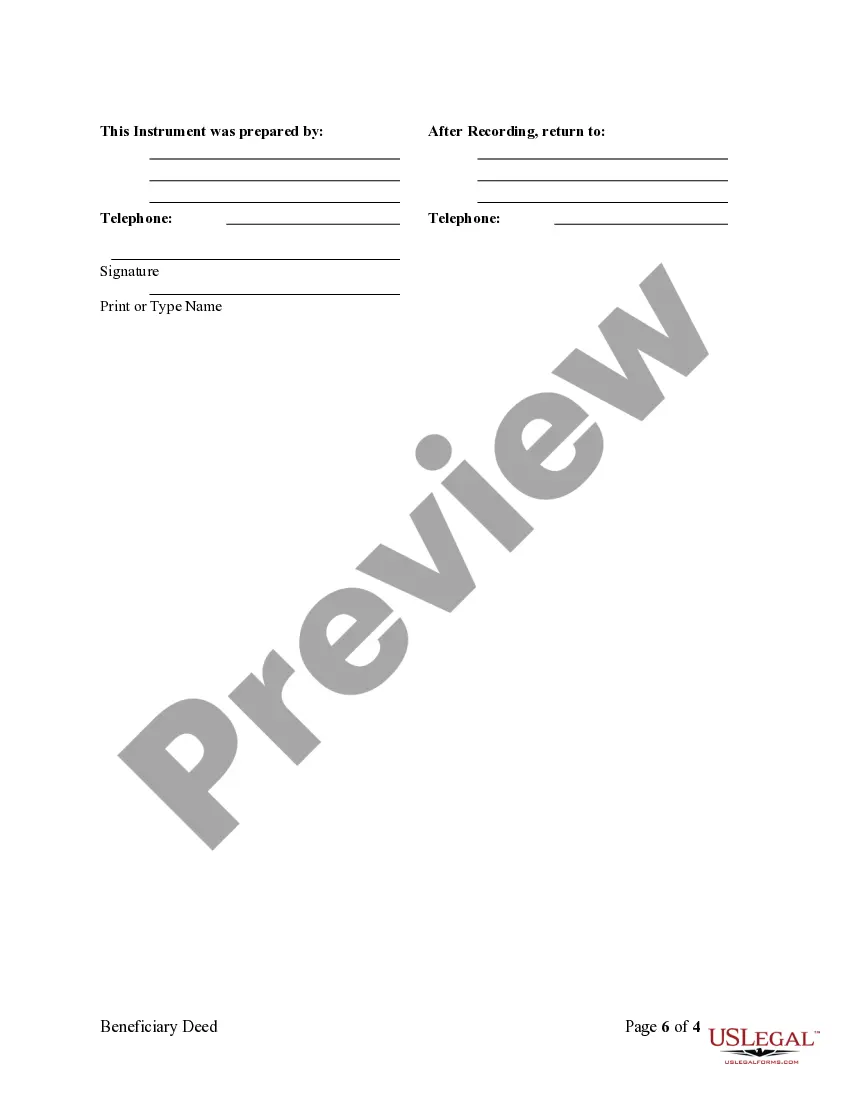

Get your form ready online
Our built-in tools help you complete, sign, share, and store your documents in one place.
Make edits, fill in missing information, and update formatting in US Legal Forms—just like you would in MS Word.
Download a copy, print it, send it by email, or mail it via USPS—whatever works best for your next step.
Sign and collect signatures with our SignNow integration. Send to multiple recipients, set reminders, and more. Go Premium to unlock E-Sign.
If this form requires notarization, complete it online through a secure video call—no need to meet a notary in person or wait for an appointment.
We protect your documents and personal data by following strict security and privacy standards.

Make edits, fill in missing information, and update formatting in US Legal Forms—just like you would in MS Word.

Download a copy, print it, send it by email, or mail it via USPS—whatever works best for your next step.

Sign and collect signatures with our SignNow integration. Send to multiple recipients, set reminders, and more. Go Premium to unlock E-Sign.

If this form requires notarization, complete it online through a secure video call—no need to meet a notary in person or wait for an appointment.

We protect your documents and personal data by following strict security and privacy standards.
Looking for another form?







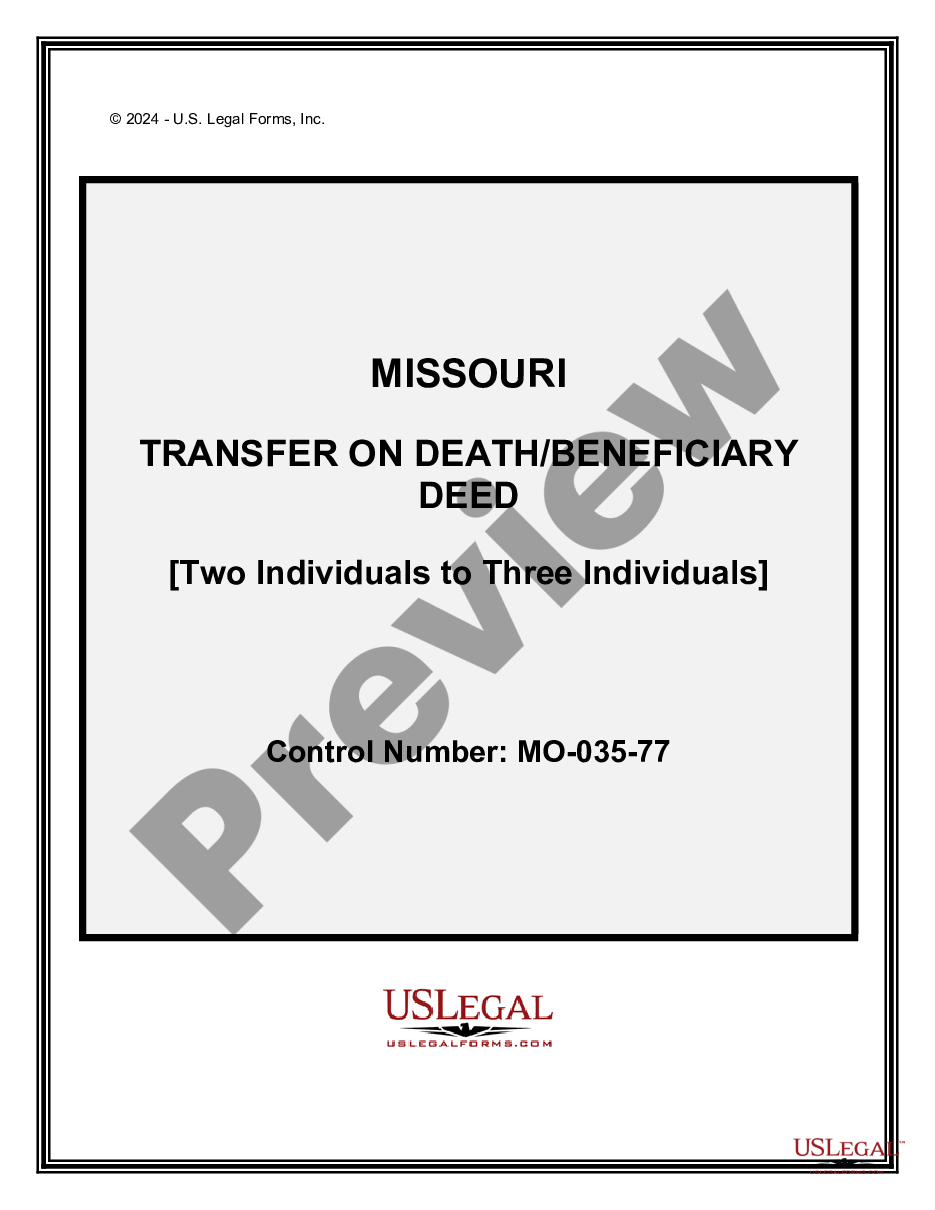
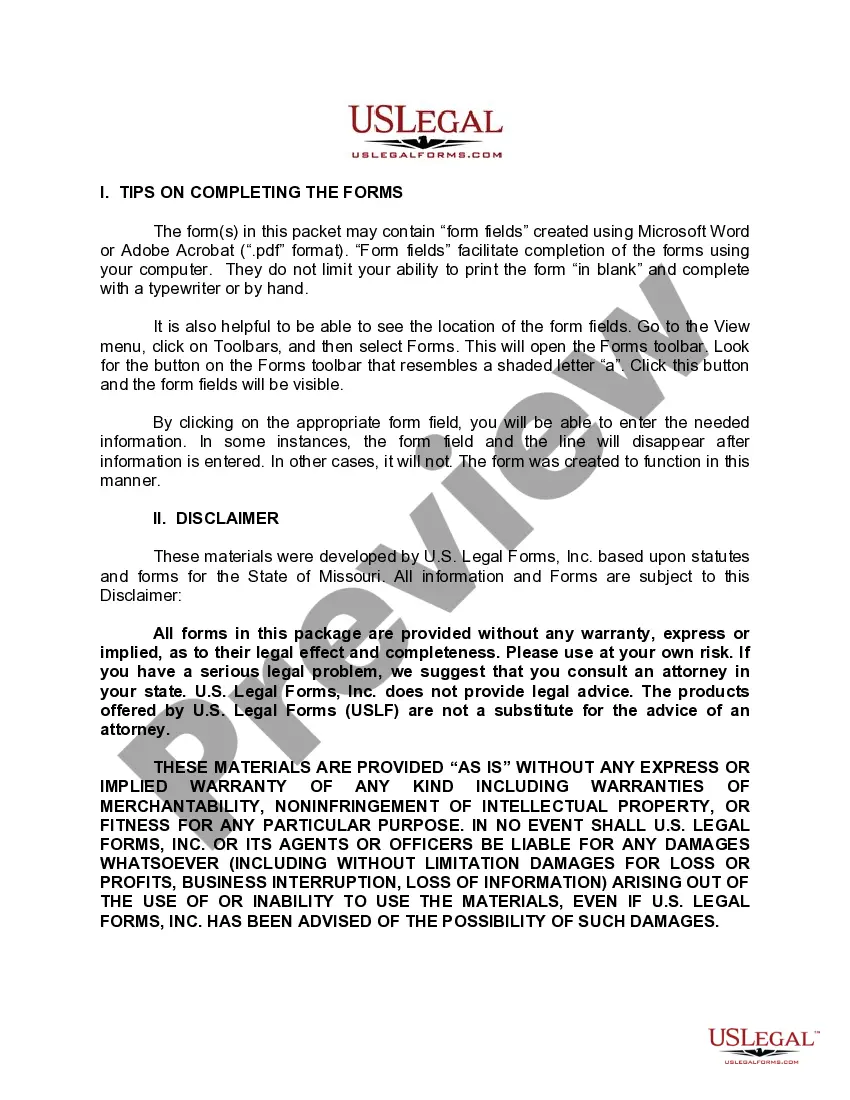
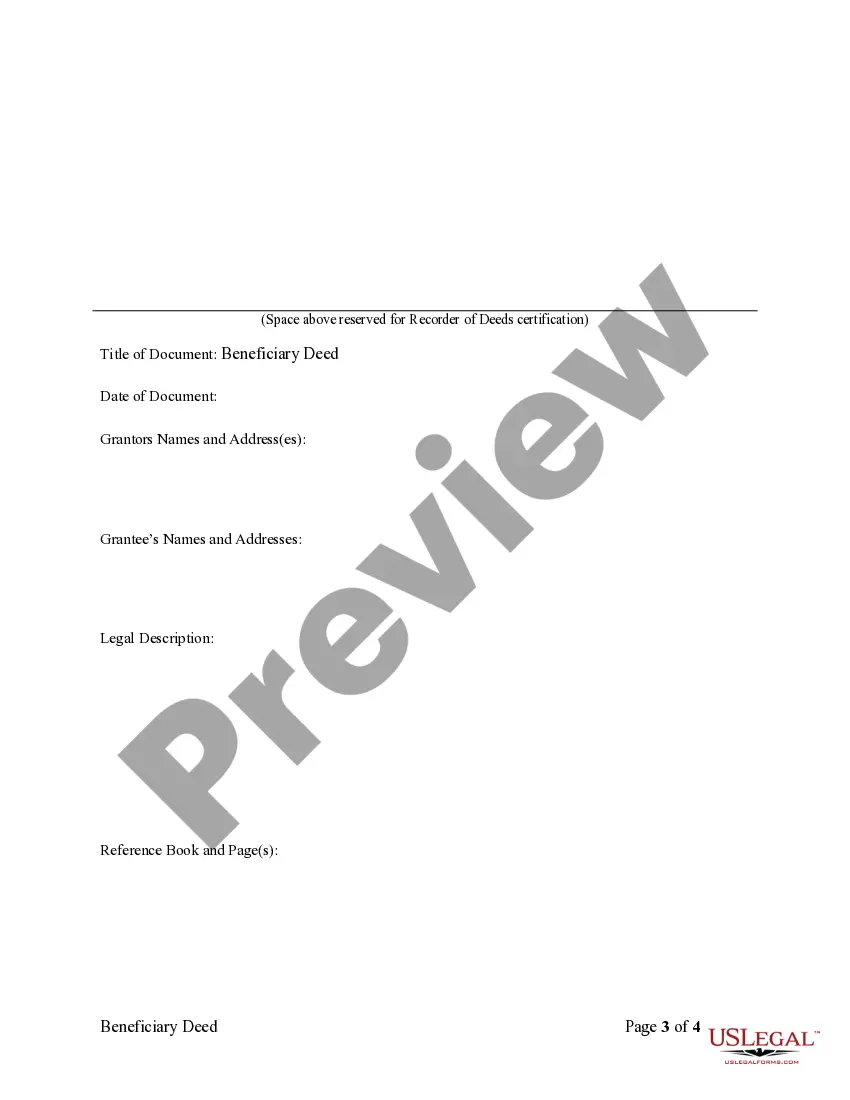
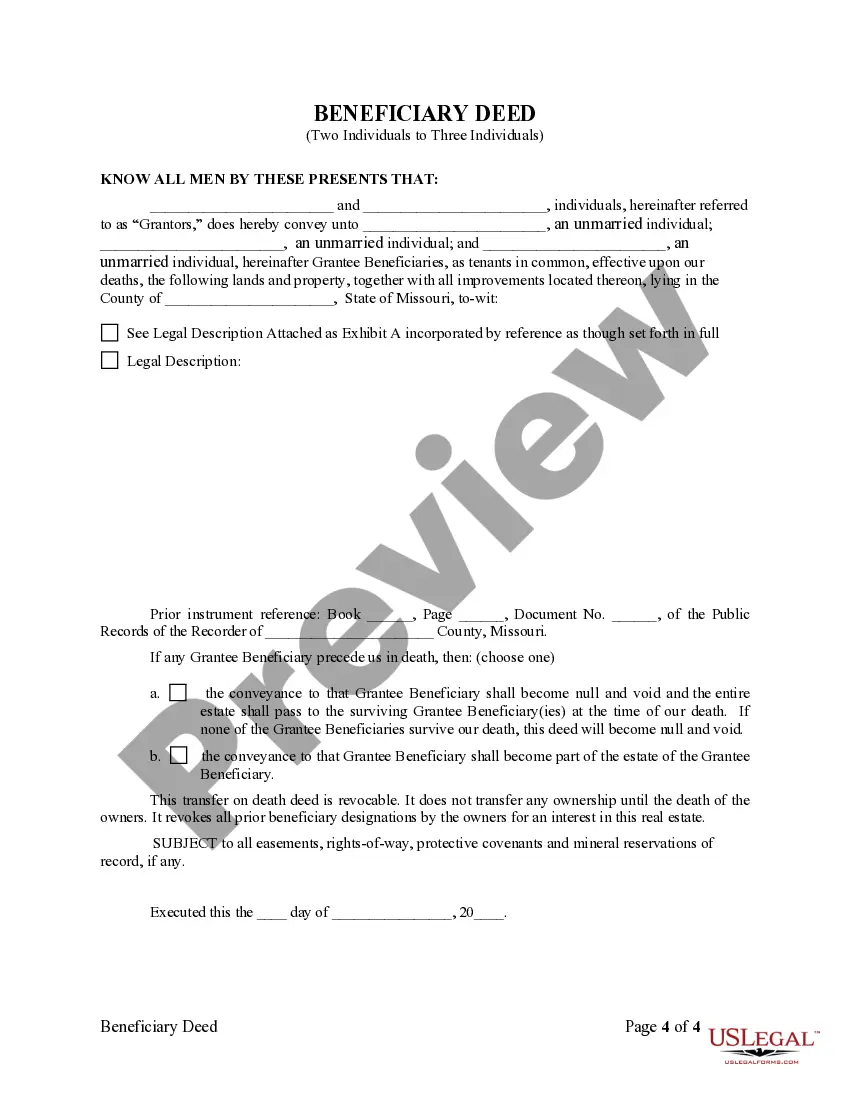
How to fill out Missouri Beneficiary Deed Or TOD - Transfer On Death Deed From Two Individuals To Three Individuals?
- Log in to your US Legal Forms account if you're a returning user. Ensure your subscription is active; renew it if necessary.
- For first-time users, start by previewing the form and reading its description to confirm it meets your local jurisdiction requirements.
- If adjustments are necessary, use the search feature to find a different template that fits your needs.
- Purchase the document by clicking on the 'Buy Now' button. Choose your preferred subscription plan and create an account to access the library.
- Complete your purchase using credit card details or via your PayPal account.
- Download the completed form to your device, allowing easy access later through the 'My Forms' section of your profile.
By following these steps, you can efficiently acquire a Transfer on Death Deed for your house through US Legal Forms, ensuring that your wishes are honored without unnecessary legal hurdles.
Take charge of your estate planning today. Start using US Legal Forms to secure your legal documents with confidence!
Form popularity
FAQ
Yes, Florida permits the use of a transfer on death deed for a house, allowing property owners to transfer real estate to beneficiaries without the need for probate. This simplifies the process and ensures that your heirs receive the property quickly and efficiently. Make sure to follow the state's specific guidelines when creating a TOD deed. The US Legal Forms platform offers resources to assist you in creating a legally compliant transfer on death deed in Florida.
A transfer on death deed for a house does not automatically avoid inheritance tax, as this often depends on state laws and individual financial situations. While some states may have beneficial tax provisions regarding TODs, others might not. It is wise to consult with a tax professional or legal advisor to understand potential implications. Resources available through US Legal Forms can guide you in navigating the complexities of inheritance tax related to property transfers.
States like Arizona, Nevada, and Washington are among those that recognize transfers on death deeds for real property. Each of these states has enacted laws to facilitate such transactions in a simple and straightforward manner. It's crucial to be aware of the specifics related to your state to ensure the deed is valid and effective. The US Legal Forms platform can provide tailored information and necessary documentation based on your location.
The transfer on death deed for a house is often considered one of the most efficient methods to leave property to your heirs. This approach allows you to retain control of the property during your lifetime while ensuring a smooth transfer after your passing. Other methods, like wills or living trusts, may involve more complexities and potential delays. To learn more about the benefits of a transfer on death deed, you may want to explore resources on the US Legal Forms platform.
Several states in the U.S. permit a transfer on death deed for a house, including California, Texas, and Illinois, among others. Each state has specific rules governing how these deeds can be executed and recognized. It is essential to consult local laws or a legal expert to ensure compliance. The US Legal Forms website offers guides and state-specific forms to simplify this process.
While it’s not legally required to hire a lawyer for a transfer on death deed for house, consulting one can be beneficial. Legal professionals can ensure the deed is correctly drafted and recorded, minimizing the risk of future complications. Additionally, they can provide advice tailored to your specific situation, making sure your estate plan aligns with your goals. Platforms like US Legal Forms can offer valuable resources to assist you as well.
Yes, Minnesota does allow a transfer on death deed for house transactions. This legal instrument offers an efficient way to pass property to a chosen beneficiary without the need for probate. By recording the deed prior to passing, you ensure your wishes are honored and can significantly simplify the transfer process for your heirs. Understanding local law is crucial, and resources like US Legal Forms can assist you in navigating this process.
While a transfer on death deed for house offers many benefits, it also has some disadvantages. One potential drawback is that it does not protect the property from creditors or other claims. Additionally, if the beneficiary predeceases the owner, the deed might need to be updated. It’s important to carefully weigh these factors and consider your unique circumstances.
When considering a transfer on death deed for house versus naming a beneficiary for other assets, the context matters. A transfer on death deed allows for direct property transfer upon death, minimizing delays and avoiding probate. Conversely, naming a beneficiary for other assets ensures they receive those assets directly, also avoiding probate. Balancing both strategies can provide a comprehensive estate plan.
Deciding between a transfer on death deed for house and a quit claim deed depends on your situation. A transfer on death deed provides an easy way to transfer property automatically at death without the challenges of probate, while a quit claim deed transfers current ownership and may expose the new owner to potential claims. It’s essential to assess your goals and perhaps consult with professionals to determine which option suits your needs better.