Judicial Complaint
Description

Get your form ready online
Our built-in tools help you complete, sign, share, and store your documents in one place.
Make edits, fill in missing information, and update formatting in US Legal Forms—just like you would in MS Word.
Download a copy, print it, send it by email, or mail it via USPS—whatever works best for your next step.
Sign and collect signatures with our SignNow integration. Send to multiple recipients, set reminders, and more. Go Premium to unlock E-Sign.
If this form requires notarization, complete it online through a secure video call—no need to meet a notary in person or wait for an appointment.
We protect your documents and personal data by following strict security and privacy standards.

Make edits, fill in missing information, and update formatting in US Legal Forms—just like you would in MS Word.

Download a copy, print it, send it by email, or mail it via USPS—whatever works best for your next step.

Sign and collect signatures with our SignNow integration. Send to multiple recipients, set reminders, and more. Go Premium to unlock E-Sign.

If this form requires notarization, complete it online through a secure video call—no need to meet a notary in person or wait for an appointment.

We protect your documents and personal data by following strict security and privacy standards.
Looking for another form?
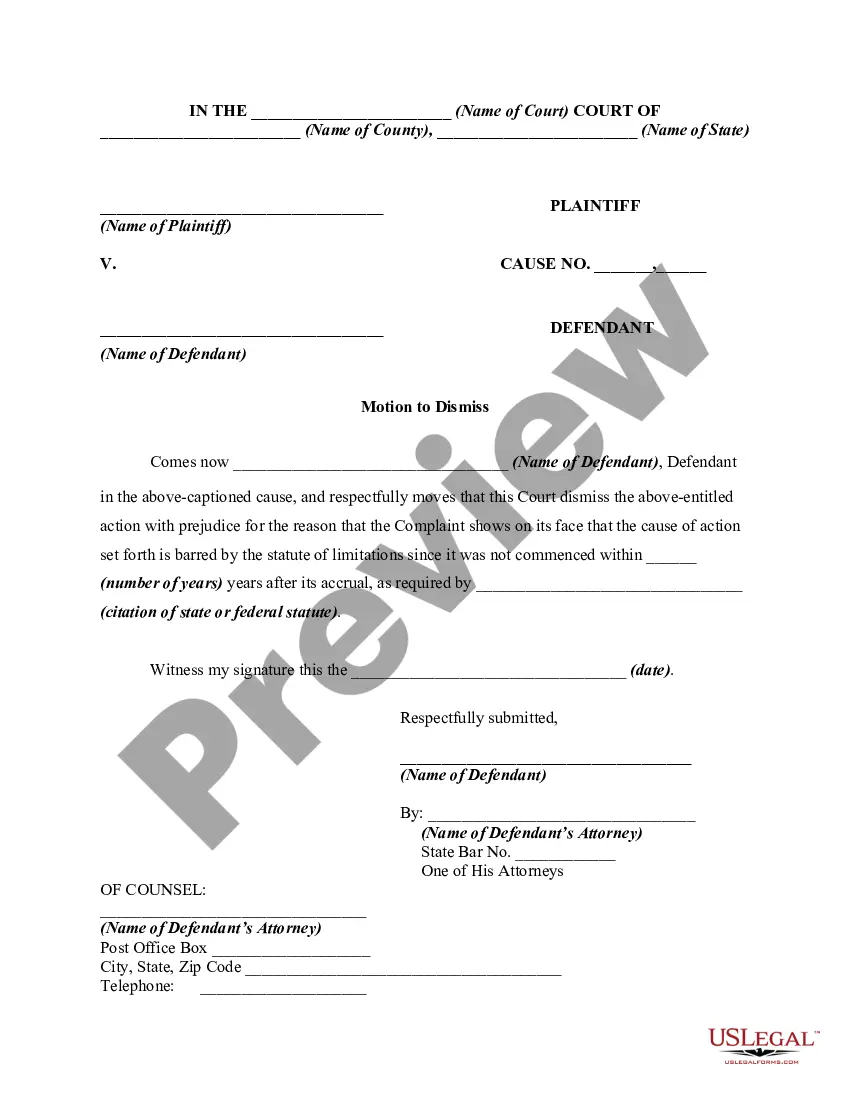
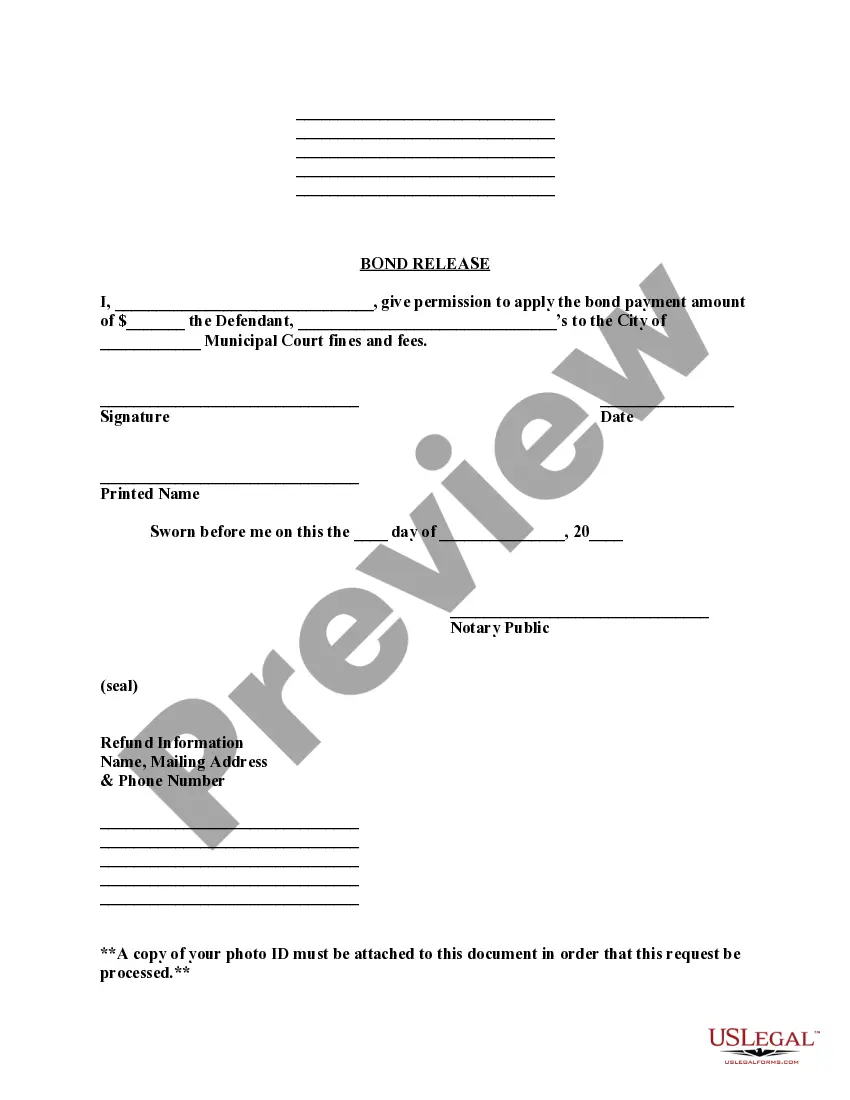
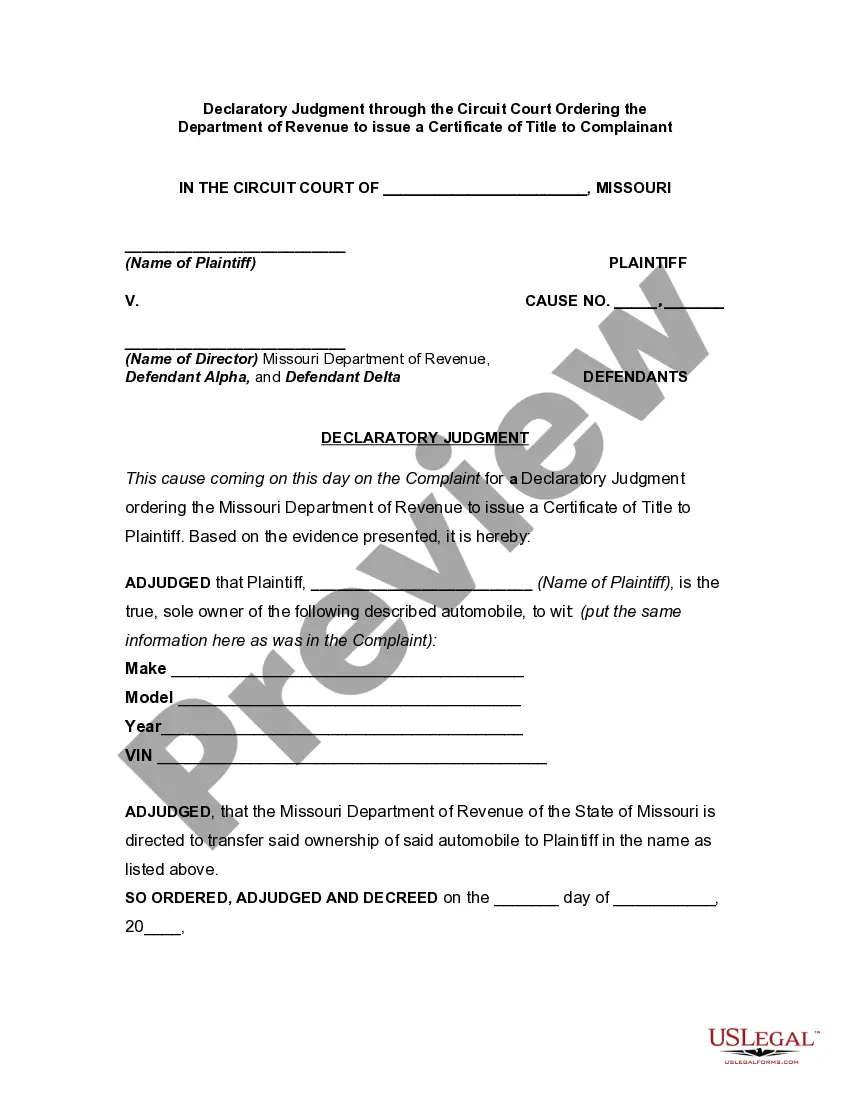
How to fill out Missouri Declaratory Judgment Through The Circuit Court Ordering The Department Of Revenue To Issue A Certificate Of Title To Complainant?
- Start by reviewing your existing account with US Legal Forms. If you have previously registered, simply log in to your account and verify your subscription status before downloading the necessary form.
- If you’re a new user, begin by browsing the extensive online library. Use the Preview mode to familiarize yourself with the form’s details and requirements specific to your jurisdiction.
- Should you need a different form, utilize the Search tab to find the appropriate template that fits your situation.
- Once you’ve identified the correct form, click on the Buy Now button and select the subscription plan that best suits your needs. You'll need to create an account to have full access to the library.
- Complete your purchase by entering your payment details through credit card or PayPal.
- Finally, download your completed form and save it to your device. You can also revisit it in the My Forms section of your profile whenever necessary.
Using US Legal Forms offers numerous benefits, including a robust collection of documents, expert assistance for form completion, and a user-friendly interface that simplifies legal processes.
Start your journey toward filing a judicial complaint today! Explore US Legal Forms and empower yourself with the right legal tools.
Form popularity
FAQ
Filing a complaint in court means that you are formally requesting judicial intervention to resolve a dispute. This document outlines your grievances, the parties involved, and the relief you are seeking. It initiates the legal process and informs the court of your intention to pursue a case. The US Legal Forms platform can assist you by offering resources to effectively draft and file your judicial complaint.
Filing a judicial complaint in Texas involves several steps. First, you need to gather all relevant documents and evidence that support your claim. Next, you will file your complaint with the State Commission on Judicial Conduct, ensuring that you meet all guidelines. You can simplify this process with the help of the US Legal Forms platform, which provides templates and guidance for judicial complaints.
Judicial misconduct can take various forms, including bias, improper conduct in court, failure to follow the law, and misuse of judicial authority. Each type can severely undermine the integrity of the judicial system. If you encounter any of these issues, filing a judicial complaint is a necessary step to address the misconduct. USLegalForms provides resources to help you navigate the complaint process effectively.
In New York, the Commission on Judicial Conduct is responsible for investigating complaints against judges, including allegations of corruption. When you suspect a judge of misconduct, you can file a judicial complaint with this commission. They will review the complaint, gather evidence, and decide if formal disciplinary action is needed. It's important to have a clear understanding of the process to effectively communicate your concerns.
Dealing with an unfair judge can be challenging, but it's crucial to stay calm and focused. You can file a judicial complaint through the appropriate channels in your state, outlining the judge's unfair behavior and providing evidence. This process helps ensure that your concerns are documented and reviewed. Additionally, consider seeking advice from a legal professional who understands the nuances of judicial complaints.
To write a judicial complaint to a judge, start by clearly stating your intent in the opening paragraph. Be concise and include relevant details about your case, the specific issues you are addressing, and any evidence to support your claims. It is essential to maintain a respectful tone throughout the letter, as this reflects your understanding of the judicial process. If you need assistance, consider using USLegalForms, where you can find templates and guidance for crafting effective judicial complaints.
Suing a judge for emotional distress is generally not permissible due to judicial immunity. This legal protection shields judges from lawsuits arising from their official duties, including decisions that may cause emotional harm. Instead of seeking monetary compensation, consider filing a judicial complaint against the judge to address the behavior that led to your distress. It is important to consult with a legal professional to explore your options and receive guidance.
In Alabama, the Alabama Judicial Inquiry Commission is the body responsible for investigating allegations of judicial misconduct. If you believe a judge is corrupt, you can submit a judicial complaint to this commission for review. The commission evaluates the evidence and determines if further action is warranted. Ensuring that judges maintain ethical standards is essential for upholding justice in the state.
Unethical behavior for a judge can include bias in decision-making, failure to disclose conflicts of interest, or engaging in inappropriate relationships with litigants or attorneys. Such actions undermine the trust and integrity of the judicial system. If you observe any of these issues, filing a judicial complaint may be necessary to address the behavior. Maintaining the ethical standards of judges is crucial for a fair legal process.
Filing a complaint in court is the formal process of starting a legal action against an individual or entity. A judicial complaint specifically targets alleged misconduct by a judge and seeks remedies such as disciplinary action. This involves drafting a document that outlines your grievances and filing it with the appropriate court or judicial oversight body. Understanding this process can empower individuals to seek accountability in the judicial system.