Living Trust Form Sample For A Foreigner
Description
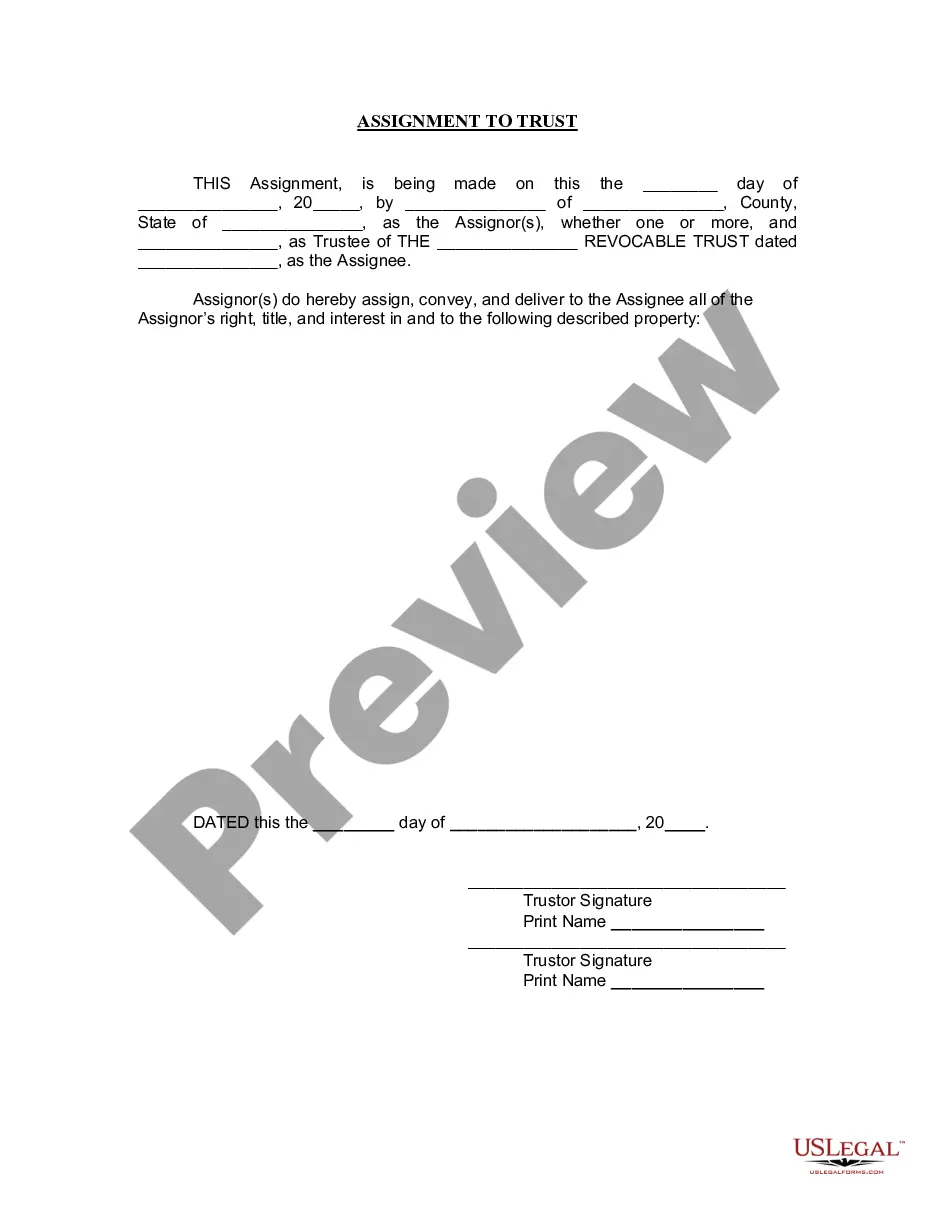
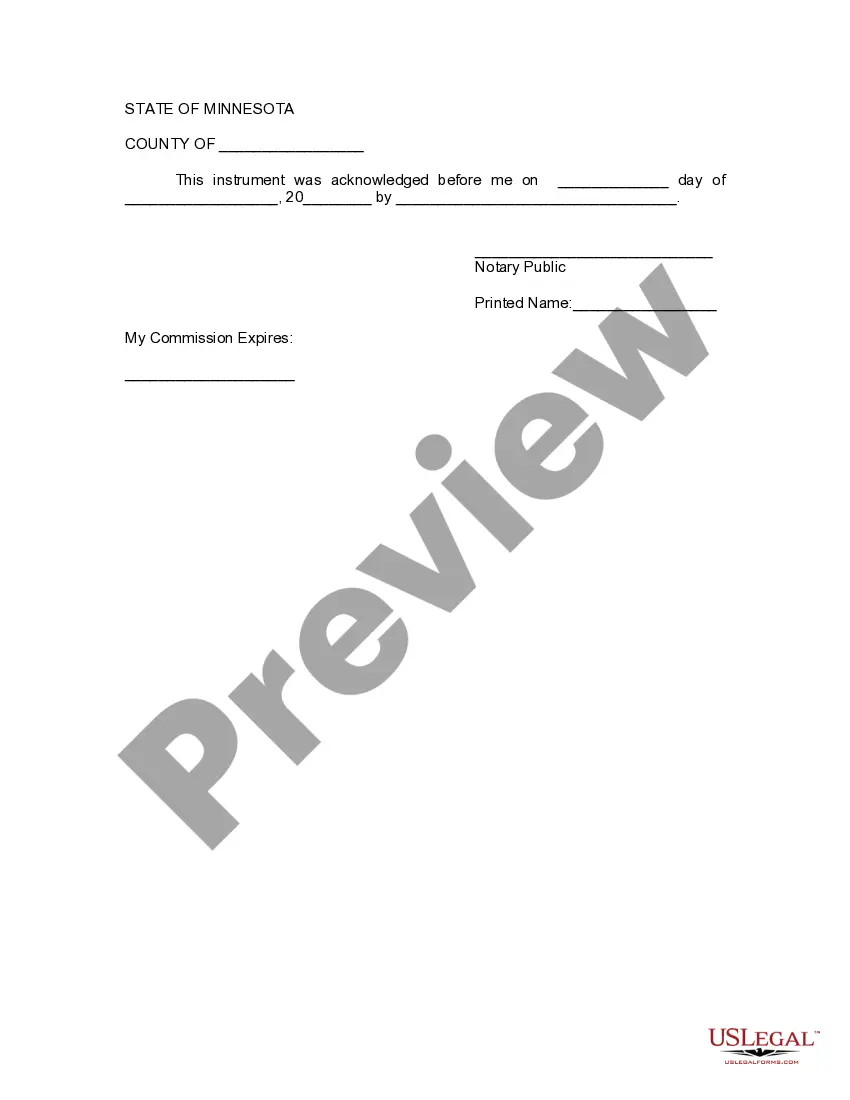
Get your form ready online
Our built-in tools help you complete, sign, share, and store your documents in one place.
Make edits, fill in missing information, and update formatting in US Legal Forms—just like you would in MS Word.
Download a copy, print it, send it by email, or mail it via USPS—whatever works best for your next step.
Sign and collect signatures with our SignNow integration. Send to multiple recipients, set reminders, and more. Go Premium to unlock E-Sign.
If this form requires notarization, complete it online through a secure video call—no need to meet a notary in person or wait for an appointment.
We protect your documents and personal data by following strict security and privacy standards.

Make edits, fill in missing information, and update formatting in US Legal Forms—just like you would in MS Word.

Download a copy, print it, send it by email, or mail it via USPS—whatever works best for your next step.

Sign and collect signatures with our SignNow integration. Send to multiple recipients, set reminders, and more. Go Premium to unlock E-Sign.

If this form requires notarization, complete it online through a secure video call—no need to meet a notary in person or wait for an appointment.

We protect your documents and personal data by following strict security and privacy standards.
Looking for another form?




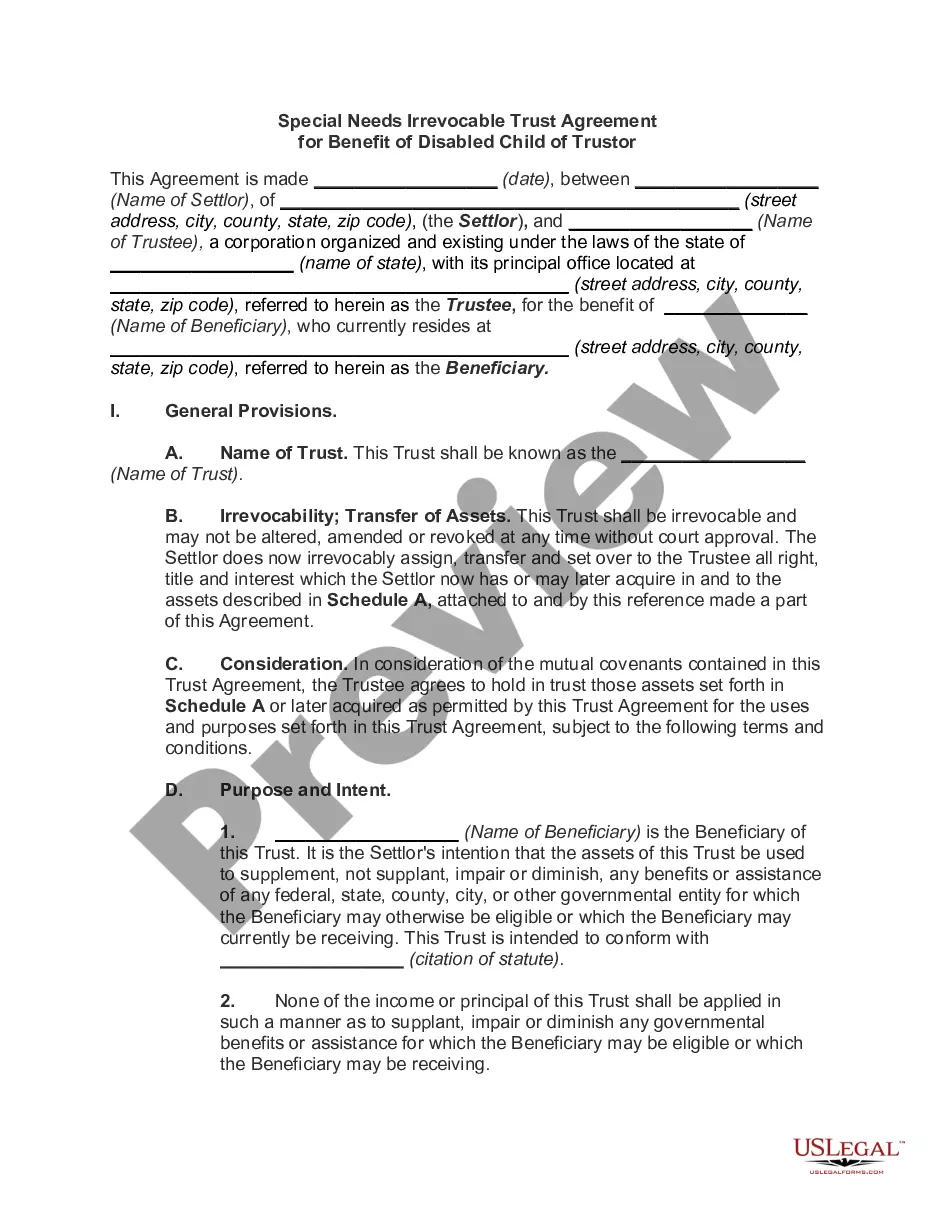
How to fill out Minnesota Assignment To Living Trust?
- Log into your US Legal Forms account if you're a returning user. Make sure your subscription is active to access the necessary documents.
- If you are new to the service, start by reviewing the form descriptions and preview modes to ensure you choose the correct living trust form that aligns with your jurisdiction's requirements.
- If you require a different template, utilize the Search tab to find the most suitable form for your needs.
- Select the desired document by clicking the Buy Now button and choose your preferred subscription plan. Remember to create an account to unlock full access.
- Complete your purchase by entering your payment details or by using your PayPal account.
- Download the form to your device, allowing you to complete and access your document anytime from the My Forms menu in your profile.
In conclusion, US Legal Forms offers a streamlined experience for obtaining legally sound documents, catering specifically to users who may face additional challenges as foreigners. With over 85,000 forms available, you can easily find what you need.
Don't hesitate—visit US Legal Forms today to simplify your legal documentation process!
Form popularity
FAQ
One downside to a living trust is that it may not provide tax benefits like some other estate planning tools. Additionally, setting up a trust can require legal fees and ongoing administrative costs. However, when used correctly, a living trust form sample for a foreigner can simplify the process and provide peace of mind regarding asset management in the future.
U.S. citizen can indeed create a living trust, offering significant advantages in estate planning. Many foreigners find living trusts helpful for managing properties and assets in the U.S. When creating your trust, refer to a living trust form sample for a foreigner to ensure you cover all necessary elements and comply with relevant laws.
Yes, non-U.S. citizens can set up a trust in the United States. This allows them to manage their assets and ensure their loved ones benefit from these assets as intended. To easily navigate this process, using a living trust form sample for a foreigner can provide clarity and assistance in completing the trust documentation.
Yes, a foreign person can certainly be a beneficiary of a trust set up in the United States. This is a common practice, allowing individuals worldwide to receive benefits from U.S.-based trust funds. If you’re considering this, utilizing a living trust form sample for a foreigner can help ensure compliance with all relevant laws and regulations.
One significant mistake parents make is not clearly defining their intentions and goals when setting up a trust fund. Without a clear understanding of how the trust should operate, beneficiaries may not receive the intended benefits. Parents should use a living trust form sample for a foreigner to ensure their trusts are set up properly, addressing specific needs and cultural considerations.
Deciding whether your parents should put their assets in a trust depends on their financial needs and goals. A trust can provide asset protection and ensure controlled distribution, which could be beneficial for their situation. To explore this option effectively, a living trust form sample for a foreigner can serve as a valuable resource, guiding them in the process.
One of the main downfalls of having a trust is that it requires careful ongoing management to ensure that it reflects your wishes. If changes aren't documented properly, the trust may not function as intended, leading to issues for beneficiaries. Using a living trust form sample for a foreigner can help simplify the process of managing and updating your trust.
Putting assets in a trust can limit your immediate access to those assets, as they are legally owned by the trust. This arrangement may also involve complex tax implications, depending on your situation. However, utilizing a living trust form sample for a foreigner can guide you through these potential challenges.
A family trust may come with some disadvantages, such as initial setup costs and ongoing administrative responsibilities. Additionally, if not properly managed, the trust can lead to family disputes or misunderstandings regarding the distribution of assets. You can consider using a living trust form sample for a foreigner to help streamline this process and clarify terms.
Reporting a foreign trust involves completing specific tax forms, primarily IRS Form 3520 and Form 3520-A. These forms require detailed information about the trust, including its details and distributions made to you, if applicable. For a streamlined approach, you might want to explore a living trust form sample for a foreigner available on USLegalForms, which can help clarify your obligations and simplify the reporting process.