Trust Account For Real Estate
Description
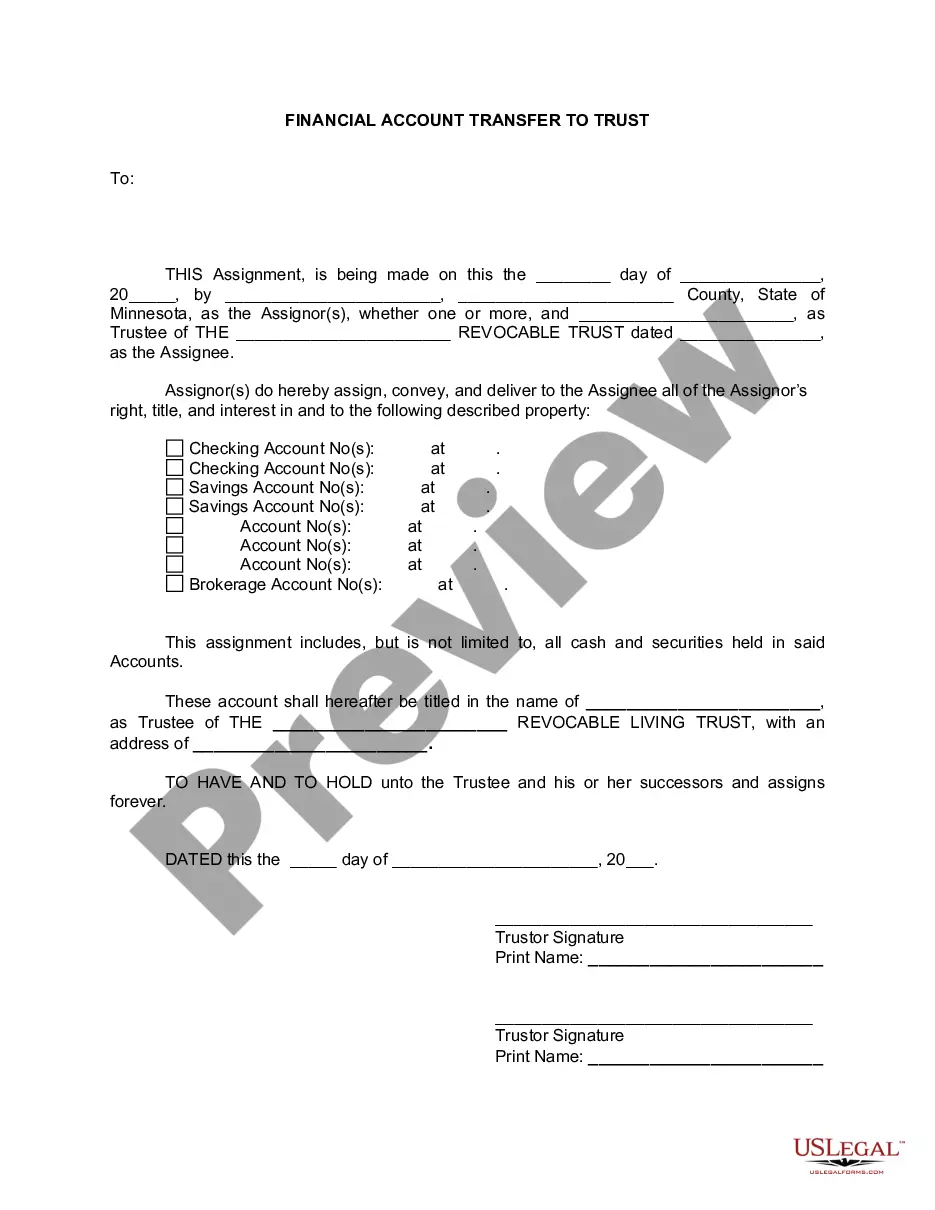
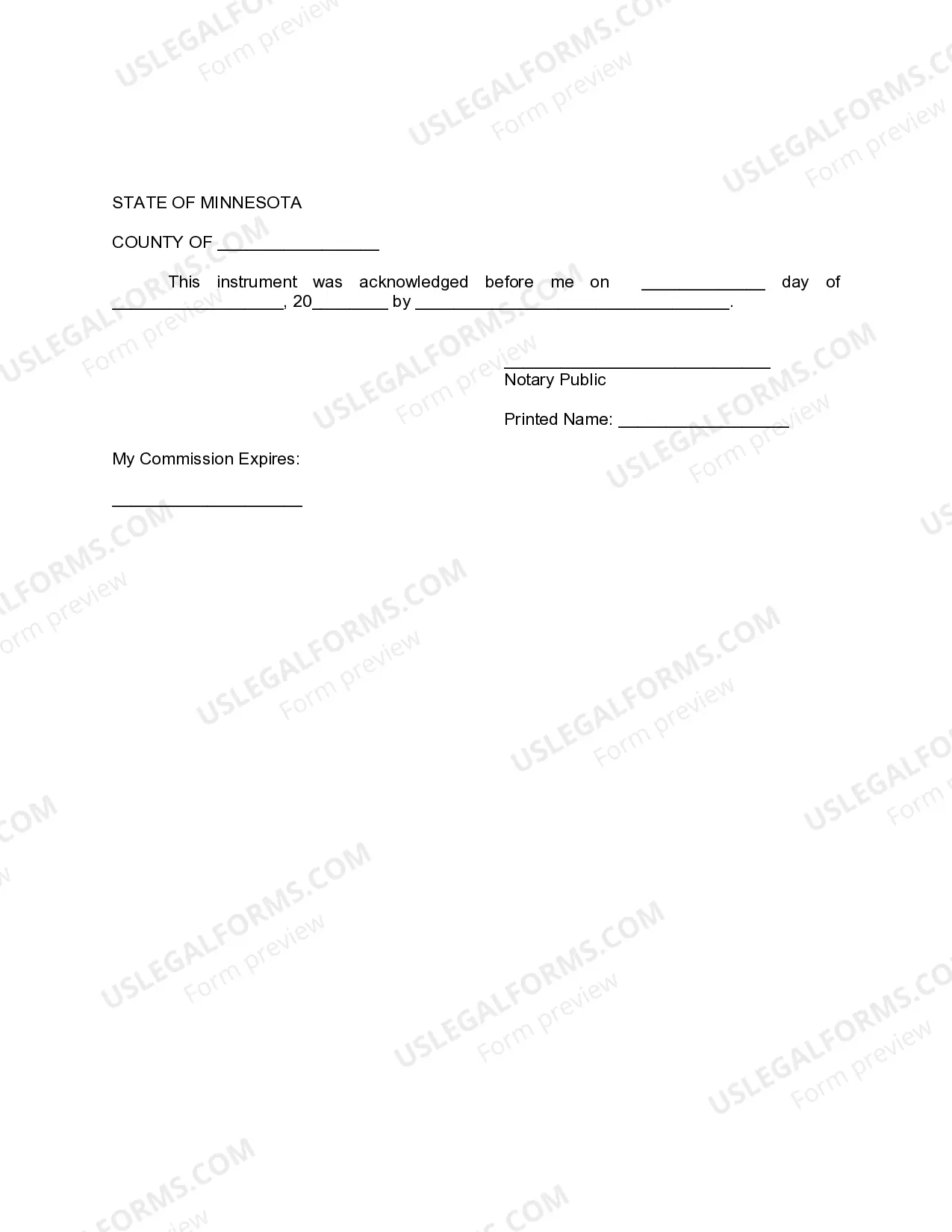

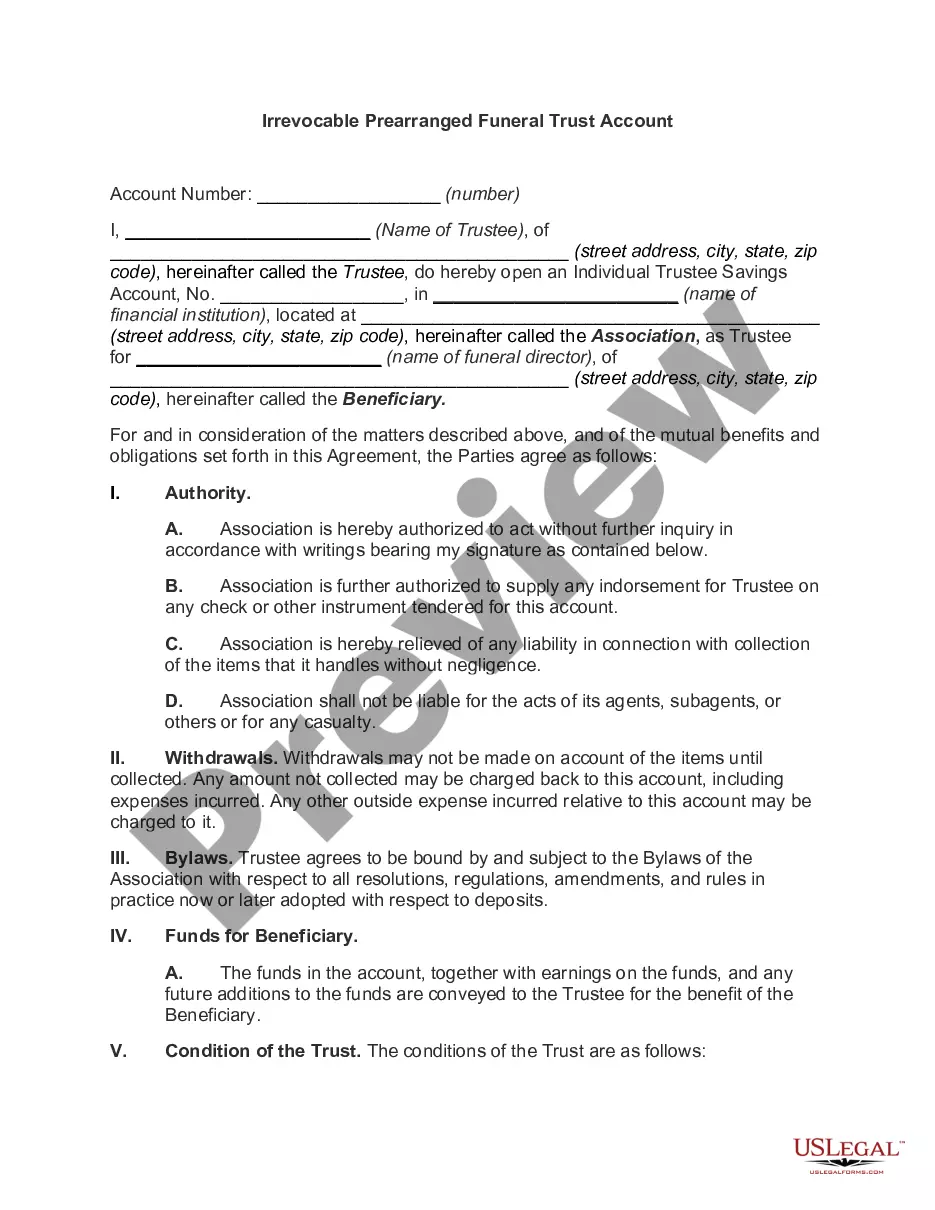

Get your form ready online
Our built-in tools help you complete, sign, share, and store your documents in one place.
Make edits, fill in missing information, and update formatting in US Legal Forms—just like you would in MS Word.
Download a copy, print it, send it by email, or mail it via USPS—whatever works best for your next step.
Sign and collect signatures with our SignNow integration. Send to multiple recipients, set reminders, and more. Go Premium to unlock E-Sign.
If this form requires notarization, complete it online through a secure video call—no need to meet a notary in person or wait for an appointment.
We protect your documents and personal data by following strict security and privacy standards.

Make edits, fill in missing information, and update formatting in US Legal Forms—just like you would in MS Word.

Download a copy, print it, send it by email, or mail it via USPS—whatever works best for your next step.

Sign and collect signatures with our SignNow integration. Send to multiple recipients, set reminders, and more. Go Premium to unlock E-Sign.

If this form requires notarization, complete it online through a secure video call—no need to meet a notary in person or wait for an appointment.

We protect your documents and personal data by following strict security and privacy standards.
Looking for another form?





How to fill out Minnesota Financial Account Transfer To Living Trust?
- Visit the US Legal Forms website and log into your account or create a new one if you're a first-time user.
- Browse the extensive library and use the Preview mode to ensure you select the correct trust account form for your jurisdiction.
- If necessary, utilize the Search function to find alternative templates that suit your specific needs.
- Once you've identified the right form, click on the Buy Now button and choose a suitable subscription plan.
- Complete your purchase using your credit card or PayPal account information.
- After payment, download the form to your device and access it anytime from the My Forms section of your account.
Using US Legal Forms simplifies the document acquisition process and ensures that you receive high-quality legal templates tailored to your needs.
Take control of your real estate transactions today by visiting US Legal Forms to find the perfect trust account documentation. Your legal peace of mind is just a click away!
Form popularity
FAQ
Opening a trust account for real estate requires several steps. Start by selecting a bank or financial institution that offers trust accounts. Gather the necessary documentation, including details about the property and personal identification. Consider using resources from platforms like US Legal Forms to assist you with the legal paperwork needed to establish the trust. Finally, visit your chosen bank to complete the setup and ensure all legal requirements are fulfilled.
Choosing the right bank for a trust account for real estate involves evaluating various factors such as fees, services offered, and customer support. Research banks that specialize in trust accounts, as they often provide tailored advice for managing your property assets. It's beneficial to look for institutions with a good reputation in customer service and a range of trust management tools. Taking the time to compare options will help secure the best fit for your needs.
While a trust account for real estate offers benefits like asset protection, it also has disadvantages. One major concern is the loss of control; once the property is in a trust, you cannot manage it in the same way. Furthermore, there may be ongoing costs associated with maintaining the trust. Always weigh these factors carefully before making your decision, possibly consulting a professional for guidance.
To set up a trust account for real estate, start by choosing a trustee who will manage the account. Next, gather necessary documents such as property deeds and your identification. You can then work with a legal professional or use an online platform like US Legal Forms to create the trust document, ensuring all legal requirements are met. Finally, transfer the property into the trust via the appropriate legal channels, making sure to follow all state regulations.
A trust account in real estate serves to hold funds and manage transactions related to property purchases, sales, or rentals. It ensures that all stakeholders have clear access to the financial resources needed for the transaction. Consequently, utilizing a trust account for real estate fosters transparency and security during real estate dealings.
A revocable living trust is widely regarded as the best option for real estate due to its flexibility and ease of management. It allows you to retain control of your property while providing a smooth transition to beneficiaries. Additionally, incorporating a trust account for real estate streamlines property management and oversight.
The primary purpose of a trust in real estate is to manage and distribute property efficiently, often without undergoing probate. Doing so simplifies the transfer of assets and can protect the property from certain legal claims. Trust accounts for real estate further enhance this process, ensuring smooth operation and management.
For most individuals, a revocable living trust offers the best balance of control and protection for real estate. It allows property owners to change the terms as necessary while avoiding the often lengthy probate process. Additionally, it provides substantial benefits when utilizing a trust account for real estate.
Trust accounts can come with administrative complexities and potential fees that could impact overall returns. Additionally, you may face limits in terms of how you can access funds. It's crucial to weigh these factors carefully, particularly when managing a trust account for real estate.
One disadvantage of placing your house in a trust is that you may lose some control over the property, depending on the trust's terms. Certain trusts require formal guidelines for asset management, which can limit your flexibility. Furthermore, there may be costs associated with establishing and maintaining a trust account for real estate.