Lease Agreement Tenant Responsible For Repairs
Description
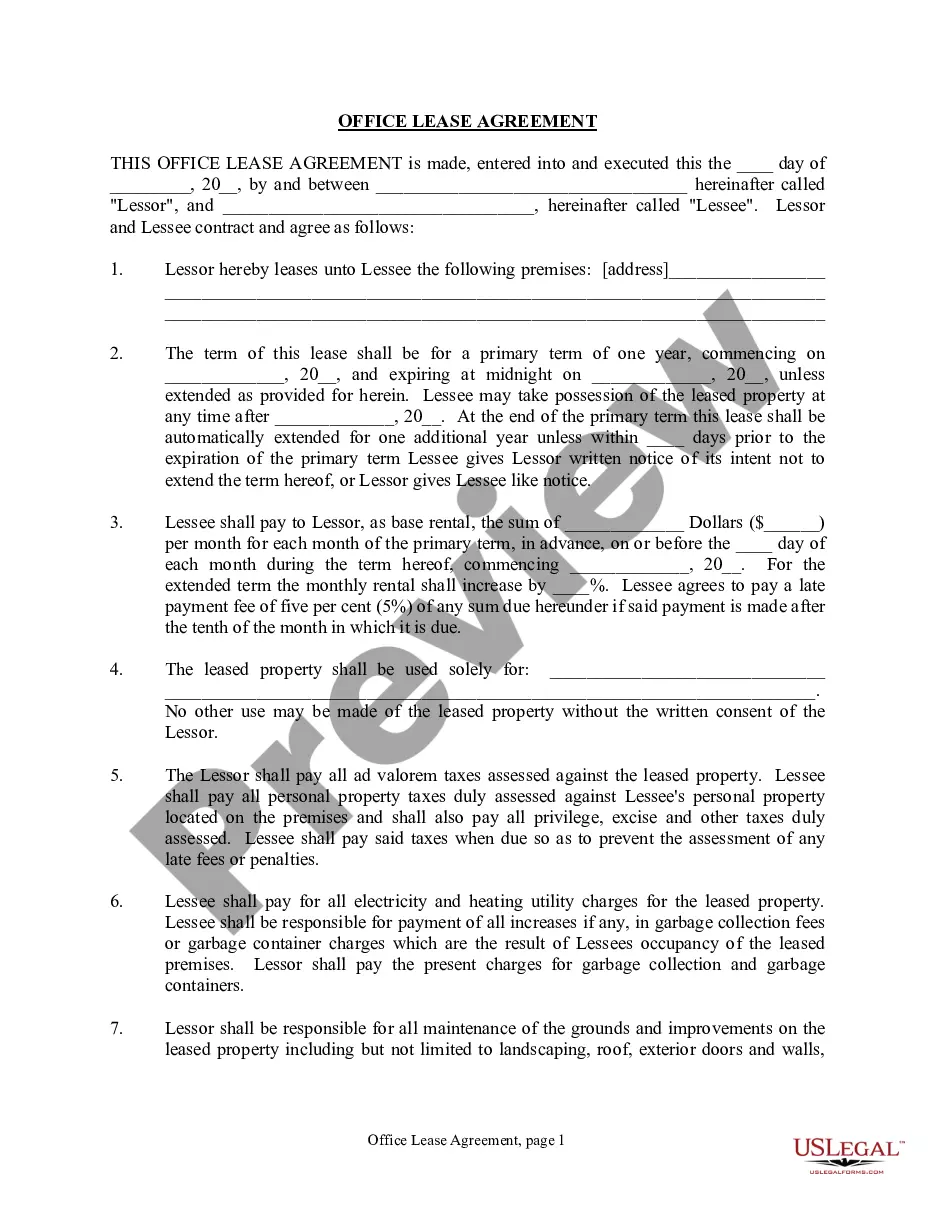
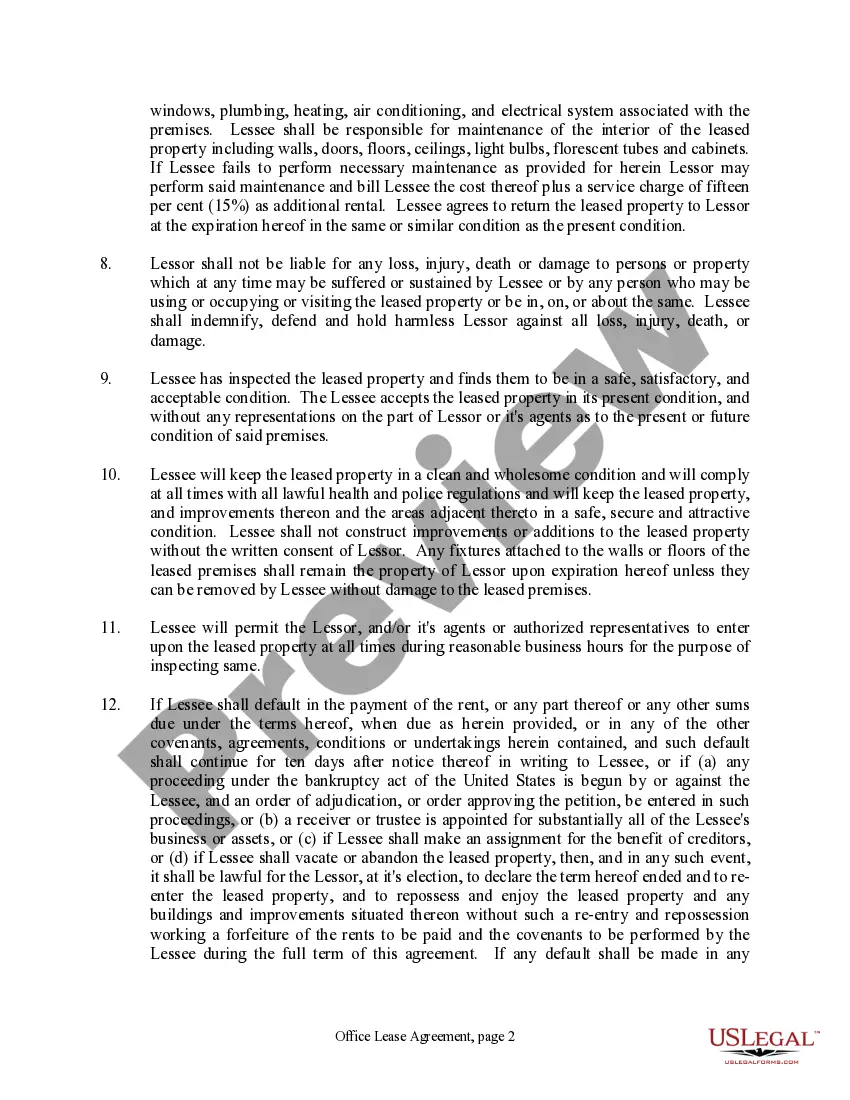
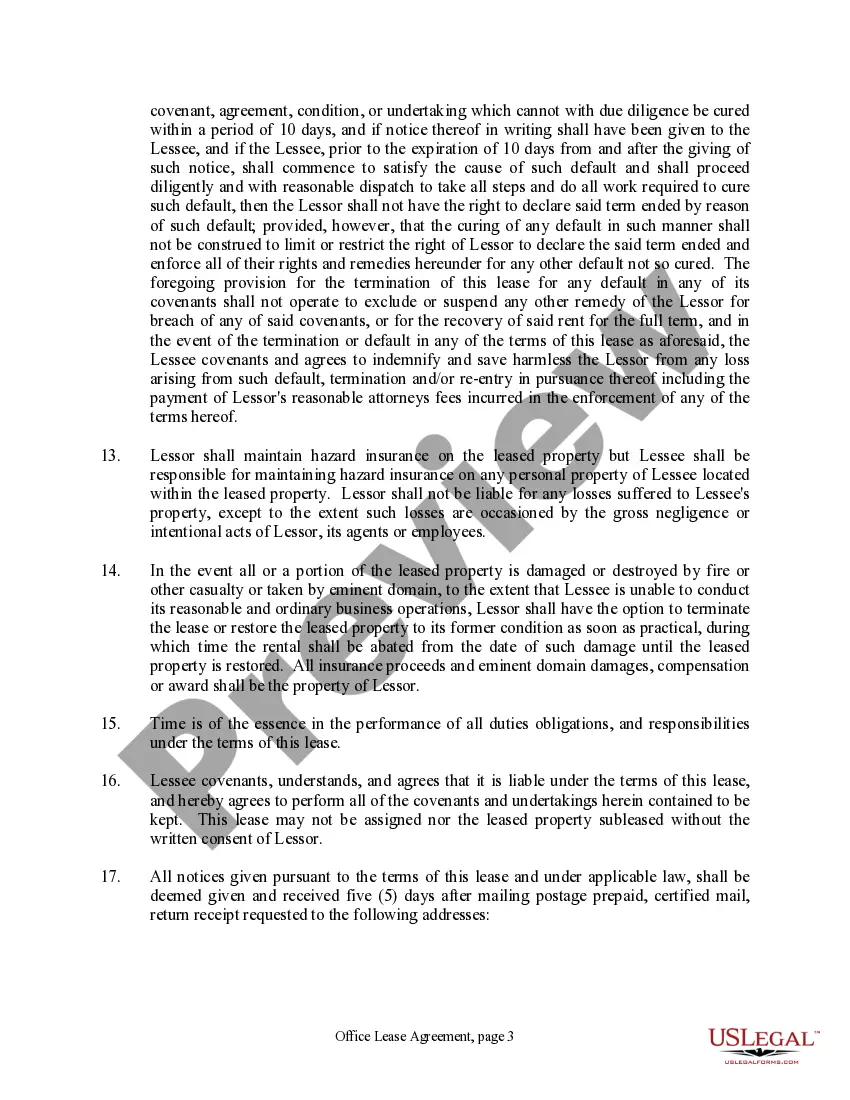
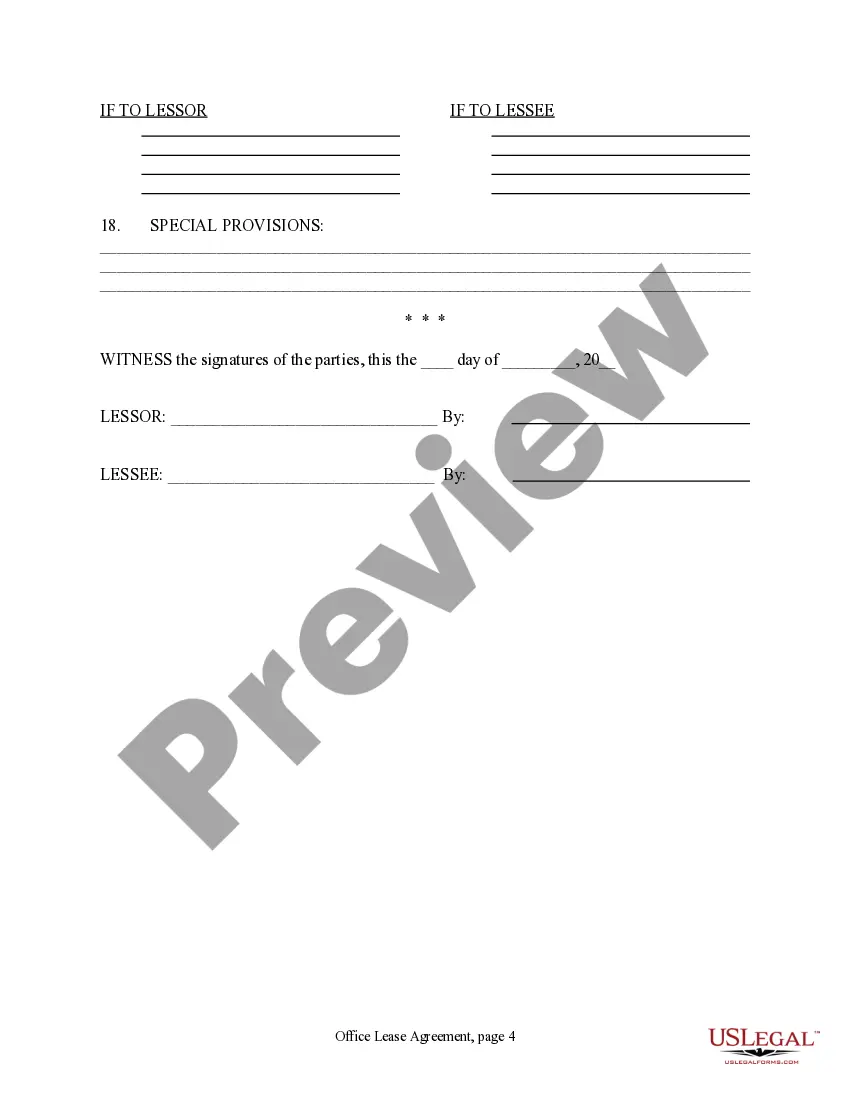
Get your form ready online
Our built-in tools help you complete, sign, share, and store your documents in one place.
Make edits, fill in missing information, and update formatting in US Legal Forms—just like you would in MS Word.
Download a copy, print it, send it by email, or mail it via USPS—whatever works best for your next step.
Sign and collect signatures with our SignNow integration. Send to multiple recipients, set reminders, and more. Go Premium to unlock E-Sign.
If this form requires notarization, complete it online through a secure video call—no need to meet a notary in person or wait for an appointment.
We protect your documents and personal data by following strict security and privacy standards.

Make edits, fill in missing information, and update formatting in US Legal Forms—just like you would in MS Word.

Download a copy, print it, send it by email, or mail it via USPS—whatever works best for your next step.

Sign and collect signatures with our SignNow integration. Send to multiple recipients, set reminders, and more. Go Premium to unlock E-Sign.

If this form requires notarization, complete it online through a secure video call—no need to meet a notary in person or wait for an appointment.

We protect your documents and personal data by following strict security and privacy standards.
Looking for another form?






How to fill out Minnesota Office Lease Agreement?
- If you already have a US Legal Forms account, log in and simply download your selected lease template. Ensure your subscription is active; if it has expired, renew it as per your payment plan.
- For first-time users, start by visiting the website to explore the comprehensive library. Check the Preview mode and the description of the lease agreement to confirm it meets your needs and local jurisdiction requirements.
- If the template isn’t quite right, utilize the Search feature to find another document that better suits your specifications. Once you've selected a suitable form, move ahead to purchase.
- Click on the Buy Now button and choose your preferred subscription plan. You will need to create an account to gain full access to the resources.
- Complete your purchase by entering your credit card details or using your PayPal account.
- After your transaction is confirmed, download your lease agreement template and save it to your device. Access it anytime via the My Forms menu in your profile.
Obtaining a lease agreement that clearly defines tenant responsibilities for repairs is crucial. With US Legal Forms, you can access a robust collection of legal documents quickly and efficiently, ensuring that your lease is both precise and legally compliant.
Don't wait—visit US Legal Forms today to simplify your document preparation and ensure your lease agreement is handled correctly.
Form popularity
FAQ
Landlords in Texas must maintain the rental property in a safe and habitable condition, addressing issues like plumbing leaks, electrical problems, and structural repairs. This responsibility ensures tenants can enjoy a livable environment. In creating a lease agreement tenant responsible for repairs, it's vital to delineate what repairs fall under the landlord's obligations, fostering effective communication and smoother relationships.
In Texas, tenants usually take responsibility for repairs stemming from their own actions, such as damage caused by pets or guests. Additionally, if a tenant's negligence leads to a repair issue, they may also be held accountable. The lease agreement tenant responsible for repairs should specify these conditions clearly, offering clarity for both tenants and landlords.
Tenants are generally responsible for basic maintenance tasks in their rental property. This includes changing light bulbs, keeping the property clean, and addressing minor plumbing issues like unclogging drains. By outlining specific responsibilities in the lease agreement tenant responsible for repairs, tenants can better understand their obligations and ensure the property remains in good shape.
In Texas, normal wear and tear refers to natural deterioration that occurs over time due to everyday use. This includes minor scuffs on walls, small nail holes, or worn-out carpet. It's important to clarify in your lease agreement tenant responsible for repairs, as tenants typically aren't responsible for these types of damages. Instead, both parties should agree on maintenance expectations to avoid confusion.
In Washington, landlords must address most repair issues within a reasonable period, typically up to 30 days, depending on the severity of the problem. For urgent concerns, such as lack of heat or water, immediate action is necessary. It’s crucial for tenants to reference their lease agreement detailing these responsibilities to ensure timely repairs from the landlord.
Landlords should respond to urgent repair requests immediately, especially when safety or health is at risk. For less urgent repairs, Washington law allows landlords a reasonable timeframe, often interpreted as 30 days. This approach ensures that tenants are living in satisfactory conditions while holding landlords accountable to their lease agreement responsibilities for repairs.
In Washington, landlords have a reasonable amount of time, usually about 30 days, to fix significant issues that affect livability, unless the lease agreement specifies otherwise. Timeliness is essential in ensuring that tenants feel safe and cared for in their living spaces. Communicating repair timelines clearly can strengthen trust between landlords and tenants.
Yes, in Washington, nail holes from hanging pictures are generally considered normal wear and tear. Tenants typically are not held responsible for these minor damages, according to the lease agreement. However, any extensive damage beyond normal use should be assessed and addressed by the tenant as per the terms outlined in the lease agreement.
To write a letter to a tenant regarding repairs, start by clearly identifying the issue and include details of the necessary repairs. Be polite and specify a timeline for completion, referencing the lease agreement to highlight responsibilities. A well-crafted letter helps maintain a positive relationship while ensuring the tenant understands their rights and the landlord’s obligations.
In Washington, uninhabitable living situations can include serious issues like mold, no heat, plumbing failures, or lack of proper security. These conditions may make it unsafe or unhealthy for tenants. When drafting a lease agreement, it's crucial to specify that the landlord must address such repairs to create a safe living environment, ensuring tenants aren’t responsible for these repairs.