Transfer On Death Avenue
Description
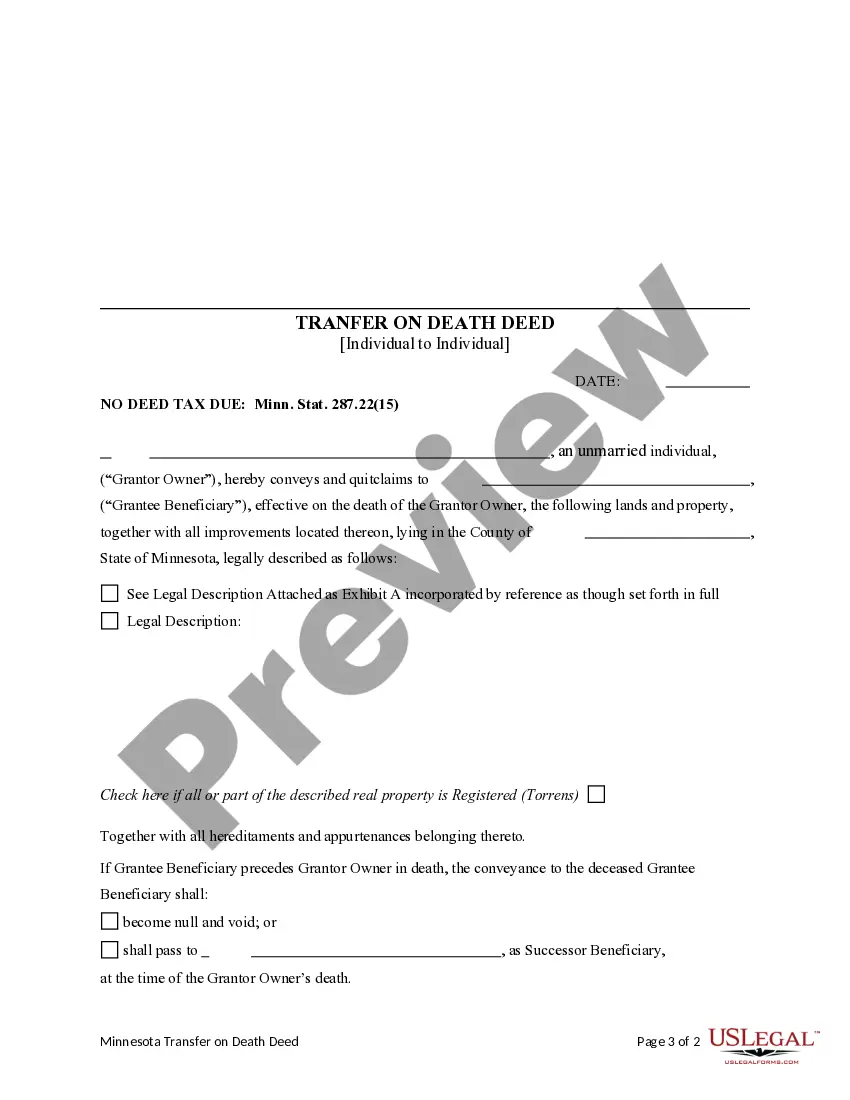
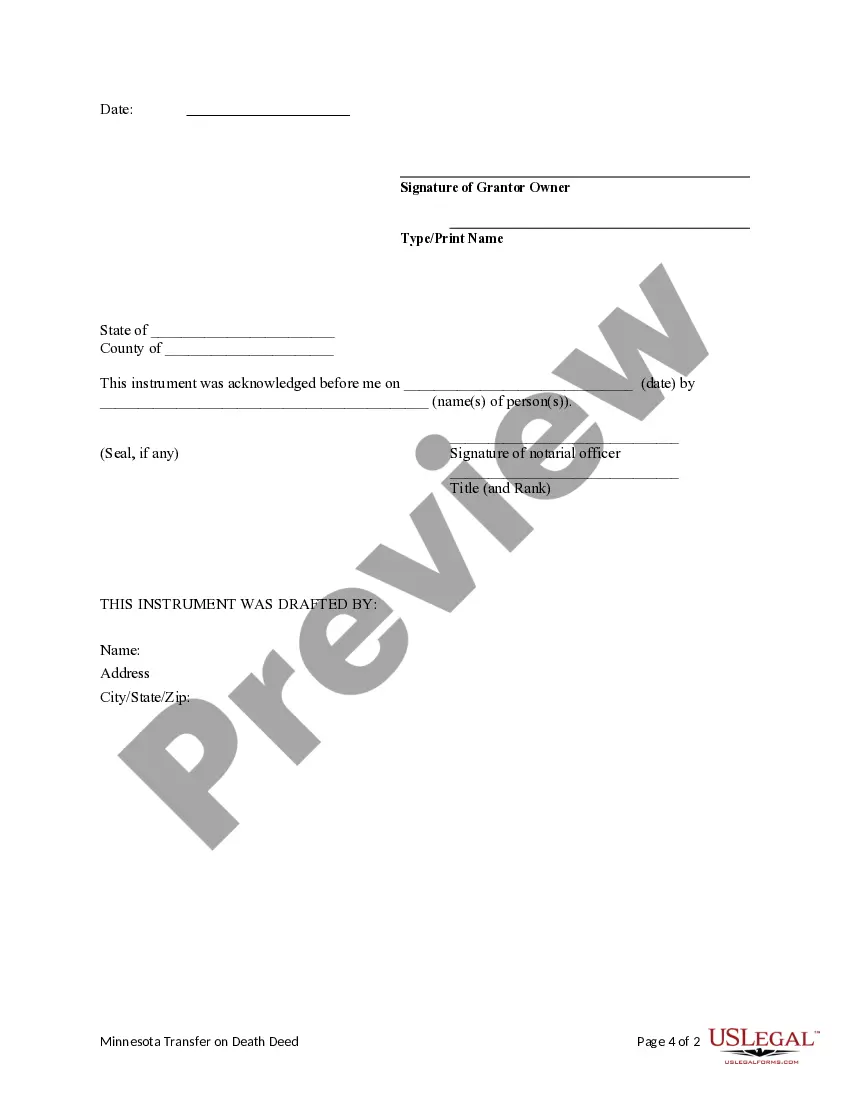

Get your form ready online
Our built-in tools help you complete, sign, share, and store your documents in one place.
Make edits, fill in missing information, and update formatting in US Legal Forms—just like you would in MS Word.
Download a copy, print it, send it by email, or mail it via USPS—whatever works best for your next step.
Sign and collect signatures with our SignNow integration. Send to multiple recipients, set reminders, and more. Go Premium to unlock E-Sign.
If this form requires notarization, complete it online through a secure video call—no need to meet a notary in person or wait for an appointment.
We protect your documents and personal data by following strict security and privacy standards.

Make edits, fill in missing information, and update formatting in US Legal Forms—just like you would in MS Word.

Download a copy, print it, send it by email, or mail it via USPS—whatever works best for your next step.

Sign and collect signatures with our SignNow integration. Send to multiple recipients, set reminders, and more. Go Premium to unlock E-Sign.

If this form requires notarization, complete it online through a secure video call—no need to meet a notary in person or wait for an appointment.

We protect your documents and personal data by following strict security and privacy standards.
Looking for another form?





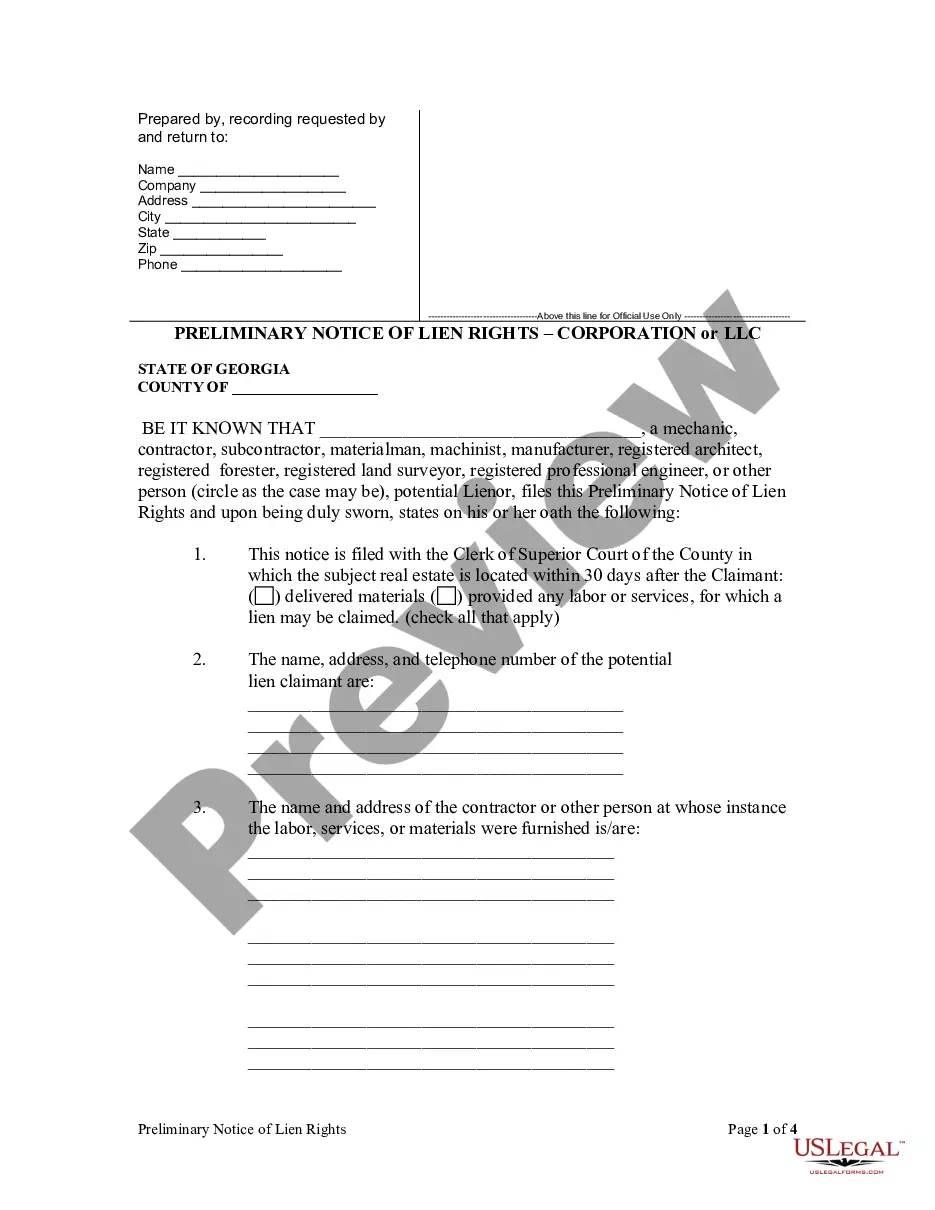

How to fill out Minnesota Transfer On Death Deed - Individual To Individual?
- If you're an existing user, log in to your account and select the necessary form template. Make sure your subscription is active; renew it if required.
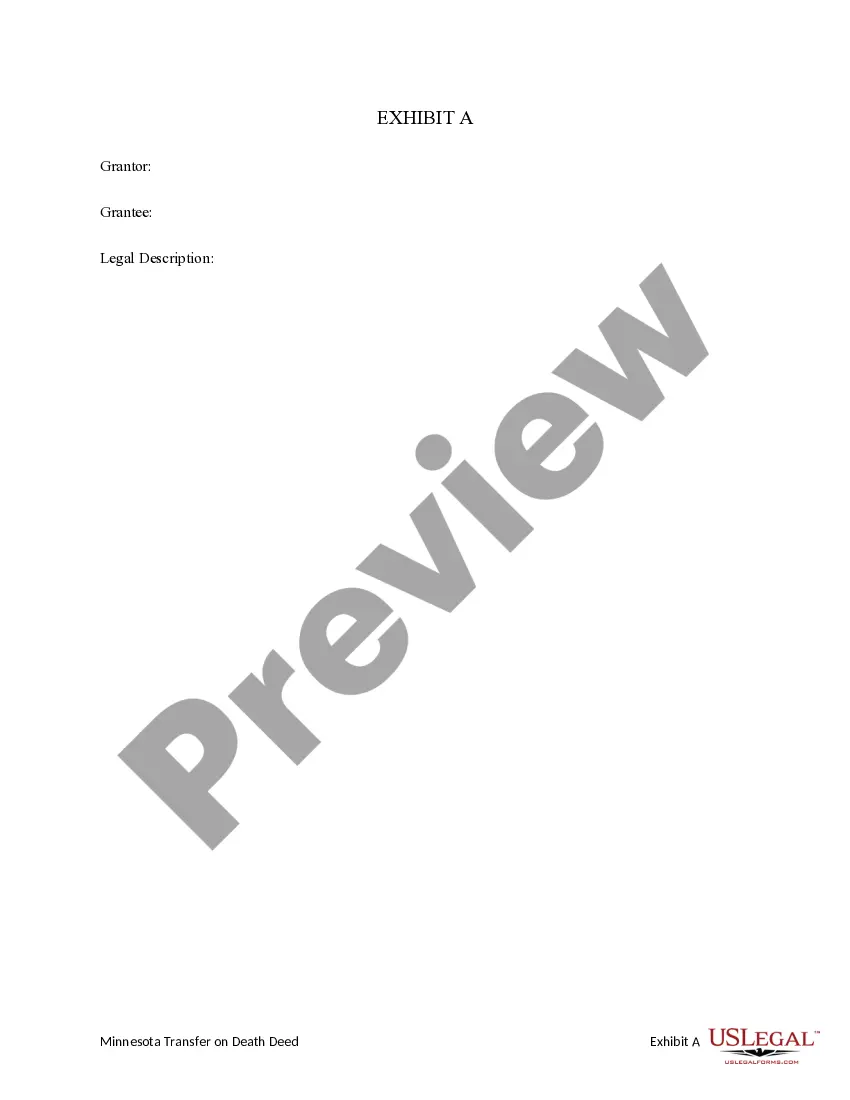
- For first-time users, start by checking the Preview mode and form description to ensure you have selected the correct document that fits your local jurisdiction.
- If you need a different template, utilize the Search tab to find a suitable one and confirm it aligns with your requirements.
- Proceed to purchase the document. Click on the Buy Now button and choose a subscription plan that meets your needs.
- Complete your purchase by entering your payment information, using either your credit card or PayPal account.
- Once purchased, download the form to your device for completion, and access it anytime in the My Forms section of your profile.
Utilizing US Legal Forms not only streamlines the process of securing necessary documents but also provides access to a robust collection of more than 85,000 editable legal forms. You can also receive expert guidance for accurate form completion, giving you peace of mind.
In conclusion, leveraging US Legal Forms for your 'Transfer on death avenue' needs ensures efficiency and accuracy. Don’t hesitate to start today and secure your legal documentation with ease!
Form popularity
FAQ
In Texas, a Transfer on Death (TOD) allows you to designate one or more beneficiaries for your property without triggering probate. The Texas Property Code outlines the necessary steps, such as filling out a TOD deed and recording it with the county clerk. Keep in mind that the beneficiaries must survive you for the TOD to be effective. Utilizing resources from US Legal Forms can help you navigate the specific requirements and ensure compliance with Texas law.
To file a Transfer on Death (TOD) in Illinois, start by completing the appropriate form, which designates the beneficiaries of your assets. It’s crucial to ensure the document is properly executed, including required signatures and witnesses. Once completed, file the form with the county recorder’s office where the property is located. Services like those from US Legal Forms can assist you in obtaining the correct documents and ensure you follow local regulations.
It is not mandatory to hire a lawyer for creating a Transfer on Death (TOD), but doing so can be beneficial. While the process is relatively straightforward, a legal professional can help ensure that all forms are correctly filled out according to your state's requirements. Using a platform like US Legal Forms can simplify the process of creating a TOD, guiding you through the necessary steps for a valid transfer.
Transfer on Death (TOD) can serve as an effective alternative to a will, but there are key differences. While a will goes through probate and may require additional time and costs to settle, TOD allows assets to transfer directly upon death, simplifying the process. However, a TOD does not cover all aspects of estate planning, such as guardianship for minors. It's essential to evaluate your specific needs when deciding between these options.
To set up a transfer on death bank account, visit your financial institution to inquire about their specific policies. You will typically need to fill out a designation form naming your beneficiaries. This allows the account balance to transfer directly to them upon your passing, thereby avoiding probate. For more detailed guidance, uslegalforms provides excellent templates and instructions to help streamline the setup of this transfer on death avenue.
One disadvantage of a transfer on death deed is that it does not provide protection from creditors during the owner's lifetime. Additionally, any changes to the deed require re-filing, which could pose complications. It’s also important to remember that if the beneficiary predeceases the owner, the property may not have a clear successor. For thorough insights on managing these challenges, consider resources from uslegalforms.
While it is possible to create a transfer on death deed without legal assistance, consulting a lawyer is recommended to ensure compliance with state laws. A lawyer can help clarify any potential questions and provide tailored advice for your specific situation. However, if you prefer to handle it independently, uslegalforms offers templates and guidance to facilitate the process on this transfer on death avenue.
The best way to transfer property after death is by employing a transfer on death deed, which allows property to pass directly to your chosen beneficiaries. This method avoids the financial strain and time-consuming nature of probate court proceedings. By utilizing this avenue, heirs can gain ownership efficiently and without complications. For assistance in setting up such a deed, check out uslegalforms for user-friendly resources.
Passing property to heirs is best achieved through a transfer on death deed, which allows for seamless transfer without going through probate. With this approach, you can name beneficiaries who will inherit your property upon your passing. This method simplifies the inheritance process, ensuring that your loved ones receive their benefits promptly. Explore uslegalforms to find necessary forms and additional support for this transfer avenue.
The most efficient method to transfer property title between family members is through a transfer on death deed. This legal document ensures that ownership automatically passes to the designated heirs upon the owner's death. By using this avenue, families can avoid lengthy probate processes and maintain control over the property during the owner's lifetime. Consider uslegalforms for straightforward templates and guidance on creating a secure transfer.