Limited Liability Company For Rental Property
Description
Get your form ready online
Our built-in tools help you complete, sign, share, and store your documents in one place.
Make edits, fill in missing information, and update formatting in US Legal Forms—just like you would in MS Word.
Download a copy, print it, send it by email, or mail it via USPS—whatever works best for your next step.
Sign and collect signatures with our SignNow integration. Send to multiple recipients, set reminders, and more. Go Premium to unlock E-Sign.
If this form requires notarization, complete it online through a secure video call—no need to meet a notary in person or wait for an appointment.
We protect your documents and personal data by following strict security and privacy standards.

Make edits, fill in missing information, and update formatting in US Legal Forms—just like you would in MS Word.

Download a copy, print it, send it by email, or mail it via USPS—whatever works best for your next step.

Sign and collect signatures with our SignNow integration. Send to multiple recipients, set reminders, and more. Go Premium to unlock E-Sign.

If this form requires notarization, complete it online through a secure video call—no need to meet a notary in person or wait for an appointment.

We protect your documents and personal data by following strict security and privacy standards.
Looking for another form?
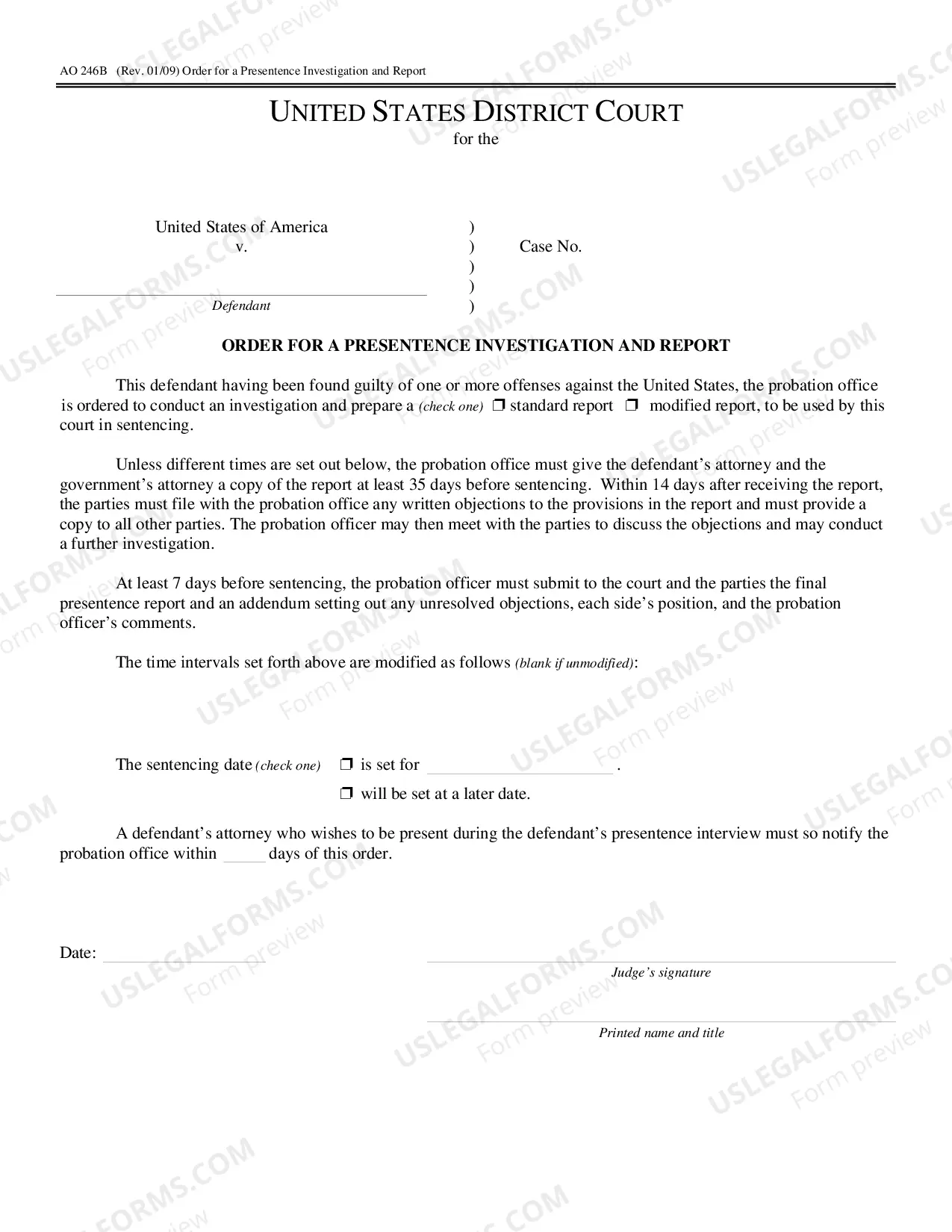
How to fill out Maine Notice Of Furnishing Absent Contract - Corporation Or LLC?
- If you're an existing user, log in and download your required template by clicking the Download button after ensuring your subscription is active. If your service has lapsed, renew it as per your payment plan.
- For new users, start by checking the Preview mode and form description to confirm you’ve selected the appropriate document that complies with your local laws.
- If you don't find what you need, use the Search tab to locate additional templates. Once you find the correct form, proceed to the next step.
- Purchase the document by clicking on the Buy Now button and selecting your desired subscription plan. You will need to create an account to gain full access to the library.
- Complete your payment by entering your credit card details or selecting your PayPal account to finalize your subscription.
- Download your document to your device. You can also access it anytime from the My Forms section of your profile.
Using US Legal Forms simplifies the paperwork process, providing you with more options and access to top-notch legal resources. With over 85,000 editable forms, you are ensured the flexibility and accuracy required in legal documentation.
Take control of your rental property’s legal framework today and explore the robust collection at US Legal Forms. Sign up now to secure your peace of mind!
Form popularity
FAQ
Yes, you can place your rental property into a limited liability company even if it is under a mortgage. However, it is essential to check with your lender, as some mortgage agreements may have restrictions regarding transferring ownership. Additionally, you may need to refinance the mortgage under the LLC's name, which could provide new financing options and protect your personal assets. Consulting with a legal expert or using platforms like USLegalForms can help you navigate this process smoothly.
The best business type for a rental property typically is a limited liability company (LLC). An LLC provides you with liability protection and can help you separate your personal assets from your rental property investments. Furthermore, an LLC offers tax flexibility, allowing you to choose how you wish to be taxed. By establishing an LLC, you create a more structured approach to managing your rental property, which can lead to long-term success.
The 50% rule in rental property management suggests that an investor should budget approximately 50% of the rental income for expenses, excluding mortgage payments. This rule helps you understand the expenses associated with operating a rental property, such as maintenance, insurance, and property management fees. By applying this rule, you can gain a clearer picture of your property’s profitability and make informed decisions about forming a limited liability company for rental property to safeguard your investment.
When considering a limited liability company for rental property, you generally want to form a single-member LLC or a multi-member LLC based on your needs. A single-member LLC is suitable if you own property alone, while a multi-member LLC works if you share the investment with others. Both options offer personal liability protection, making them popular choices among real estate investors. Ultimately, your decision should align with your financial goals and investment strategy.
Rental income from a limited liability company for rental property is generally considered passive income by the IRS. This means it is subject to regular income tax rates, and you must report it on your tax return. However, you can also deduct expenses related to property management, maintenance, and depreciation, which can help reduce your taxable income.
To transfer your rental property into a limited liability company for rental property, you first need to form the LLC through your state’s filing system. Then, you’ll execute a property deed transfer, officially changing ownership from your name to the LLC's name. This process generally requires filing a new deed with your local recorder's office, ensuring that your asset is now under the LLC’s protection.
A limited liability company for rental property must file taxes regardless of income level. Even if your rental income is minimal or results in a loss, filing is essential to maintain compliance. The IRS expects all LLCs to report their financial activities annually, ensuring you stay up to date with tax laws.
To file taxes for a limited liability company for rental property, you must utilize IRS form 1065 if your LLC has multiple members. This form allows the reporting of income, deductions, and credits generated from your rental activities. Additionally, each member will receive a Schedule K-1 to report their share of the LLC's income on their personal tax return.
When you choose a limited liability company for rental property, it's essential to consider how you will structure it. A single-member LLC is common for solo investors, while a multi-member LLC suits partnerships. The right type enables you to manage liability and taxation effectively, ensuring your personal assets remain protected.
When managing a limited liability company for rental property, you typically file your LLC taxes separately from your personal taxes. The LLC is treated as a pass-through entity, meaning profits and losses can flow directly to your personal tax return. However, you will need to report your rental property income on your individual taxes, adding another layer of financial management. Consulting a tax professional can help clarify your specific situation.