Respondeat Superior In Medical Malpractice
Description
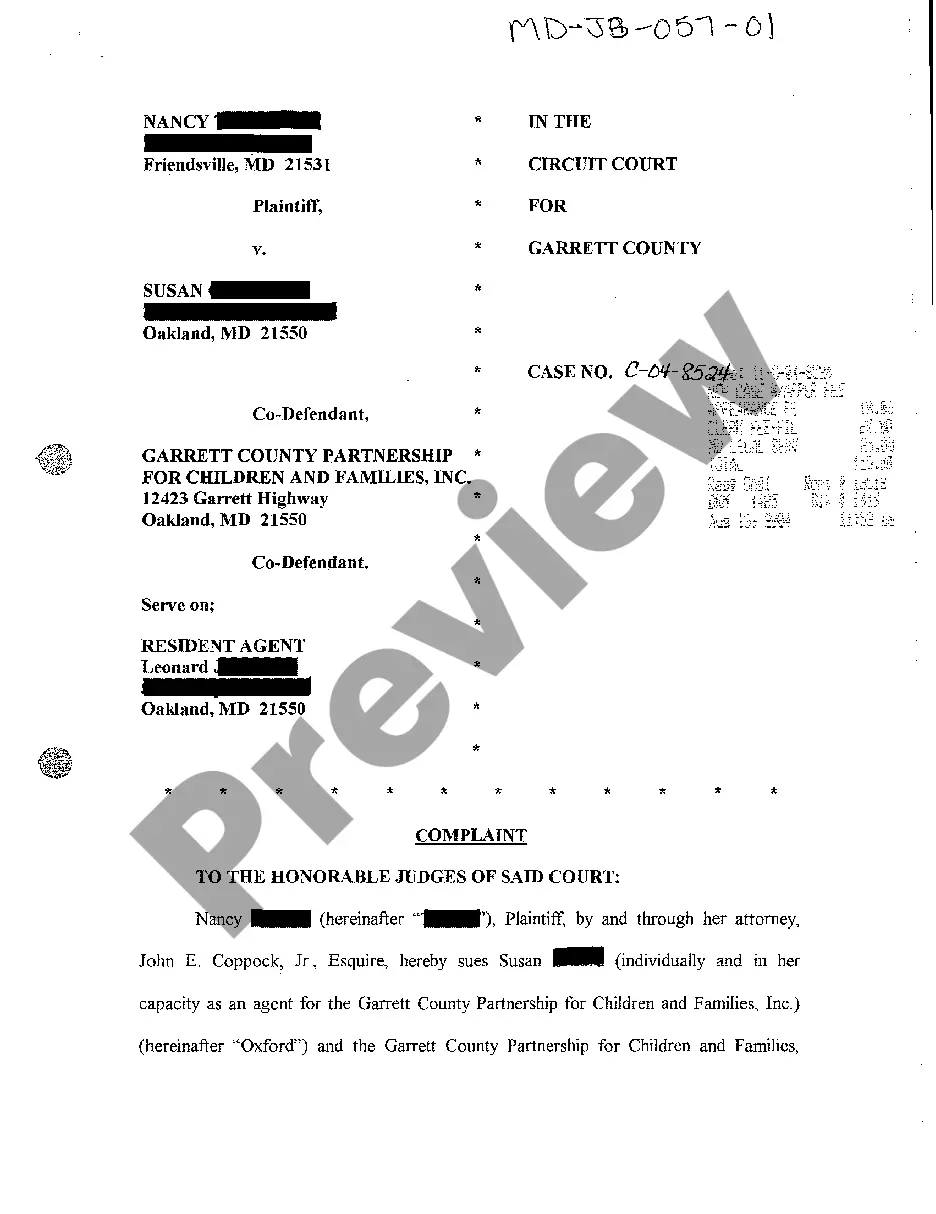
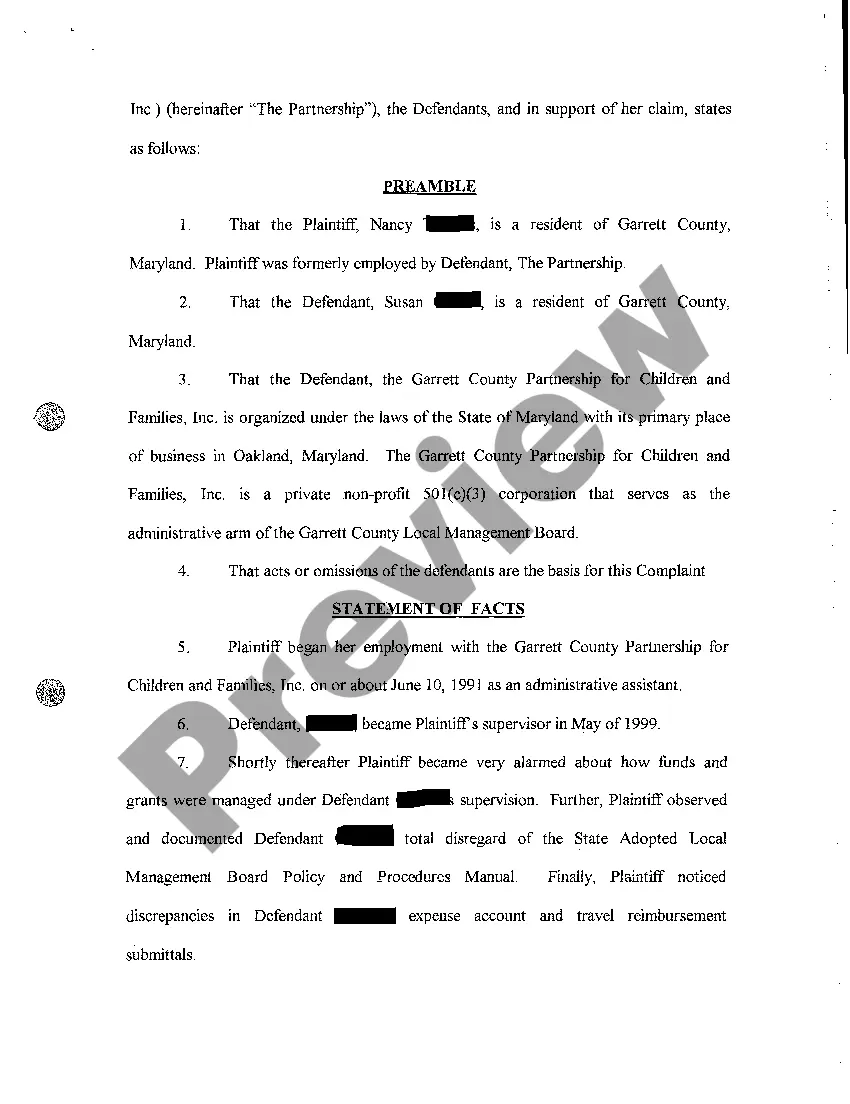
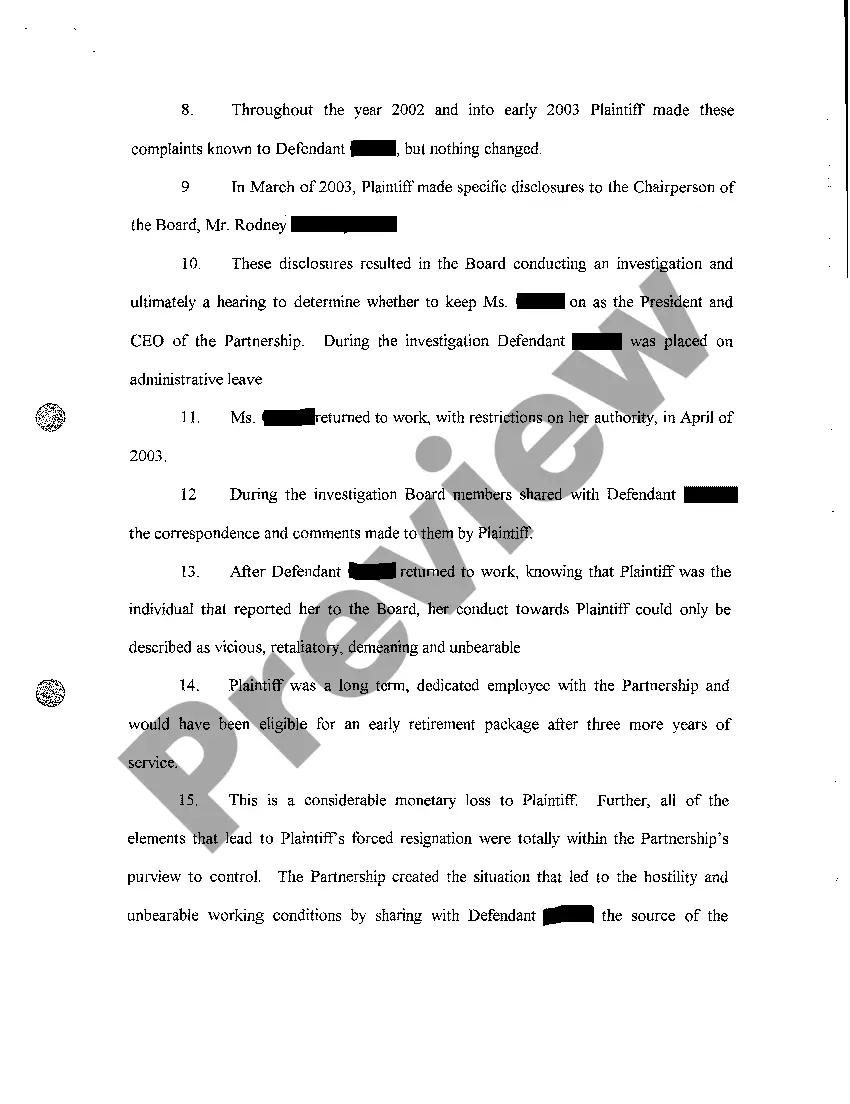
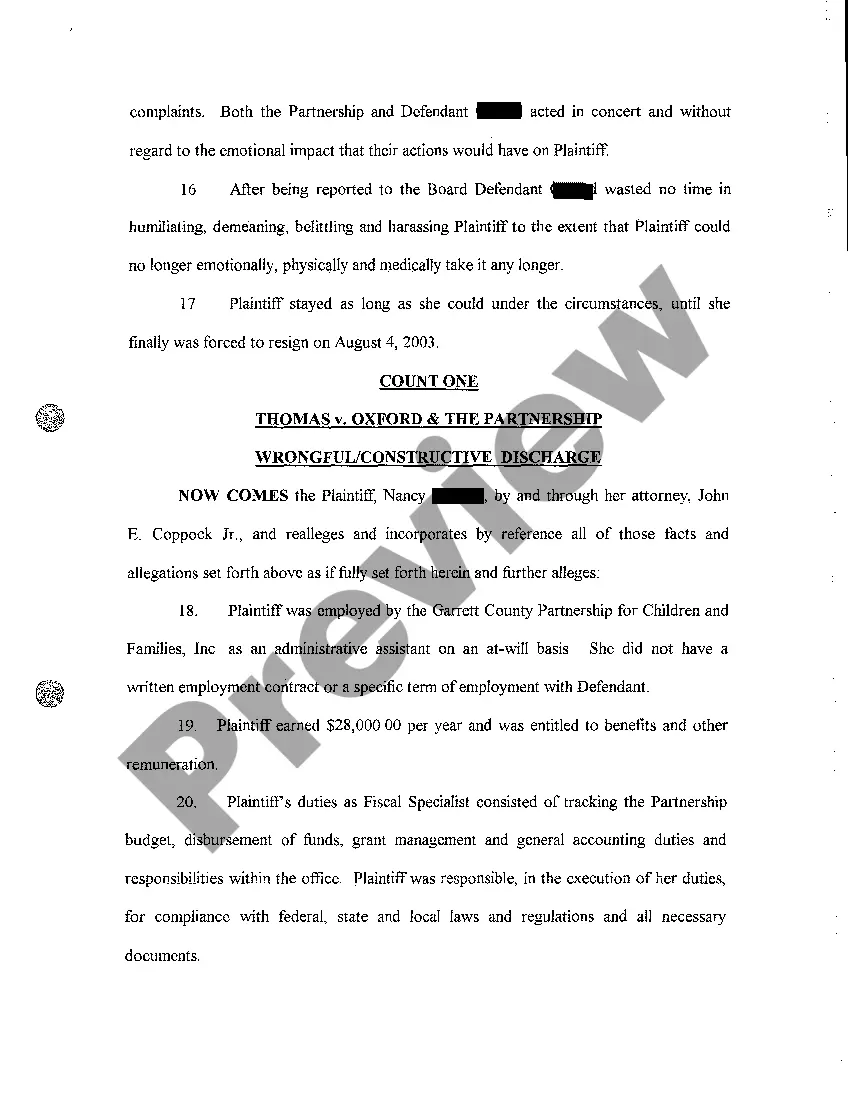
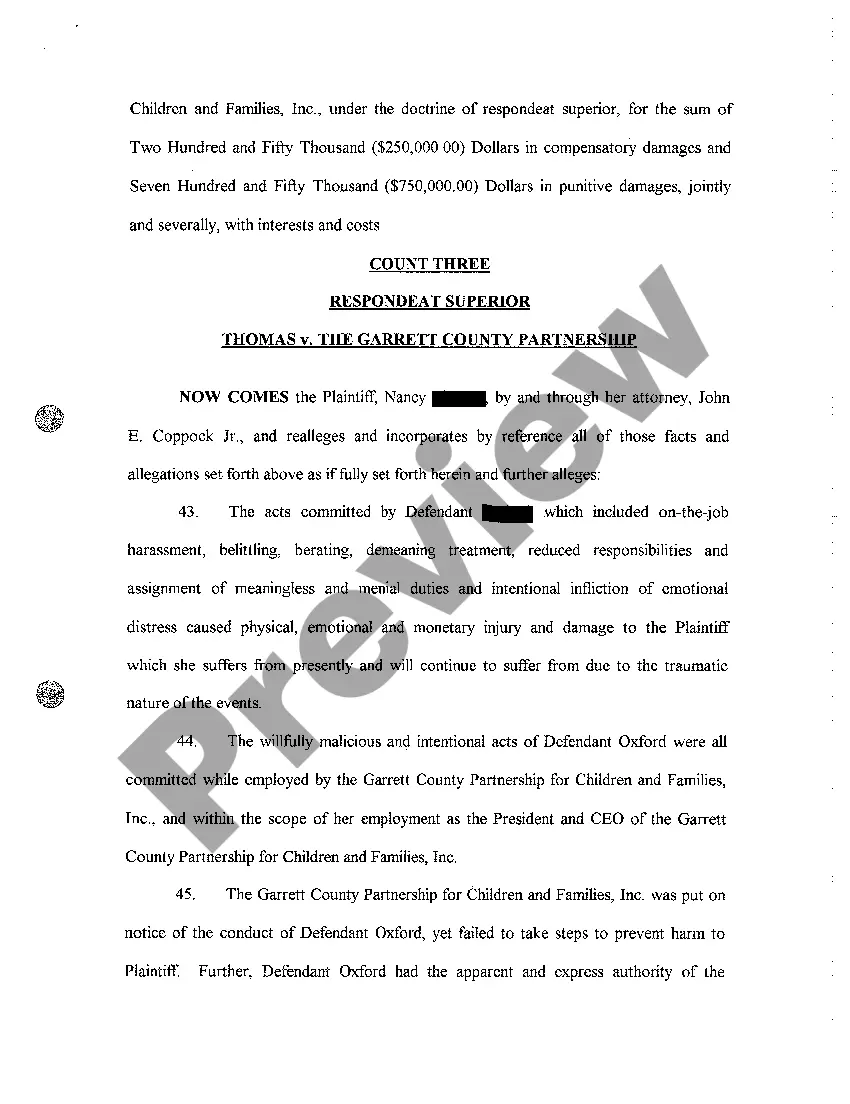
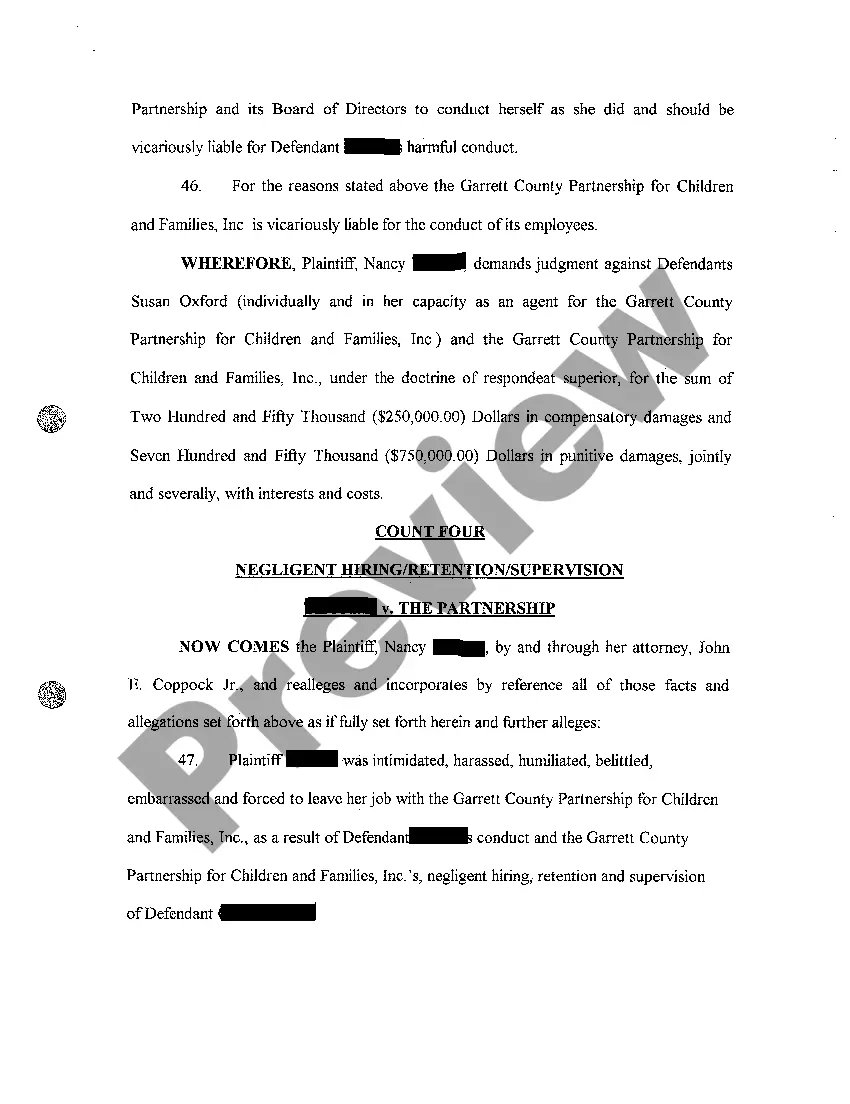




How to fill out Maryland Complaint Wrongful Discharge, Intentional Infliction Of Emotional Distress, Respondeat Superior, And Negligent Hiring, Retention, Supervision?
It’s well-known that you cannot instantly become a legal expert, nor can you swiftly learn how to adequately prepare Respondeat Superior In Medical Malpractice without possessing a specialized skill set.
Compiling legal documents is a labor-intensive task that demands particular training and expertise. So why not entrust the creation of the Respondeat Superior In Medical Malpractice to the professionals.
With US Legal Forms, which boasts one of the largest collections of legal templates, you can find everything from court documents to templates for internal business communications. We recognize how crucial it is to comply with federal and local laws and regulations. This is why all forms on our platform are tailored to specific locations and kept current.
You can regain access to your documents from the My documents section at any time. If you are an existing client, you can simply Log In and find and download the template from the same section.
Regardless of the intent of your documents—whether financial, legal, or personal—our platform has you covered. Experience US Legal Forms today!
- Locate the form you need by utilizing the search bar at the top of the webpage.
- Preview it (if this option is available) and review the accompanying description to see if Respondeat Superior In Medical Malpractice is what you are looking for.
- Restart your search if you require any additional template.
- Create a free account and choose a subscription plan to acquire the form.
- Select Buy now. After the purchase is finalized, you can obtain the Respondeat Superior In Medical Malpractice, complete it, print it, and send it or mail it to the appropriate individuals or organizations.
Form popularity
FAQ
For example, if a doctor is employed by a hospital, rather than working as an independent contractor, the hospital may be liable under respondeat superior for errors by the doctor that amount to medical malpractice.
For example, if a doctor is employed by a hospital, rather than working as an independent contractor, the hospital may be liable under respondeat superior for errors by the doctor that amount to medical malpractice.
Respondeat superior embodies the general rule that an employer is responsible for the negligent acts or omissions of its employees.
An example of Respondeat Superior For example, if there is a personal injury case that involves a situation where a truck driver's negligence results in a truck accident, the injured individual can also try to bring the driver's employer-often the trucking company itself- into the case and hold them liable as well.
Respondeat Superior applies in cases where the plaintiff proves three things: The injury occurred while the defendant was working for the employer. The defendant was acting within the scope of her employment. The defendant was performing an act in furtherance of the employer's interest.