Respondeat And Superior
Description
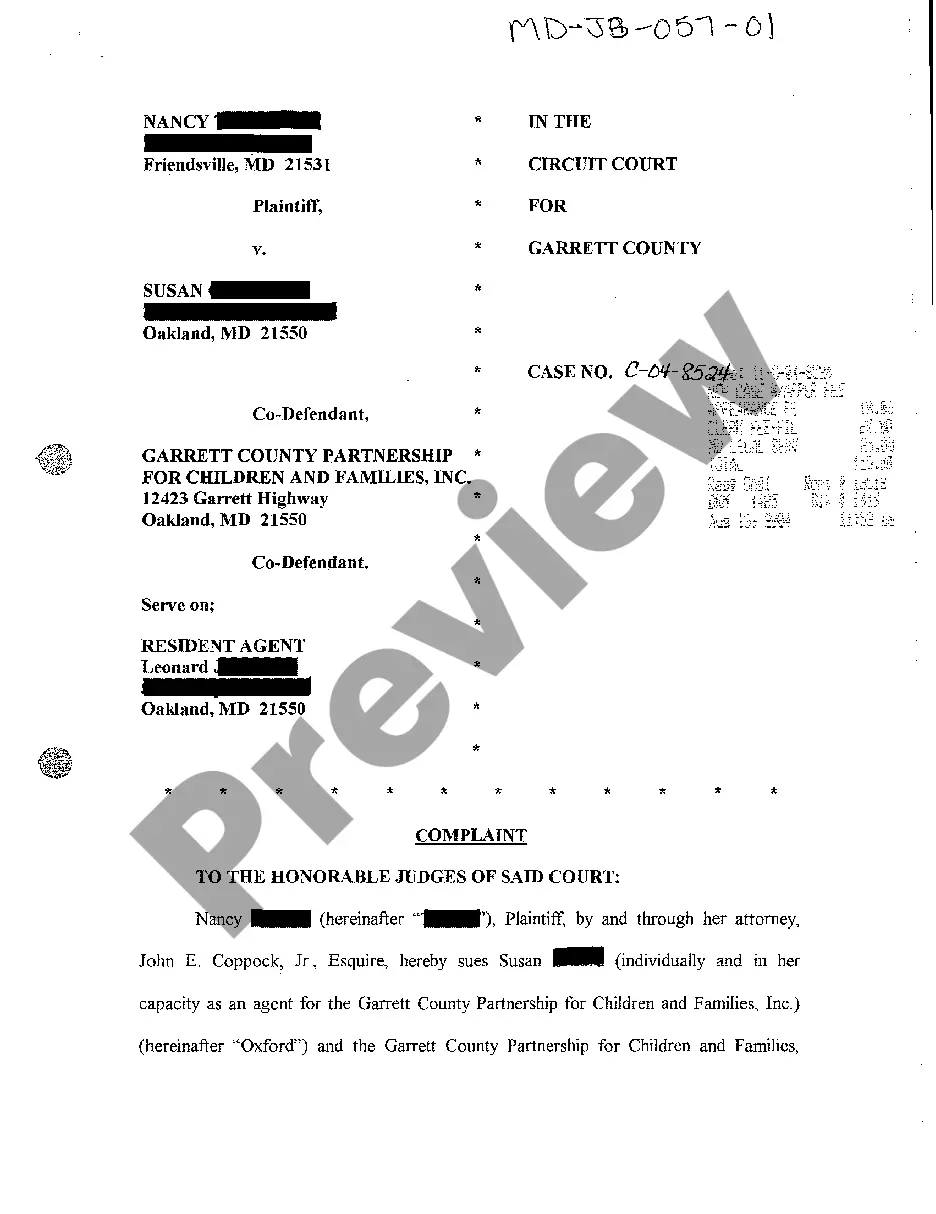
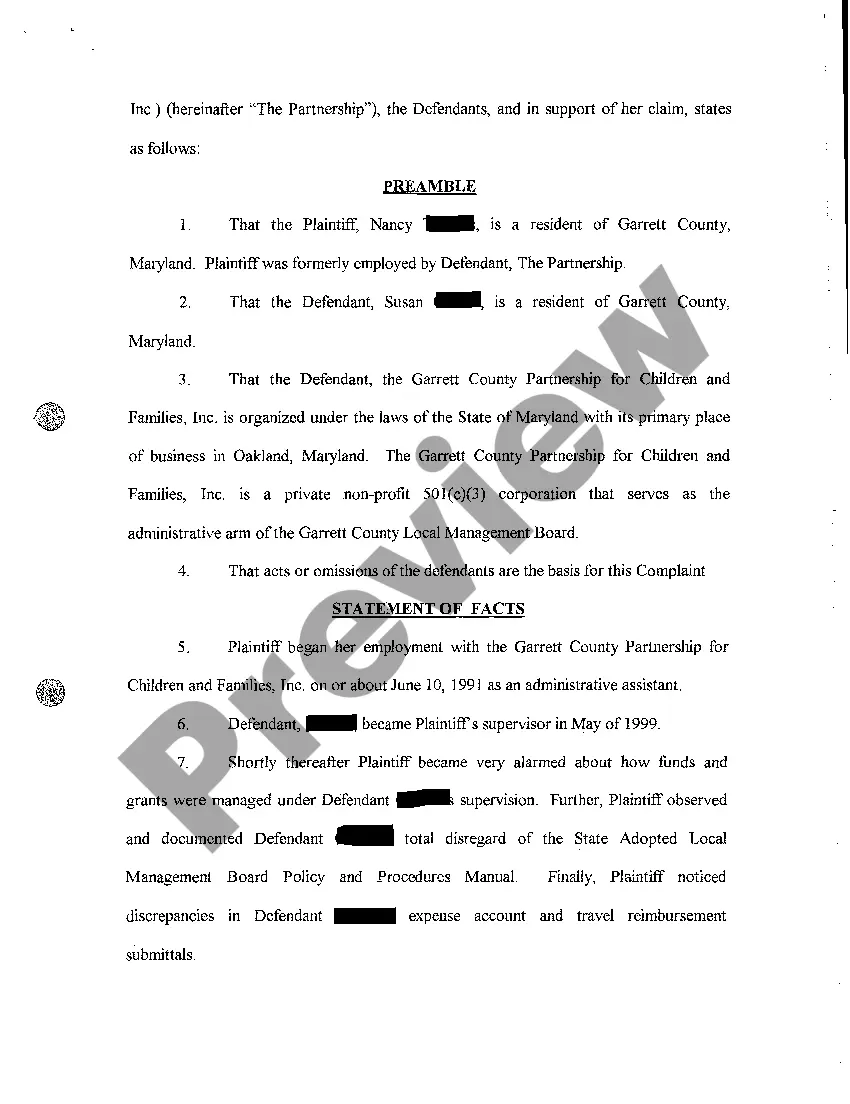
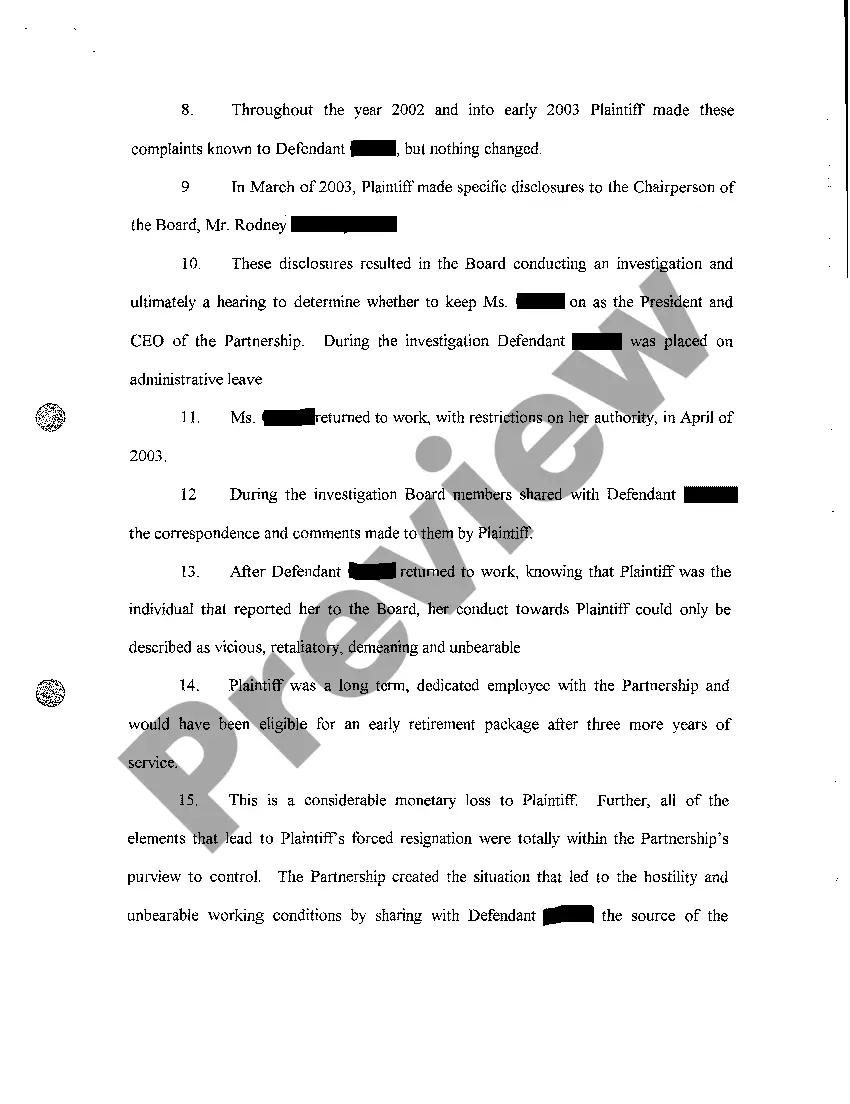
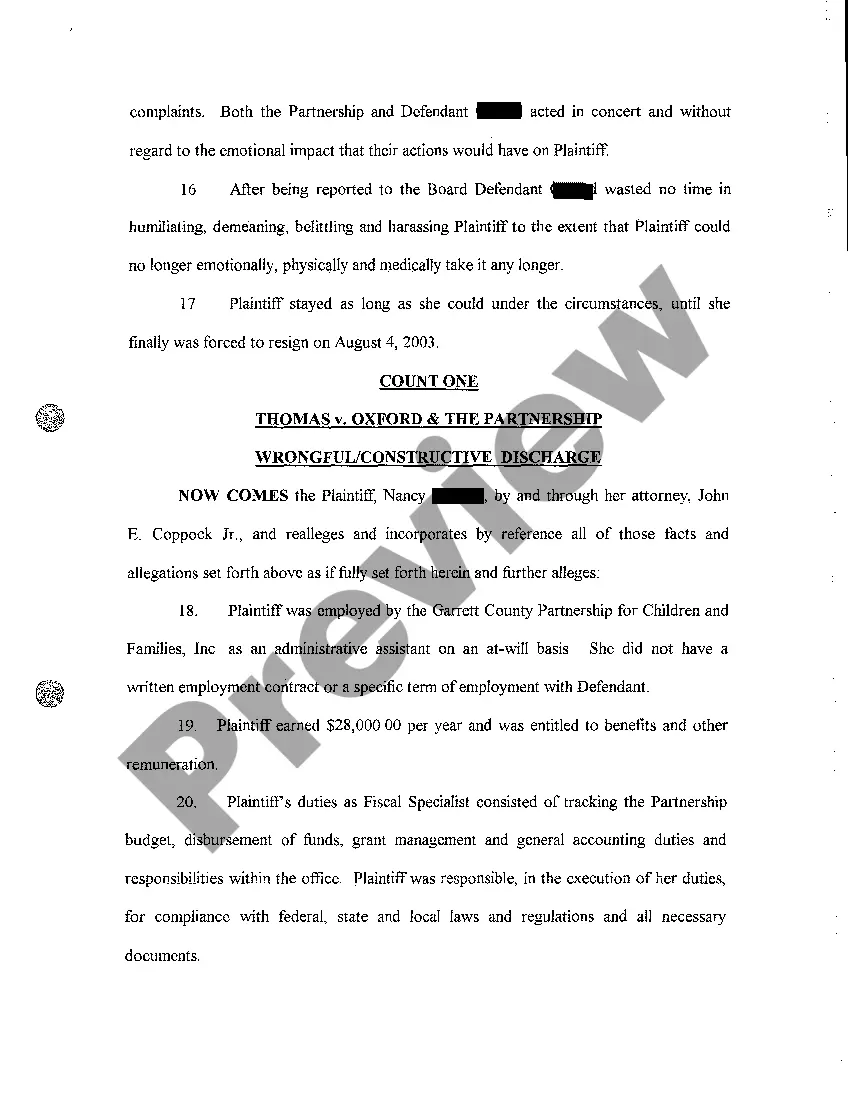
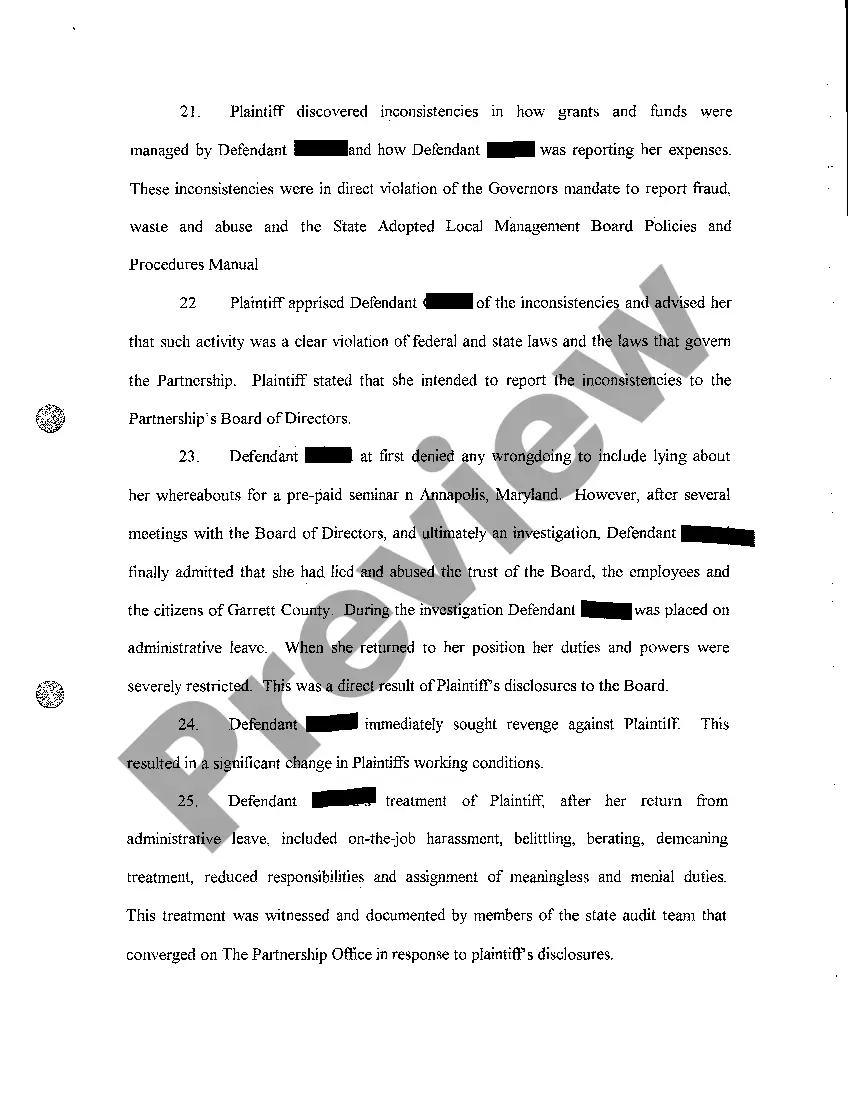
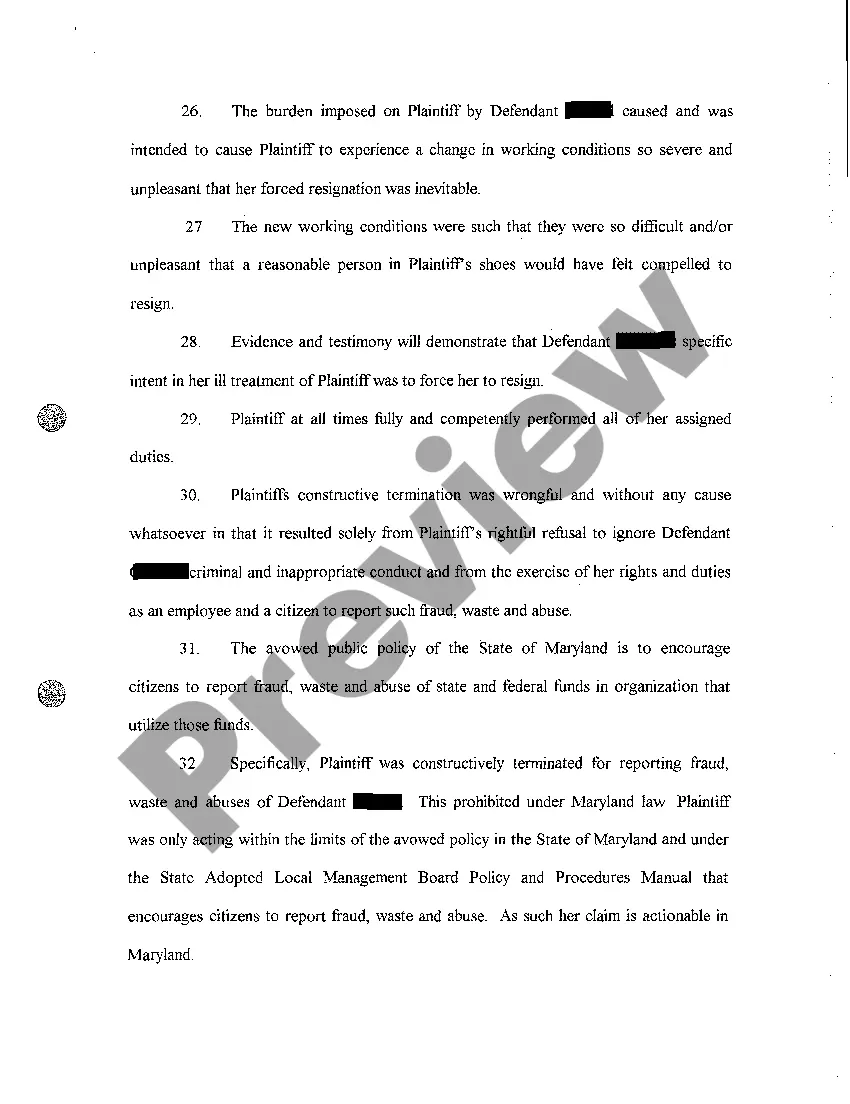
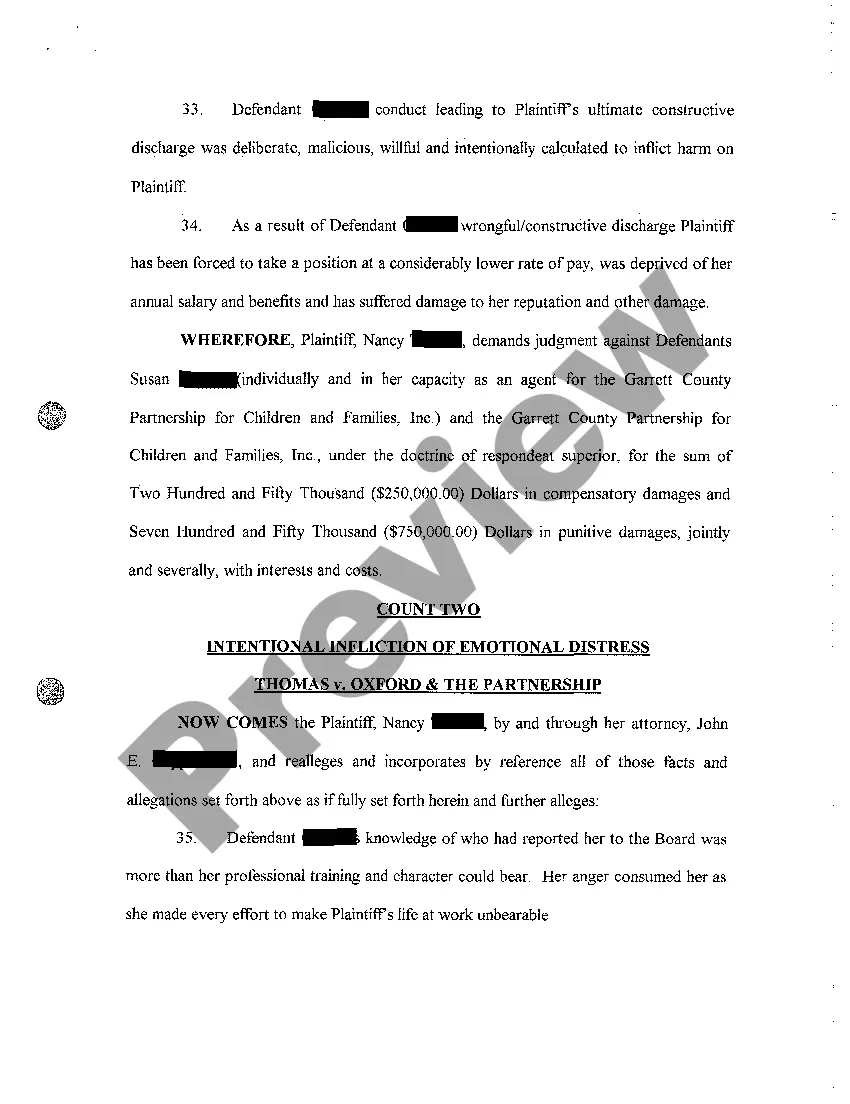
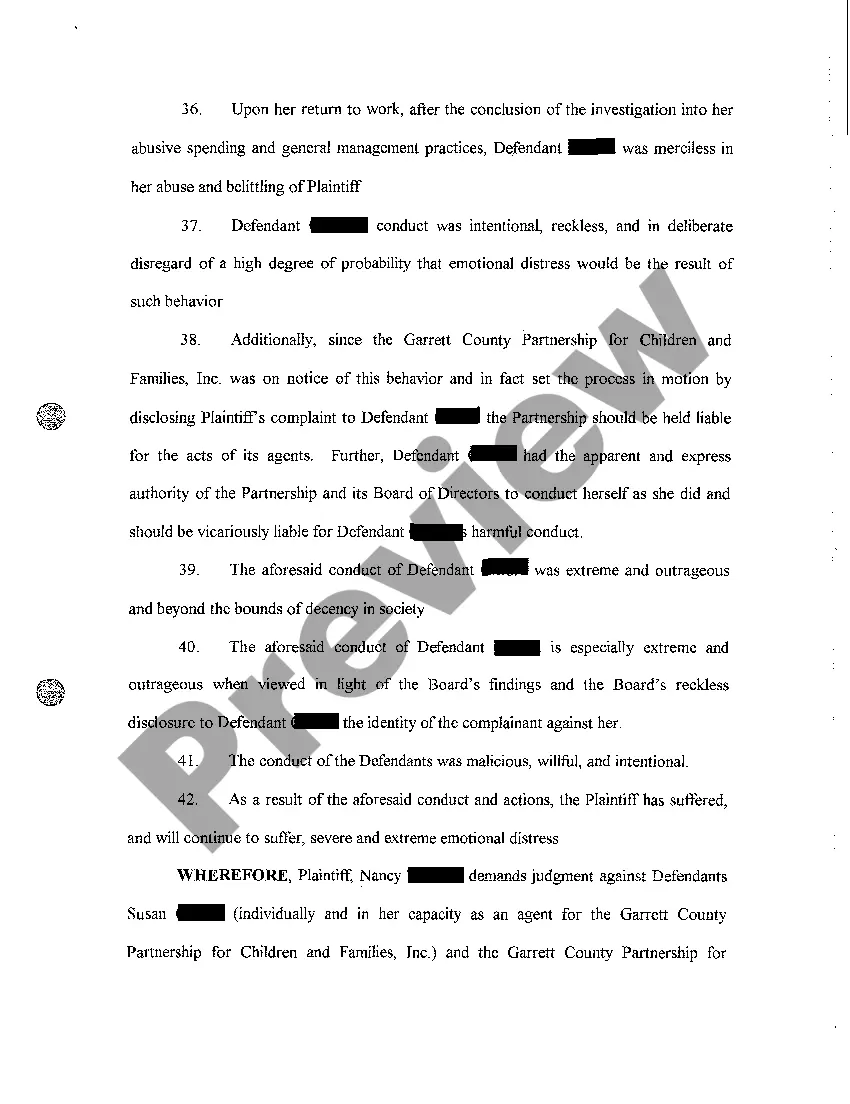
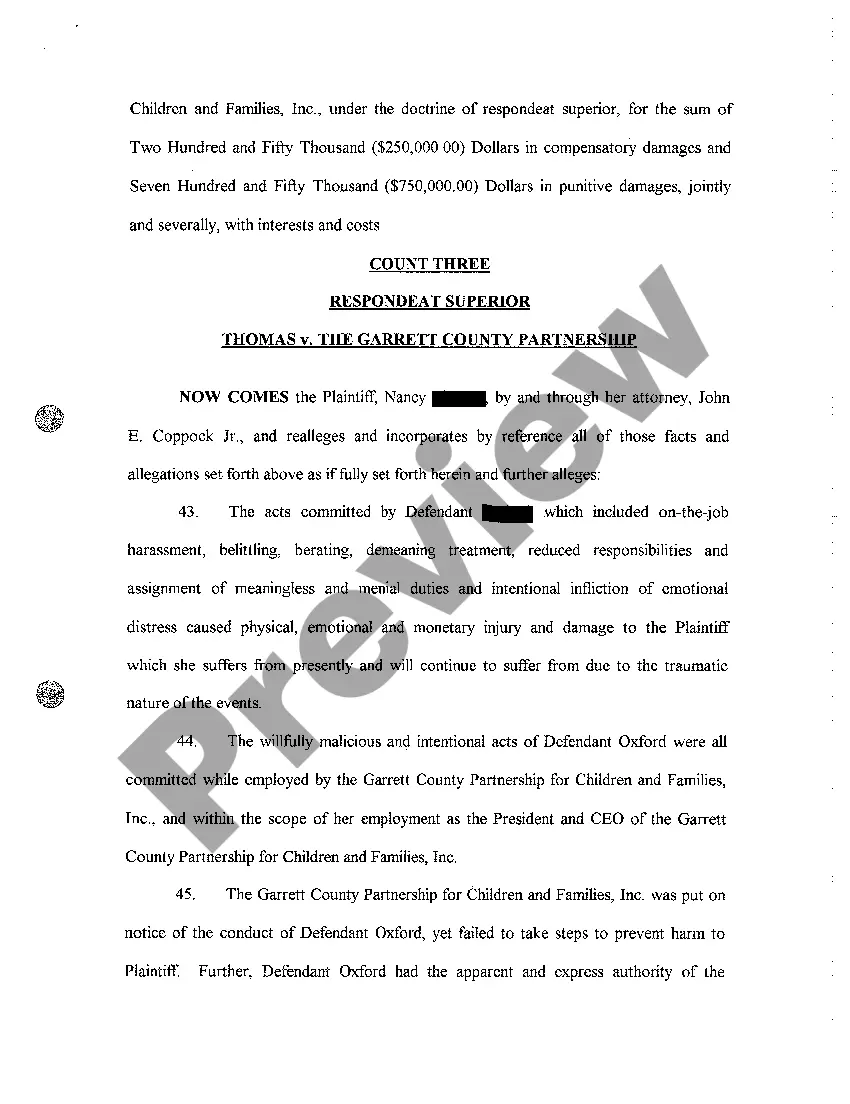
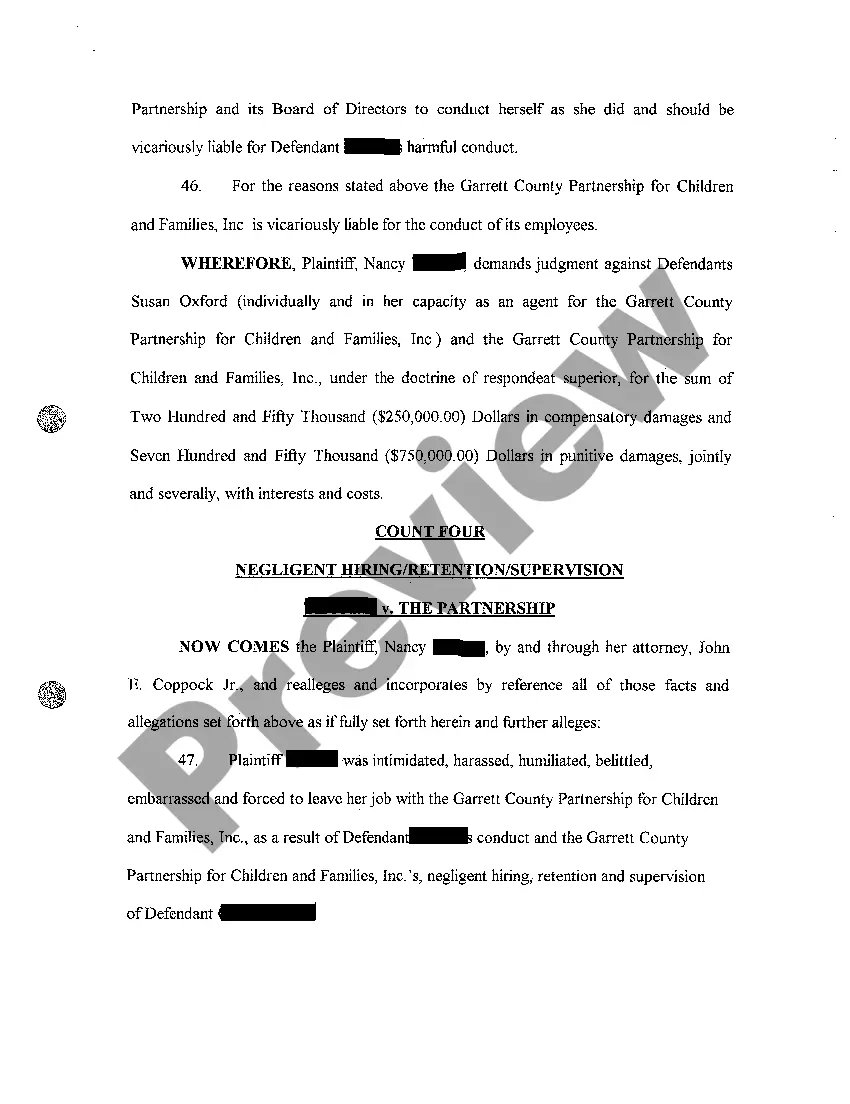






How to fill out Maryland Complaint Wrongful Discharge, Intentional Infliction Of Emotional Distress, Respondeat Superior, And Negligent Hiring, Retention, Supervision?
It’s well known that you cannot transform into a legal expert instantly, nor can you swiftly learn how to draft Respondeat And Superior without acquiring a unique set of abilities.
Assembling legal documents is a lengthy undertaking that demands specific education and expertise. So why not entrust the development of the Respondeat And Superior to the specialists.
With US Legal Forms, one of the largest legal document repositories, you can obtain anything from court documents to templates for internal company communication.
You can revisit your forms from the My documents tab at any time. If you’re a current customer, you can simply Log In, and locate and download the template from the same tab.
Regardless of the intention behind your documents—be it financial and legal, or personal—our website has you covered. Give US Legal Forms a try now!
- Identify the document you require by utilizing the search feature at the top of the page.
- Preview it (if this option is available) and review the accompanying description to determine if Respondeat And Superior is what you’re looking for.
- Reinitiate your search if you need a different template.
- Create a complimentary account and choose a subscription plan to acquire the template.
- Click Buy now. Once the payment is completed, you can download the Respondeat And Superior, fill it out, print it, and send or mail it to the appropriate individuals or organizations.
Form popularity
FAQ
Respondeat superior is a Latin phrase meaning ???let the master answer.? The legal doctrine of respondeat superior applies in certain tort cases and allows an employer or principal to be held liable for actions done on their behalf by staff members or agents.
Respondeat superior embodies the general rule that an employer is responsible for the negligent acts or omissions of its employees.
Respondeat superior is Latin for "let the master answer." This phrase comes from the common law doctrine that holds an employer liable for the wrongful acts of its employees. For example, if an employee is negligent and causes injury to someone or commits a crime, the employer could be held responsible.
Vicarious liability is a type of strict liability. Those who are sued under this legal doctrine can be held accountable for losses even without negligence. For example, if a server in a restaurant drops a hot pot of coffee on you and burns you, the restaurant is liable for the server's actions.
Respondeat superior is a legal doctrine, most commonly used in tort, that holds an employer or principal legally responsible for the wrongful acts of an employee or agent, if such acts occur within the scope of the employment or agency.