Tod Form For Real Estate
Description
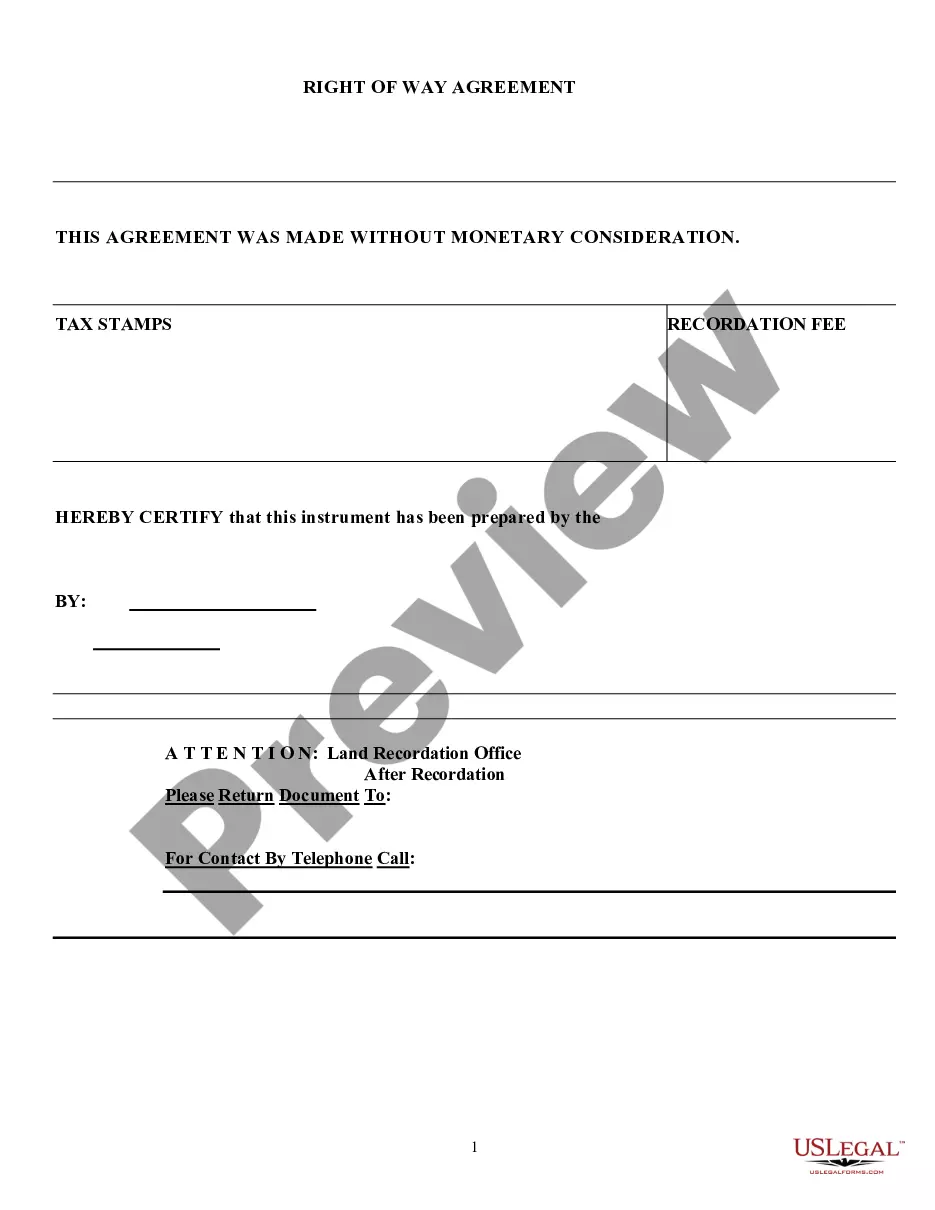
Get your form ready online
Our built-in tools help you complete, sign, share, and store your documents in one place.
Make edits, fill in missing information, and update formatting in US Legal Forms—just like you would in MS Word.
Download a copy, print it, send it by email, or mail it via USPS—whatever works best for your next step.
Sign and collect signatures with our SignNow integration. Send to multiple recipients, set reminders, and more. Go Premium to unlock E-Sign.
If this form requires notarization, complete it online through a secure video call—no need to meet a notary in person or wait for an appointment.
We protect your documents and personal data by following strict security and privacy standards.

Make edits, fill in missing information, and update formatting in US Legal Forms—just like you would in MS Word.

Download a copy, print it, send it by email, or mail it via USPS—whatever works best for your next step.

Sign and collect signatures with our SignNow integration. Send to multiple recipients, set reminders, and more. Go Premium to unlock E-Sign.

If this form requires notarization, complete it online through a secure video call—no need to meet a notary in person or wait for an appointment.

We protect your documents and personal data by following strict security and privacy standards.
Looking for another form?

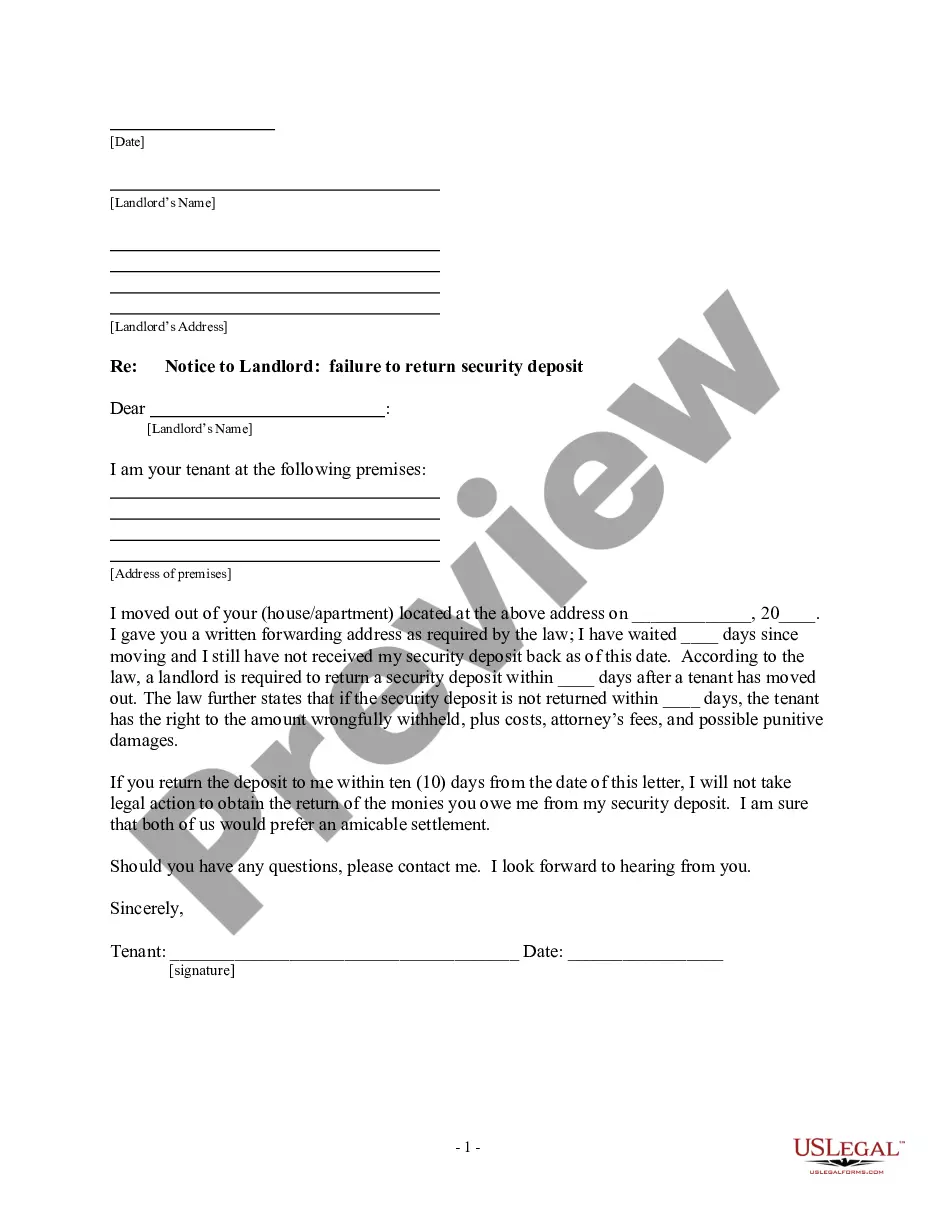
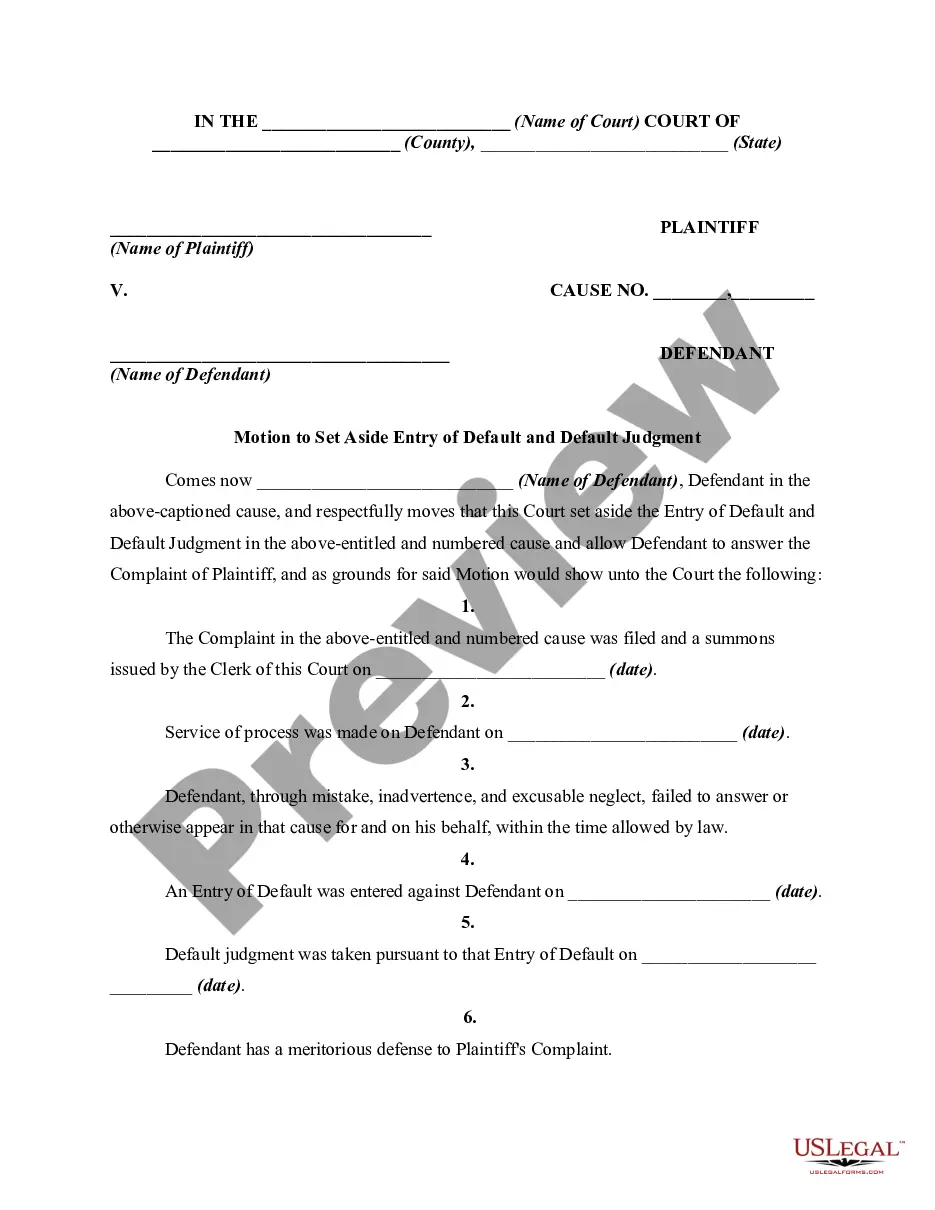

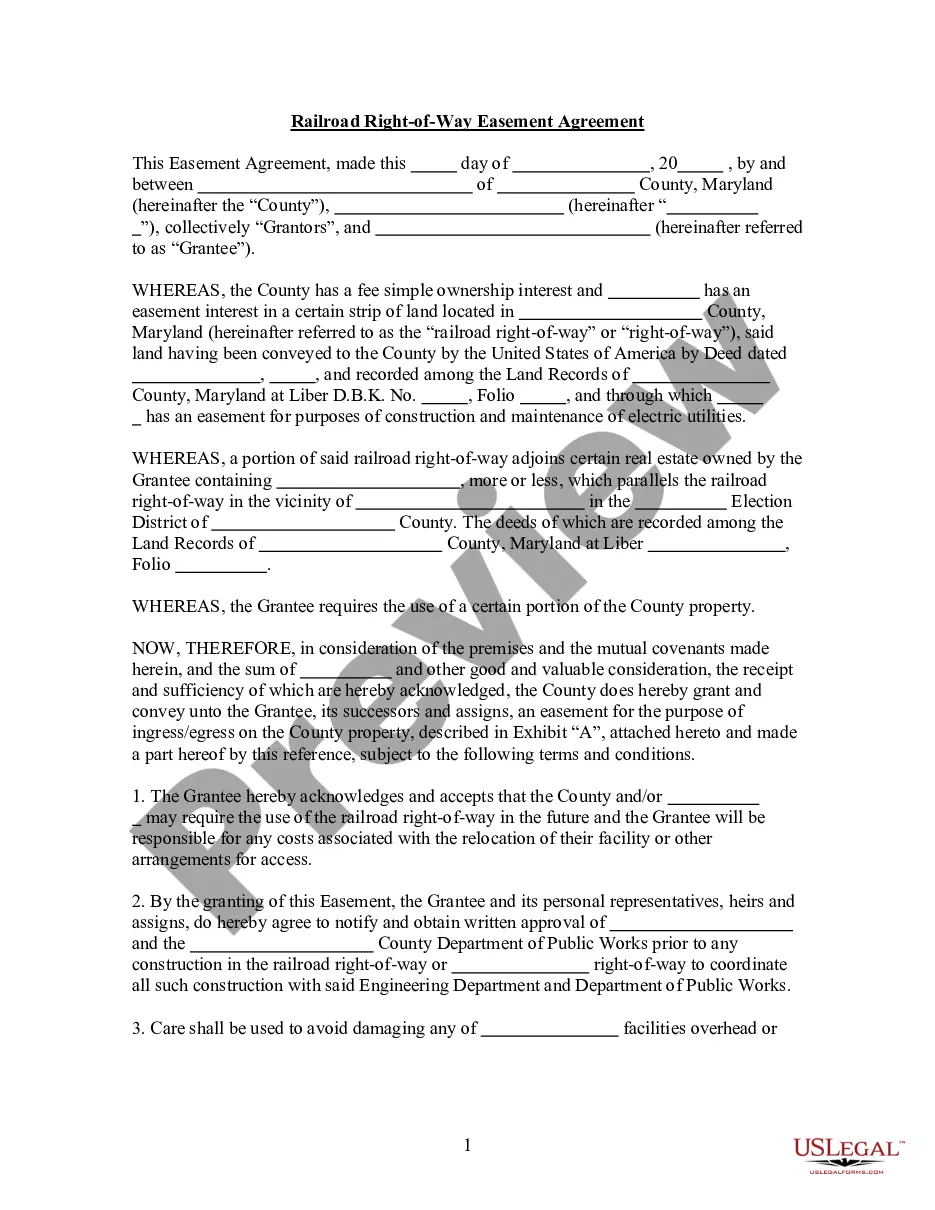
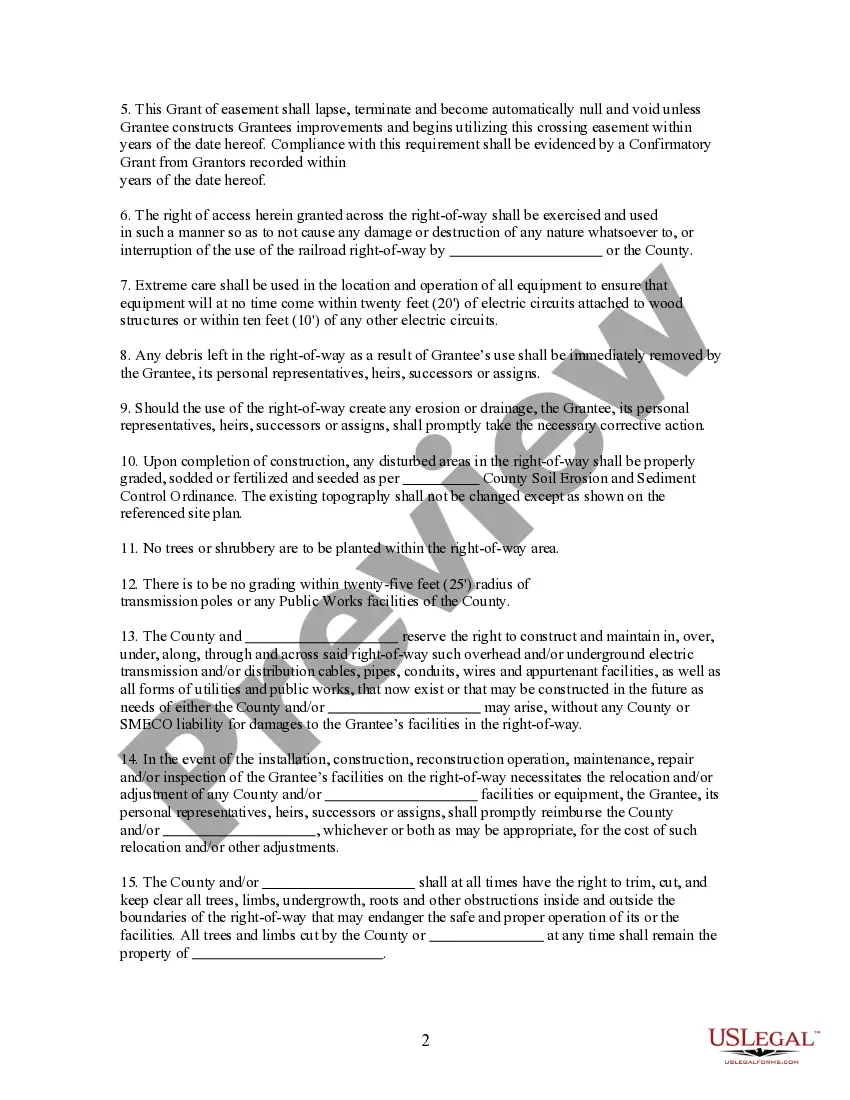
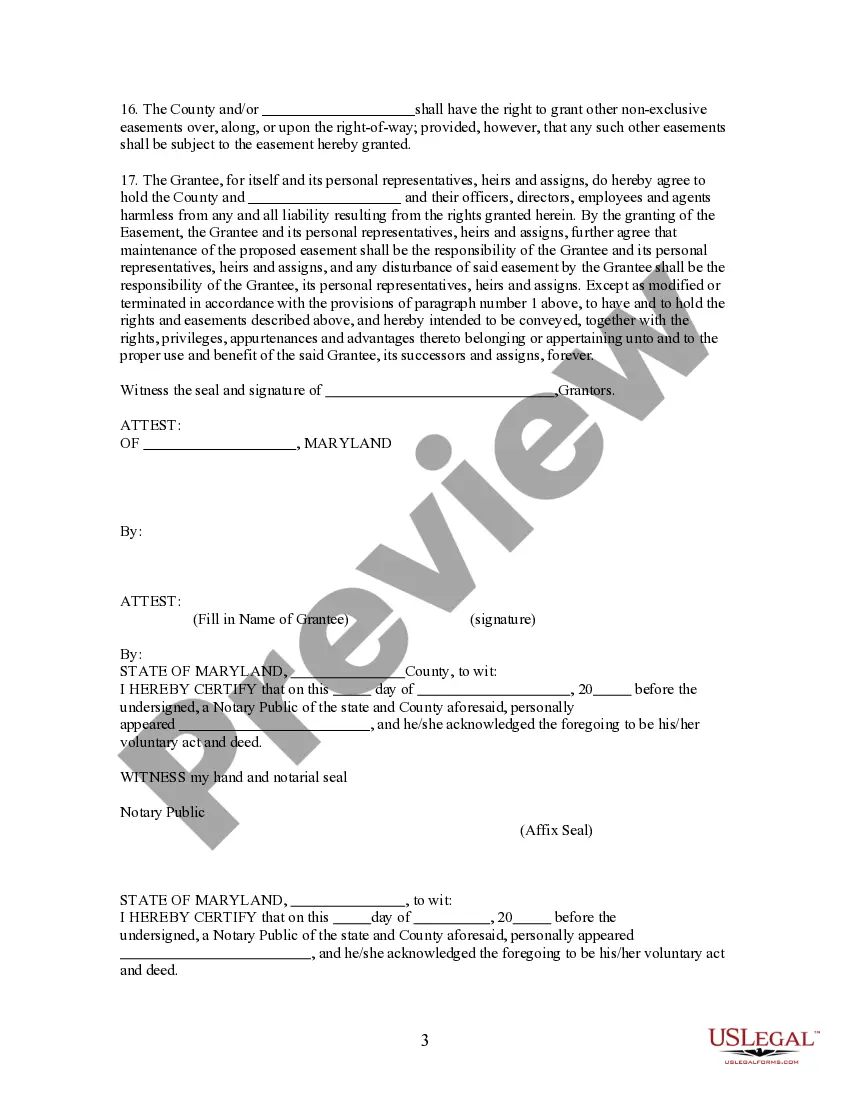
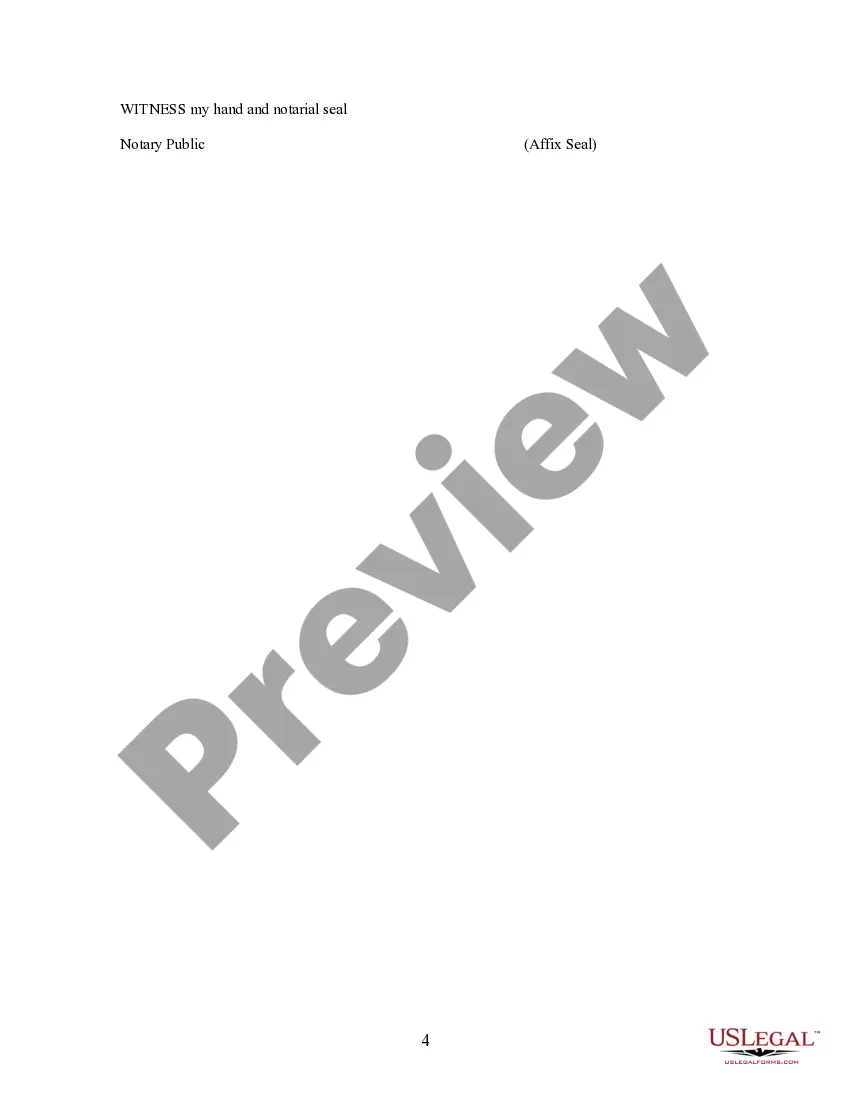
How to fill out Maryland Railroad Right Of Way Easement Agreement?
- Log in to your account if you're a returning user. Ensure your subscription is valid before attempting to download any forms.
- For first-time users, start by reviewing the preview mode and description of the Tod form to confirm it aligns with your local requirements.
- If necessary, utilize the Search tab above to locate the correct form that meets your needs.
- Once you've identified the correct Tod form, click the 'Buy Now' button and select your preferred subscription plan to gain access.
- Complete the purchase by entering your payment details, whether using a credit card or PayPal.
- Finally, download your Tod form and save it to your device, ensuring easy access from the 'My Forms' section of your account whenever needed.
By using US Legal Forms, you gain access to an extensive library with over 85,000 editable legal forms, ensuring you have the tools necessary for precise documentation.
Don’t miss out on the convenience and reliability of US Legal Forms. Start your journey towards hassle-free document creation today!
Form popularity
FAQ
A Tod form for real estate can have drawbacks that some may see as negatives. For instance, if an heir predeceases you, without proper planning, the property may not automatically go to their descendants. Furthermore, this form of transfer may lead to unintended consequences if not executed correctly, such as disputes among heirs. It's crucial to consider all factors and seek professional advice to ensure your wishes are honored.
One disadvantage of a Tod form for real estate is that it does not offer protection from creditors. If your estate has unpaid debts, creditors may still claim against the property before your heirs receive it. Additionally, this type of deed cannot be used for properties with multiple owners, complicating matters in joint ownership scenarios. Lastly, any changes to your wishes must be properly documented to avoid confusion among heirs.
While a Tod form for real estate simplifies property transfer, it does not automatically avoid inheritance tax. Inheriting property may still trigger taxes based on the value of the estate. It is essential to consult a tax advisor to understand the potential tax implications for your heirs. Using a Tod form can, however, minimize complications during the inheritance process.
One effective method for leaving your house to your heirs is by using a Tod form for real estate. This document allows you to transfer ownership of your property upon your passing without going through probate. It provides clear instructions on how you want the property transferred, making it a straightforward option for many homeowners. Additionally, the use of a Tod form ensures that your heirs receive the property more quickly, safeguarding your wishes.
You do not necessarily need a lawyer to complete a TOD form for real estate, as the process may be straightforward for many property owners. However, consulting with a lawyer can enhance your understanding of the form's implications and consequences. Engaging legal help ensures that the document is compliant with state laws and reflects your intentions accurately. For those unsure about the process, a legal professional can provide valuable guidance.
A TOD form for real estate is a legal document that allows property owners to designate a beneficiary to receive their property upon death. This form bypasses the probate process, which can be lengthy and costly, allowing for quicker transfers to beneficiaries. It is a straightforward solution for individuals wanting to ensure their property's smooth transition. Utilizing a platform like uslegalforms can simplify the process further.
A TOD form for real estate simplifies the transfer process but is not as comprehensive as a will. A will addresses a broader range of assets, provides instructions for managing affairs, and can outline guardianship for minors. While a TOD is effective for transferring property directly, a well-drafted will may better serve individuals with varied estate planning needs. Therefore, evaluating both options is essential to ensure your wishes are honored.
The main disadvantage of a TOD form for real estate is its inability to account for situations such as changes in relationships or disputes among family members. If the property owner does not update the TOD form when circumstances change, it may cause conflicts among heirs. This limitation emphasizes the importance of regularly reviewing and updating your estate planning documents to reflect current intentions.
One downside of a TOD form for real estate is that it does not address debts incurred by the property owner. If the owner has outstanding debts, creditors may claim the property before it transfers to the beneficiary. Additionally, if the beneficiary is unable or unwilling to accept the property, issues may arise. Understanding these factors can help you make an informed decision.
While you can complete a TOD form for real estate without a lawyer, seeking legal advice can provide added security and clarity. A lawyer can help you understand the implications and ensure the form meets all legal requirements. Engaging a lawyer might be beneficial, especially for complex situations or if you have multiple heirs. Ultimately, having legal assistance can save you from potential issues down the line.