Notice Landlord Tenant With No Consent
Description
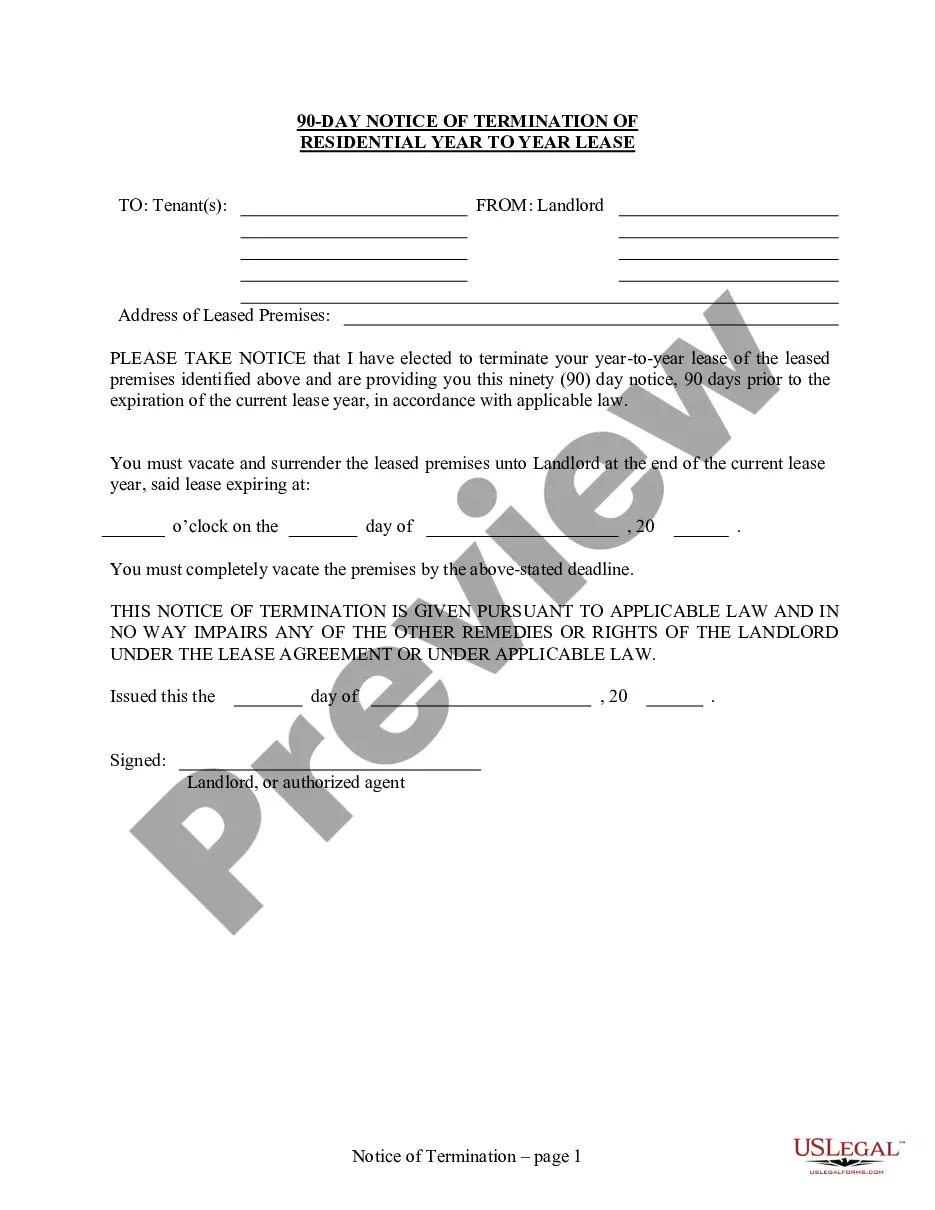
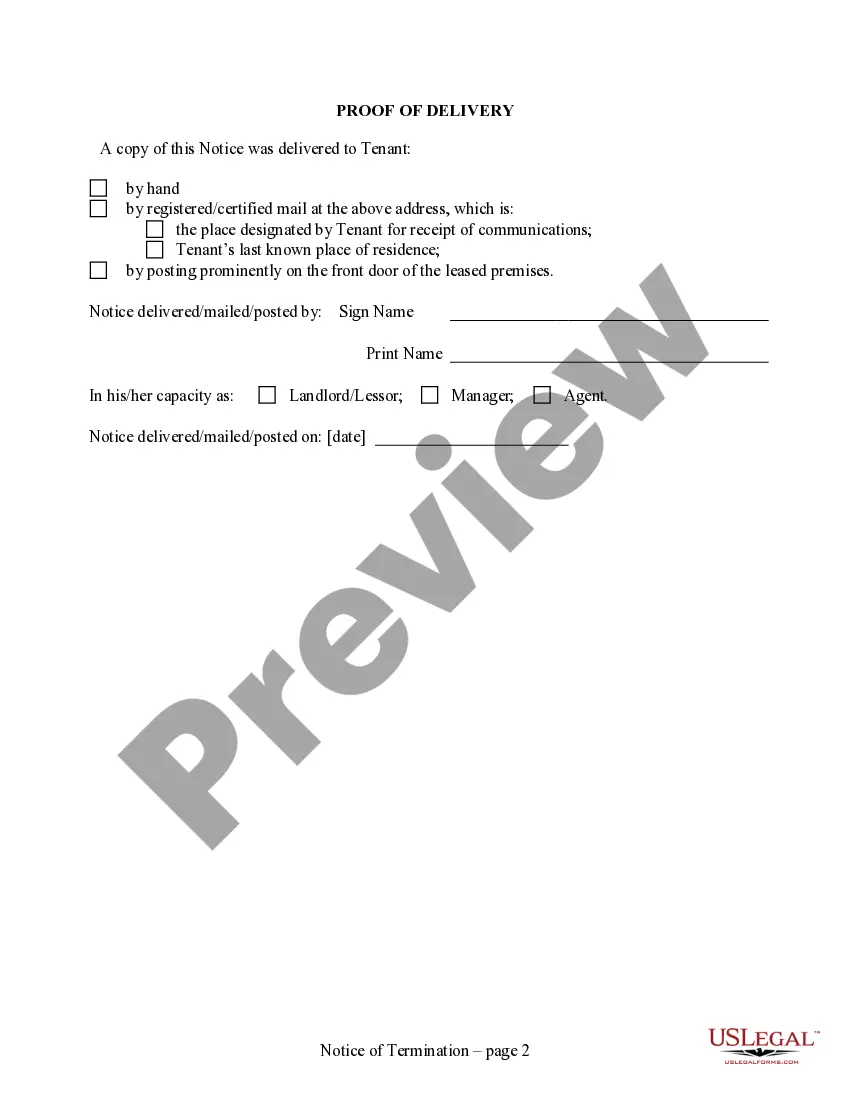
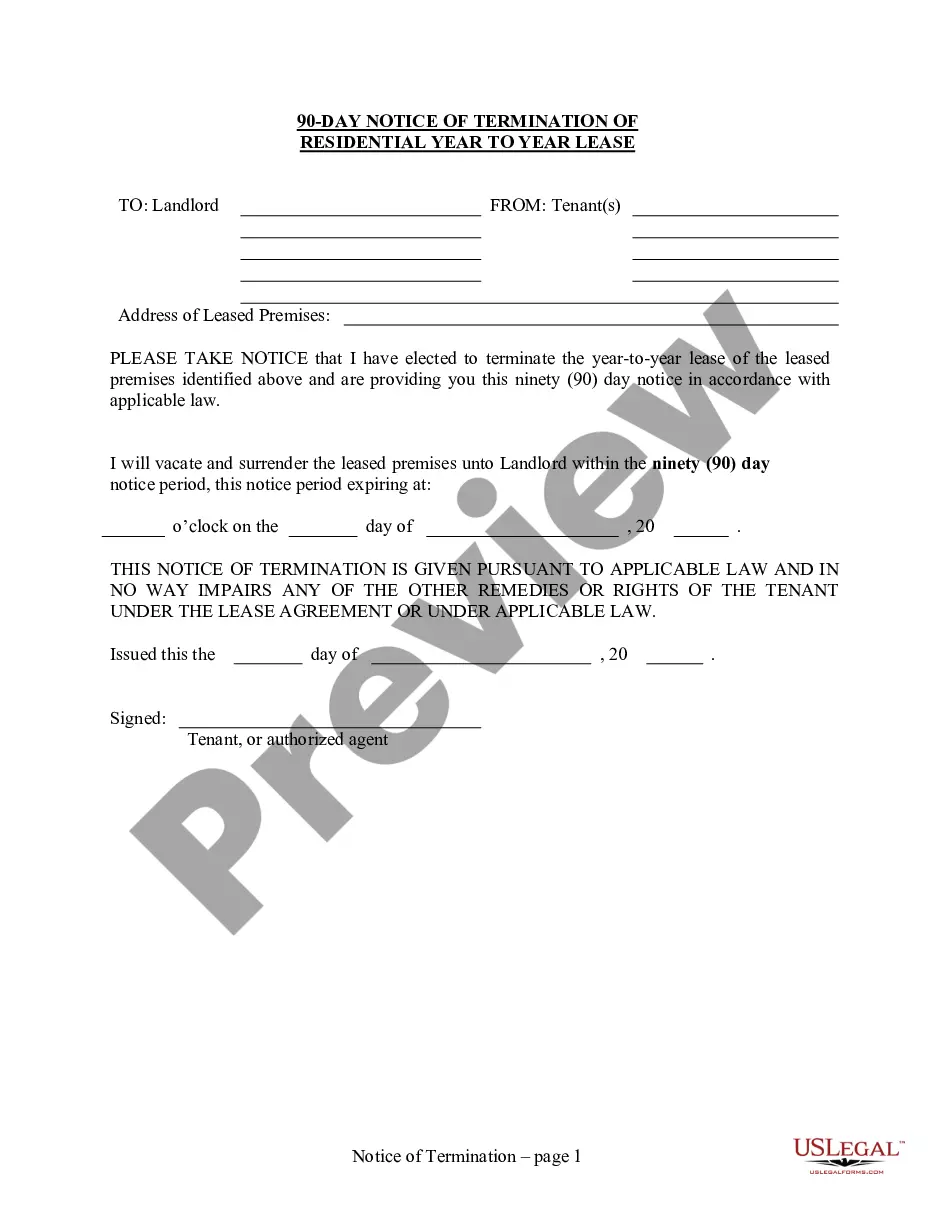
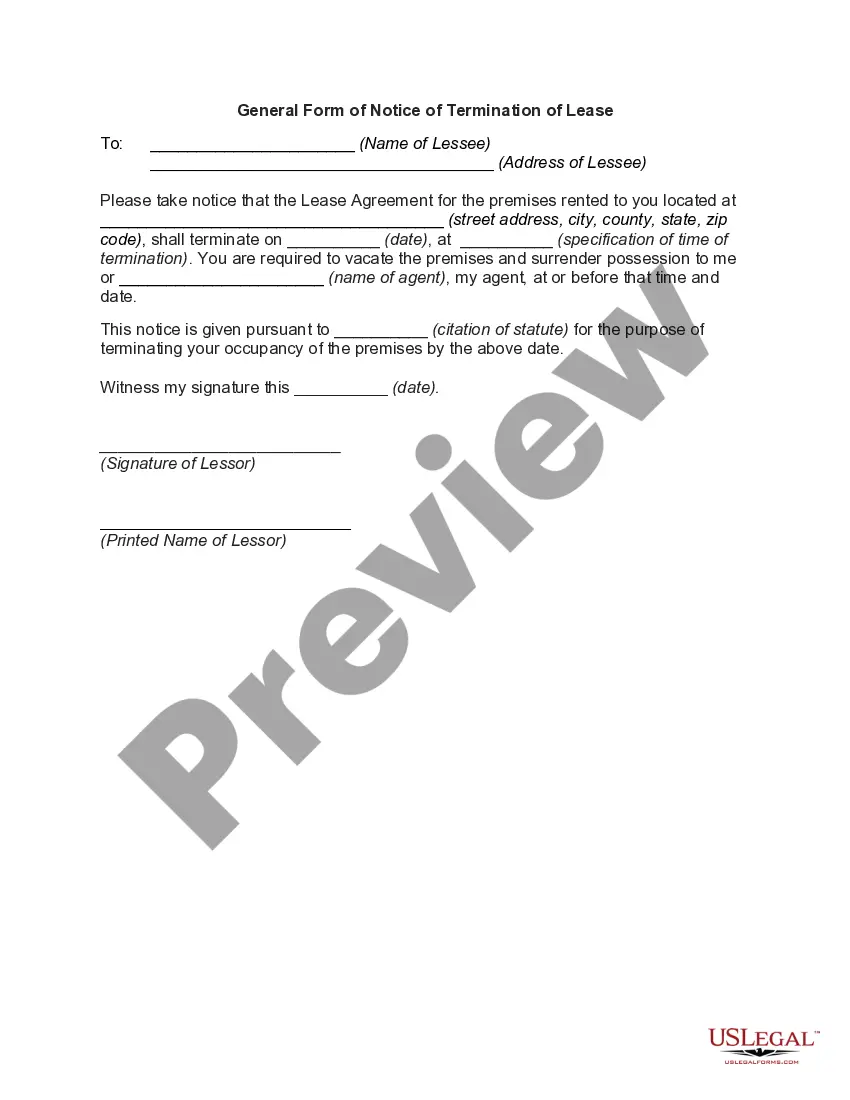

Get your form ready online
Our built-in tools help you complete, sign, share, and store your documents in one place.
Make edits, fill in missing information, and update formatting in US Legal Forms—just like you would in MS Word.
Download a copy, print it, send it by email, or mail it via USPS—whatever works best for your next step.
Sign and collect signatures with our SignNow integration. Send to multiple recipients, set reminders, and more. Go Premium to unlock E-Sign.
If this form requires notarization, complete it online through a secure video call—no need to meet a notary in person or wait for an appointment.
We protect your documents and personal data by following strict security and privacy standards.

Make edits, fill in missing information, and update formatting in US Legal Forms—just like you would in MS Word.

Download a copy, print it, send it by email, or mail it via USPS—whatever works best for your next step.

Sign and collect signatures with our SignNow integration. Send to multiple recipients, set reminders, and more. Go Premium to unlock E-Sign.

If this form requires notarization, complete it online through a secure video call—no need to meet a notary in person or wait for an appointment.

We protect your documents and personal data by following strict security and privacy standards.
Looking for another form?








How to fill out Maryland 90 Day Notice To Terminate Year To Year Lease - Residential From Landlord To Tenant?
- If you are a returning user, log in to your account and locate the required form template. Click the Download button to save it to your device, ensuring your subscription is active; renew if necessary.
- For first-time users, start by previewing the available forms. Read the descriptions to confirm you have chosen the correct document that fits your local jurisdiction's requirements.
- If needed, use the Search feature to find additional templates that might better suit your situation. Ensure the selected form meets your specific needs before proceeding.
- Proceed to purchase the document by clicking on the Buy Now button. Select a subscription plan that works for you and create an account to access the form library.
- Complete the purchase by entering your payment details using either a credit card or PayPal. This will grant you access to your chosen documents.
- Download your selected form to your device. You can access it anytime in the My Forms section of your account for future reference.
By following these steps, you can quickly obtain the right legal forms from US Legal Forms—a service designed to assist both individuals and attorneys in executing legal documents efficiently.
Take advantage of our extensive library today to ensure your legal needs are met with precision. Start your journey with US Legal Forms now!
Form popularity
FAQ
The minimum notice a landlord can give to a tenant largely depends on the lease agreement and state laws. In many cases, landlords must provide at least 30 days' notice for lease termination or eviction. However, specifics can vary, so it is wise to check local regulations. Rental agreements and notice landlord tenant with no consent are crucial elements to understand for both parties to ensure compliance and avoid conflicts.
If a tenant leaves without giving notice, a landlord has several options under the law. The landlord can retain the security deposit to cover unpaid rent, or they may seek to recover losses through legal action. It's important for landlords to document the situation carefully and follow state regulations to handle the issue appropriately, especially when faced with a notice landlord tenant with no consent. Solutions like those offered by uslegalforms can help landlords navigate these difficulties effectively.
Yes, a tenant can refuse entry to a landlord in Ohio, particularly if the landlord has not provided proper notice or consent is not given. The law requires landlords to give reasonable notice before entering a rental property, usually 24 hours, unless there is an emergency. If a tenant receives a notice landlord tenant with no consent, they can assert their rights to maintain their privacy. Understanding these rights helps ensure a balanced relationship between tenants and landlords.
In North Carolina, landlords must provide notice before entering a rental premises, usually 24 hours. Showing up unannounced can violate tenant rights. If you experience such interruptions, document each incident and consider issuing a notice landlord tenant with no consent. Seeking assistance from platforms like USLegalForms can help you navigate these issues.
Yes, landlords may take pictures of your property, but they typically need your consent or must provide adequate notice. Knowing your rights can help you maintain your privacy. If you face issues with unauthorized photography, you might send a notice landlord tenant with no consent to clarify rules. Legal resources are available to support your case.
Landlords generally cannot take pictures of a tenant's property without their explicit consent. This rule exists to protect tenant privacy under various laws. If you find yourself in this situation, you can issue a notice landlord tenant with no consent to address the issue. It’s essential to know your rights and respond appropriately.
In California, landlords must respect tenants' privacy rights and cannot take pictures without consent. If you suspect your landlord is taking photos without permission, document the situation. You can issue a notice landlord tenant with no consent, addressing this inappropriate behavior. Consider speaking with a legal advisor to safeguard your rights.
In Texas, landlords must provide notice before entering a rental property, typically 24 hours in advance. If your landlord enters without permission, document the incident and communicate your concerns. You may send a notice landlord tenant with no consent if this behavior continues. Legal recourse is an option if your privacy is repeatedly violated.
Taking pictures of your property without your consent can raise legal concerns. According to laws regarding privacy and tenant rights, if someone takes photos without permission, it could be considered a violation. If you receive a notice landlord tenant with no consent, it may be wise to consult legal advice. Protecting your privacy is essential.
Kicking someone out who is not on the lease can be tricky. First, determine if the individual has any legal rights to reside at the property. You may issue a Notice landlord tenant with no consent to officially communicate your decision. If necessary, use resources like US Legal Forms to navigate the appropriate legal steps and avoid potential disputes.