Right To Quiet Enjoyment Maryland For Tenants
Description


Get your form ready online
Our built-in tools help you complete, sign, share, and store your documents in one place.
Make edits, fill in missing information, and update formatting in US Legal Forms—just like you would in MS Word.
Download a copy, print it, send it by email, or mail it via USPS—whatever works best for your next step.
Sign and collect signatures with our SignNow integration. Send to multiple recipients, set reminders, and more. Go Premium to unlock E-Sign.
If this form requires notarization, complete it online through a secure video call—no need to meet a notary in person or wait for an appointment.
We protect your documents and personal data by following strict security and privacy standards.

Make edits, fill in missing information, and update formatting in US Legal Forms—just like you would in MS Word.

Download a copy, print it, send it by email, or mail it via USPS—whatever works best for your next step.

Sign and collect signatures with our SignNow integration. Send to multiple recipients, set reminders, and more. Go Premium to unlock E-Sign.

If this form requires notarization, complete it online through a secure video call—no need to meet a notary in person or wait for an appointment.

We protect your documents and personal data by following strict security and privacy standards.
Looking for another form?
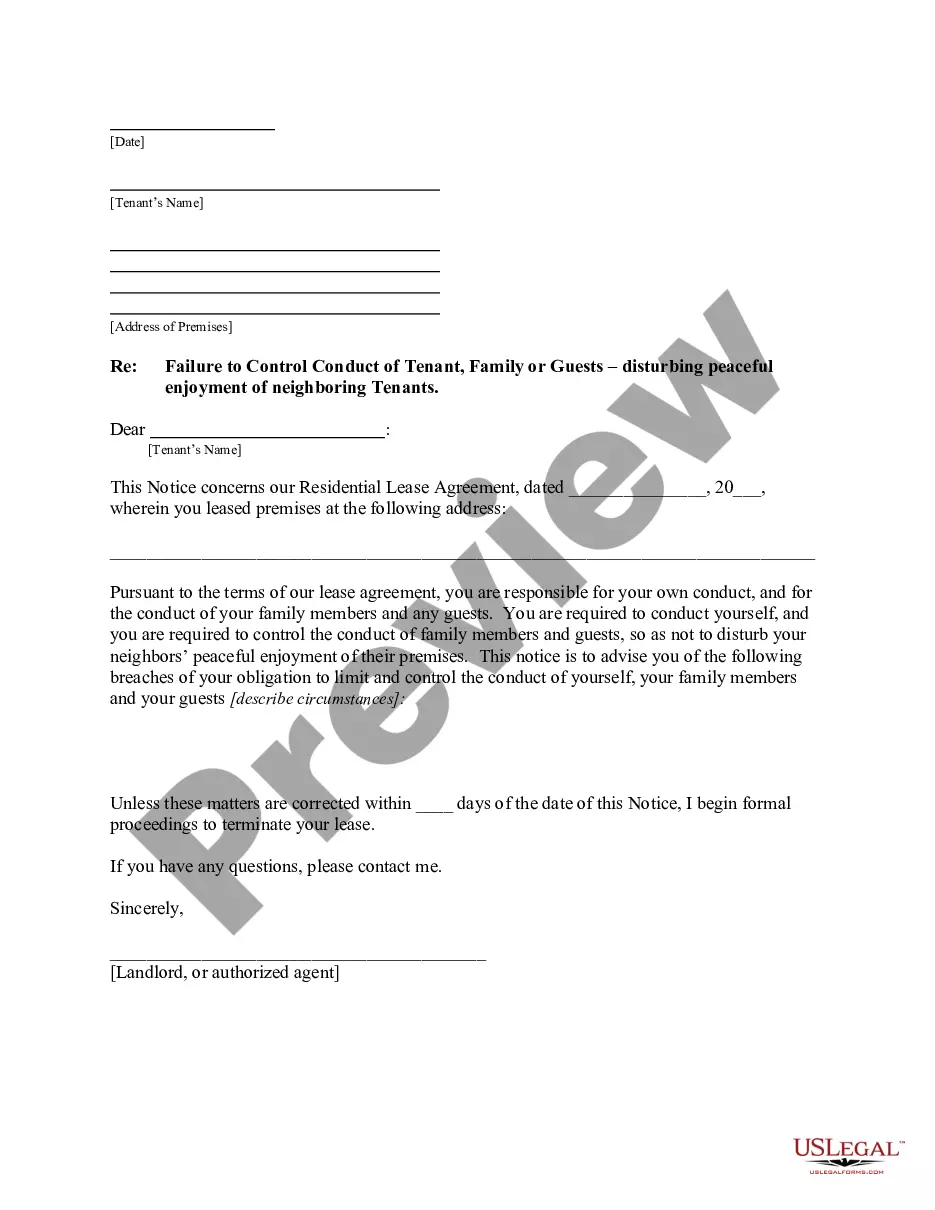
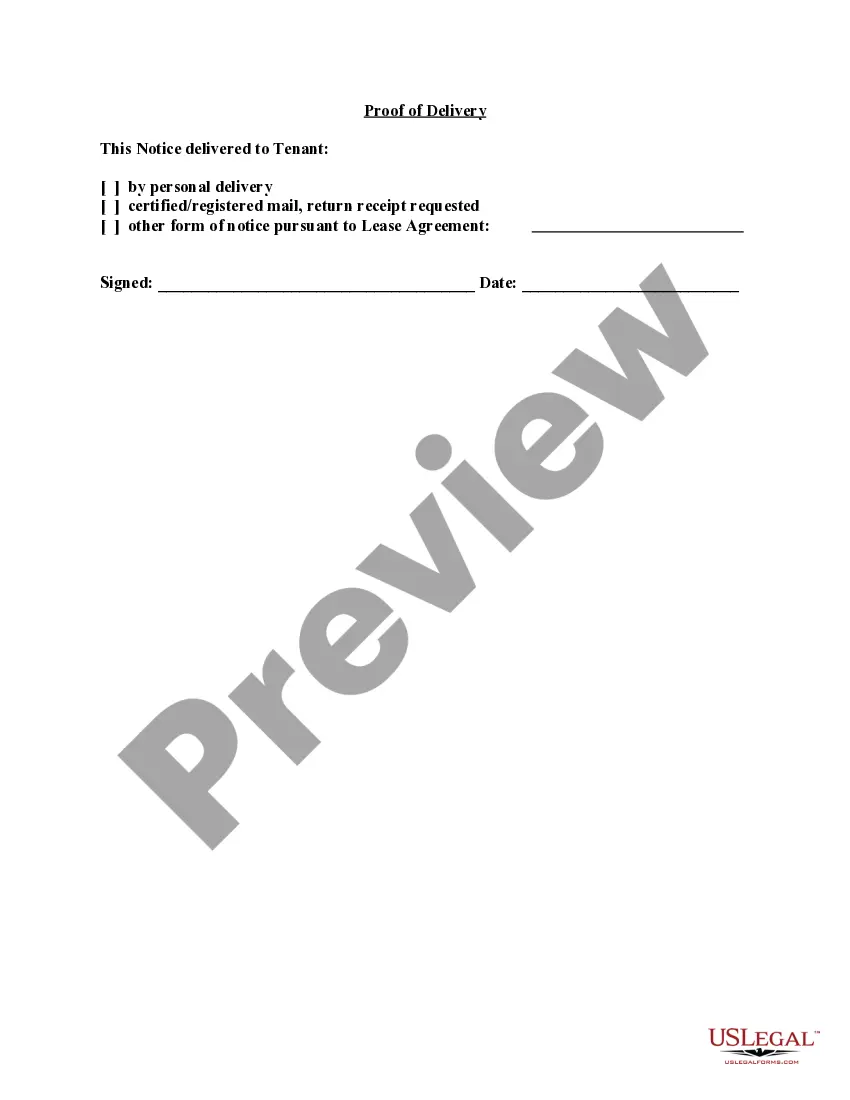
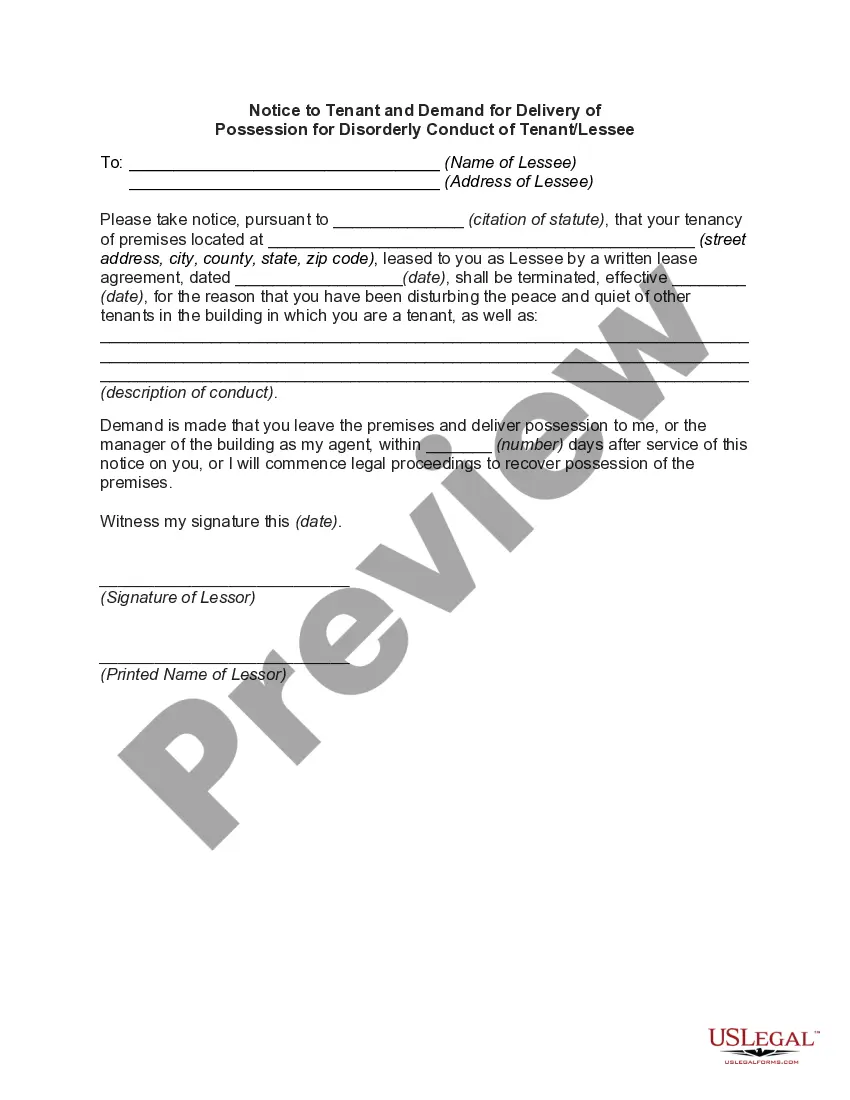
How to fill out Maryland Letter From Landlord To Tenant As Notice To Tenant Of Tenant's Disturbance Of Neighbors' Peaceful Enjoyment To Remedy Or Lease Terminates?
Discovering a trusted venue to obtain the latest and suitable legal templates is part of the challenge of navigating bureaucracy.
Locating the appropriate legal documents requires precision and carefulness, which is why it is essential to source samples of Right To Quiet Enjoyment Maryland For Tenants solely from dependable sources, such as US Legal Forms.
Once you have the form on your device, you can edit it with the editor or print it and fill it out by hand. Eliminate the difficulties associated with your legal documents. Browse the extensive US Legal Forms catalog where you can discover legal templates, verify their applicability to your situation, and download them instantly.
- Use the library navigation or search bar to locate your template.
- Review the form’s description to verify if it meets the standards of your state and region.
- Access the form preview, if available, to confirm that the template is indeed what you need.
- Return to the search and find a suitable document if the Right To Quiet Enjoyment Maryland For Tenants does not fulfill your needs.
- If you are confident about the form’s appropriateness, download it.
- If you are a registered user, click Log in to verify and access your selected forms in My documents.
- If you do not yet have an account, click Buy now to acquire the form.
- Select the pricing plan that aligns with your requirements.
- Continue to the registration to finalize your purchase.
- Complete your purchase by choosing a payment method (credit card or PayPal).
- Select the document format for downloading Right To Quiet Enjoyment Maryland For Tenants.
Form popularity
FAQ
A tenant's right to quiet enjoyment refers to the guarantee of a peaceful living environment without disturbances. In Maryland, this right protects you from excessive noise and disruptions caused by landlords or neighbors. If you experience violations, you can assert your rights to ensure compliance. Understanding your right to quiet enjoyment in Maryland for tenants is essential for maintaining a harmonious home.
To file a noise complaint in Maryland, start by documenting the noise incidents. Keep a record of dates, times, and the nature of the noise. Then, contact your local authorities or your landlord, as they may have specific procedures for addressing noise issues. Remember, your right to quiet enjoyment in Maryland for tenants includes a peaceful living environment, so take action when necessary.
In Maryland, noise complaint laws address excessive noise that disrupts the peace of others, including tenants. Local ordinances often define acceptable noise levels and establish quiet hours to minimize disturbances. If you encounter persistent noise issues, you can report them to local authorities or your landlord. Utilizing resources like USLegalForms can help you understand your rights and take appropriate steps to resolve noise complaints effectively.
The right to quiet enjoyment in Maryland for tenants ensures that you can live in your rental property without unreasonable disturbances. This legal principle protects you from excessive noise and disruptions caused by landlords or other tenants. When you sign a lease, you should expect a peaceful environment where you can enjoy your home. If you experience violations of this right, you may seek remedies through legal channels.
The tenant right to quiet enjoyment ensures that you can live in your rental property without unnecessary interruptions or disturbances. This legal right protects you from actions that could disrupt your peace, such as excessive noise from neighbors or unauthorized entries by the landlord. If your right to quiet enjoyment is violated, you may have grounds to seek legal remedies. Familiarizing yourself with the right to quiet enjoyment in Maryland for tenants can help you protect your living space.
While tenants have the right to quiet enjoyment, landlords also possess their own rights, including the right to access the property for necessary repairs or inspections. However, this access should be reasonable and provided with proper notice. It is crucial for landlords to balance their needs with their tenants' right to quiet enjoyment. Clear communication can help prevent misunderstandings regarding the right to quiet enjoyment in Maryland for tenants.
The right to quiet enjoyment in Maryland refers to a tenant's legal entitlement to a peaceful and private living space. This right protects tenants from disturbances that impede their ability to enjoy their home. It is essential for both landlords and tenants to understand this right, as it helps maintain a respectful landlord-tenant relationship. Knowing the right to quiet enjoyment in Maryland for tenants can empower you to assert your rights when necessary.
A breach of quiet enjoyment occurs when a landlord interferes with a tenant's right to enjoy their rental property. This can happen through excessive noise, unauthorized entry, or failing to address significant maintenance issues. In Maryland, tenants have the right to a peaceful living environment, and any disruption can be seen as a violation of the right to quiet enjoyment. Understanding your rights can help you take appropriate action.