Property Laws In Massachusetts
Description
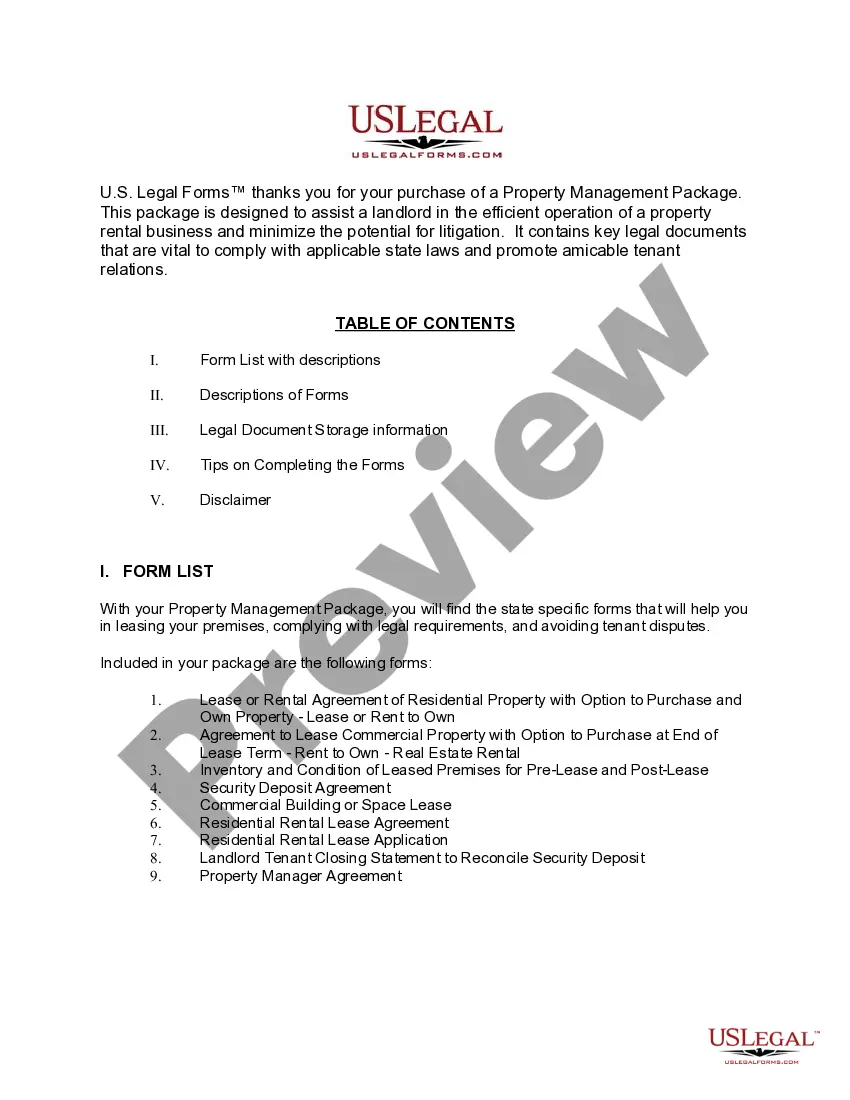
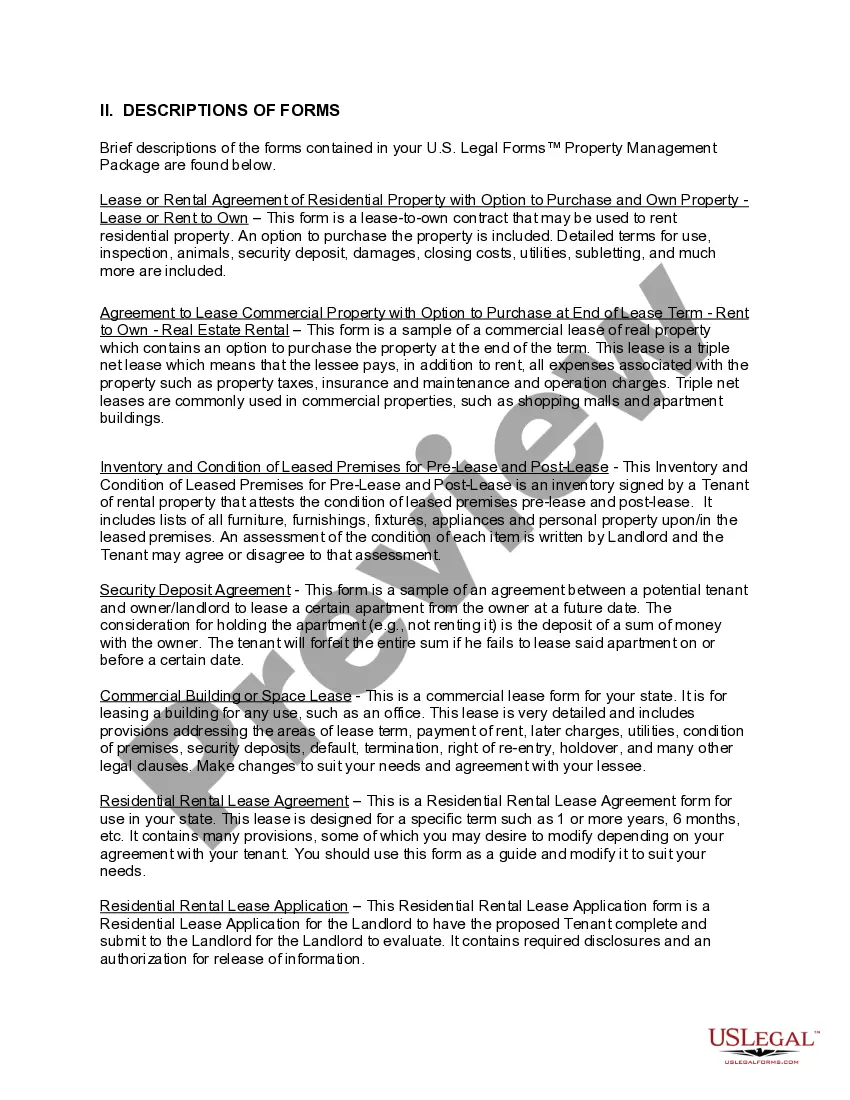
Get your form ready online
Our built-in tools help you complete, sign, share, and store your documents in one place.
Make edits, fill in missing information, and update formatting in US Legal Forms—just like you would in MS Word.
Download a copy, print it, send it by email, or mail it via USPS—whatever works best for your next step.
Sign and collect signatures with our SignNow integration. Send to multiple recipients, set reminders, and more. Go Premium to unlock E-Sign.
If this form requires notarization, complete it online through a secure video call—no need to meet a notary in person or wait for an appointment.
We protect your documents and personal data by following strict security and privacy standards.

Make edits, fill in missing information, and update formatting in US Legal Forms—just like you would in MS Word.

Download a copy, print it, send it by email, or mail it via USPS—whatever works best for your next step.

Sign and collect signatures with our SignNow integration. Send to multiple recipients, set reminders, and more. Go Premium to unlock E-Sign.

If this form requires notarization, complete it online through a secure video call—no need to meet a notary in person or wait for an appointment.

We protect your documents and personal data by following strict security and privacy standards.
Looking for another form?






How to fill out Massachusetts Property Management Package?
Whether for commercial intentions or for individual matters, everyone must handle legal affairs at some stage in their life.
Filling out legal documents requires meticulous focus, beginning with selecting the appropriate form template.
With a vast US Legal Forms catalog available, you won’t need to waste time searching for the correct template on the internet. Utilize the library’s user-friendly navigation to locate the right form for any situation.
- Obtain the template you need by using the search bar or catalog browsing.
- Review the form’s summary to confirm it aligns with your situation, jurisdiction, and area.
- Click on the form’s preview to examine it.
- If it is not the correct document, return to the search feature to find the Property Laws In Massachusetts template you need.
- Download the file if it meets your specifications.
- If you possess a US Legal Forms account, click Log in to access previously saved files in My documents.
- If you do not have an account yet, you can acquire the form by clicking Buy now.
- Choose the suitable pricing plan.
- Complete the profile registration form.
- Select your payment option: you may use a credit card or PayPal account.
- Choose the document format you prefer and download the Property Laws In Massachusetts.
- Once it is downloaded, you can complete the form using editing software or print it and finish it manually.
Form popularity
FAQ
The 3-hour rule in Massachusetts mandates that employees must receive payment for at least three hours of work when they report to work, even if they are dismissed before completing the shift. This rule is integral to ensuring worker rights in alignment with property laws in Massachusetts. To help you grasp these legal requirements, USLegalForms offers useful templates and information to assist both employees and employers.
In Massachusetts, there is no specific limit on the length of a work shift; however, labor laws require breaks for longer shifts. Generally, employees working more than 6 hours are entitled to a 30-minute break. Understanding labor laws, including aspects related to property laws in Massachusetts, is essential for fair workplace practices. USLegalForms offers resources and guidelines to help employers comply with these laws.
Yes, Massachusetts recognizes squatter rights under certain conditions, allowing individuals to claim property if they have occupied it openly and continuously for a specific period. This concept is rooted in property laws in Massachusetts, which provide legal frameworks regarding property ownership and rights. If you face squatting issues or disputes, USLegalForms can provide the necessary legal documents and information to navigate these situations effectively.
The 3 hour rule in Massachusetts refers to the amount of time a property owner has to remove their belongings from a rental property after receiving an eviction notice. According to property laws in Massachusetts, this time frame ensures that tenants have a short window to gather their possessions and vacate the premises. It's always wise to be informed about these laws and to seek guidance if you find yourself in a tricky situation.
Claiming adverse possession under property laws in Massachusetts requires meeting specific criteria. First, the possession must be continuous, open, and notorious for at least 20 years. Additionally, the possession must be exclusive and without permission from the actual owner. If you believe you qualify, consider using resources like USLegalForms to ensure you are following the correct procedures.
In the context of property laws in Massachusetts, the three main types of property rights are ownership, possession, and use. Ownership refers to the legal right to control and dispose of property. Possession involves the physical control of property, while use pertains to the ability to utilize the property for specific purposes. Understanding these rights can help you navigate legal matters effectively.
In terms of Massachusetts property laws, you can inherit amounts below $1 million without being liable for estate taxes. This threshold applies to the total value of the estate, encompassing all assets at the time of the individual’s death. If you inherit more than this amount, you may then be subject to taxes. To navigate these regulations effectively, consider using resources from US Legal Forms to plan your estate wisely.
The order of inheritance in Massachusetts follows a defined hierarchy under state intestate laws. Typically, direct descendants, such as children, inherit first, followed by parents, siblings, and then more distant relatives. If no eligible heirs exist, the estate may revert to the state. Understanding this order of inheritance is vital, and platforms like US Legal Forms can help create legally binding documents that reflect your intentions.
In Massachusetts, any property you inherit may be subject to state inheritance tax, but currently, there is no estate tax on amounts below a certain threshold. The threshold for estate tax is $1 million, meaning if the total value of the estate is less than this amount, you won’t owe taxes. Understanding these property laws in Massachusetts is crucial for heirs, and accessing resources through US Legal Forms can help clarify your obligations.
Inheritance laws in Massachusetts dictate how property is transferred after someone's death. These laws provide guidelines for dividing assets among heirs when there is no valid will. It's essential to understand that under Massachusetts property laws, the state follows intestate succession rules, which determine who inherits if a person passes away without a will. Utilizing platforms like US Legal Forms can help you create a will, ensuring your wishes are honored.