Living Will Form For New York State
Description
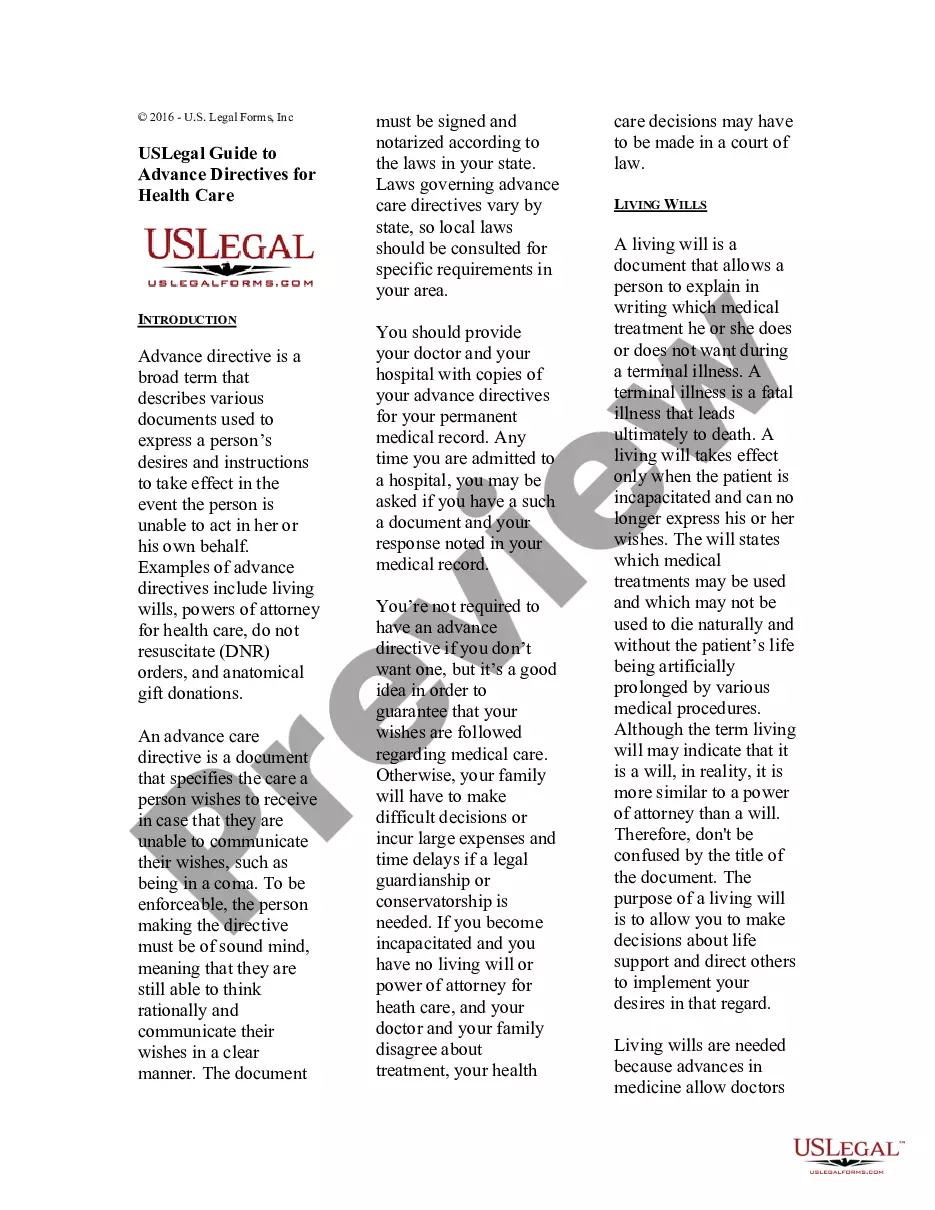
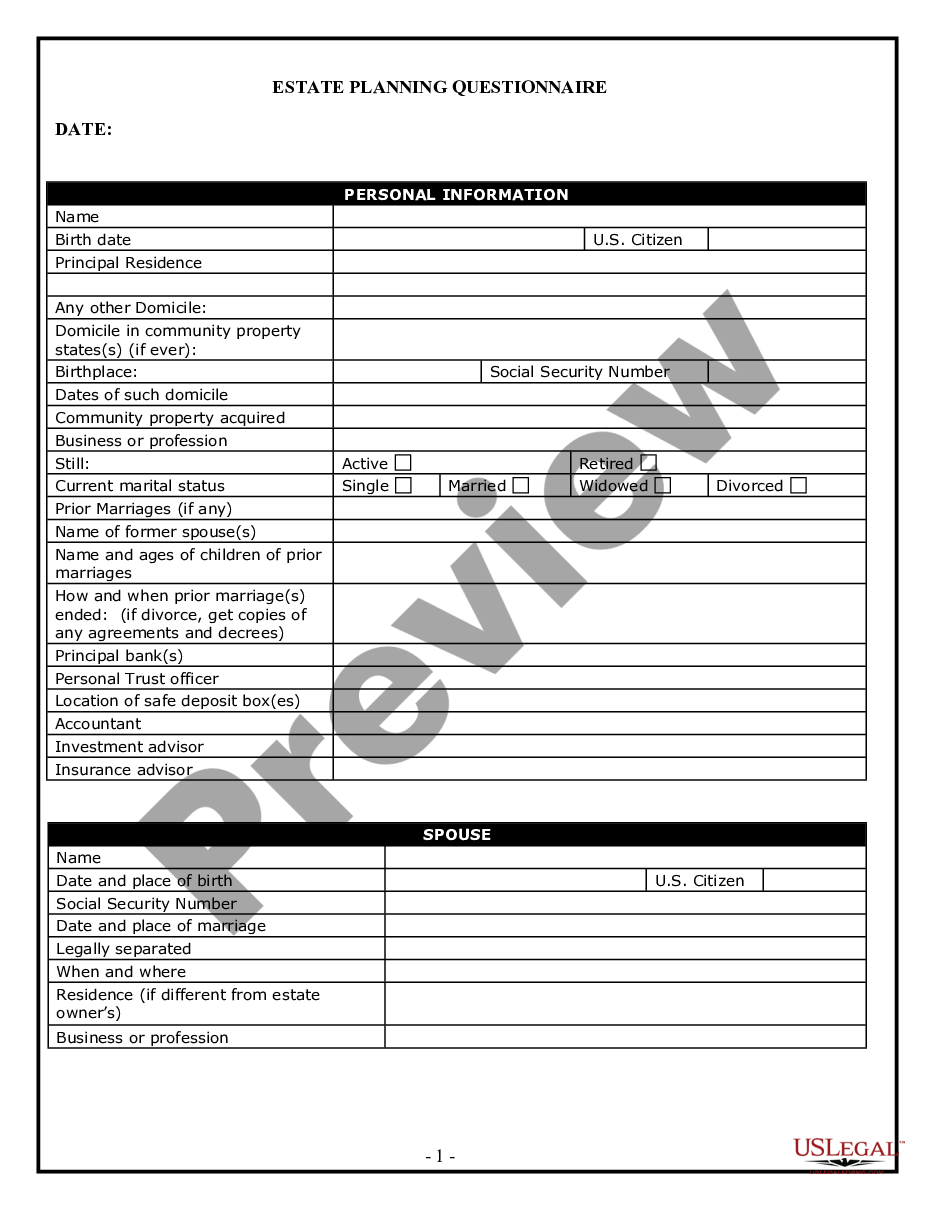
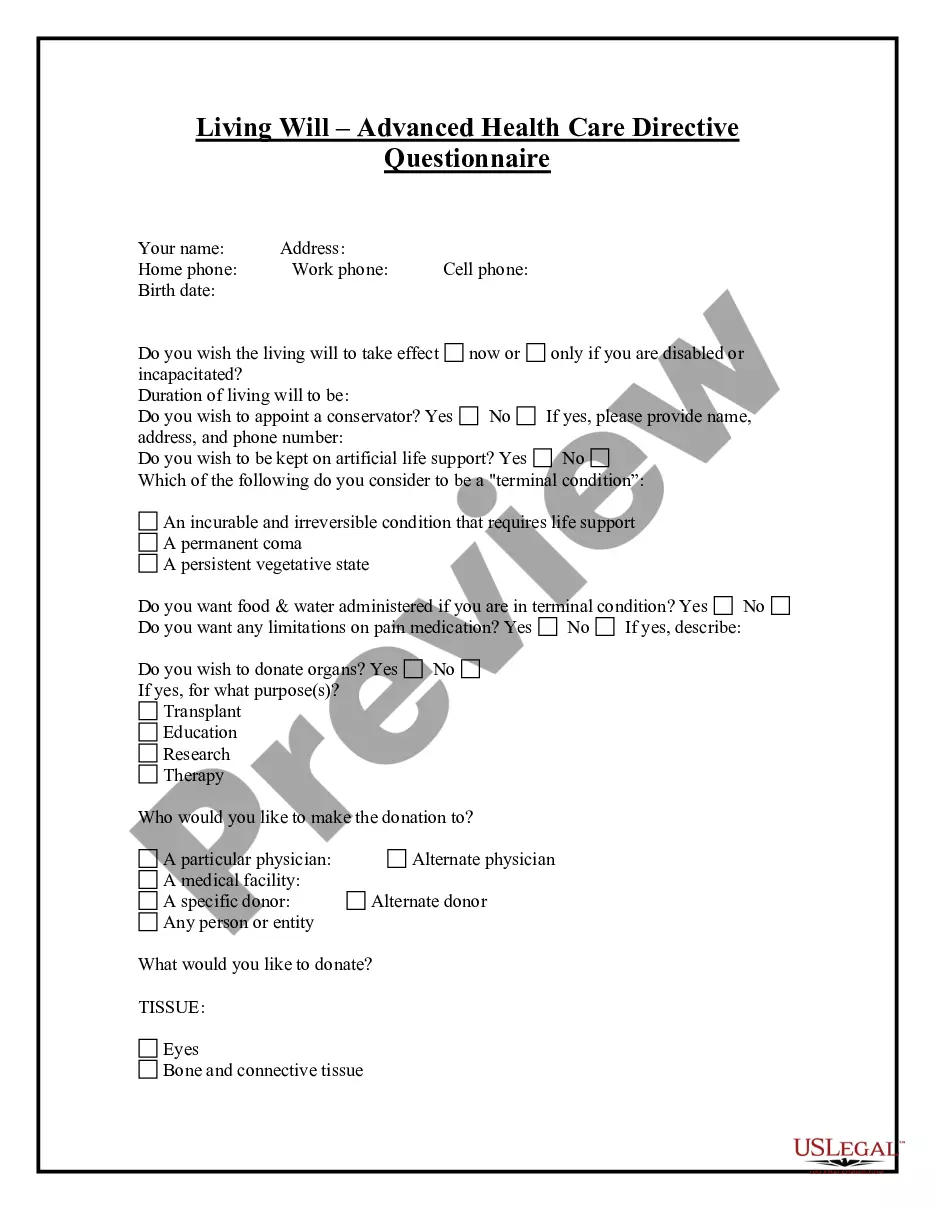
Get your form ready online
Our built-in tools help you complete, sign, share, and store your documents in one place.
Make edits, fill in missing information, and update formatting in US Legal Forms—just like you would in MS Word.
Download a copy, print it, send it by email, or mail it via USPS—whatever works best for your next step.
Sign and collect signatures with our SignNow integration. Send to multiple recipients, set reminders, and more. Go Premium to unlock E-Sign.
If this form requires notarization, complete it online through a secure video call—no need to meet a notary in person or wait for an appointment.
We protect your documents and personal data by following strict security and privacy standards.

Make edits, fill in missing information, and update formatting in US Legal Forms—just like you would in MS Word.

Download a copy, print it, send it by email, or mail it via USPS—whatever works best for your next step.

Sign and collect signatures with our SignNow integration. Send to multiple recipients, set reminders, and more. Go Premium to unlock E-Sign.

If this form requires notarization, complete it online through a secure video call—no need to meet a notary in person or wait for an appointment.

We protect your documents and personal data by following strict security and privacy standards.
Looking for another form?


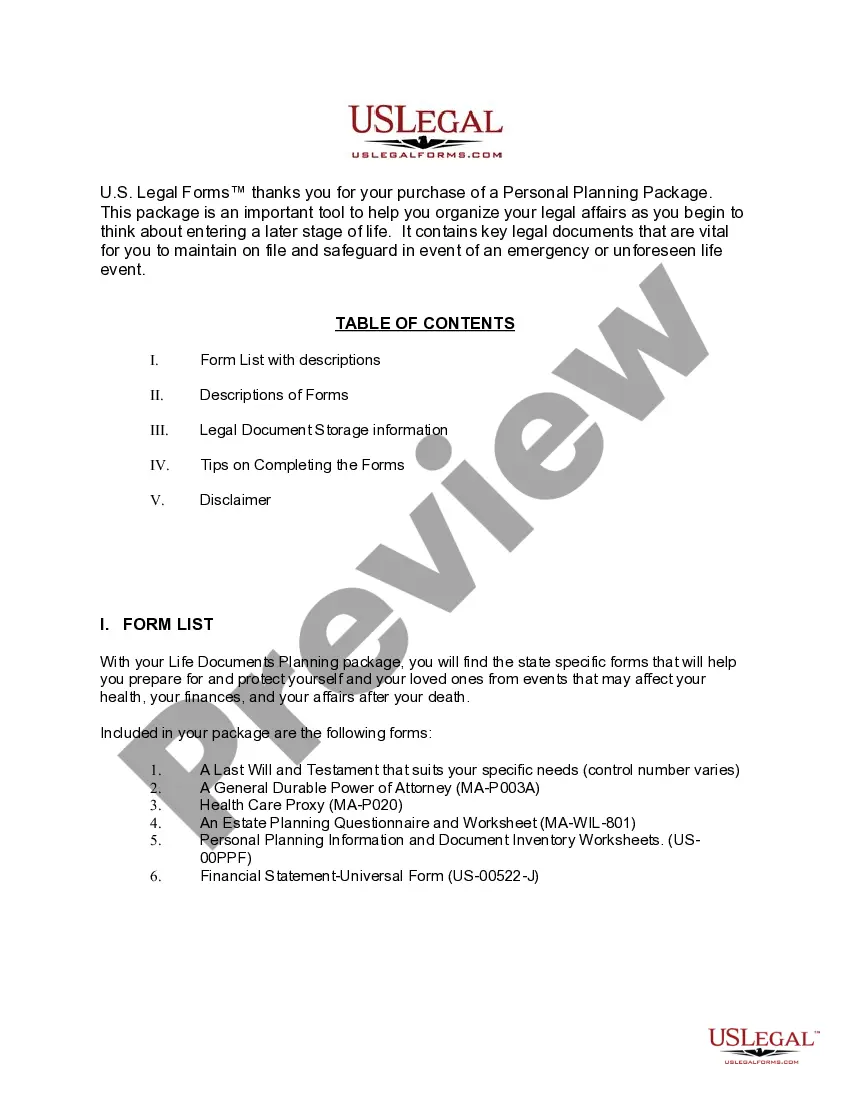
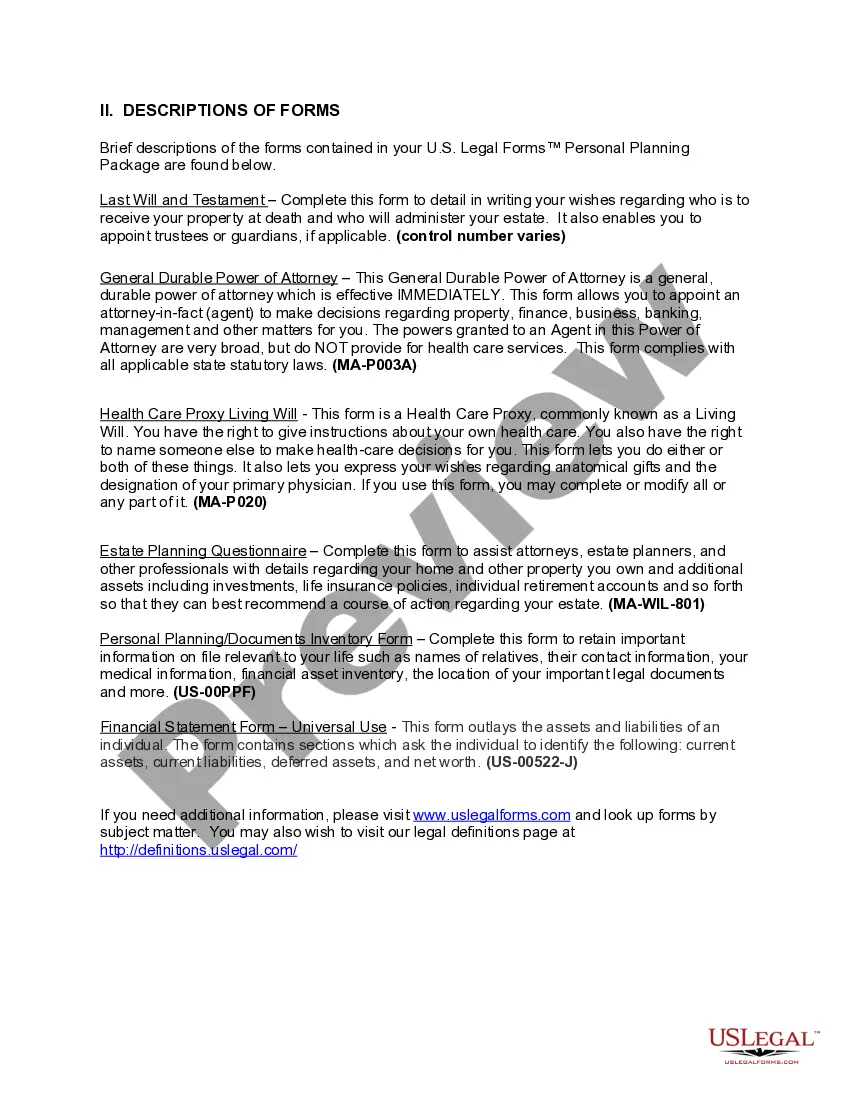
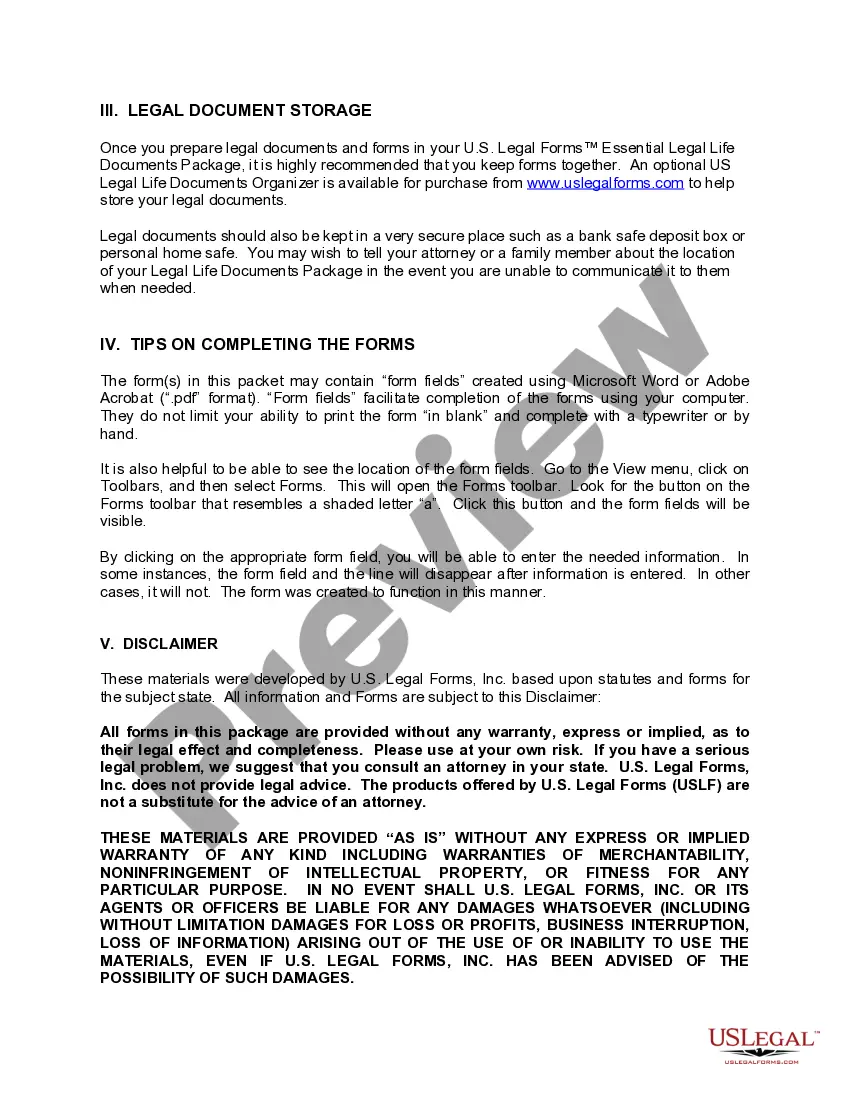
How to fill out Massachusetts Life Documents Planning Package, Including Will, Power Of Attorney And Living Will?
- Visit the US Legal Forms website and log in to your account. If you’re new, create a new account to get started.
- Browse the extensive library of forms, ensuring you select the living will form tailored to New York State regulations.
- Utilize the Preview feature to confirm the form meets your specific needs. If necessary, use the Search tab to find alternate templates.
- Choose your preferred subscription plan and click on the Buy Now button to make your purchase.
- Complete the payment using your credit card or PayPal account.
- Download your completed living will form and save it to your device. You can access it anytime from the My Forms section of your profile.
In conclusion, US Legal Forms simplifies the creation of legal documents, providing access to a vast library that can help you find the right forms effortlessly. Ensure your healthcare preferences are documented and respected with a living will tailored for New York State.
Start your journey today with US Legal Forms and secure your future decisions!
Form popularity
FAQ
While it is not mandatory to hire a lawyer to create a will in New York State, doing so can provide peace of mind. If your estate is straightforward, a Living will form for New York state can guide you in preparing your will effectively. Consulting a lawyer is advisable if you have specific concerns or complexities in your estate plan. Your lawyer can help navigate any potential issues to ensure your wishes are carried out.
You can obtain a living will form from various online resources, including dedicated legal websites. Choosing a reputable platform like USLegalForms can provide you with a reliable Living will form for New York state. This will ensure that all necessary components are included to meet the legal standards of New York. Always verify that the form is updated and valid for your needs.
For a will to be valid in New York, it must be in writing, signed by you, and witnessed by at least two people. It is also essential that the witnesses are not beneficiaries. Using a Living will form for New York state can help you understand these requirements easily. Following these guidelines can help ensure your wishes are honored.
Yes, you can create a will without a lawyer in New York. Make sure you follow the state's guidelines to ensure it is valid. Using a Living will form for New York state can simplify this process. However, consider consulting a lawyer if your situation is complex.
In New York State, a will does not require notarization to be valid, but it must be signed by the testator in the presence of two witnesses. Notarization can enhance the will's credibility, especially if there are concerns about contesting the will in the future. If you are preparing a living will form for New York State, consider ensuring it complies with state laws for maximum effectiveness.
While this question pertains to Minnesota, it's important to know that laws vary by state. In Minnesota, a living will does not need notarization, but it requires signatures from two witnesses. If you're considering a living will form for New York State, remember that each state has its own requirements for validity.
In New York, a living will does not require notarization to be legally valid. However, having it notarized can add an extra layer of authenticity. Many people choose to have their living will form for New York State witnessed by two qualified individuals instead. This can help avoid any disputes about the document's legitimacy.
The document often seen in conjunction with a living will is the healthcare proxy. This is essential as it designates someone to make medical decisions on your behalf if you become unable to express your wishes. A living will form for New York State can help you create both documents effectively, ensuring that your healthcare representative understands your preferences. By having both in place, you enhance the clarity and likelihood that your directives will be respected.
A living will does not need to be filed with the court in New York State, which makes the process more straightforward. The primary function of a living will is to communicate your medical preferences to healthcare providers, rather than to establish legal authority. However, keeping your living will in a safe place and sharing it with your healthcare proxy can help ensure your wishes are honored. Using a living will form for New York State streamlines this vital documentation.
Examples of living will statements may include your preferences regarding life-sustaining treatments and end-of-life care. A living will form for New York State typically includes directives such as the refusal of artificial nutrition and hydration if you are terminally ill. You might also specify whether you want resuscitation attempts or comfort care in certain medical scenarios. It’s essential to express your individual wishes clearly to guide healthcare providers.