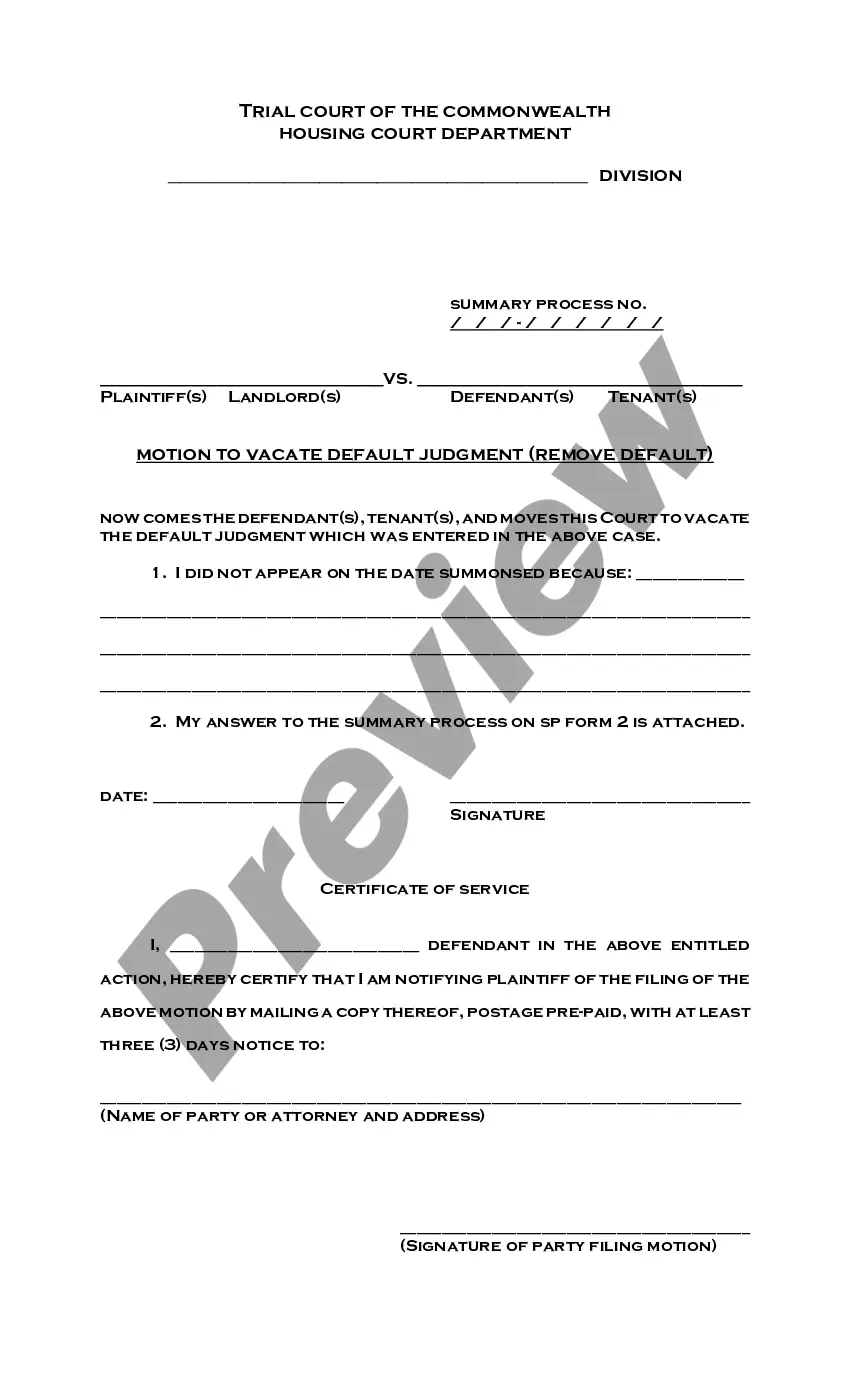
This is an official form from the Massachusetts Court System, which complies with all applicable laws and statutes. USLF amends and updates these forms as is required by Massachusetts statutes and law.
Sample Motion To Vacate Judgment Massachusetts Without Attorney
State:
Massachusetts
Control #:
MA-H-SP-014
Format:
PDF
Instant download
This website is not affiliated with any governmental entity
Public form
Description
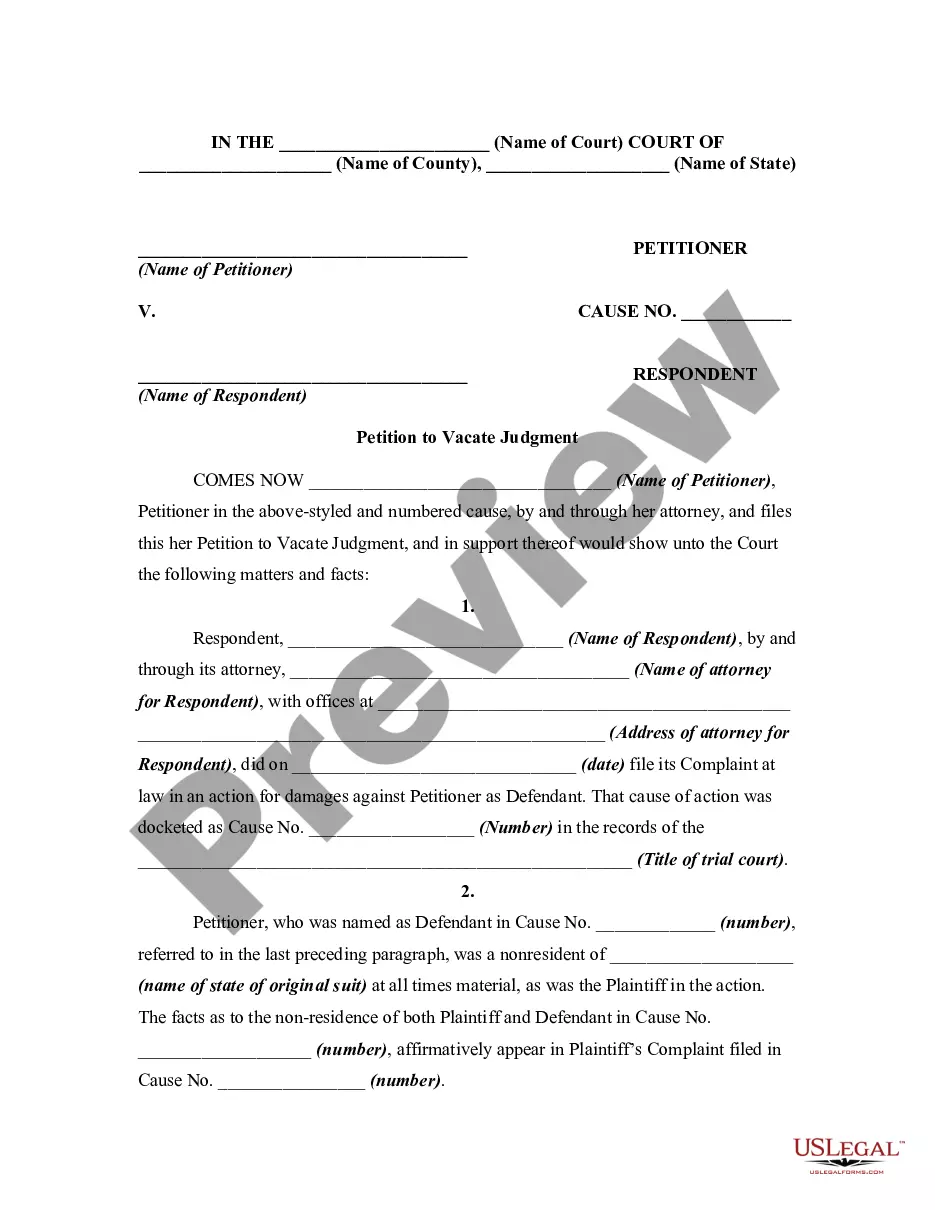
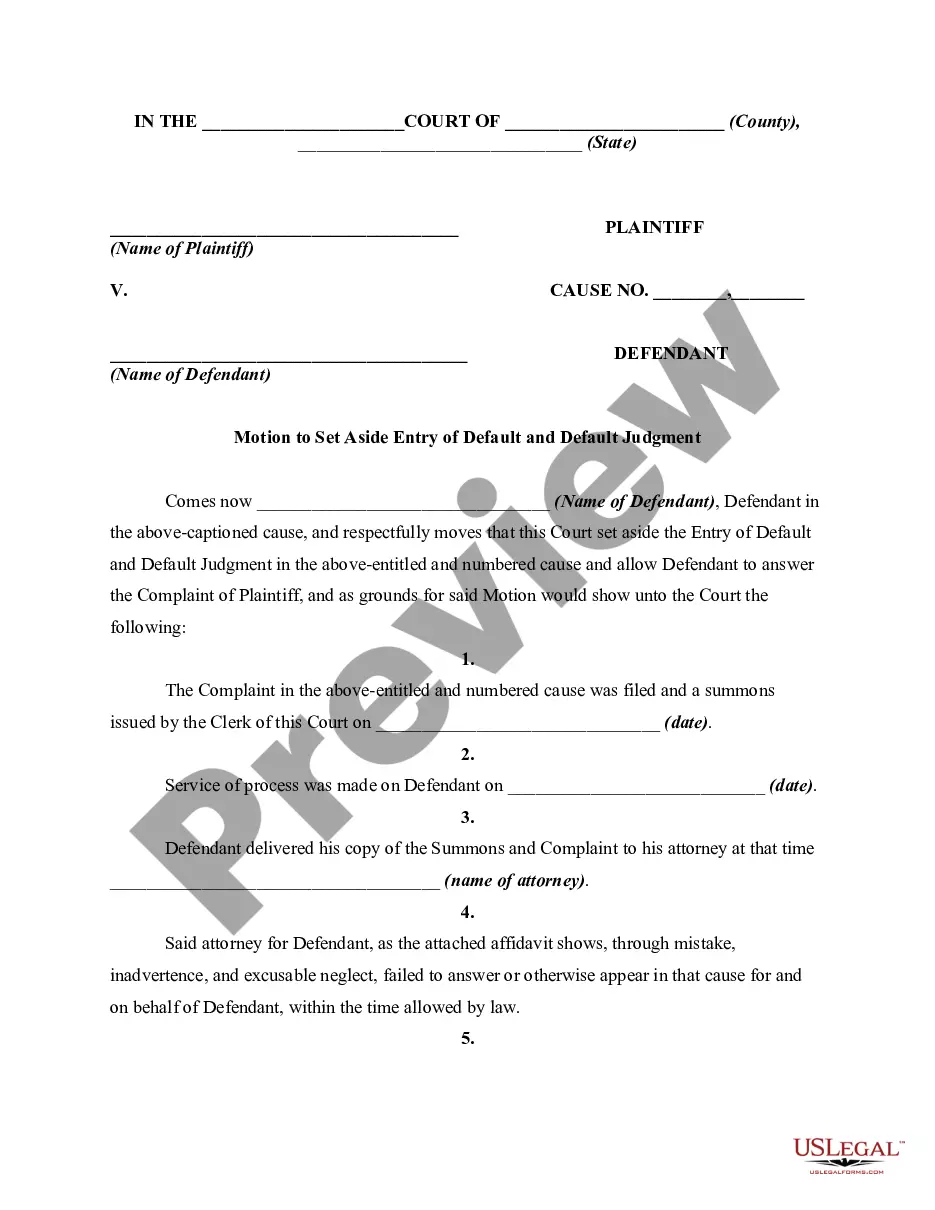
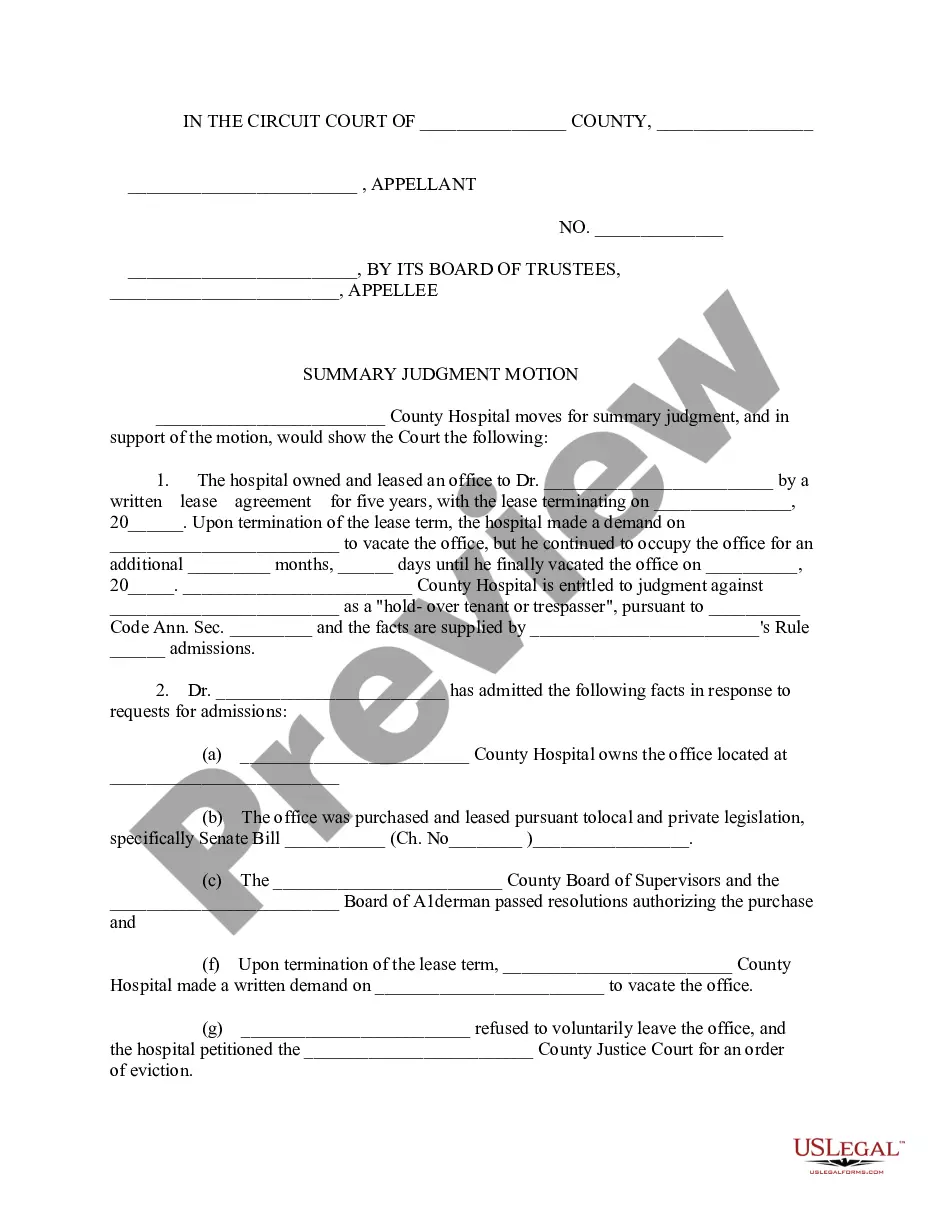
Get your form ready online
Our built-in tools help you complete, sign, share, and store your documents in one place.
Built-in online Word editor
Make edits, fill in missing information, and update formatting in US Legal Forms—just like you would in MS Word.
Export easily
Download a copy, print it, send it by email, or mail it via USPS—whatever works best for your next step.
E-sign your document
Sign and collect signatures with our SignNow integration. Send to multiple recipients, set reminders, and more. Go Premium to unlock E-Sign.
Notarize online 24/7
If this form requires notarization, complete it online through a secure video call—no need to meet a notary in person or wait for an appointment.
Store your document securely
We protect your documents and personal data by following strict security and privacy standards.

Make edits, fill in missing information, and update formatting in US Legal Forms—just like you would in MS Word.

Download a copy, print it, send it by email, or mail it via USPS—whatever works best for your next step.

Sign and collect signatures with our SignNow integration. Send to multiple recipients, set reminders, and more. Go Premium to unlock E-Sign.

If this form requires notarization, complete it online through a secure video call—no need to meet a notary in person or wait for an appointment.

We protect your documents and personal data by following strict security and privacy standards.
Looking for another form?





How to fill out Massachusetts Motion To Vacate Default Judgment?
Whether for commercial reasons or for personal matters, everyone must confront legal circumstances at some point in their life.
Completing legal paperwork requires meticulous care, starting with selecting the correct form example.
With a vast catalog of US Legal Forms available, you don’t have to waste time searching for the correct template online. Utilize the library’s simple navigation to find the suitable form for any purpose.
- Locate the template you require through the search bar or catalog navigation.
- Review the form’s details to ensure it corresponds with your case, state, and locality.
- Click on the form’s preview to inspect it.
- If it is the incorrect document, return to the search feature to find the Sample Motion To Vacate Judgment Massachusetts Without Attorney sample you seek.
- Acquire the template if it satisfies your needs.
- If you have a US Legal Forms profile, click Log in to access previously saved documents in My documents.
- If you have yet to create an account, you can download the form by clicking Buy now.
- Select the suitable pricing option.
- Fill out the profile registration form.
- Choose your payment method: you can utilize a credit card or PayPal account.
- Select the file format you desire and download the Sample Motion To Vacate Judgment Massachusetts Without Attorney.
- Once saved, you are able to complete the form using editing software or print it and fill it out manually.
Form popularity
FAQ
A motion to vacate can be filed for various reasons, like errors during the trial, new evidence, or procedural issues. It provides a way for individuals to correct injustices and seek a fair resolution. Crafting a solid argument is essential, and referring to a sample motion to vacate judgment Massachusetts without attorney can guide you in stating your case effectively.
The rule 55 B 1 motion for entry of default judgment is a legal request to finalize a court case when the opposing party fails to respond. This motion allows a plaintiff to seek a judgment without the need for a trial, provided they meet specific requirements. If you are considering this route, you can find a sample motion to vacate judgment Massachusetts without attorney to guide your process, ensuring you follow proper court procedures.
On motion and upon such terms as are just, the court may relieve a party or his legal representative from a final judgment, order, or proceeding for the following reasons: (1) mistake, inadvertence, surprise, or excusable neglect; (2) newly discovered evidence which by due diligence could not have been discovered in ...
File a motion to vacate the judgement You must request this within 1 year unless it's based on not having received notice of the small claim. To make this request, ask the clerk's office to help you to file and schedule a Motion to Vacate Judgment form.
The more common mechanism for divorcing (or divorced) parties to request relief from a judgment is through Massachusetts Domestic Relations Procedure Rule 60. Rule 60 permits the filing of a motion requesting relief from a divorce, separate support or other family law judgment.
Massachusetts case law indicates that a motion for judgment on the pleadings will be treated as a motion to dismiss for failure to state a claim BUT only where a party has failed to timely assert the failure to state a claim defense.
Pro se litigation follows the same procedural rules as other claims, without help from an attorney. The individual must first file an official complaint against the party he or she wants to sue. This occurs through the District Court Clerk's Office.