Rent Increase Massachusetts 2022
Description

Get your form ready online
Our built-in tools help you complete, sign, share, and store your documents in one place.
Make edits, fill in missing information, and update formatting in US Legal Forms—just like you would in MS Word.
Download a copy, print it, send it by email, or mail it via USPS—whatever works best for your next step.
Sign and collect signatures with our SignNow integration. Send to multiple recipients, set reminders, and more. Go Premium to unlock E-Sign.
If this form requires notarization, complete it online through a secure video call—no need to meet a notary in person or wait for an appointment.
We protect your documents and personal data by following strict security and privacy standards.

Make edits, fill in missing information, and update formatting in US Legal Forms—just like you would in MS Word.

Download a copy, print it, send it by email, or mail it via USPS—whatever works best for your next step.

Sign and collect signatures with our SignNow integration. Send to multiple recipients, set reminders, and more. Go Premium to unlock E-Sign.

If this form requires notarization, complete it online through a secure video call—no need to meet a notary in person or wait for an appointment.

We protect your documents and personal data by following strict security and privacy standards.
Looking for another form?


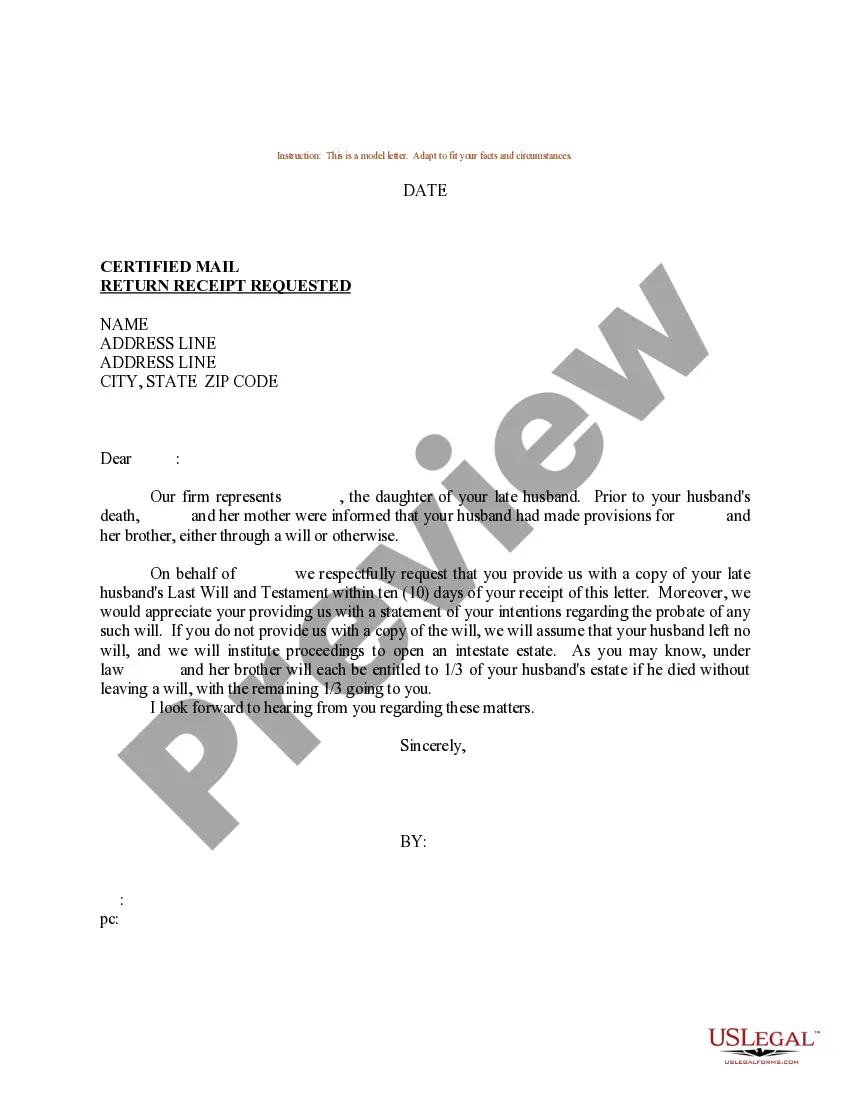




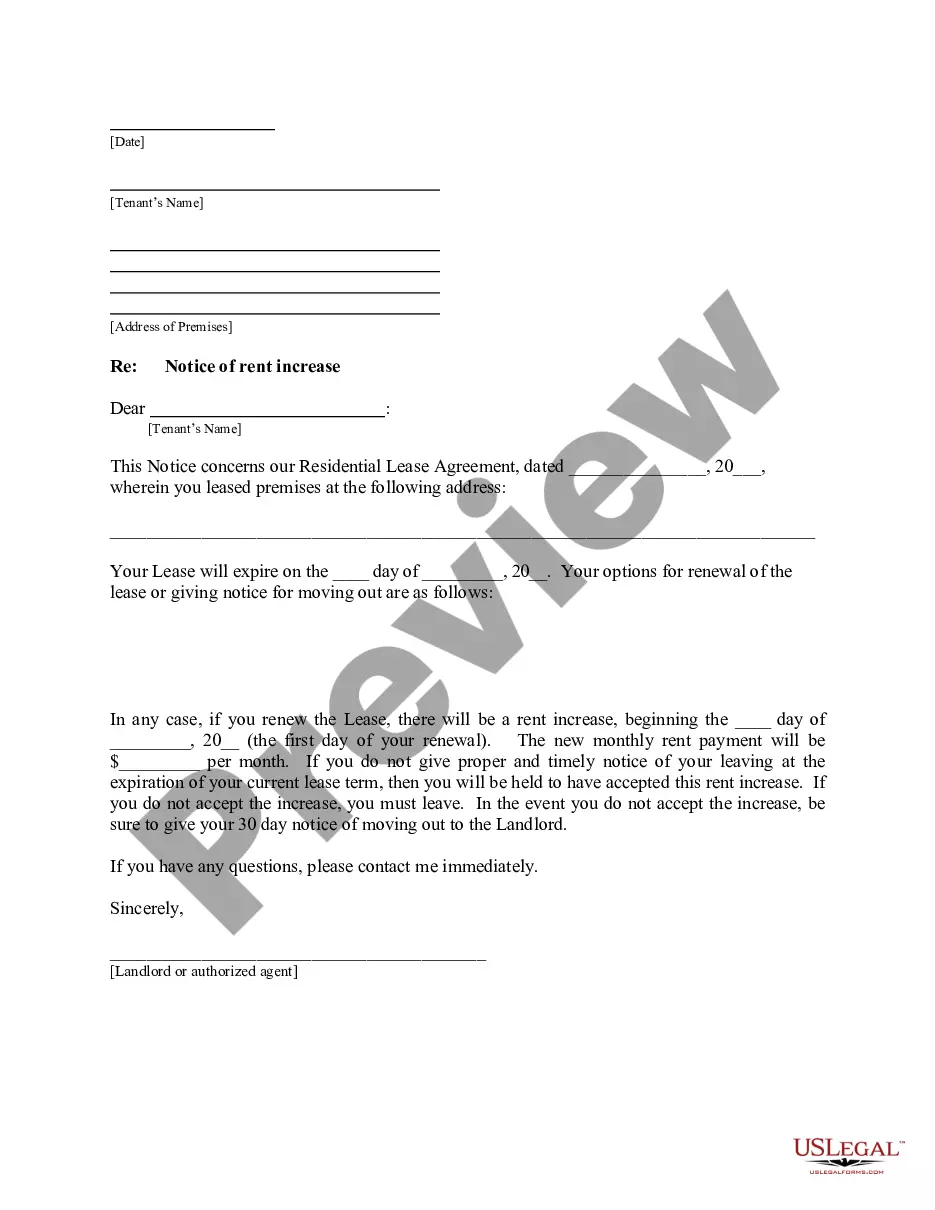
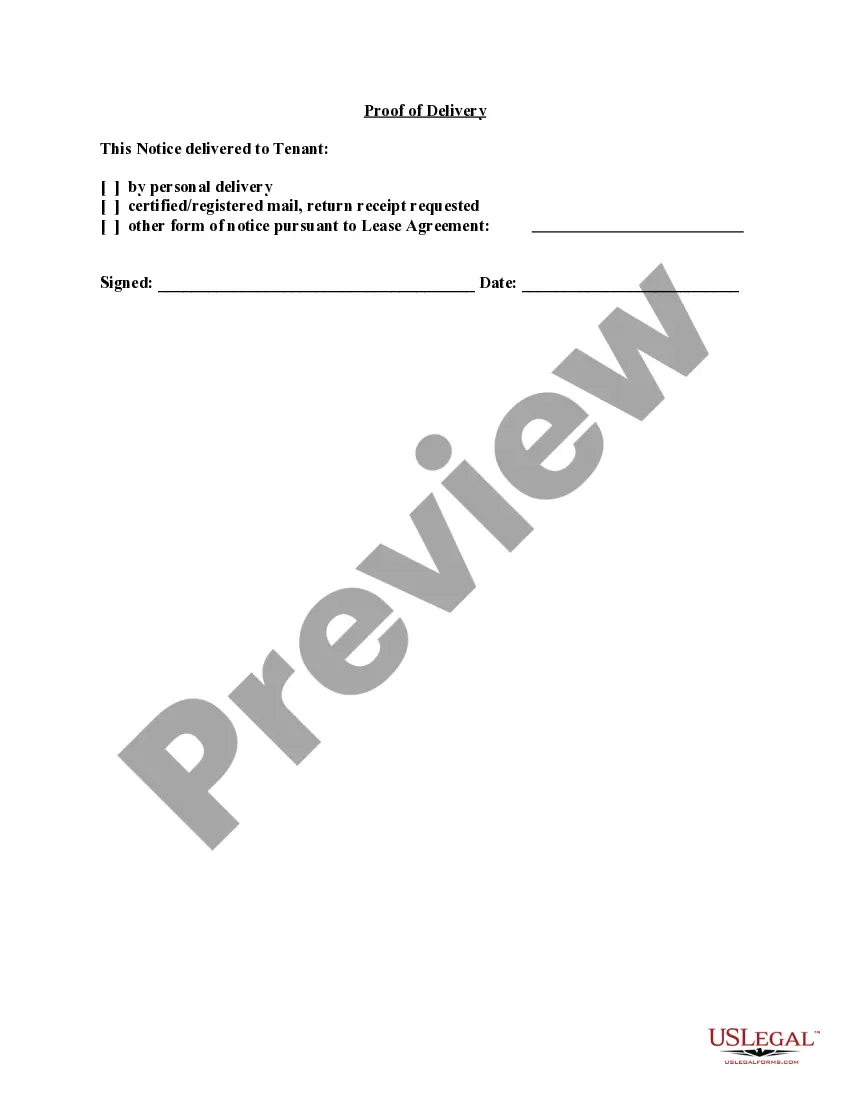
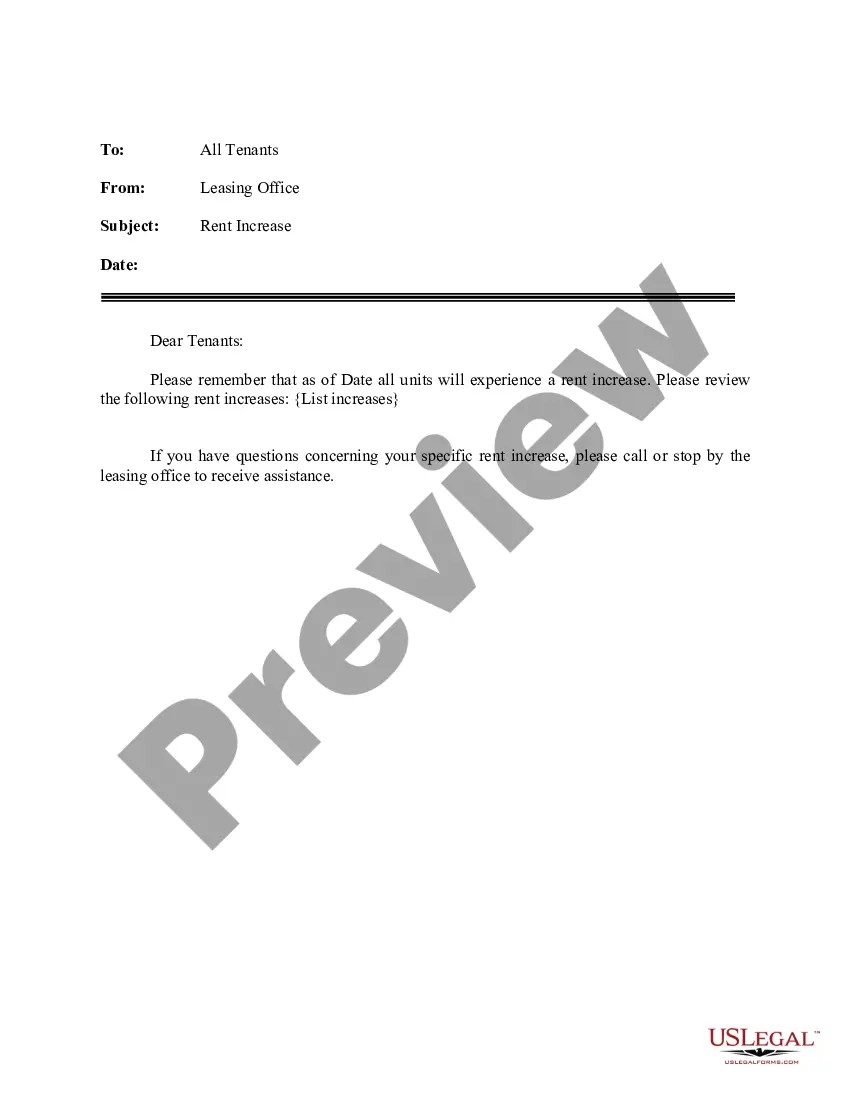
How to fill out Massachusetts Letter From Landlord To Tenant About Intent To Increase Rent And Effective Date Of Rental Increase?
- If you're an existing user, log in to your account and select the needed form template to download on your device. Ensure your subscription remains active; if it isn't, please renew it based on your payment plan.
- If you're new to US Legal Forms, start by reviewing the Preview mode and the form description to ensure it aligns with your requirements and complies with local regulations.
- If the selected template isn't appropriate, use the Search tab to explore other options. If you find a suitable one, continue to the next step.
- Proceed to purchase the necessary document by clicking the Buy Now button, and choose your desired subscription plan. You'll need to register for an account to access additional resources.
- Complete your payment using your credit card or PayPal and finalize your subscription.
- Once your purchase is complete, download the form and save it on your device. You can find it later in the My Forms section of your profile.
In conclusion, US Legal Forms makes it easy to navigate the rent increase process in Massachusetts. With an extensive library of over 85,000 legal templates, users can quickly access the necessary documents. Don't hesitate to reach out to premium experts for any assistance you may need.
Start your journey with US Legal Forms today and stay compliant with ease!
Form popularity
FAQ
The maximum rent increase allowed in Massachusetts largely depends on the lease terms and local regulations. For 2022, most landlords follow guidelines that permit increases typically up to 10% per year without a specific reason. However, in rent-controlled areas, the increase might be restricted further. Understanding these regulations is crucial, and resources like US Legal Forms can help you navigate any questions about rent increase regulations in Massachusetts.
In Massachusetts, the average rent increase per year can vary based on several factors, including the location and the rental market conditions. In 2022, many landlords have opted for increases around 3% to 5%, as they adjust to rising operational costs. However, specific cities may witness higher averages due to demand. It's essential for tenants to stay informed about local regulations to understand the typical rent increase in Massachusetts for 2022.
The most a landlord can raise rent often depends on the lease terms, local market conditions, and the rental property’s specifics. Massachusetts law requires that any increase be fair and not retaliatory. Staying updated with rent increase Massachusetts 2022 guidelines can empower both tenants and landlords. For further assistance, USLegalForms provides a wealth of resources to help you make informed decisions.
While there is no strict maximum rent increase a landlord can impose in Massachusetts, increases need to follow the guidelines set by local laws. Factors like the condition of the property, market rates, and timing of the increase play a role. For detailed strategies or sample forms, uslegalforms can assist you in understanding your rights and obligations in the context of rent increase Massachusetts 2022.
In Massachusetts, the law does not set a hard cap on rent increases for most rentals. However, landlords must provide notice before increasing rent, generally 30 days for month-to-month leases. For long-term leases, terms must be specified in the lease agreement. It’s important to stay informed about rent increase Massachusetts 2022 regulations to ensure compliance.
In Boston, there is currently no specific limit on how much rent can increase, but the state provides guidance. Rent increases must be reasonable and cannot be retaliatory. Understanding the guidelines related to rent increase Massachusetts 2022 can help both tenants and landlords navigate these decisions. For clarity and legal compliance, consider using resources like USLegalForms.
Writing a rent increase letter requires clarity and professionalism. Begin by stating the effective date of the increase, the old rental amount, and the new rental amount. It's also beneficial to mention any improvements or changes that justify the increase, and you can use platforms like UsLegalForms to create a well-structured letter that meets legal standards.
Legally, a landlord can raise your rent by any amount in Massachusetts unless restricted by local rent control laws. The increases must, however, be communicated in writing and provide adequate notice. Familiarizing yourself with local regulations can help you understand what to expect regarding your rental situation in 2022.
An addendum to a rent increase is a written document that outlines the specifics of the rent increase agreement between a landlord and a tenant. This legally binding amendment should detail the new rental amount, effective date, and any changes to lease terms. For a smooth transition and record, consider using resources like UsLegalForms to draft this addendum properly.
Landlords can increase rent as much as they wish unless local laws impose restrictions. In many regions in Massachusetts, landlords may need to justify their increases based on market conditions or property improvements. It is advisable for tenants to seek information on their local laws to understand any limitations that may be relevant.