Life Estate Deed In Massachusetts

Description
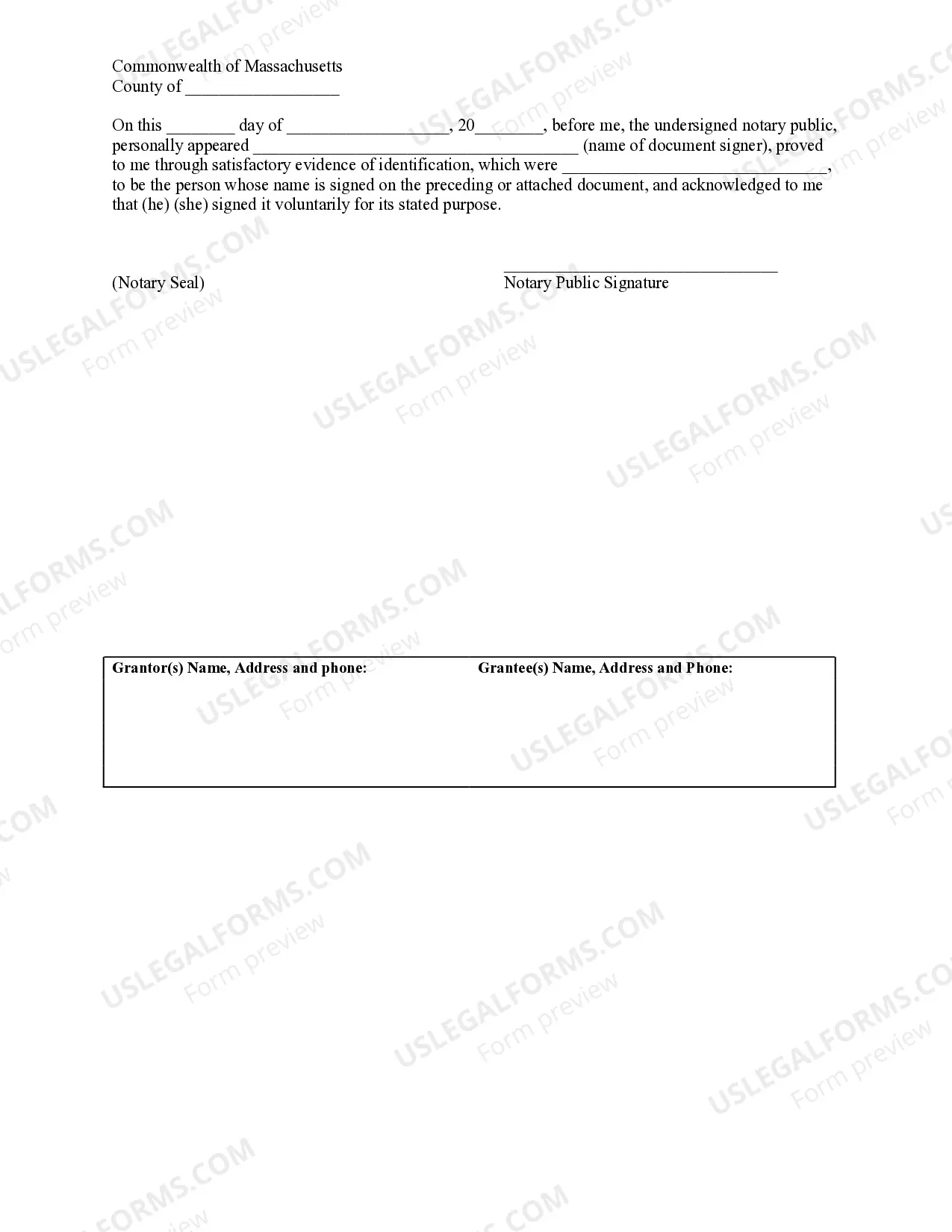
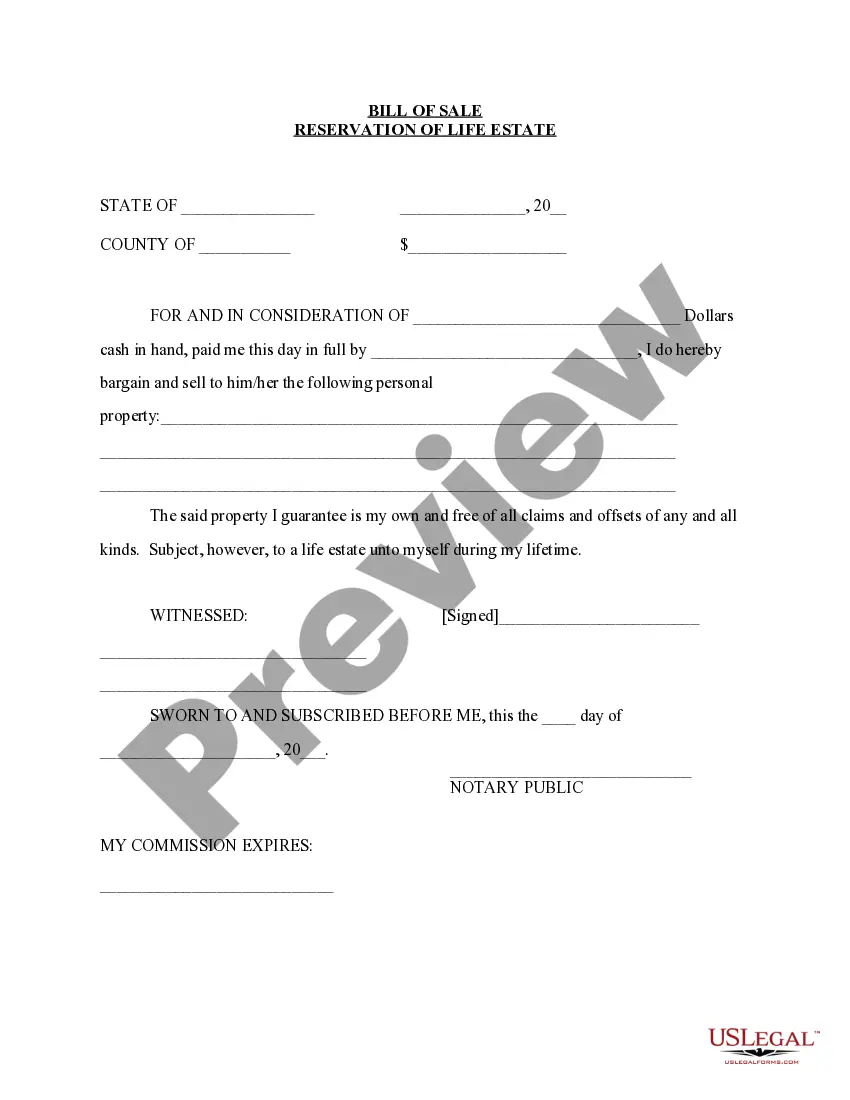

Get your form ready online
Our built-in tools help you complete, sign, share, and store your documents in one place.
Make edits, fill in missing information, and update formatting in US Legal Forms—just like you would in MS Word.
Download a copy, print it, send it by email, or mail it via USPS—whatever works best for your next step.
Sign and collect signatures with our SignNow integration. Send to multiple recipients, set reminders, and more. Go Premium to unlock E-Sign.
If this form requires notarization, complete it online through a secure video call—no need to meet a notary in person or wait for an appointment.
We protect your documents and personal data by following strict security and privacy standards.

Make edits, fill in missing information, and update formatting in US Legal Forms—just like you would in MS Word.

Download a copy, print it, send it by email, or mail it via USPS—whatever works best for your next step.

Sign and collect signatures with our SignNow integration. Send to multiple recipients, set reminders, and more. Go Premium to unlock E-Sign.

If this form requires notarization, complete it online through a secure video call—no need to meet a notary in person or wait for an appointment.

We protect your documents and personal data by following strict security and privacy standards.
Looking for another form?
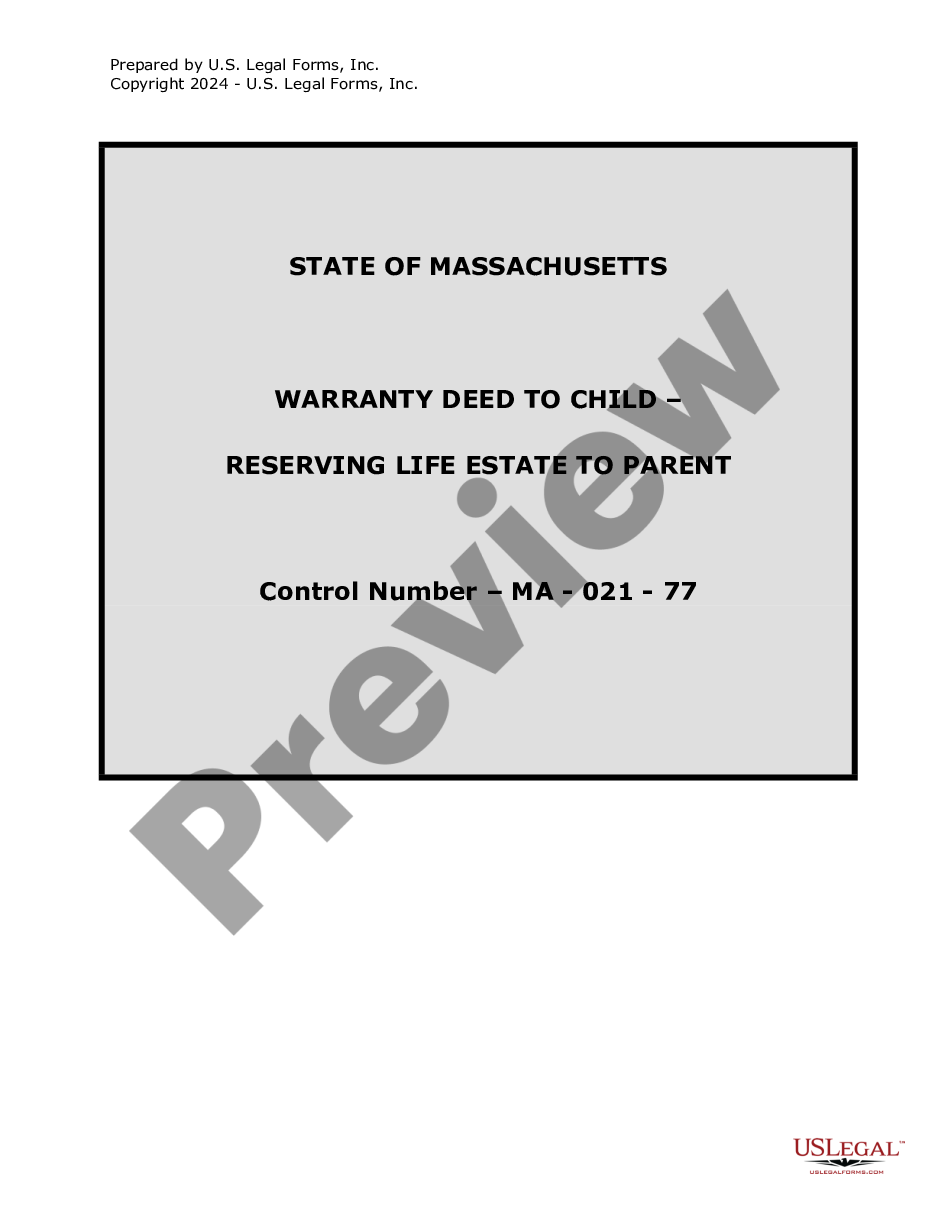
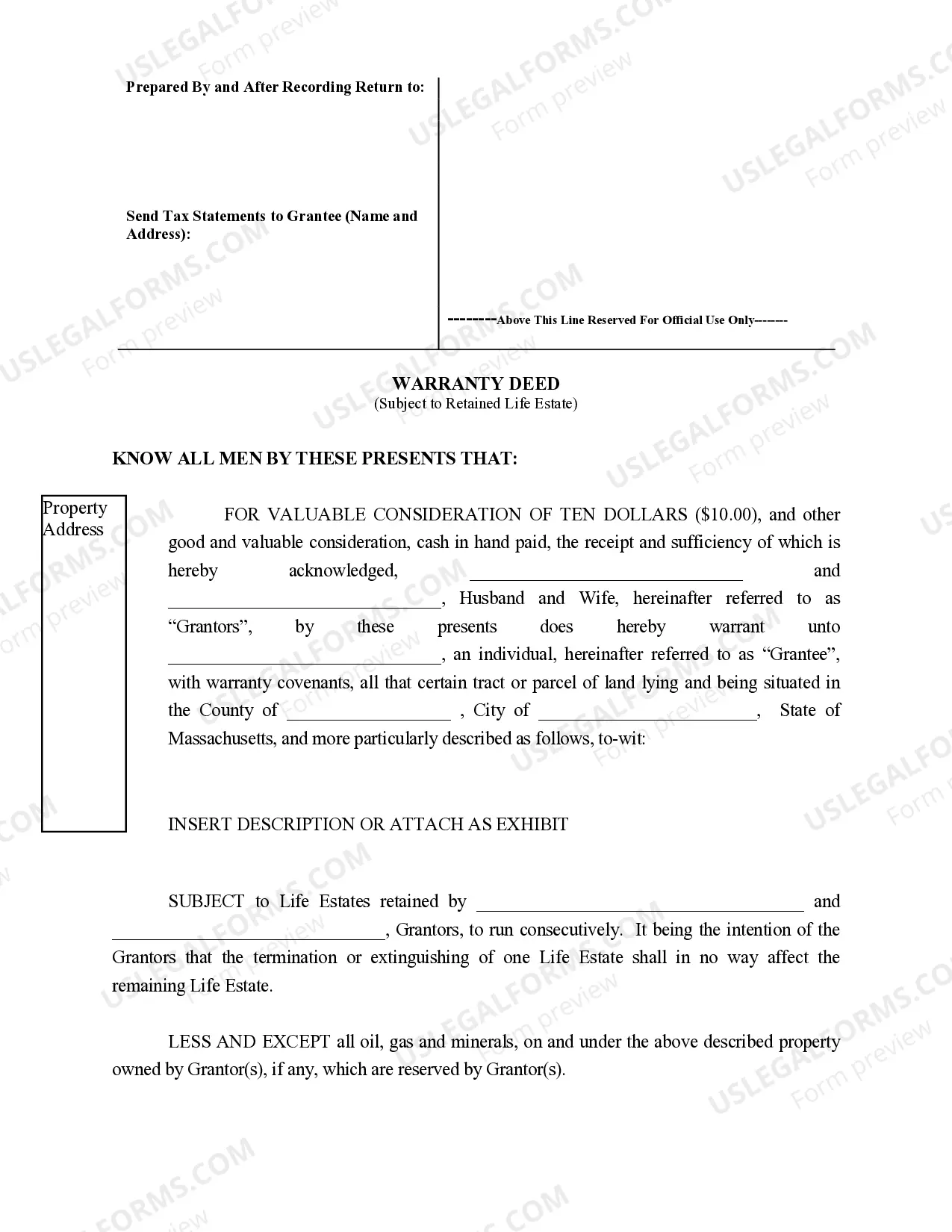
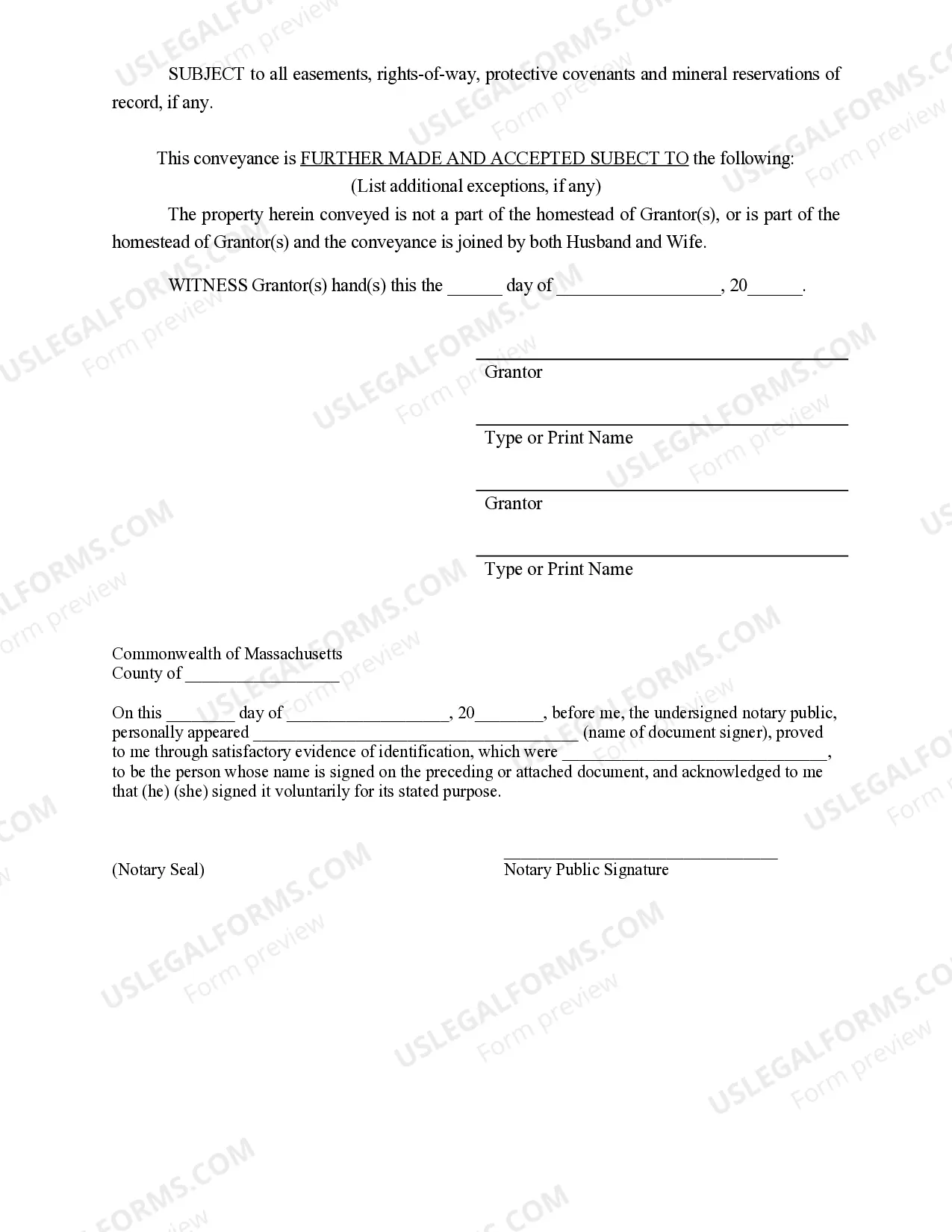
How to fill out Massachusetts Warranty Deed To Child Reserving A Life Estate In The Parents?
Individuals often link legal documentation with complexities that can only be managed by an expert. In a sense, this is accurate, as creating a Life Estate Deed in Massachusetts requires extensive knowledge of pertinent criteria, including state and local laws. However, with US Legal Forms, everything has become simpler: ready-made legal templates for any life or business event tailored to state regulations are housed in a single online repository and are now accessible to everyone.
US Legal Forms offers over 85,000 up-to-date documents categorized by state and area of application, so finding a Life Estate Deed in Massachusetts or any other specific template takes only moments. Previously registered users with an active subscription need to Log In to their account and click Download to retrieve the form. New users will first need to register for an account and subscribe before they can save any paperwork documentation.
Here is a step-by-step guide on how to obtain the Life Estate Deed in Massachusetts.
All templates in our collection are reusable: once purchased, they remain saved in your profile. You can access them whenever necessary through the My documents tab. Discover all the benefits of using the US Legal Forms platform. Subscribe today!
- Review the page content carefully to ensure it meets your requirements.
- Read the form description or confirm it using the Preview feature.
- Locate another sample using the Search bar above if the previous one does not fit your needs.
- Click Buy Now when you discover the appropriate Life Estate Deed in Massachusetts.
- Select a pricing plan that fulfills your needs and budget.
- Create an account or sign in to move forward to the payment page.
- Complete your subscription payment via PayPal or with your credit card.
- Select the format for your template and click Download.
- Print your document or import it to an online editor for quicker completion.
Form popularity
FAQ
A life estate in Massachusetts allows one person to use and enjoy a property for their lifetime, while ensuring that the property automatically transfers to designated beneficiaries after death. The life tenant can sell or lease the property, but the transfer requires the consent of the remainderman. Understanding the mechanics of a life estate deed in Massachusetts is crucial for effective estate planning and can simplify property transfers significantly.
In Massachusetts, the probate process generally can take several months to over a year, depending on the complexity of the estate. Although there is no strict timeline for keeping an estate open, it is advisable to work efficiently to resolve all matters promptly. Utilizing tools like a life estate deed in Massachusetts can help streamline the transfer of property and reduce the time required for probate.
Massachusetts does not have a specific beneficiary deed like some other states. However, using a life estate deed in Massachusetts allows property owners to specify who inherits the property without going through probate. This can be an effective way to ensure your wishes are honored while simplifying the transfer process.
Yes, Massachusetts does recognize an enhanced life estate deed. This legal instrument allows the grantor to retain the right to live in the property while providing a smooth transfer of ownership upon death. With an enhanced life estate deed in Massachusetts, you can also avoid probate, which can save time and expenses for your beneficiaries.
Typically, the seller or grantor of a life estate deed in Massachusetts is responsible for the recording fees. However, parties can negotiate these costs during the sale or transfer process. It is essential to clarify this beforehand to avoid any confusion later. If you have questions about fees or processes, platforms like US Legal Forms can provide useful resources.
Filing a deed in Massachusetts involves preparing your life estate deed and delivering it to the local registry of deeds. You should include any applicable fees, which vary by location. If you need assistance, consider using platforms like US Legal Forms to guide you through the process and ensure your documents comply with state laws. A smooth filing process helps protect your property rights.
In Massachusetts, while a deed can be valid without recording, it is highly recommended to do so for public notice. Recording your life estate deed in Massachusetts protects your ownership rights and allows others to verify your title. Unrecorded deeds may lead to disputes regarding property ownership. Thus, recording is a vital step in safeguarding your investment.
The time to record a deed in Massachusetts varies by location, but typically, it takes anywhere from a few days to a couple of weeks. After submitting your life estate deed in Massachusetts, the local registry of deeds processes it and updates the public records. Keep in mind that processing times can be affected by the volume of documents submitted. Therefore, it is wise to check with your local registry for the most accurate timeframe.
In Massachusetts, several types of deeds are commonly used, including warranty deeds, quitclaim deeds, and life estate deeds. Each type serves specific purposes, depending on your needs for property transactions. A life estate deed in Massachusetts is popular for those looking to transfer property while retaining usage rights during their lifetime. For a more reliable solution, explore the templates available at uslegalforms to find the deed that suits your situation best.
Massachusetts does not offer a transfer on death deed. Instead, individuals often turn to the life estate deed in Massachusetts as an effective way to ensure property is passed on to heirs without going through probate. This provides peace of mind and helps in estate planning. Consider utilizing uslegalforms to access resources and documents related to this and other types of deeds.