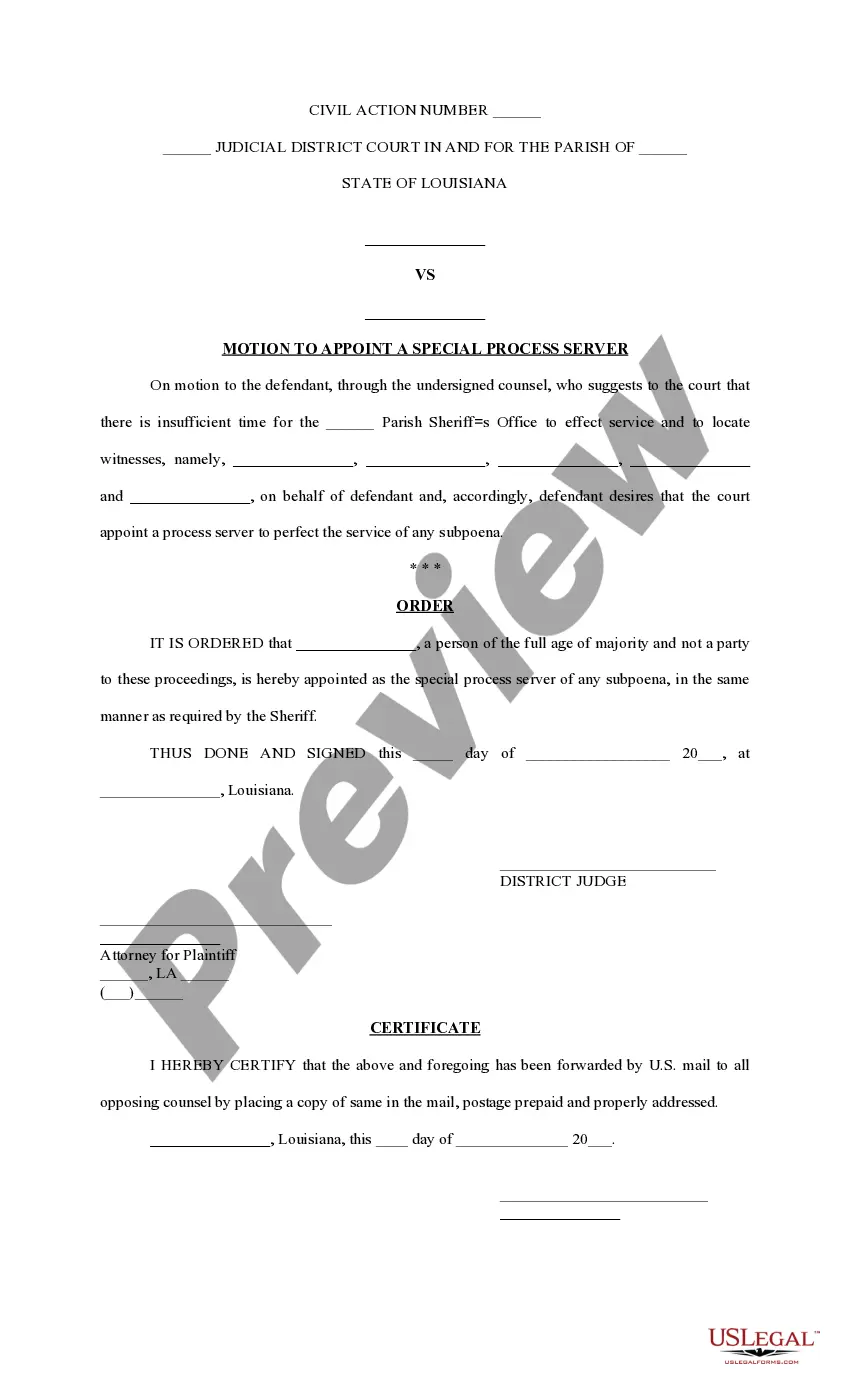
Process Server With
Description
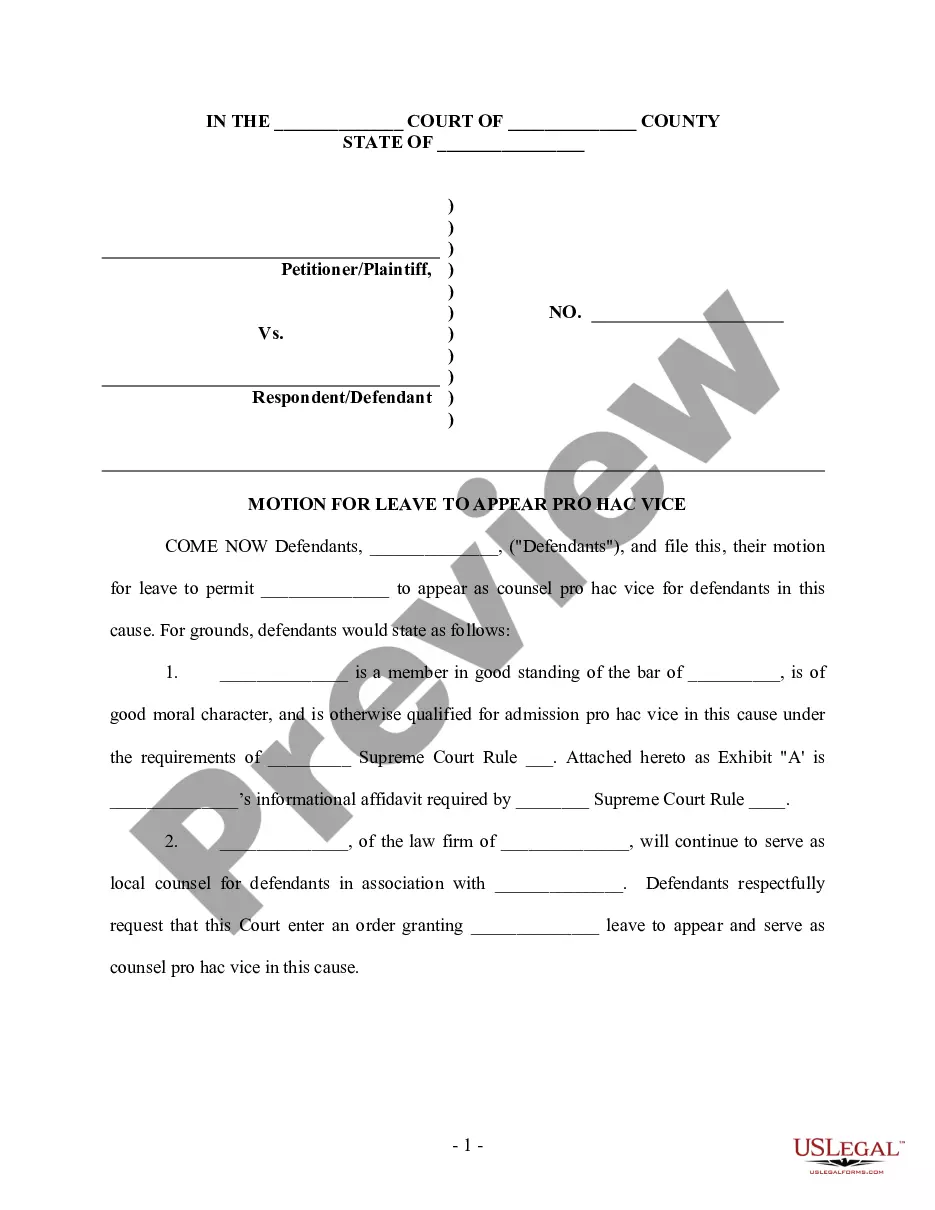
Get your form ready online
Our built-in tools help you complete, sign, share, and store your documents in one place.
Make edits, fill in missing information, and update formatting in US Legal Forms—just like you would in MS Word.
Download a copy, print it, send it by email, or mail it via USPS—whatever works best for your next step.
Sign and collect signatures with our SignNow integration. Send to multiple recipients, set reminders, and more. Go Premium to unlock E-Sign.
If this form requires notarization, complete it online through a secure video call—no need to meet a notary in person or wait for an appointment.
We protect your documents and personal data by following strict security and privacy standards.

Make edits, fill in missing information, and update formatting in US Legal Forms—just like you would in MS Word.

Download a copy, print it, send it by email, or mail it via USPS—whatever works best for your next step.

Sign and collect signatures with our SignNow integration. Send to multiple recipients, set reminders, and more. Go Premium to unlock E-Sign.

If this form requires notarization, complete it online through a secure video call—no need to meet a notary in person or wait for an appointment.

We protect your documents and personal data by following strict security and privacy standards.
Looking for another form?
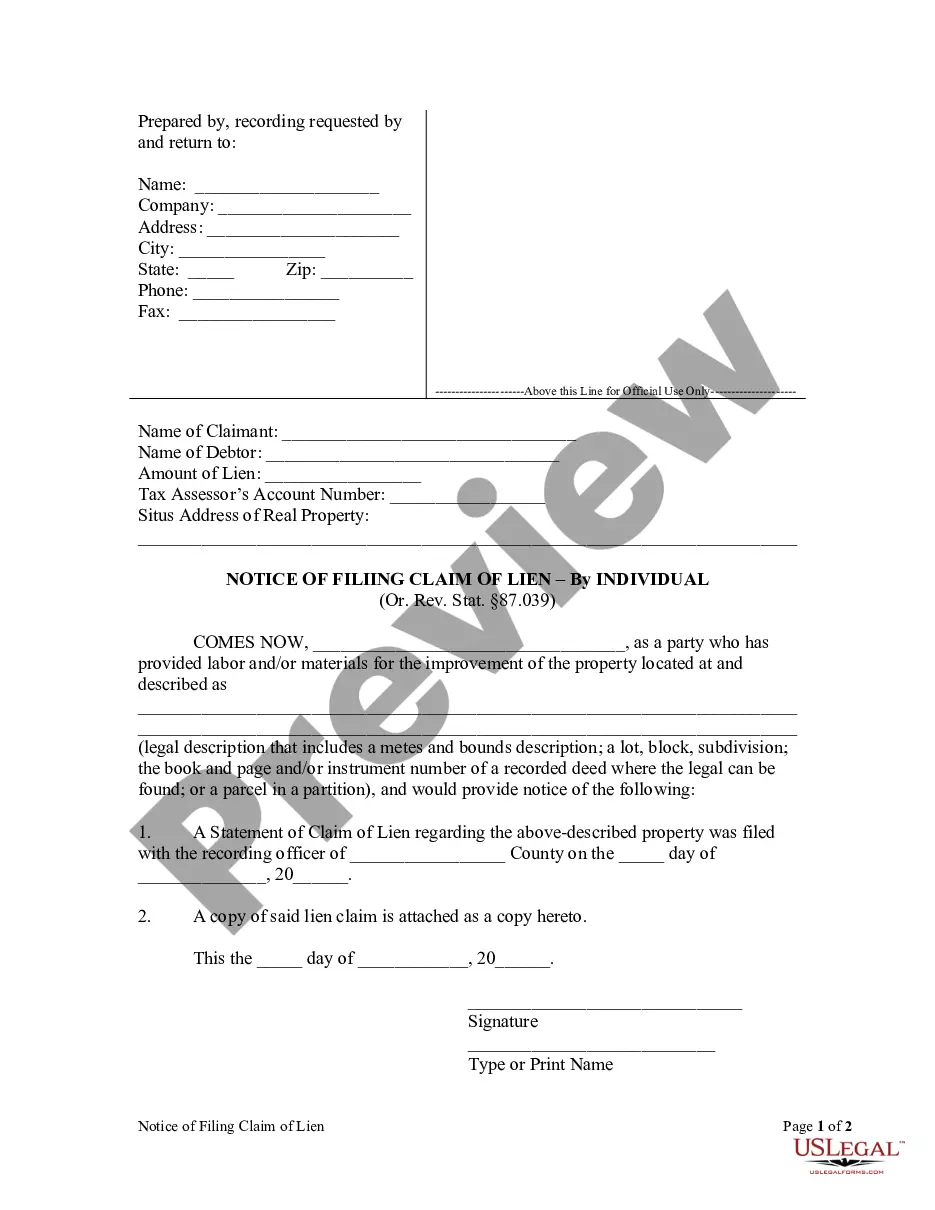
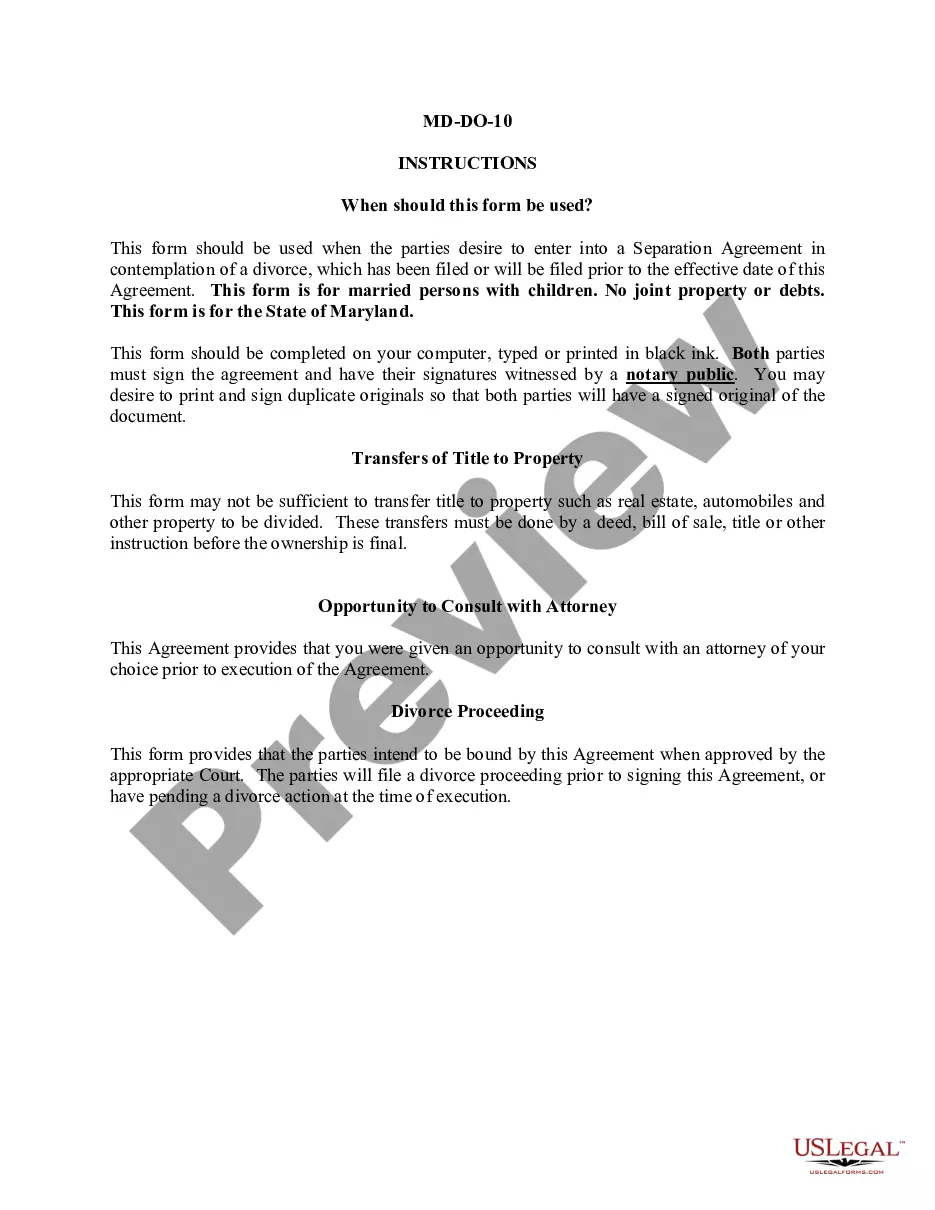

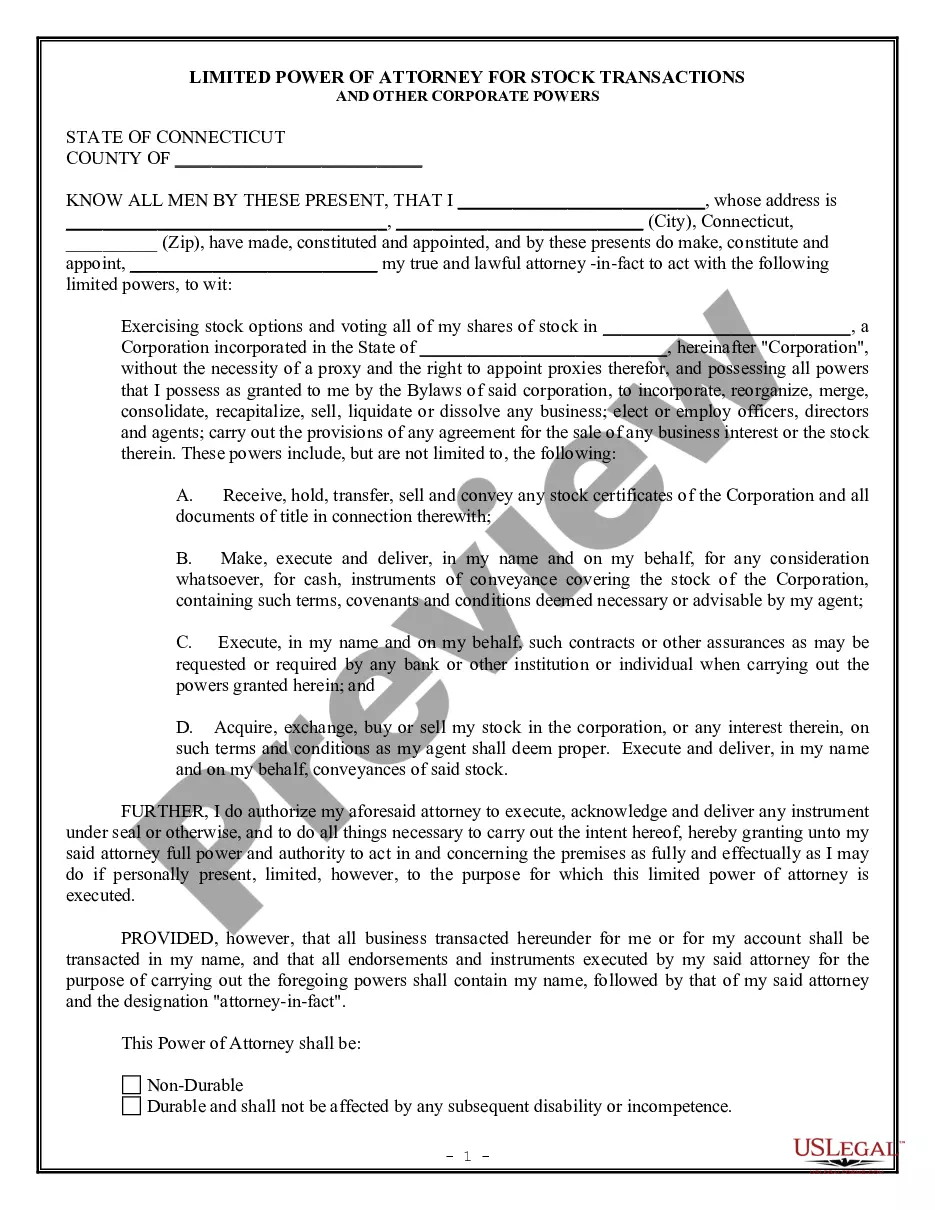
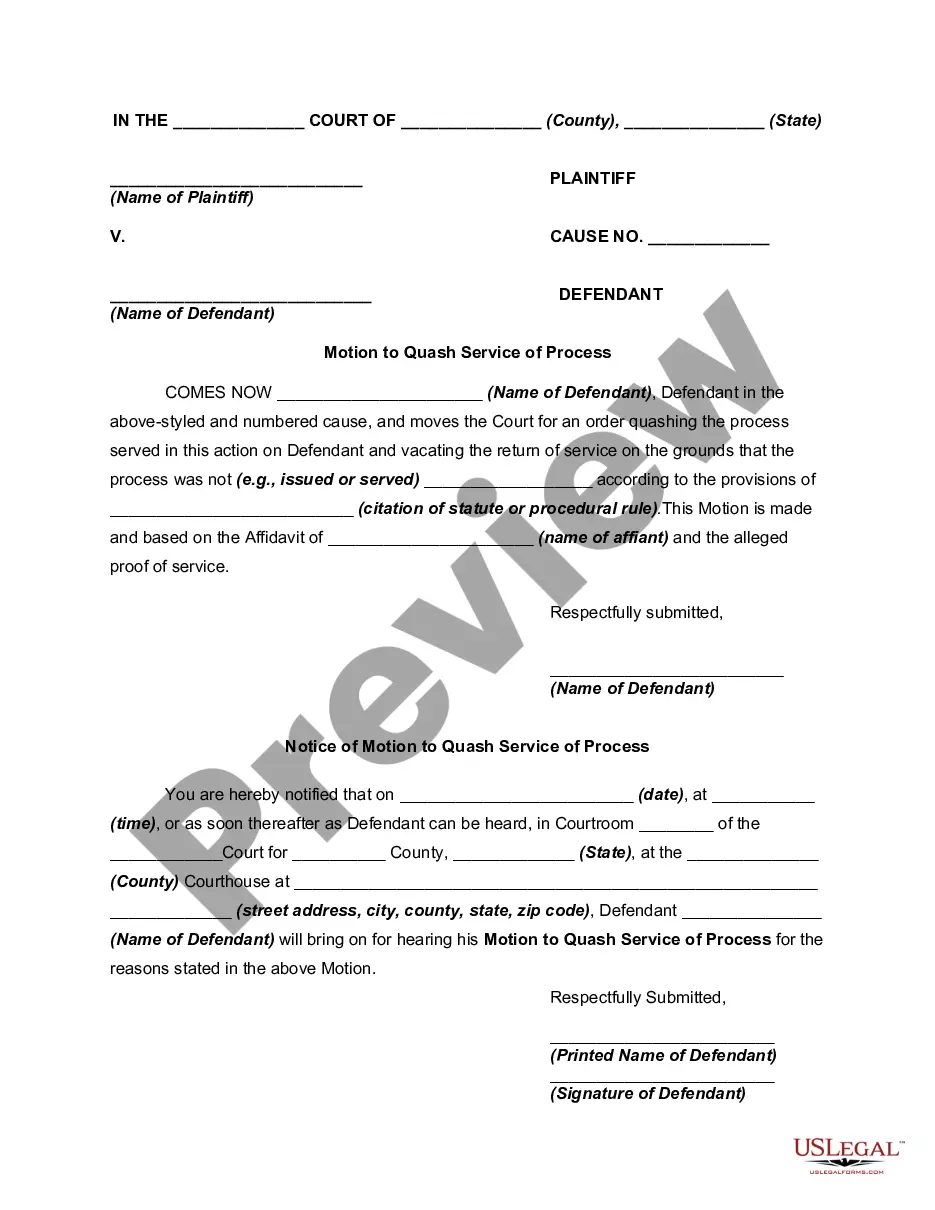
How to fill out Louisiana Motion To Appoint Special Process Server?
The Process Server displayed on this page is a reusable legal document created by experienced attorneys in compliance with federal and state laws and regulations.
For over 25 years, US Legal Forms has offered individuals, businesses, and legal practitioners access to more than 85,000 validated, state-specific documents for any business and personal situation. This is the fastest, easiest, and most reliable method to acquire the necessary paperwork, as the service ensures bank-level data security and anti-virus safeguards.
Select the desired format for your Process Server (PDF, DOCX, RTF) and download the example to your device.
- Search for the document you require and examine it.
- Browse through the file you searched and preview it or review the form description to confirm it meets your needs. If it does not, use the search function to find the correct one. Click Buy Now when you find the template you require.
- Register and Log In.
- Choose the pricing plan that fits your needs and create an account. Use PayPal or a credit card to process a swift payment. If you already possess an account, Log In and verify your subscription to proceed.
- Acquire the editable template.
Form popularity
FAQ
Common methods to avoid being served Not answering the door. Lying about their identity. Hiding in the closet until the process server leaves. Staying at a family member or friend's home.
Process servers are prohibited from trespassing on private property to serve process in nearly every state in the United States. Such incursions, no matter how innocuous, are considered not only invalid, but also illegal, and offenders may face penalties.
Any person who is at least 18 years old and not involved in the case may serve papers. The person who serves the papers will have to fill out a Proof of Service form showing what they gave (served) to the other parties. Choose someone to serve the papers who is able to fill out the form.
Generally, They can't leave the documents at your door, but if they have tried to deliver the documents directly to the person being sued; or have tried delivering the documents to a substitute person of suitable age and discretion at the place of business or the home of the person being sued, then the process server ...
In all cases, the ?server? or ?process server? MUST: Be 18 years old or older; Not be a party to the case; Serve the paperwork on the other side in the time required; Fill out a proof of service form that tells the court whom they served, when, where, and how; and.