Custody Issues
Description

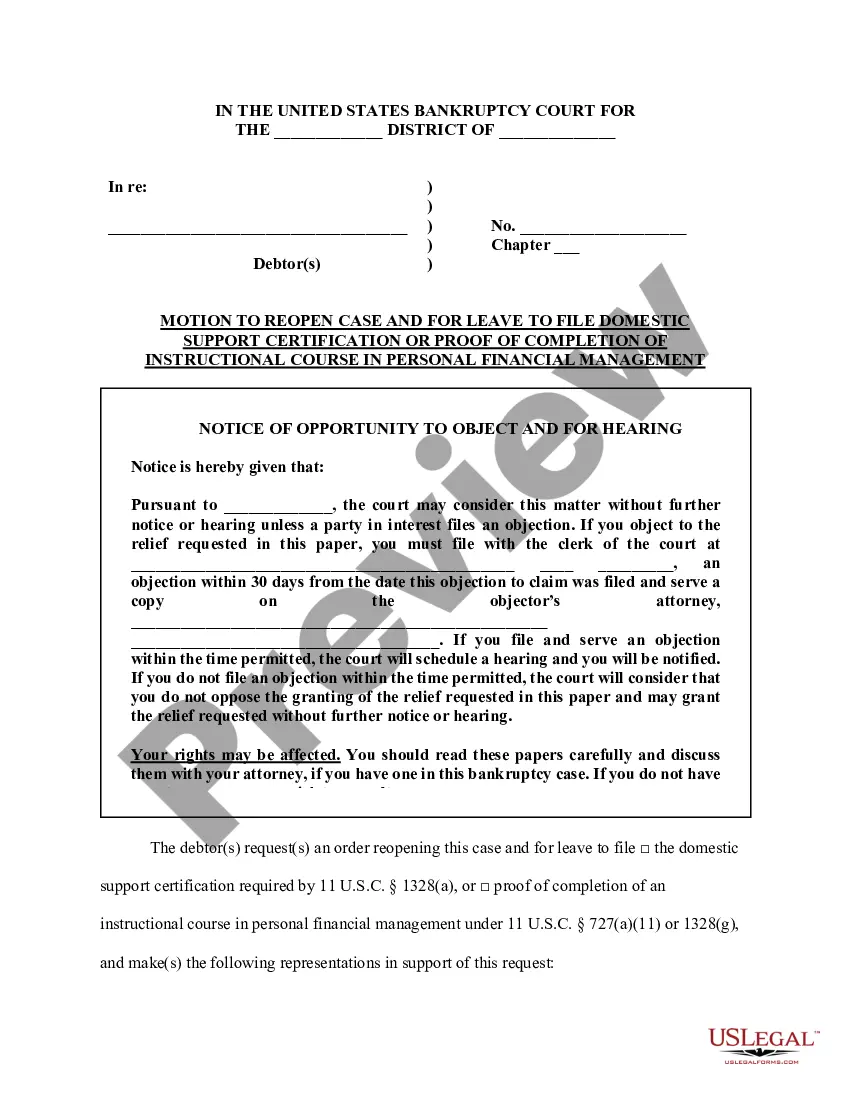
Get your form ready online
Our built-in tools help you complete, sign, share, and store your documents in one place.
Make edits, fill in missing information, and update formatting in US Legal Forms—just like you would in MS Word.
Download a copy, print it, send it by email, or mail it via USPS—whatever works best for your next step.
Sign and collect signatures with our SignNow integration. Send to multiple recipients, set reminders, and more. Go Premium to unlock E-Sign.
If this form requires notarization, complete it online through a secure video call—no need to meet a notary in person or wait for an appointment.
We protect your documents and personal data by following strict security and privacy standards.

Make edits, fill in missing information, and update formatting in US Legal Forms—just like you would in MS Word.

Download a copy, print it, send it by email, or mail it via USPS—whatever works best for your next step.

Sign and collect signatures with our SignNow integration. Send to multiple recipients, set reminders, and more. Go Premium to unlock E-Sign.

If this form requires notarization, complete it online through a secure video call—no need to meet a notary in person or wait for an appointment.

We protect your documents and personal data by following strict security and privacy standards.
Looking for another form?



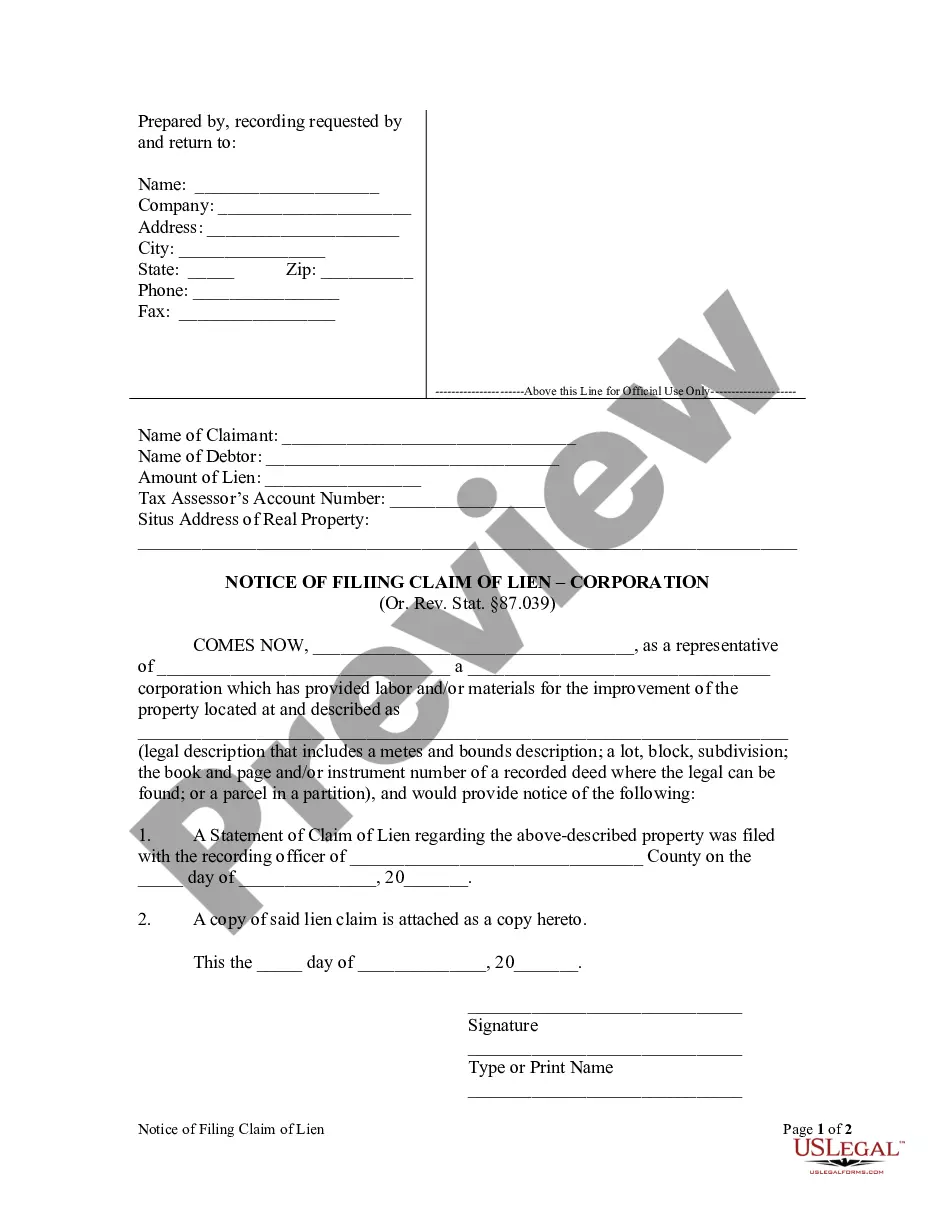

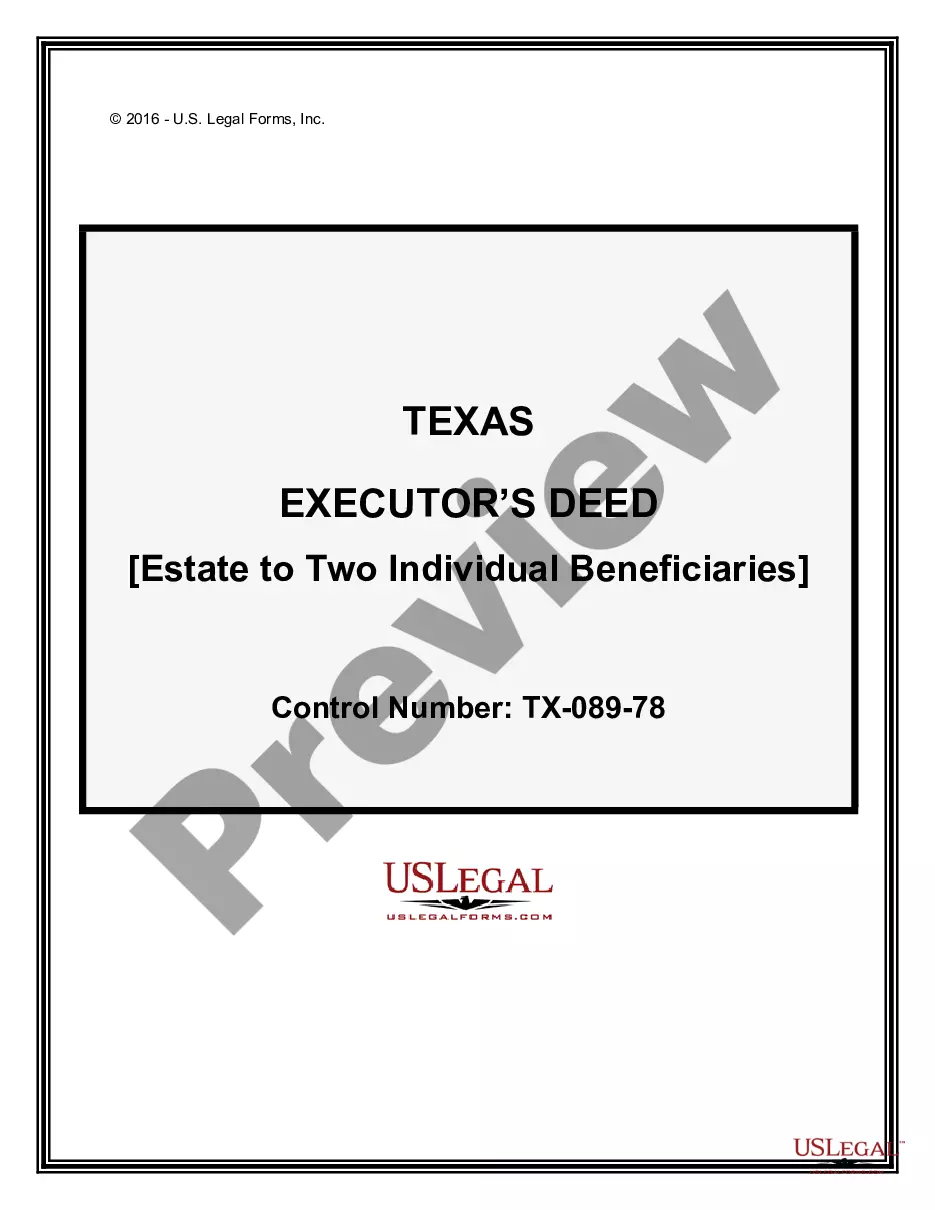
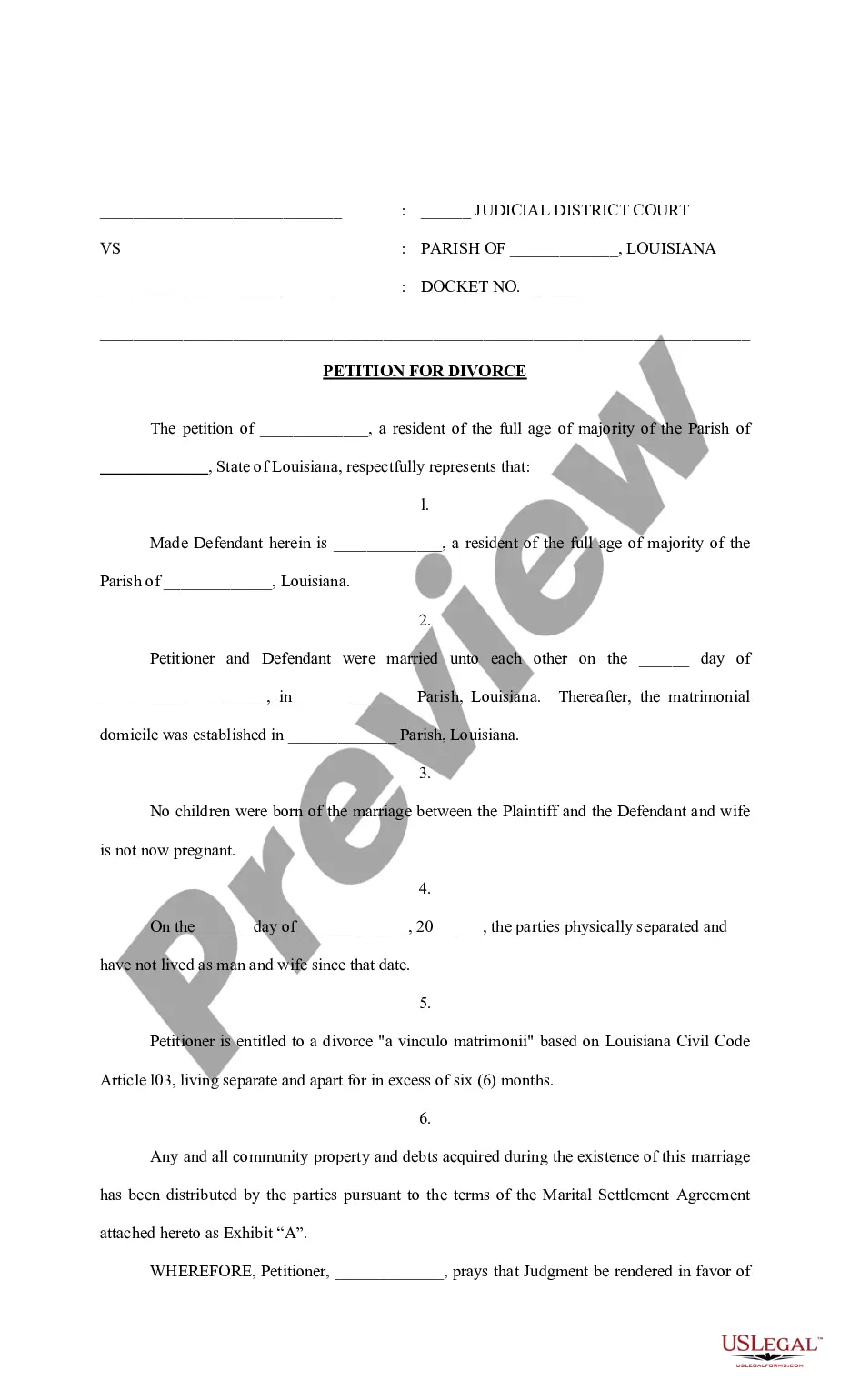

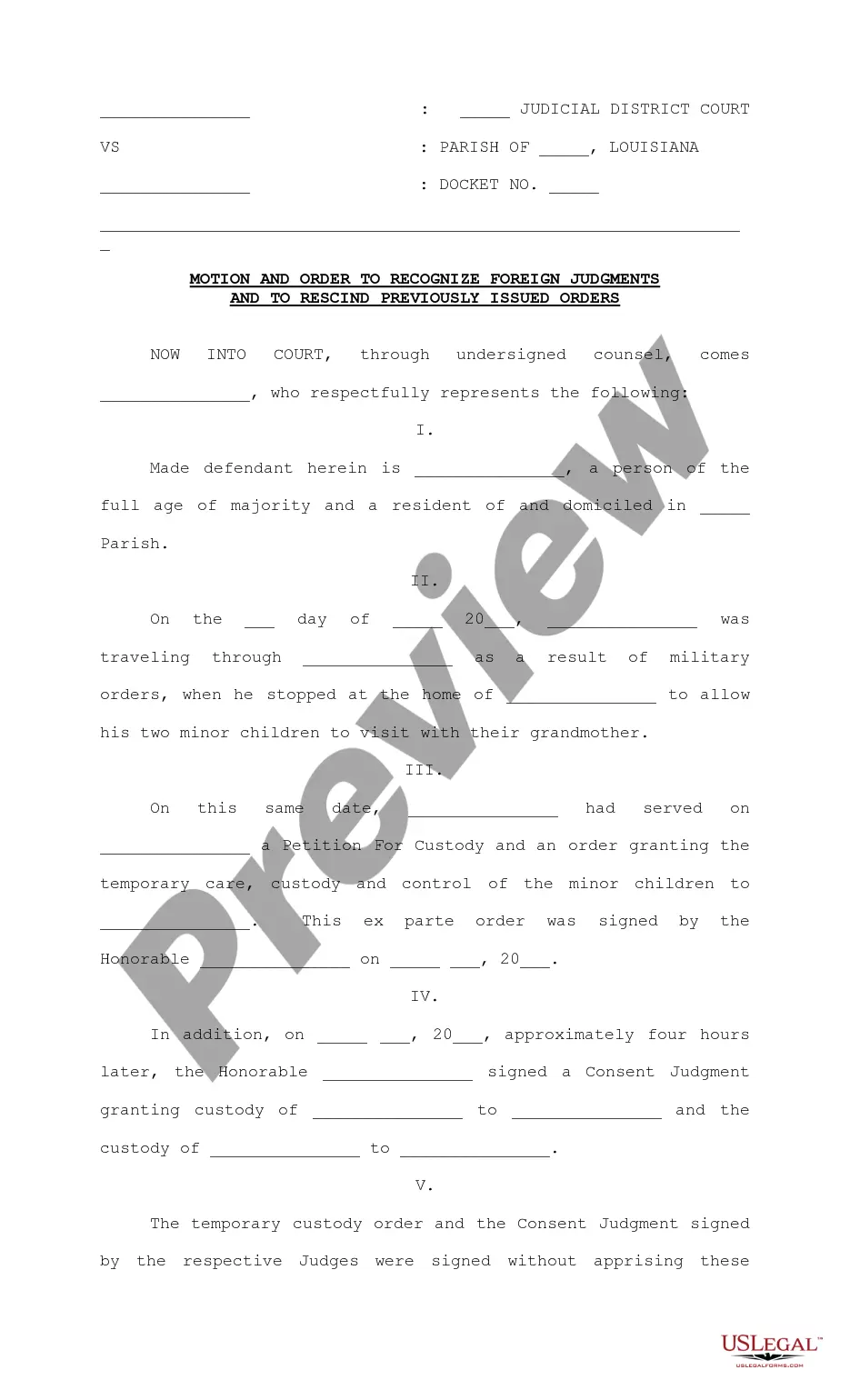
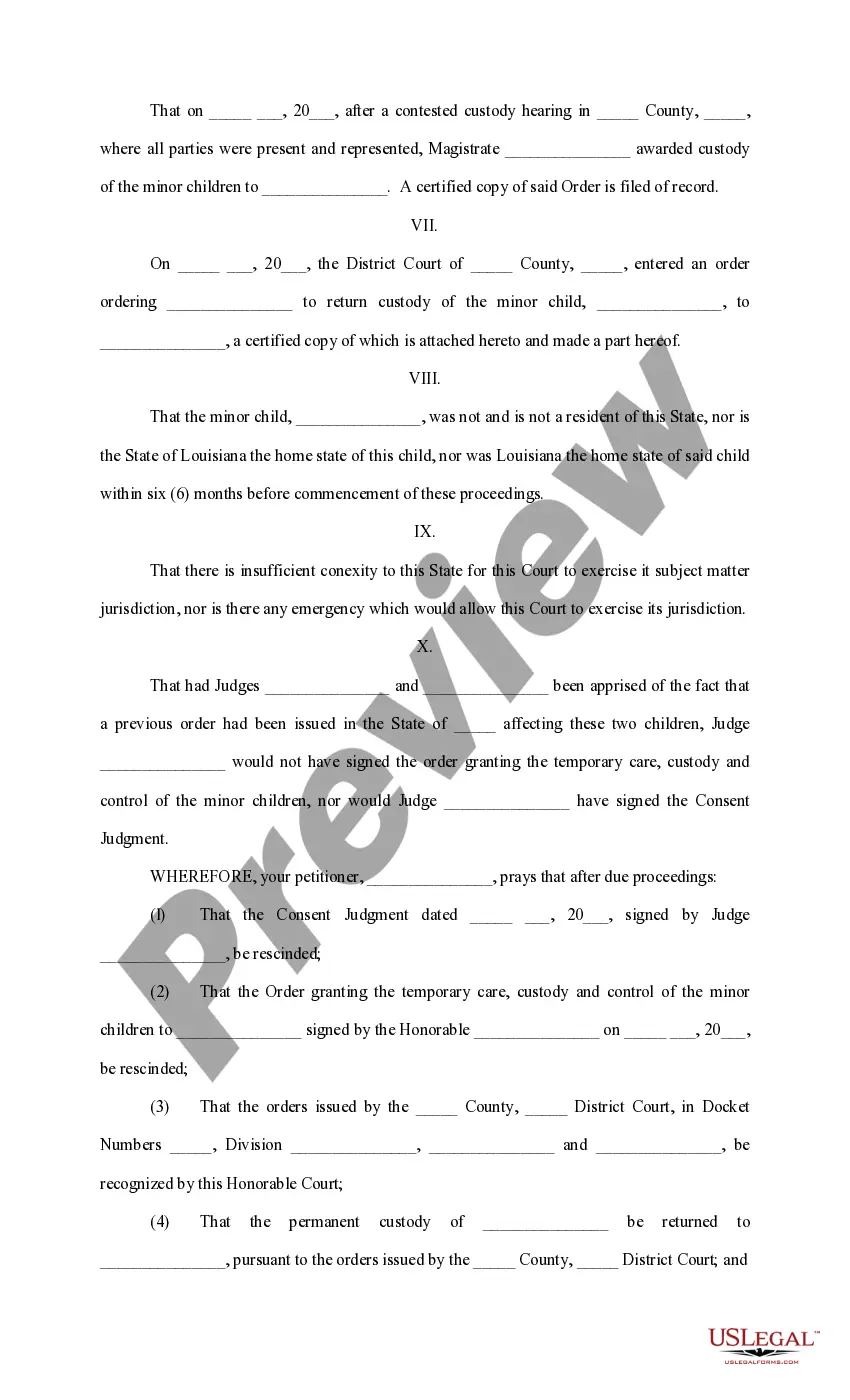
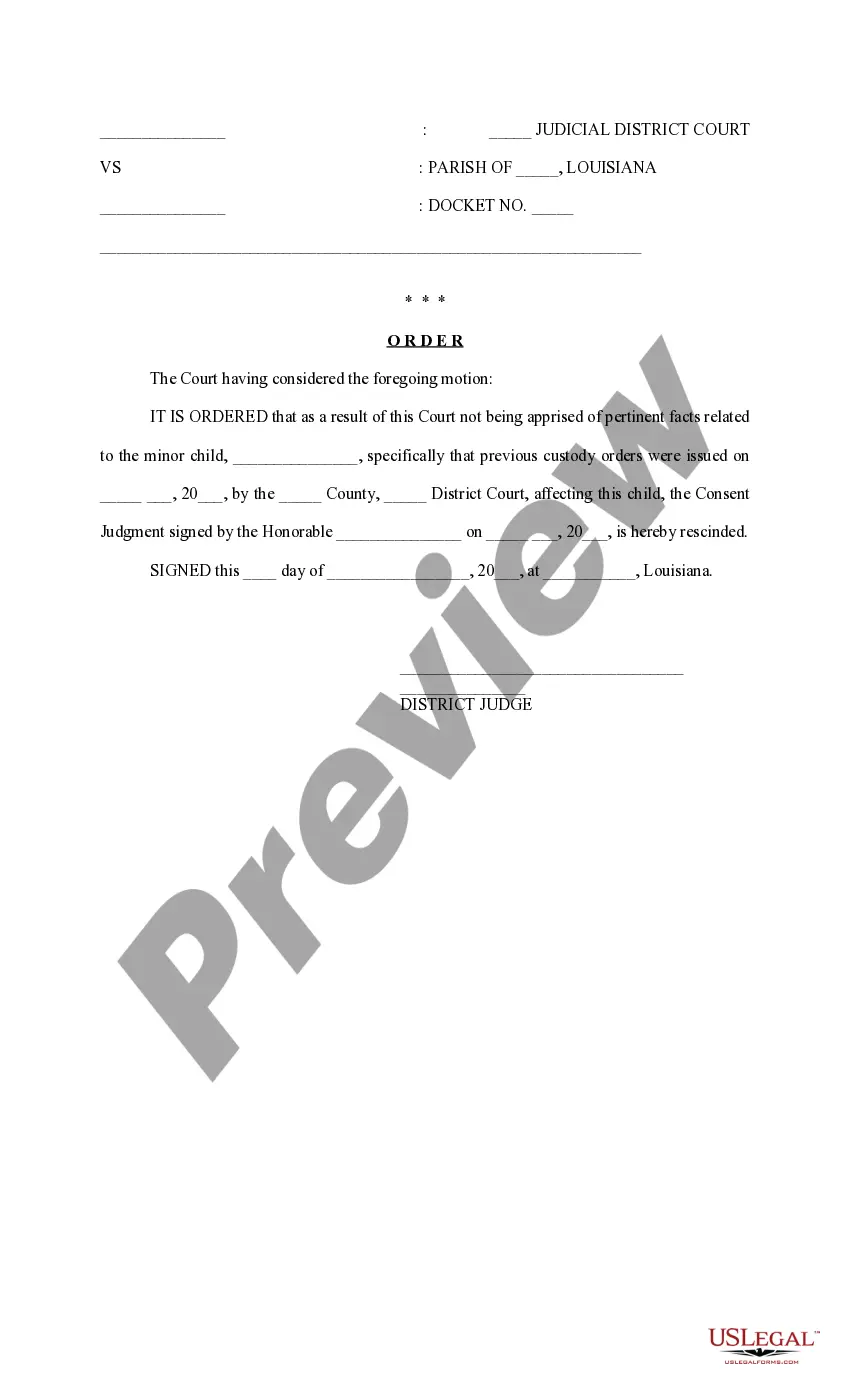
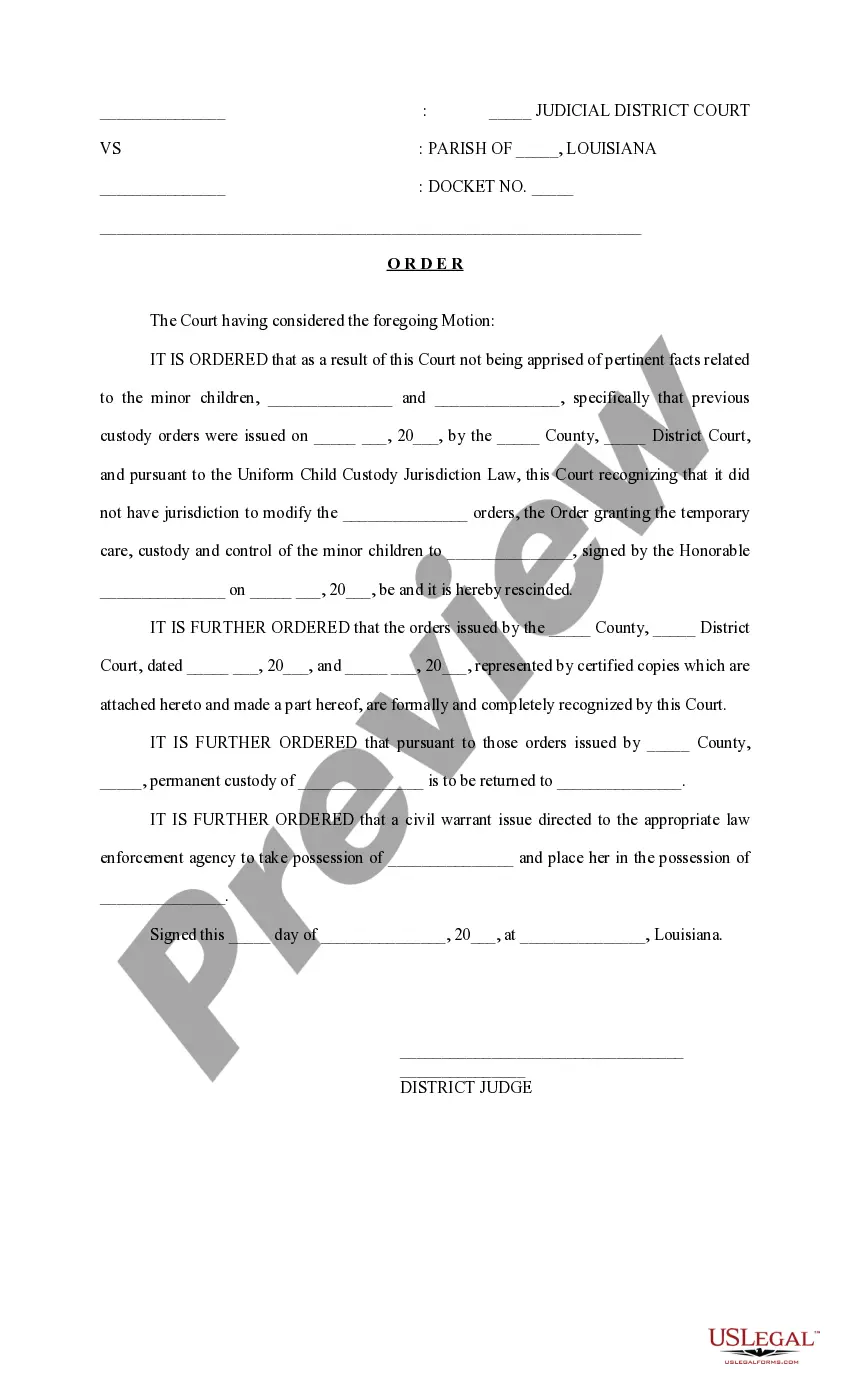
How to fill out Louisiana Motion And Order To Recognize Foreign Judgments And To Rescind Previously Issued Orders (Custody)?
- Log in to your US Legal Forms account. If you haven't used our service before, create a new account to get started.
- Search for the appropriate template by using the Preview mode and form description to verify it meets your needs.
- If you need a different form, utilize the Search tab to explore our extensive library for alternatives.
- Select the document by clicking the 'Buy Now' button, then choose a suitable subscription plan.
- Complete your purchase by entering your payment information or using your PayPal account.
- Download the form to your device and access it anytime from the 'My Forms' section of your profile.
In conclusion, US Legal Forms provides a robust platform for handling custody issues effectively. By following these steps, you can easily access the legal documents you need and ensure they comply with local regulations.
Don't hesitate—get started today and simplify your legal journey with US Legal Forms!
Form popularity
FAQ
The best evidence in custody issues includes documents that demonstrate your active involvement in your child’s life, such as school records, medical records, and testimonials from teachers or family members. Any evidence showing your commitment to the child's welfare, like participation in extracurricular activities or consistent attendance at parent-teacher meetings, can strengthen your case. Using the US Legal Forms platform, you can access templates that help you gather and present this vital information effectively.
In custody issues, speak directly to the judge about your children's needs and how you intend to meet them. Emphasize the stability and support system you provide, illustrating how maintaining a strong bond with you is essential for the child’s well-being. Additionally, express willingness to cooperate with the other parent to foster a healthy relationship, which can reflect positively on your case.
When discussing custody issues, focus on how your proposed arrangement benefits the child holistically. Highlight your ability to meet their physical, emotional, and educational needs. Use specific examples that illustrate your involvement in their daily life and routines, which can create a stronger argument for your custodial rights. Remember, the judge is interested in the child’s welfare above all.
To convince a judge in custody issues, present a clear and organized case that demonstrates your commitment to the child's best interests. Use documented evidence and personal testimonials that highlight your parenting skills and stability. Clearly articulate your plan for the child's upbringing to show the court that you can provide a nurturing environment. Engaging with the court respectfully can also make a positive impression.
Several factors can negatively affect your standing in a custody battle, including a history of substance abuse, neglect, or failure to provide for your child's basic needs. Additionally, poor communication with the other parent can raise concerns about co-parenting abilities. Always focus on demonstrating your commitment to creating a supportive environment for your child. A clear understanding of these elements can help you navigate custody issues more effectively.
When speaking to a judge about obtaining custody, focus on the child's best interests. Clearly articulate your commitment to providing a stable, loving environment. Present evidence of your involvement in the child's life, such as attending school events or healthcare appointments. This approach can significantly impact custody issues and help you convey your dedication to your child’s well-being.
In North Carolina, securing visitation rights requires filing a complaint in court detailing your relationship with the child and the desired visitation schedule. It is essential to demonstrate that visitation is in the child's best interest. After filing, you may need to attend mediation or a hearing. This approach can help address custody issues and foster better relationships between parents and children.
You can obtain visitation rights without a lawyer by first understanding the legal requirements in your state. Start by completing the necessary forms, which you can often find on your state’s court website. Once you have the forms filled out, submit them to the court. This process can help you navigate custody issues effectively and ensure that your parental rights are respected.
A custodial case involves legal proceedings regarding the custody of a child, addressing who will make decisions about the child's welfare and where the child will live. These cases often arise during divorce or separation when parents cannot agree on custody arrangements. Understanding the implications of a custodial case is essential for achieving a resolution that serves the child's interests.
Custodial issues can pertain to disputes about living arrangements, visitation rights, and legal decision-making authority for children. These concerns often arise during divorce or separation when parents must determine how they will share the responsibilities of raising their child. Addressing custodial issues effectively is vital for the well-being of both the child and the parents.