Louisiana Motion Court For Dismissal
Description
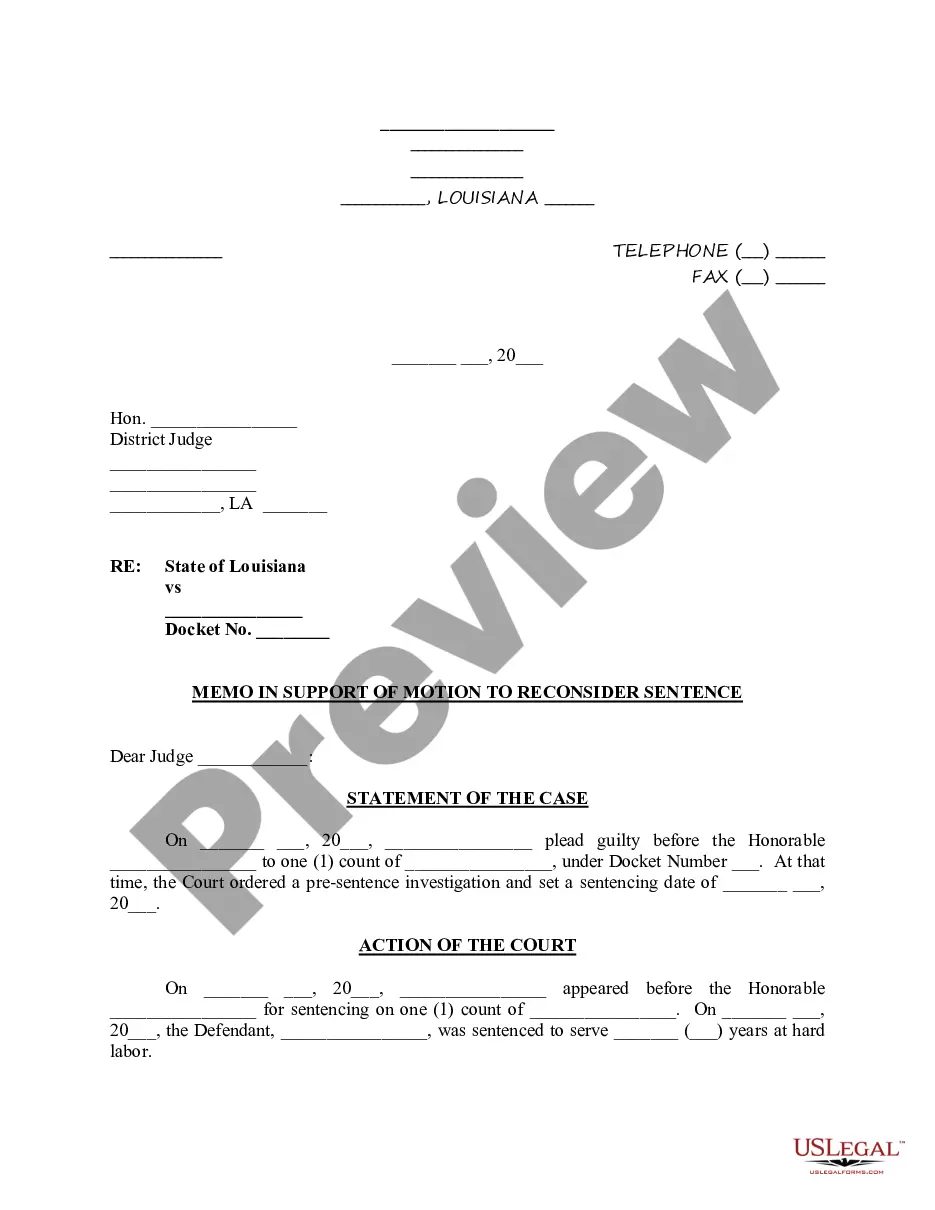
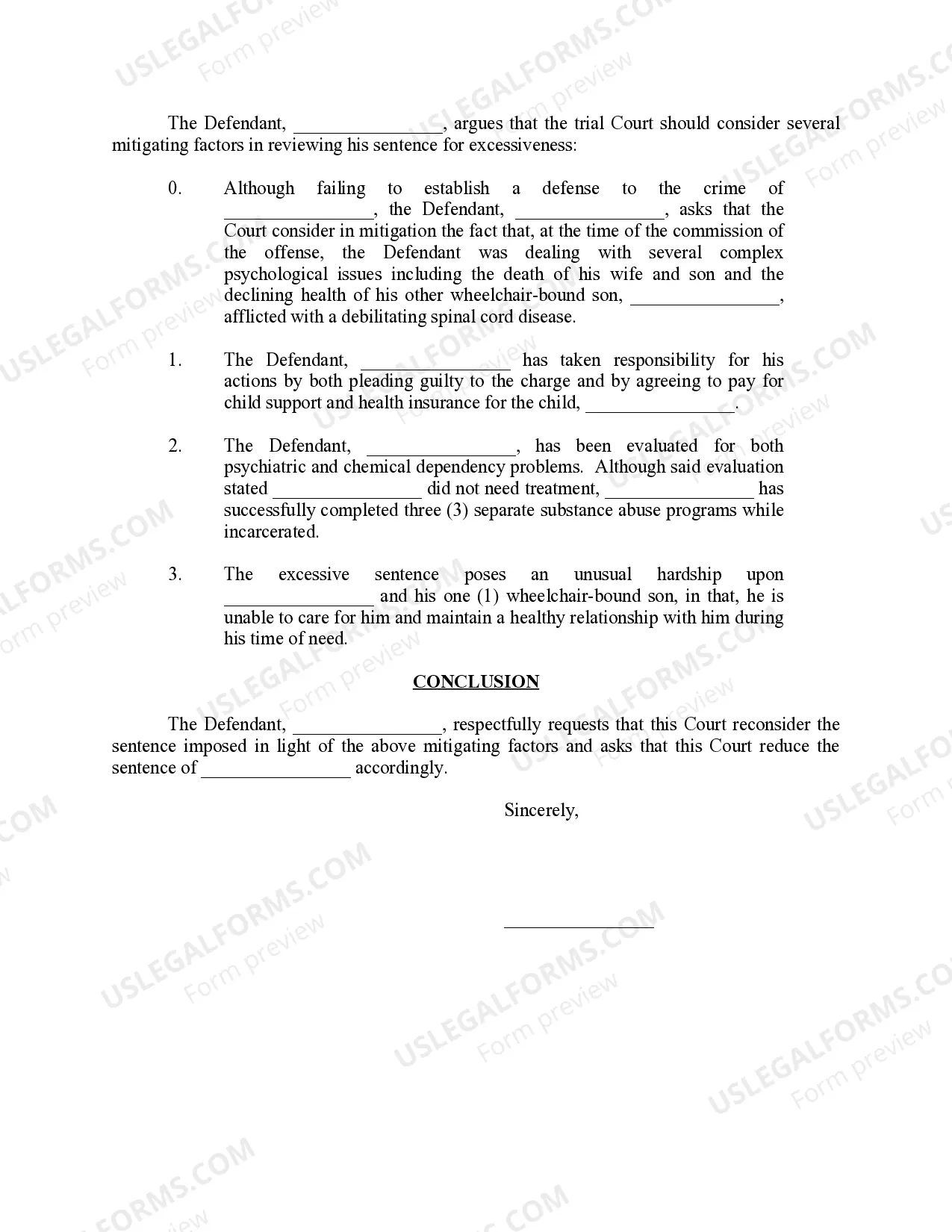
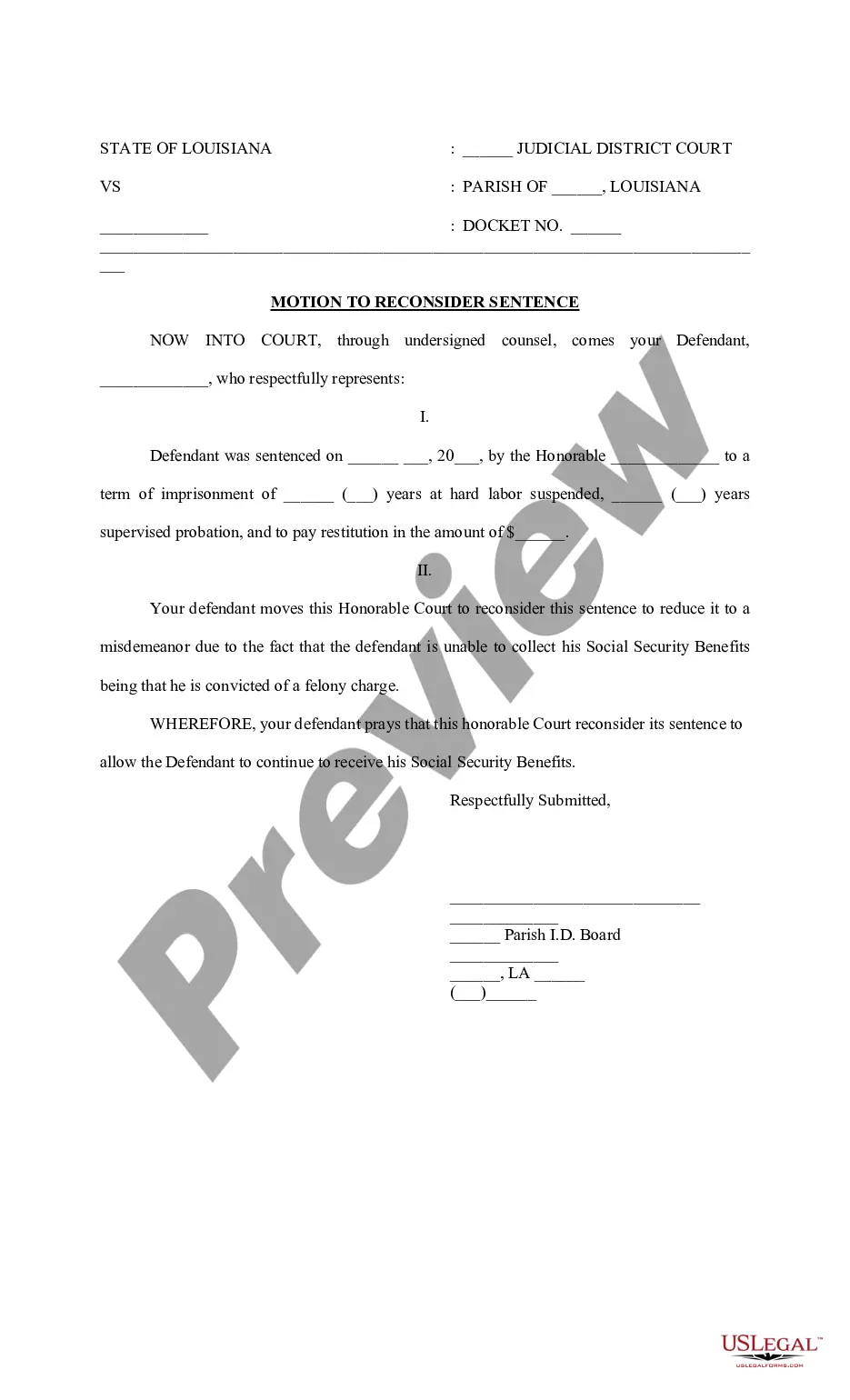
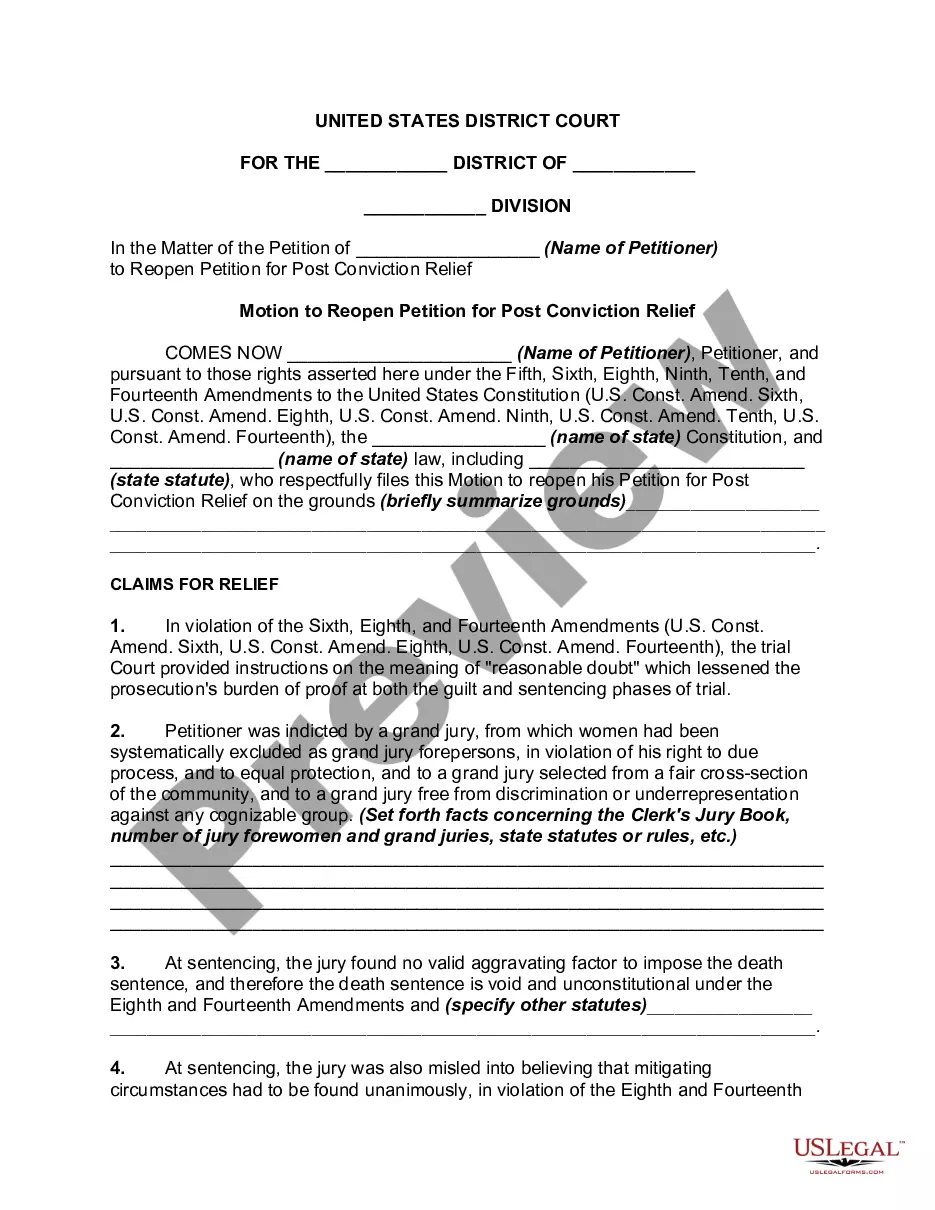
Get your form ready online
Our built-in tools help you complete, sign, share, and store your documents in one place.
Make edits, fill in missing information, and update formatting in US Legal Forms—just like you would in MS Word.
Download a copy, print it, send it by email, or mail it via USPS—whatever works best for your next step.
Sign and collect signatures with our SignNow integration. Send to multiple recipients, set reminders, and more. Go Premium to unlock E-Sign.
If this form requires notarization, complete it online through a secure video call—no need to meet a notary in person or wait for an appointment.
We protect your documents and personal data by following strict security and privacy standards.

Make edits, fill in missing information, and update formatting in US Legal Forms—just like you would in MS Word.

Download a copy, print it, send it by email, or mail it via USPS—whatever works best for your next step.

Sign and collect signatures with our SignNow integration. Send to multiple recipients, set reminders, and more. Go Premium to unlock E-Sign.

If this form requires notarization, complete it online through a secure video call—no need to meet a notary in person or wait for an appointment.

We protect your documents and personal data by following strict security and privacy standards.
Looking for another form?
Form popularity
FAQ
A motion to dismiss without prejudice in Louisiana allows a plaintiff to withdraw their case while keeping the door open for future litigation on the same issues. This type of dismissal typically occurs when a party wishes to reconsider their options or address specific legal concerns. It is commonly filed in the Louisiana motion court for dismissal, ensuring that the case is simply paused rather than ended. Platforms like UsLegalForms can guide you through this process effectively.
A voluntary dismissal under the Louisiana Code of Civil Procedure allows a party to withdraw their case at any time before a final judgment. This dismissal can occur without prejudice, meaning you retain the right to file the case again in the future. Many individuals utilize the Louisiana motion court for dismissal to proceed with this option when circumstances change. Using UsLegalForms can provide clarity on how to properly submit a voluntary dismissal.
A motion to quash in Louisiana refers to a request made to the court to nullify a legal proceeding or document. This motion can challenge the validity of a subpoena, service of process, or even evidence submitted. It is often used in the Louisiana motion court for dismissal to contest actions taken that may infringe on legal rights. Understanding how to craft this motion is essential, and platforms like UsLegalForms can offer useful resources.
To file a motion in Louisiana, start by preparing the motion documents that clearly outline your request. Ensure you include relevant facts, legal arguments, and any supporting evidence. After drafting your motion, file it with the appropriate Louisiana motion court for dismissal and ensure that all parties involved receive a copy. Utilizing services like UsLegalForms can simplify this process by providing templates and guidance.
The most common motion in limine often seeks to exclude evidence that is considered highly prejudicial or irrelevant to the case. This can include prior criminal history or other information that does not directly pertain to the case at hand. In a Louisiana motion court for dismissal, filing a well-supported motion in limine can help clarify issues before trial begins. By staying ahead of potential challenges, parties can avoid surprises and foster a fairer trial environment.
Article 701 of the Louisiana Code of Evidence deals with the admissibility of opinion testimony from lay witnesses. It provides that such opinions must be rationally based on the witness's perception and helpful for understanding the evidence or determining a fact in issue. In cases involving a Louisiana motion court for dismissal, understanding Article 701 is essential for determining what opinion evidence can be presented. This knowledge equips litigants to effectively formulate their arguments for or against the admission of certain evidence.
The point in limine serves as a concise legal basis for excluding certain evidence from court proceedings. This specific focus helps streamline the trial and ensures that jurors only consider information pertinent to their decision. When addressing a Louisiana motion court for dismissal, presenting solid points in limine can significantly strengthen a case. This practice not only protects the integrity of the trial but also aids in upholding justice.
In limine refers to a legal motion requesting that certain evidence be excluded from being presented during a trial. When dealing with a Louisiana motion court for dismissal, this motion aims to prevent prejudicial or irrelevant information from being introduced to jurors. The party making the motion must demonstrate that the evidence could unfairly sway the court's judgment. Thus, understanding in limine motions is crucial for anyone navigating the legal process in Louisiana.
In Louisiana, a motion in limine is a request made before a trial begins, seeking to exclude specific evidence from being presented during the trial. This type of motion aims to protect parties from unfair prejudice that could arise from the introduction of irrelevant or inadmissible evidence. When dealing with a Louisiana motion court for dismissal, understanding how to effectively file a motion in limine can play a crucial role in shaping the trial's outcome. For comprehensive assistance, the US Legal Forms platform provides resources and templates to help you navigate the motion process with ease.
In Louisiana, the exception to no cause of action allows a defendant to claim that the plaintiff's petition does not state a valid legal claim. This motion argues that even if all allegations were true, there is no legal basis for action. Utilizing this exception in the Louisiana motion court for dismissal can be a powerful strategy to halt cases that lack sufficient grounds. The key to successfully implementing this exception lies in clear legal reasoning and effective presentation in court.
