Real Estate With Llc
Description
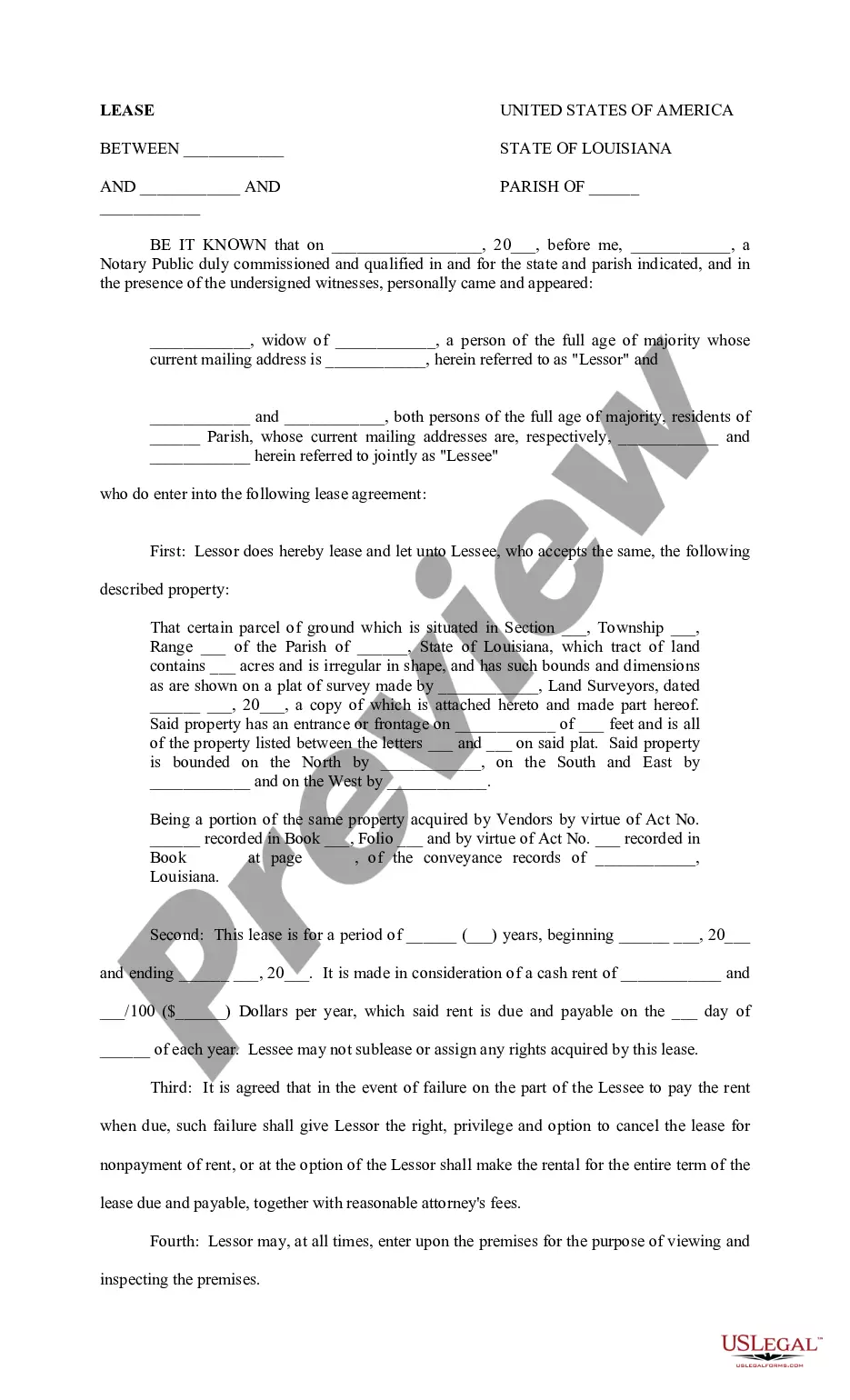
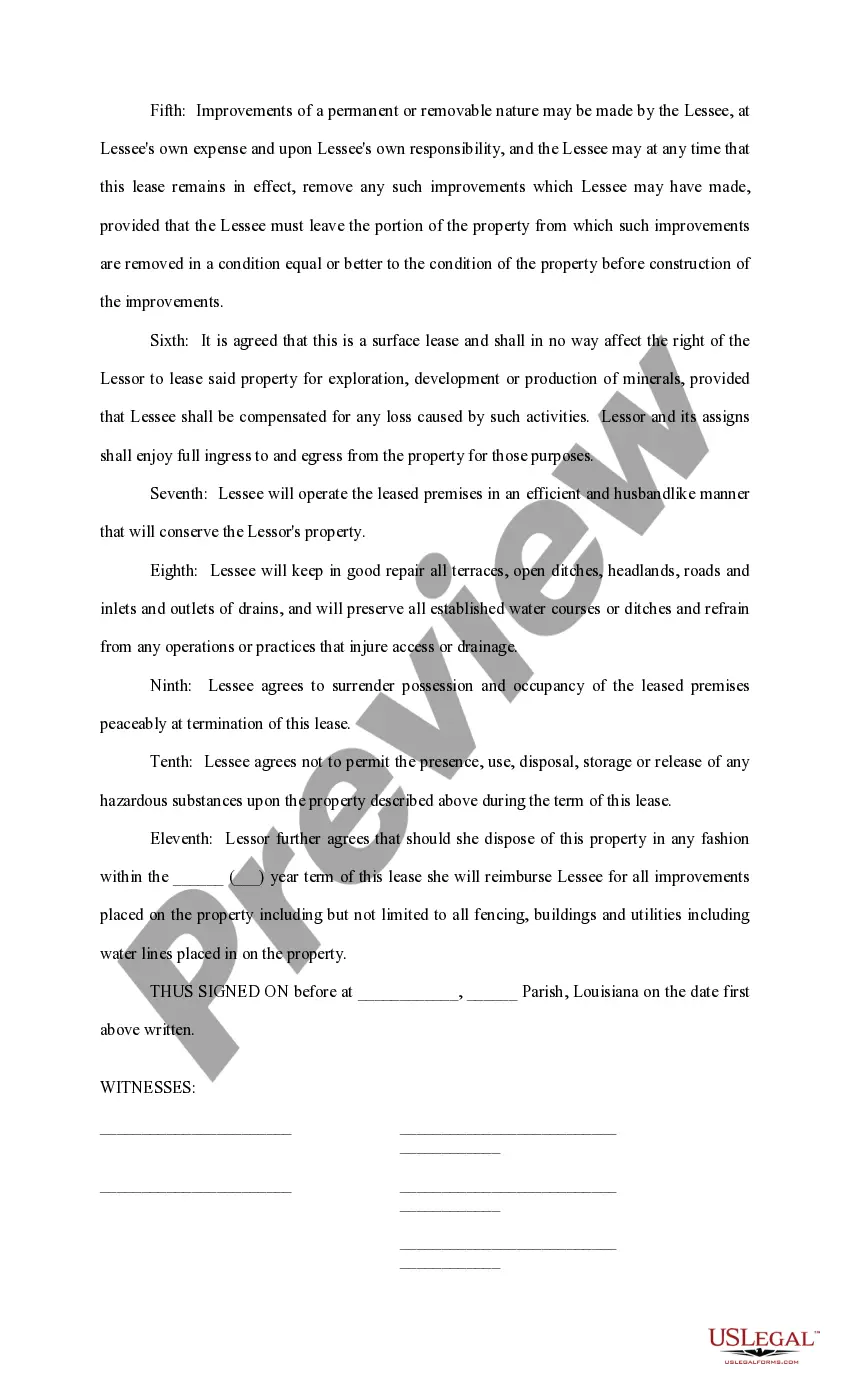

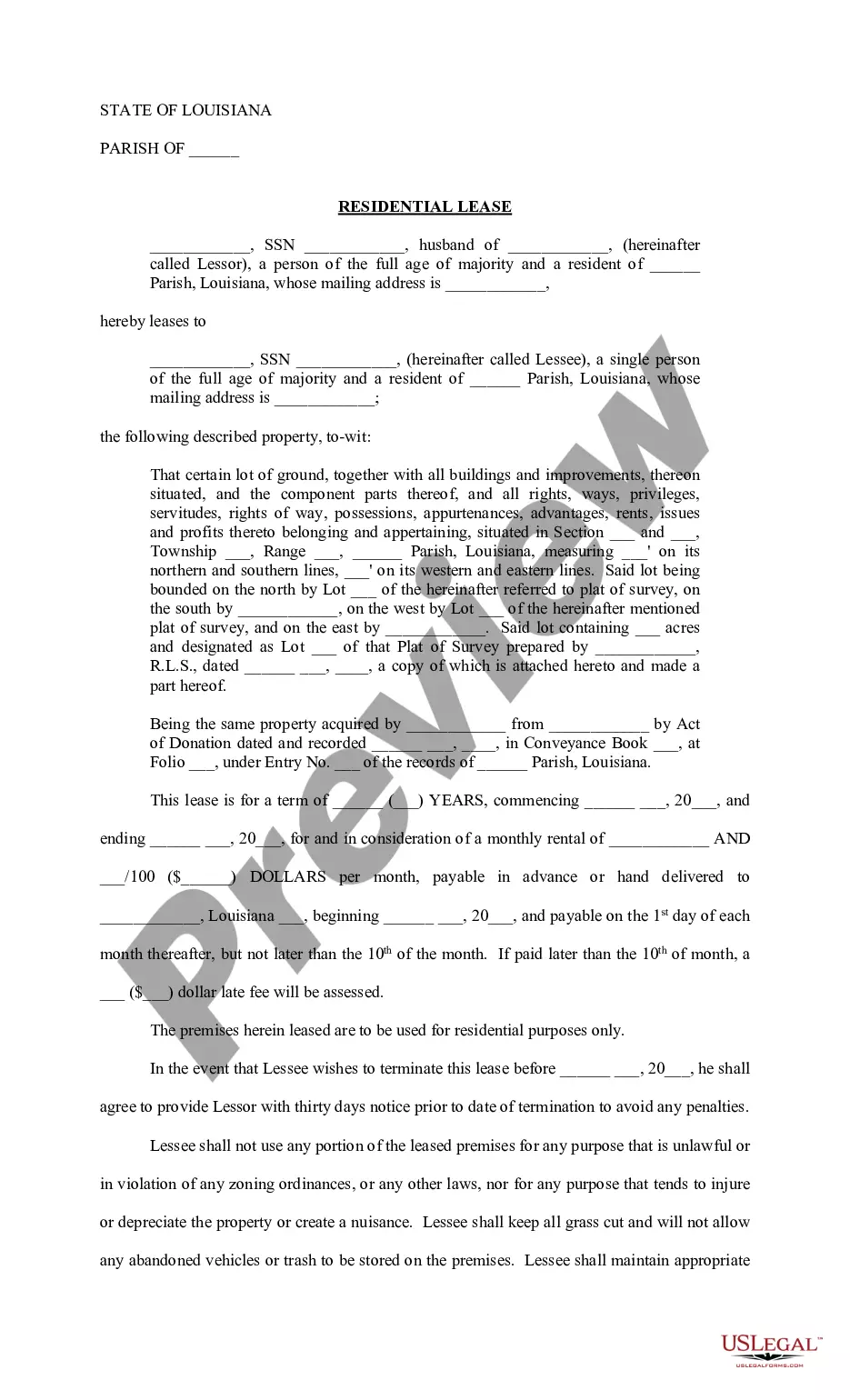
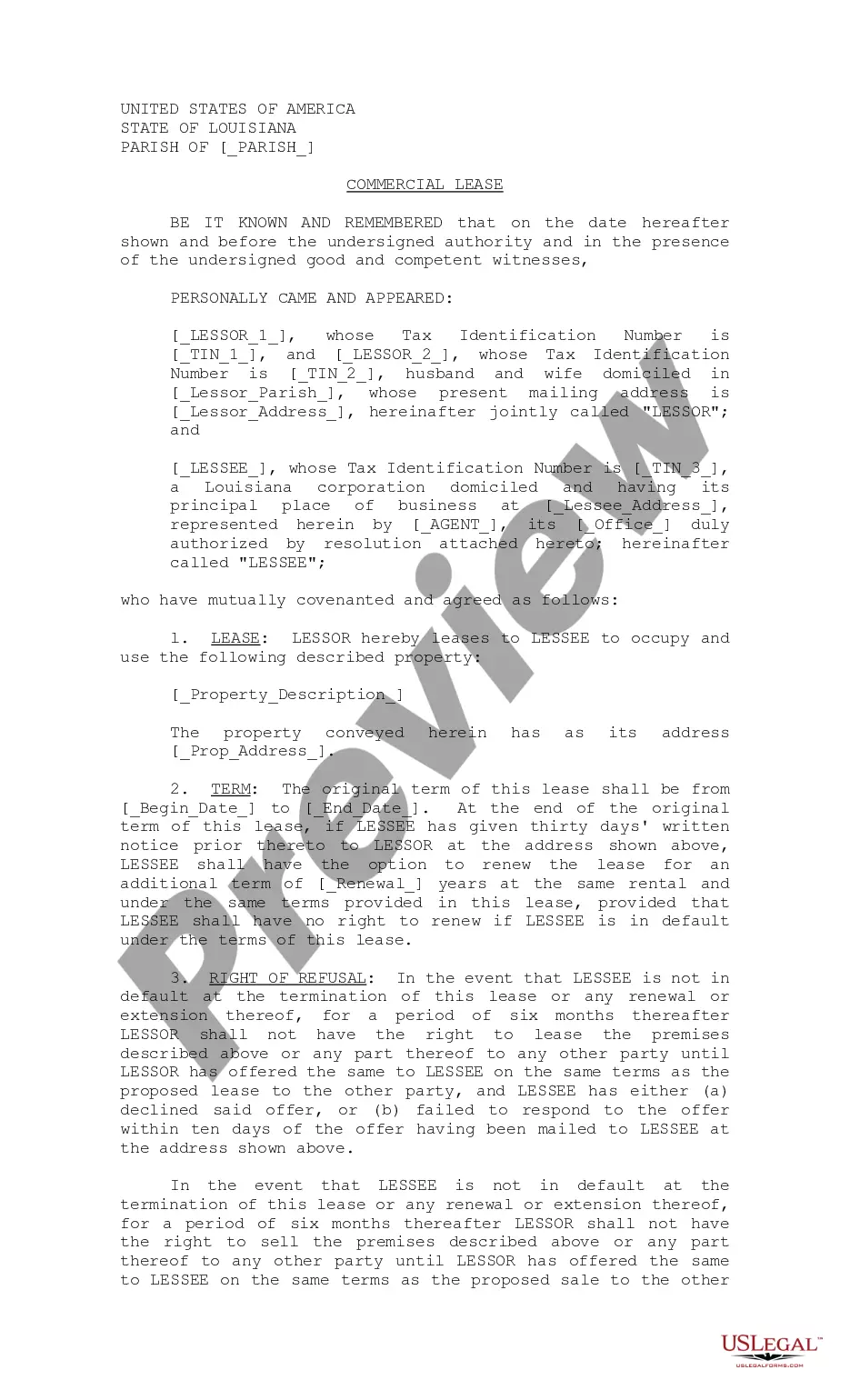
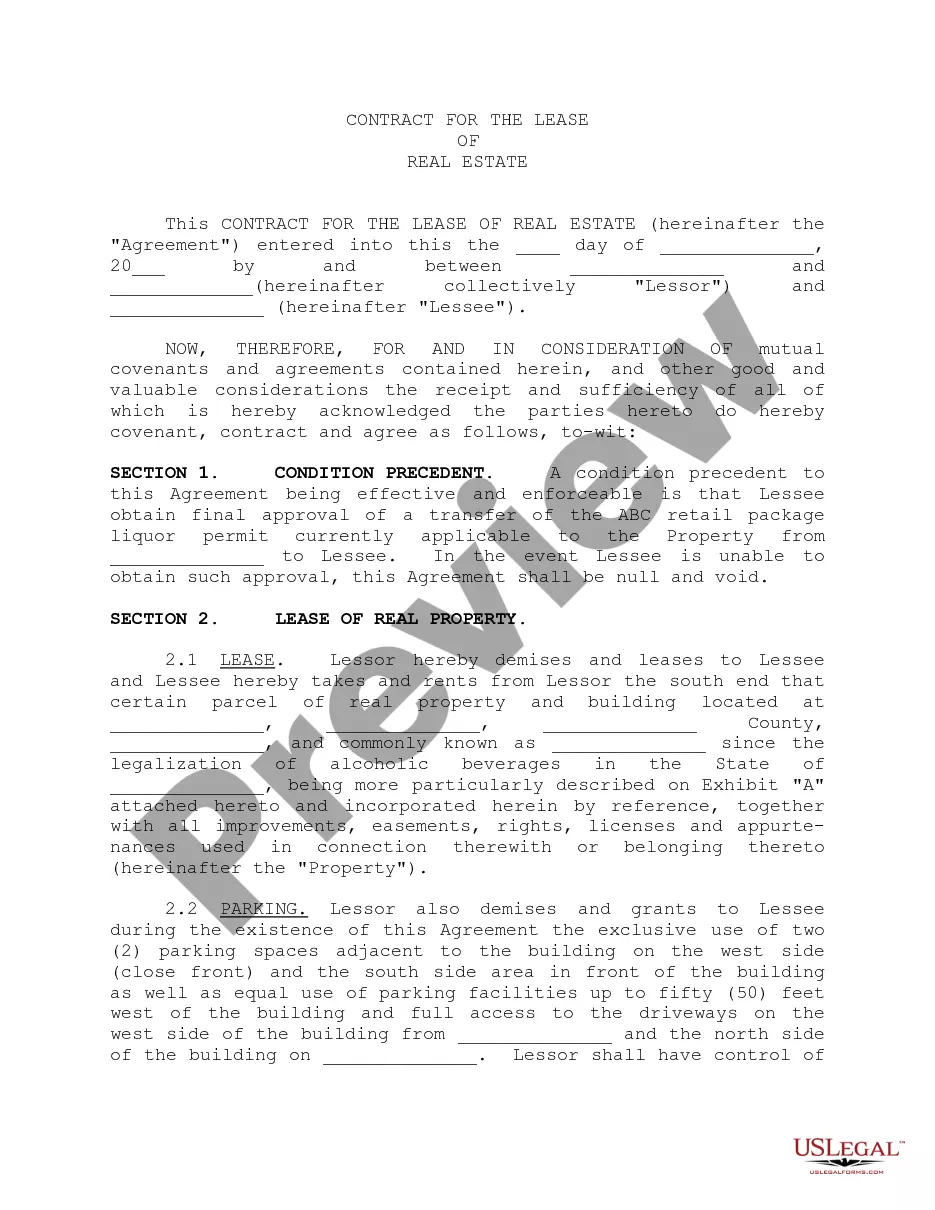
Get your form ready online
Our built-in tools help you complete, sign, share, and store your documents in one place.
Make edits, fill in missing information, and update formatting in US Legal Forms—just like you would in MS Word.
Download a copy, print it, send it by email, or mail it via USPS—whatever works best for your next step.
Sign and collect signatures with our SignNow integration. Send to multiple recipients, set reminders, and more. Go Premium to unlock E-Sign.
If this form requires notarization, complete it online through a secure video call—no need to meet a notary in person or wait for an appointment.
We protect your documents and personal data by following strict security and privacy standards.

Make edits, fill in missing information, and update formatting in US Legal Forms—just like you would in MS Word.

Download a copy, print it, send it by email, or mail it via USPS—whatever works best for your next step.

Sign and collect signatures with our SignNow integration. Send to multiple recipients, set reminders, and more. Go Premium to unlock E-Sign.

If this form requires notarization, complete it online through a secure video call—no need to meet a notary in person or wait for an appointment.

We protect your documents and personal data by following strict security and privacy standards.
Looking for another form?
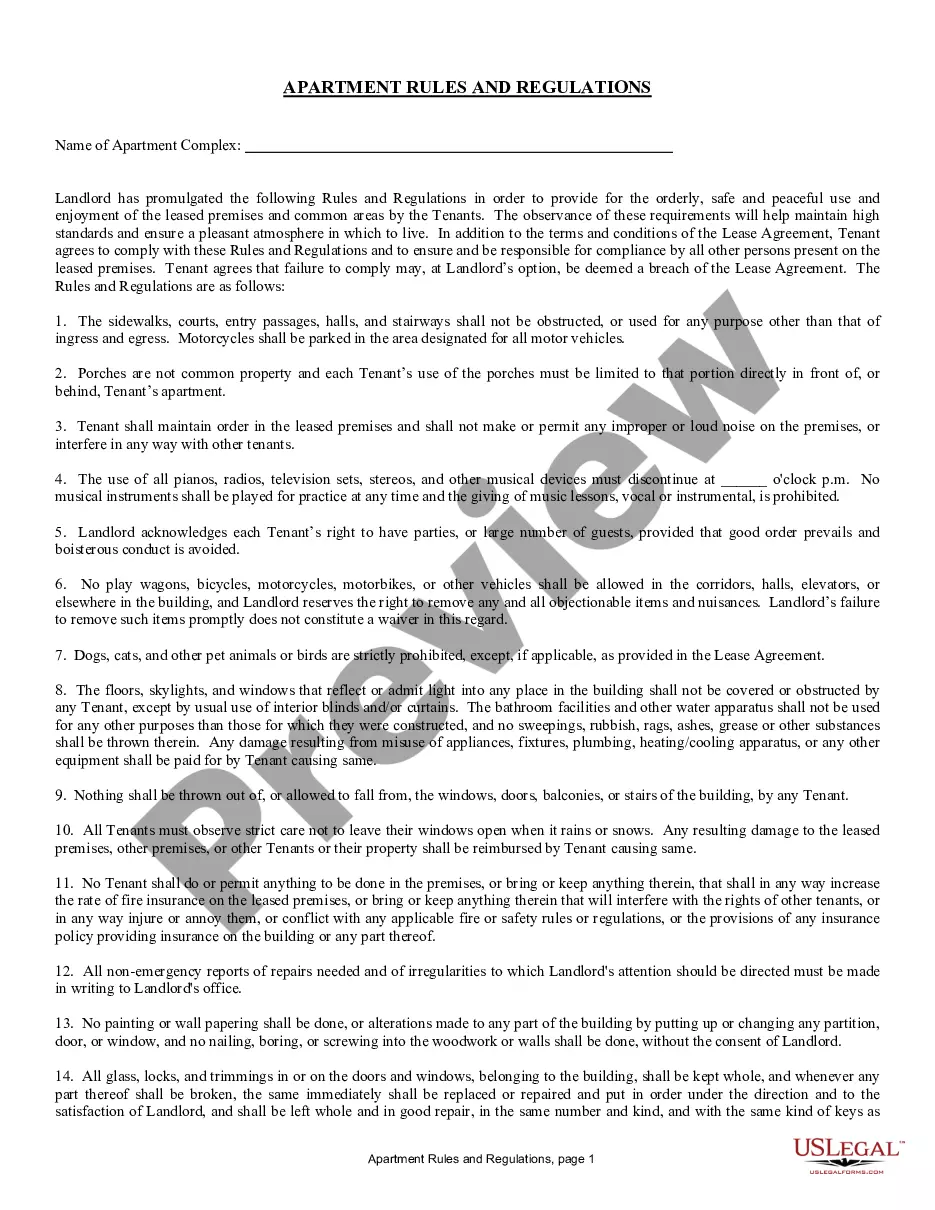

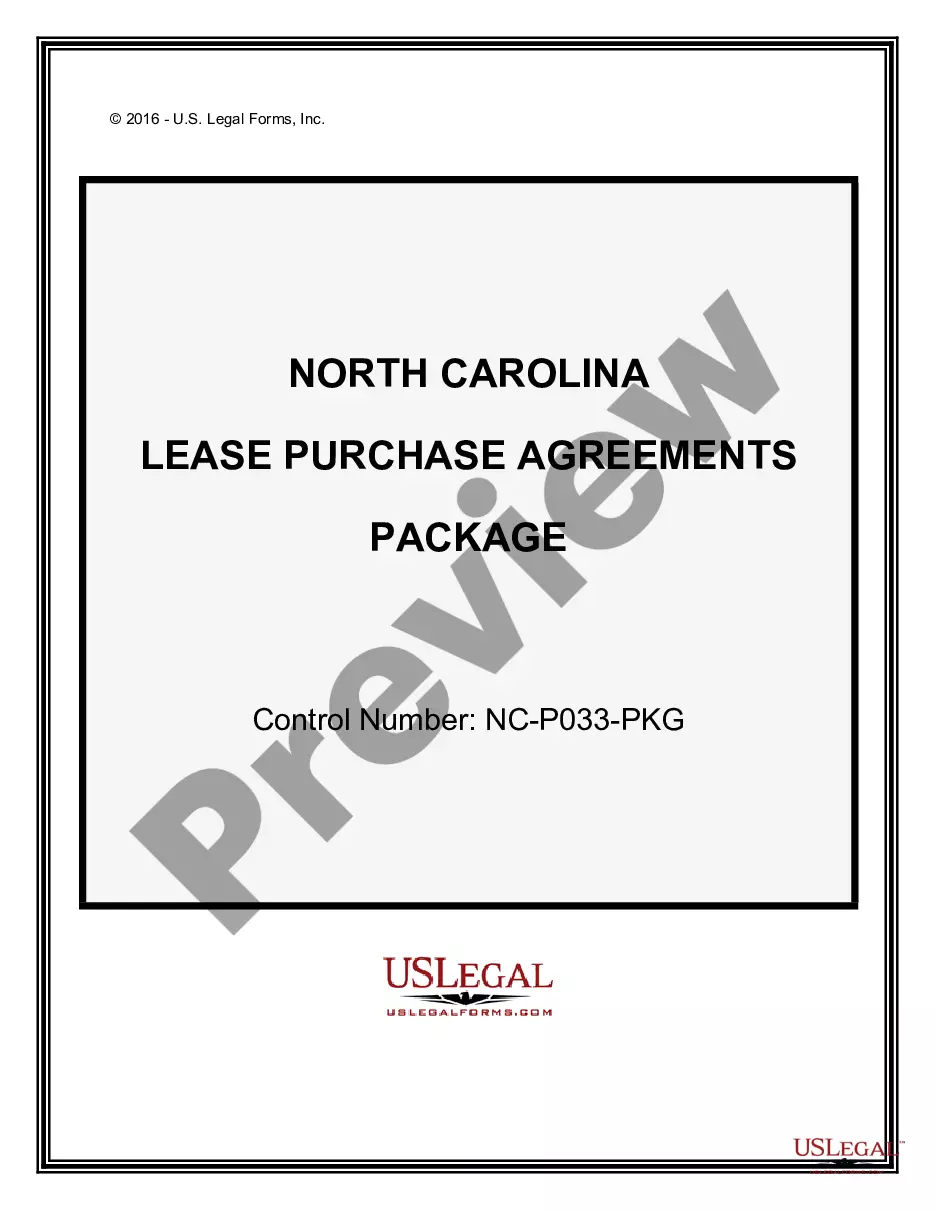



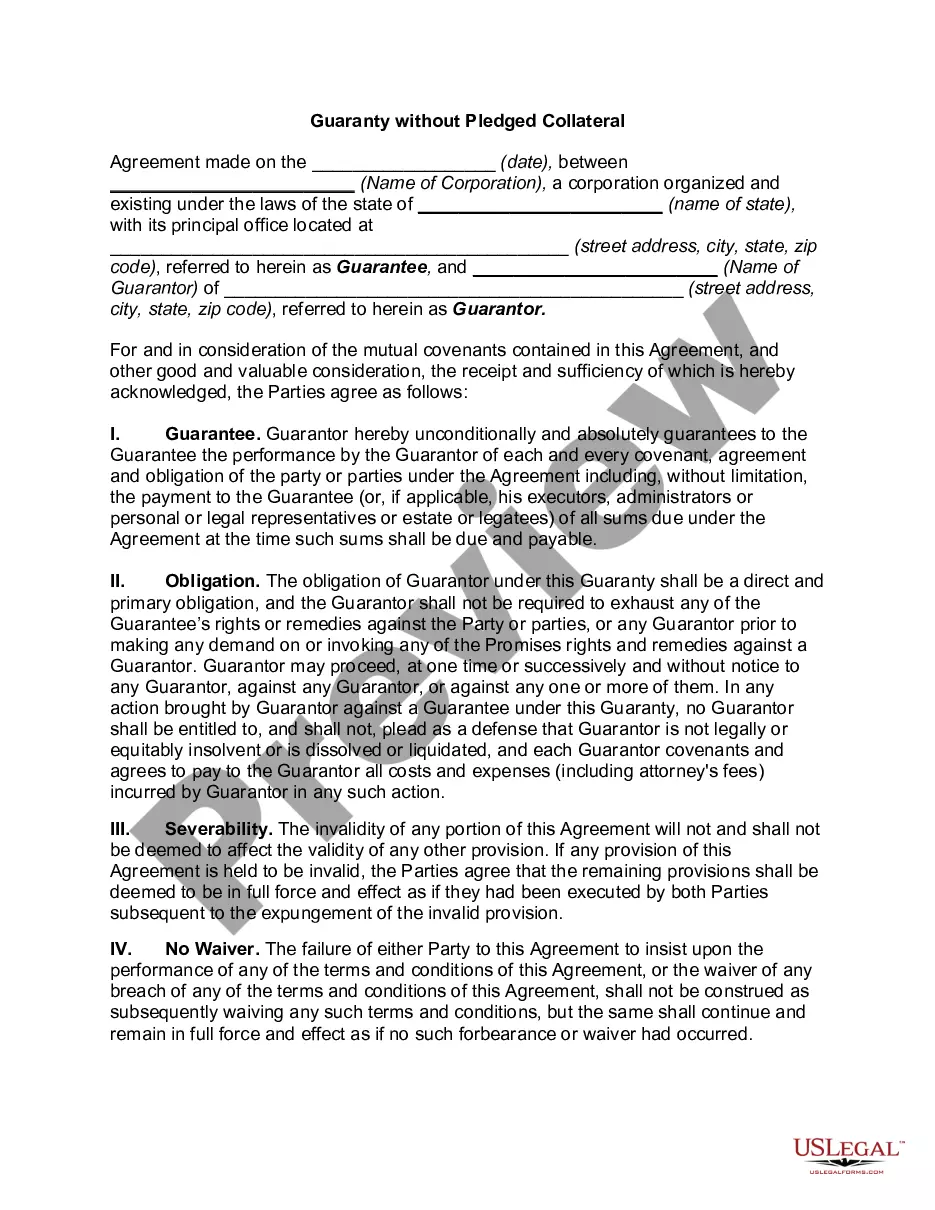


How to fill out Louisiana Real Estate Lease?
- If you're a returning user, log into your account and download the desired form by clicking the Download button, ensuring your subscription is current.
- For new users, first, browse the Preview mode to verify the form meets your specific requirements based on local jurisdiction.
- If a suitable template is not found, utilize the search tab to locate alternate forms that align with your needs.
- Once you've selected an appropriate document, click 'Buy Now' and choose your desired subscription plan. Create an account to gain access to the full library.
- Complete your purchase by entering your payment information either via credit card or PayPal.
- Lastly, download your completed form and save it on your device, with the option to revisit it through My Forms at any time.
With US Legal Forms, you gain access to a robust collection of meticulous legal templates tailored for diverse needs. Their platform empowers users—including attorneys—to swiftly execute legal documents with confidence.
Start managing your real estate with llc efficiently today. Explore US Legal Forms now!
Form popularity
FAQ
While an LLC can offer numerous advantages, there are some drawbacks to consider. First, setting up and maintaining an LLC involves costs, such as formation fees and potential annual taxes. Additionally, you may face challenges with securing financing, as lenders sometimes prefer personal guarantees. Understanding these factors is crucial when evaluating the best way to manage real estate with LLC.
To hold your real estate in an LLC, you need to first create the LLC, which involves filing the necessary paperwork with your state and paying any required fees. After forming the LLC, you transfer ownership of the property to it, usually through a deed transfer. This can be done with the help of a legal professional to ensure correct procedures are followed. Ultimately, managing your real estate with LLC allows for streamlined organization and protection of your assets.
Placing real estate in an LLC can provide various benefits, such as personal liability protection and potential tax advantages. By doing so, you separate your personal assets from your property investments, which helps shield your personal wealth from business-related risks. Additionally, an LLC offers flexibility in management and ownership. Therefore, considering these benefits, many choose to manage real estate with LLC to enhance their investment strategy.
Many people choose to place their houses under an LLC for several reasons. Primarily, it provides liability protection, ensuring that personal assets are not at risk in case of legal issues or disputes. Additionally, an LLC can offer tax advantages and streamline estate planning. When considering real estate with an LLC, you can effectively safeguard your investment while enjoying beneficial legal and financial perks.
The 70% rule in real estate is a guideline investors use to determine how much to offer for a property. According to this rule, you should offer 70% of the after-repair value of a home, minus the costs of repairs. This approach helps safeguard your investment, ensuring it remains profitable. By utilizing an LLC for your real estate transactions, you can further protect your personal assets while leveraging this rule.
Homeowners often put their house under an LLC for privacy and asset protection purposes. This allows them to shield their personal identity in public records and limit their legal liability. Additionally, this arrangement can offer ease of transfer should they decide to sell or pass on the property. Utilizing real estate with LLC is a smart way to manage one's primary residence.
Many individuals choose to put real estate in an LLC primarily for liability protection. By doing so, they safeguard personal assets against claims related to the property. Furthermore, LLCs provide tax flexibility and can enhance the management of multiple properties. Hence, investing in real estate with LLC becomes a strategic choice for many property owners.
One disadvantage of placing a property in an LLC is the potential for additional costs. You may face formation fees, ongoing maintenance fees, and possibly higher property taxes in the long run. Additionally, transferring property to an LLC may trigger a reassessment of property taxes. It's crucial to weigh these factors when considering real estate with LLC.
To put real estate in an LLC, start by forming the LLC through your state's filing process. Next, you will need to transfer ownership of the property to the LLC, typically through a deed. It's also wise to consult with a legal expert to ensure everything is done correctly, ensuring your real estate is properly secured within your LLC.
Using an LLC for real estate offers several benefits. First, it provides liability protection; your personal assets remain safe if legal issues arise. Second, it allows for easier management of property investments, facilitating clear separation of personal and business finances. Overall, real estate with LLC provides a secure and organized way to manage your investments.