Noun For Expunge
Description
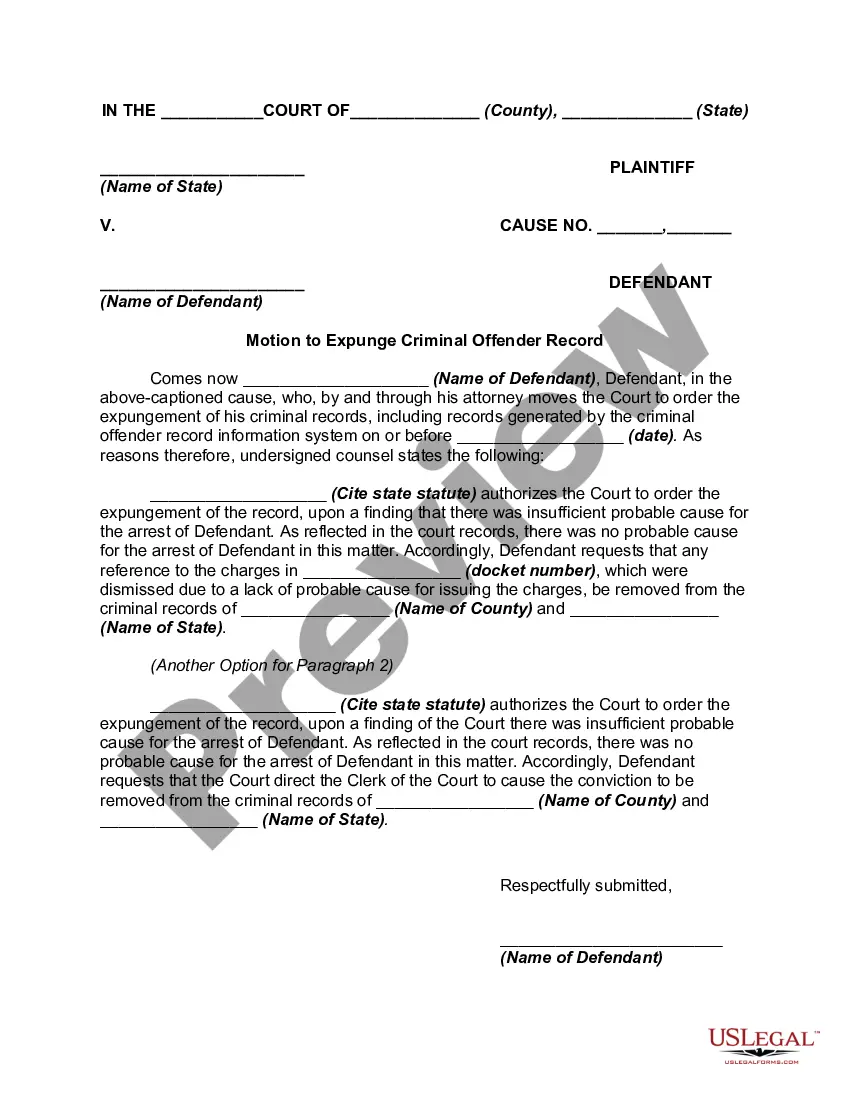
Get your form ready online
Our built-in tools help you complete, sign, share, and store your documents in one place.
Make edits, fill in missing information, and update formatting in US Legal Forms—just like you would in MS Word.
Download a copy, print it, send it by email, or mail it via USPS—whatever works best for your next step.
Sign and collect signatures with our SignNow integration. Send to multiple recipients, set reminders, and more. Go Premium to unlock E-Sign.
If this form requires notarization, complete it online through a secure video call—no need to meet a notary in person or wait for an appointment.
We protect your documents and personal data by following strict security and privacy standards.

Make edits, fill in missing information, and update formatting in US Legal Forms—just like you would in MS Word.

Download a copy, print it, send it by email, or mail it via USPS—whatever works best for your next step.

Sign and collect signatures with our SignNow integration. Send to multiple recipients, set reminders, and more. Go Premium to unlock E-Sign.

If this form requires notarization, complete it online through a secure video call—no need to meet a notary in person or wait for an appointment.

We protect your documents and personal data by following strict security and privacy standards.
Looking for another form?
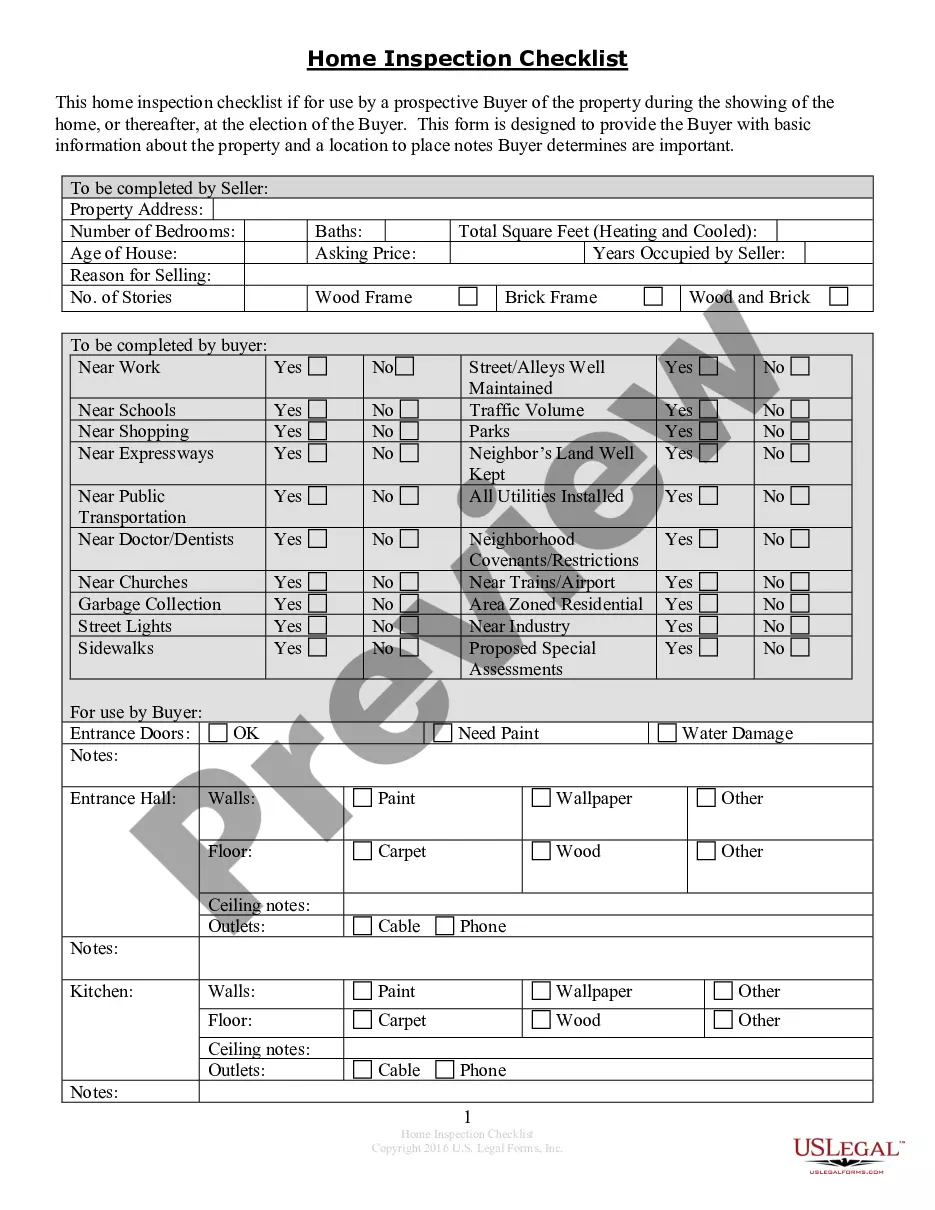


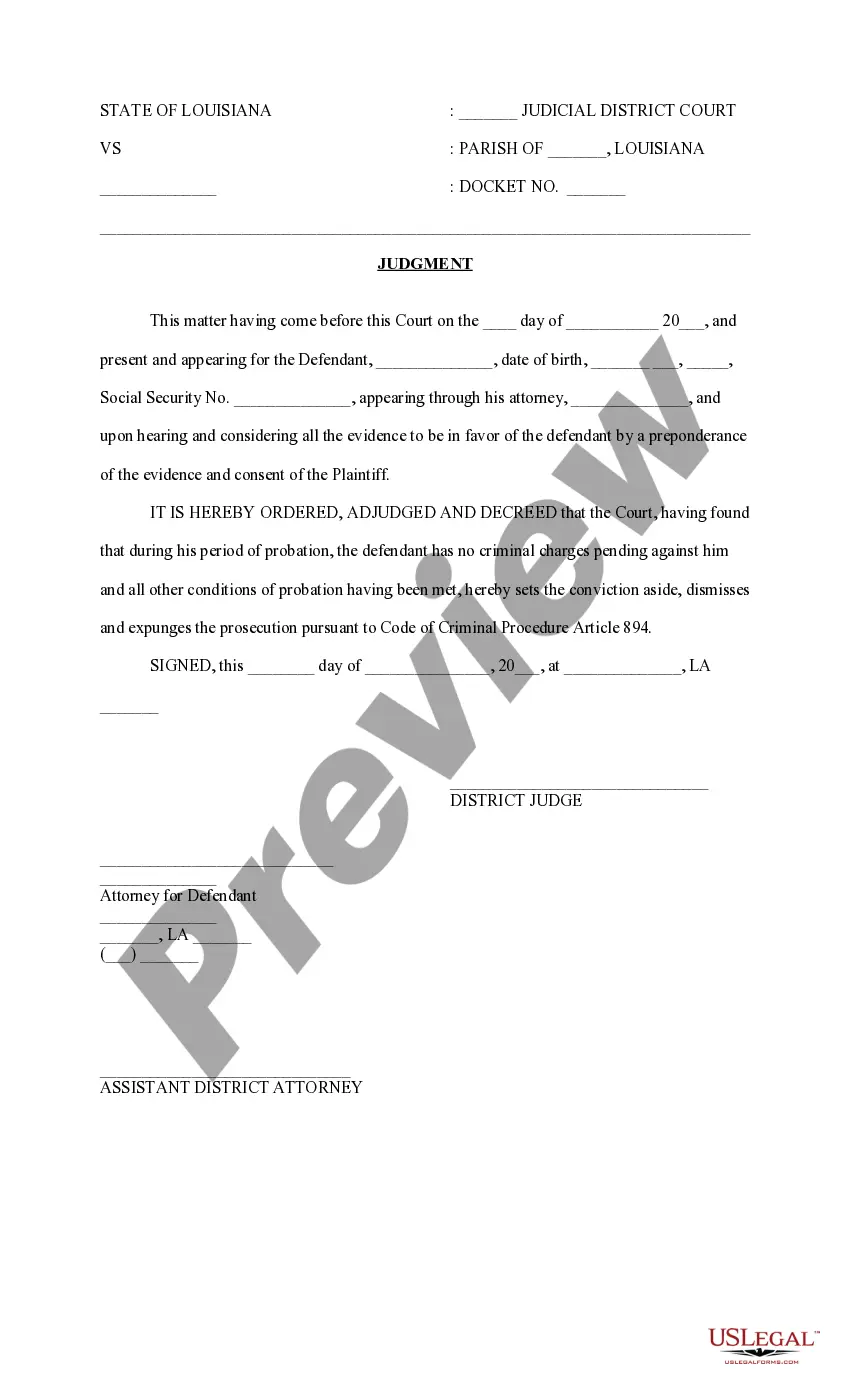
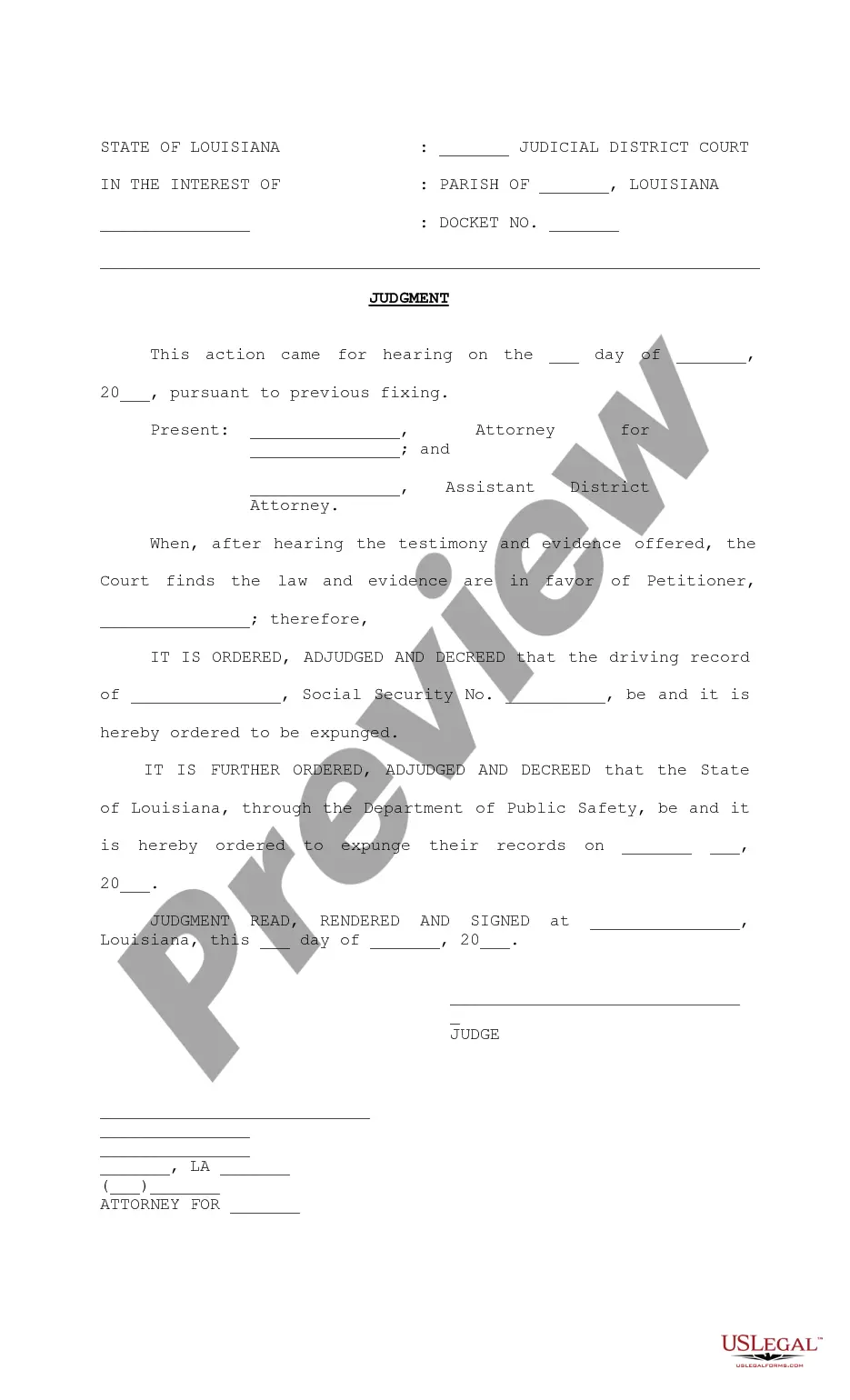
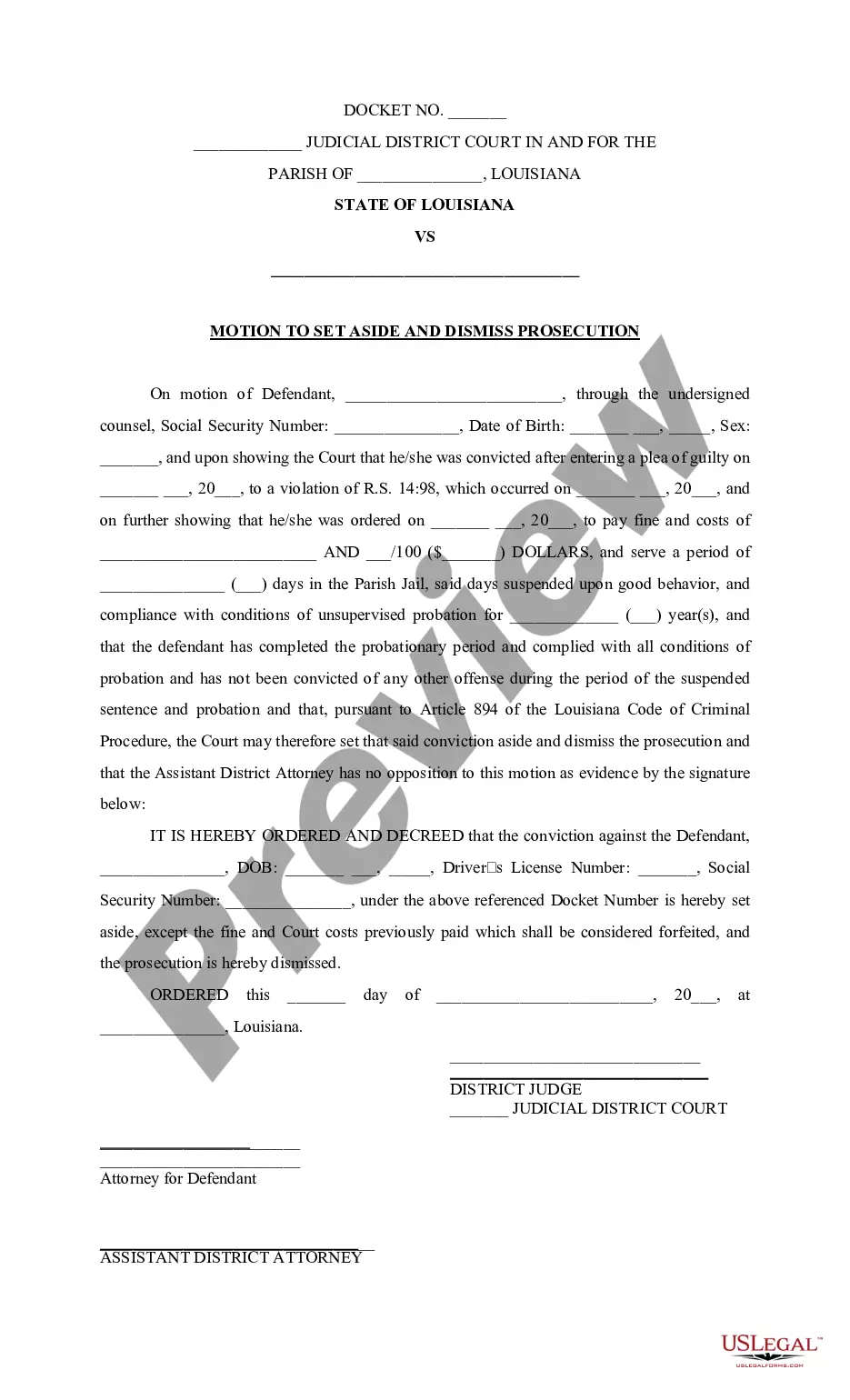
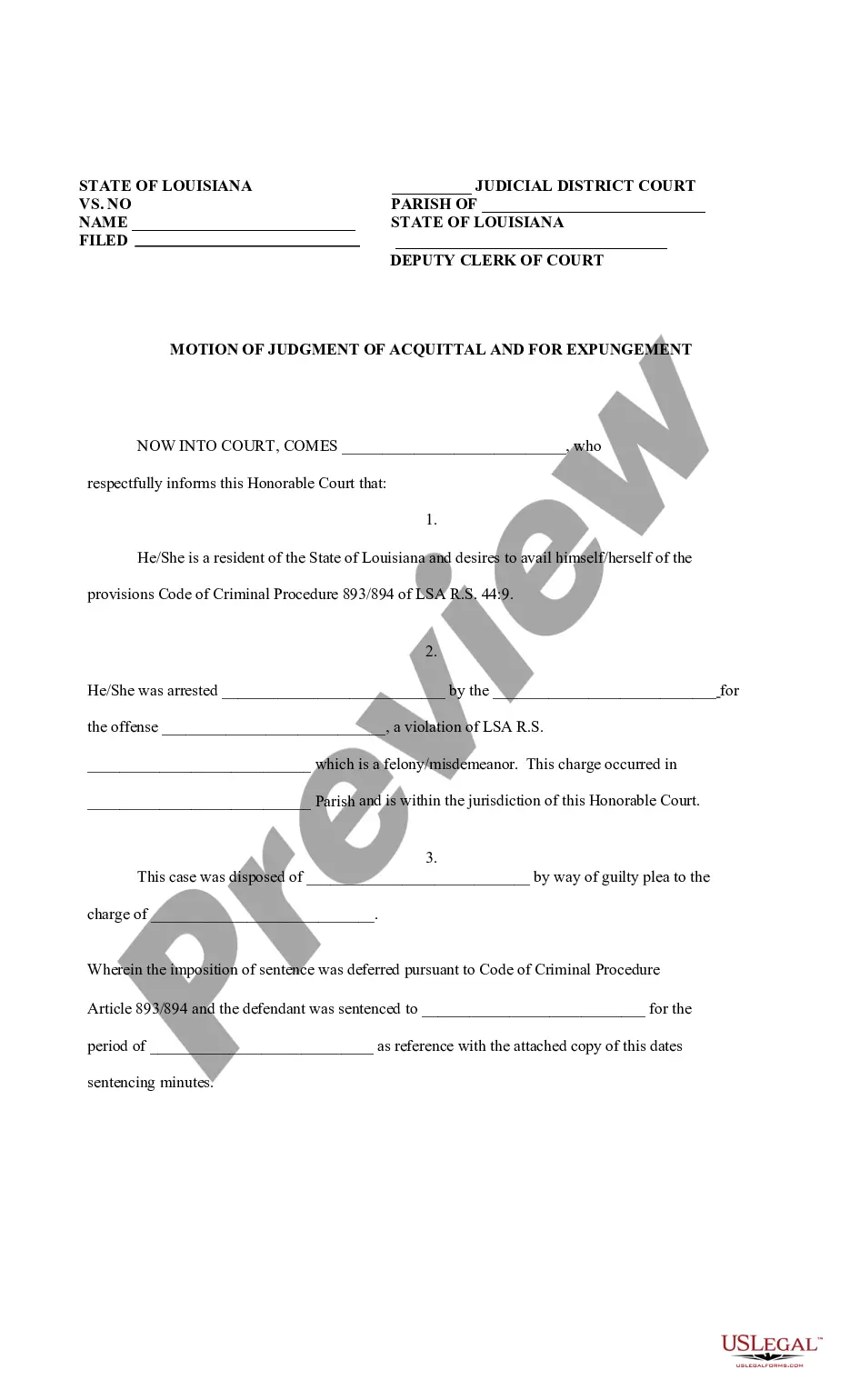
How to fill out Louisiana Judgment To Set Aside Conviction, Dismiss And Expunge Prosecution?
- Log in to your existing US Legal Forms account if you've previously used the service. Ensure your subscription is active for seamless access.
- Check the form previews and descriptions to guarantee you have the correct document that aligns with your local laws.
- If necessary, use the Search tab to find an alternative template if the current one doesn’t fit your requirements.
- Select the Buy Now option, then choose your preferred subscription plan to continue.
- Complete the purchase process by entering your payment details, either through credit card or PayPal.
- Once bought, download the form to your device, allowing for easy completion and future access via the My Forms menu in your account.
In conclusion, utilizing US Legal Forms simplifies the process of obtaining legal documents with its user-friendly interface and extensive resources. Take advantage of the platform’s benefits today and ensure you have the right legal forms at your fingertips.
Start your journey now by visiting US Legal Forms and accessing the tools you need for effective legal document management!
Form popularity
FAQ
Expunge, in simple terms, means to erase or remove something from existence, particularly a criminal record. When a record is expunged, it is treated as if it never happened, allowing you to move forward unburdened. This clear slate can open doors to new opportunities in your personal and professional life. Platforms like USLegalForms assist in this helpful process.
The noun form of remove is 'removal.' It signifies the act of taking away or eliminating something. In legal discussions surrounding expungement, the term 'removal' often captures the essence of clearing past records. Recognizing such terms can enhance your legal vocabulary during your expungement journey.
When you have your record expunged, the process is often referred to as 'record sealing' or 'record expungement.' This legal remedy allows individuals to remove past criminal records from public view. It provides a fresh start, enabling you to live without the burden of past mistakes. Utilizing platforms like USLegalForms can streamline your application.
Another word for expunge is 'obliterate.' This term implies a thorough removal, much like what is intended through the expungement process. When you seek to expunge a record, you aim to obliterate its impact on your life. Familiarizing yourself with various terms enhances your understanding of the expungement dialogue.
The noun form of disassociate is 'disassociation.' This term refers to the act of separating or distancing oneself from something or someone. In legal contexts, disassociation can signify a break from past actions that may affect your current standing. Utilizing accurate terminology can aid you in effectively communicating your needs.
A synonym for expunge is 'erase.' This term conveys the idea of removing something completely, often used in the context of records or memories. Using such a synonym can help clarify your intent when discussing expungement with legal professionals. Understanding various synonyms can also broaden your vocabulary regarding this important legal process.
When speaking to a judge about expungement, you should clearly explain your reasons for seeking it. Emphasize how your past actions do not reflect who you are today. Mention any positive contributions you have made to your community since the incident. Presenting yourself as a reformed individual can significantly impact the judge's decision.
To write a strong character reference for court, clearly introduce yourself and explain your connection to the person involved. Focus on sharing specific examples of their positive traits and changes they have made. It's vital to highlight their commitment to rehabilitation, as well as any social contributions they have made. A well-crafted reference can significantly influence the court's decision regarding the expungement.
An example of expunge is the legal process where a criminal record is erased, making it no longer accessible to the public. For instance, an individual convicted of a minor drug offense may have their record expunged after demonstrating good behavior and community service over a specified period. This process allows them to move forward without the stigma of a criminal record, enabling better opportunities in employment and personal relationships.
To write a character letter for expungement, start by clearly stating your relationship to the person seeking expungement. Include specific anecdotes that highlight their character, improvements, and contributions to society. Make sure to express your unconditional support and provide a strong rationale for why the expungement is warranted. Tailoring your letter to address the specific qualities that the judge values will enhance its impact.