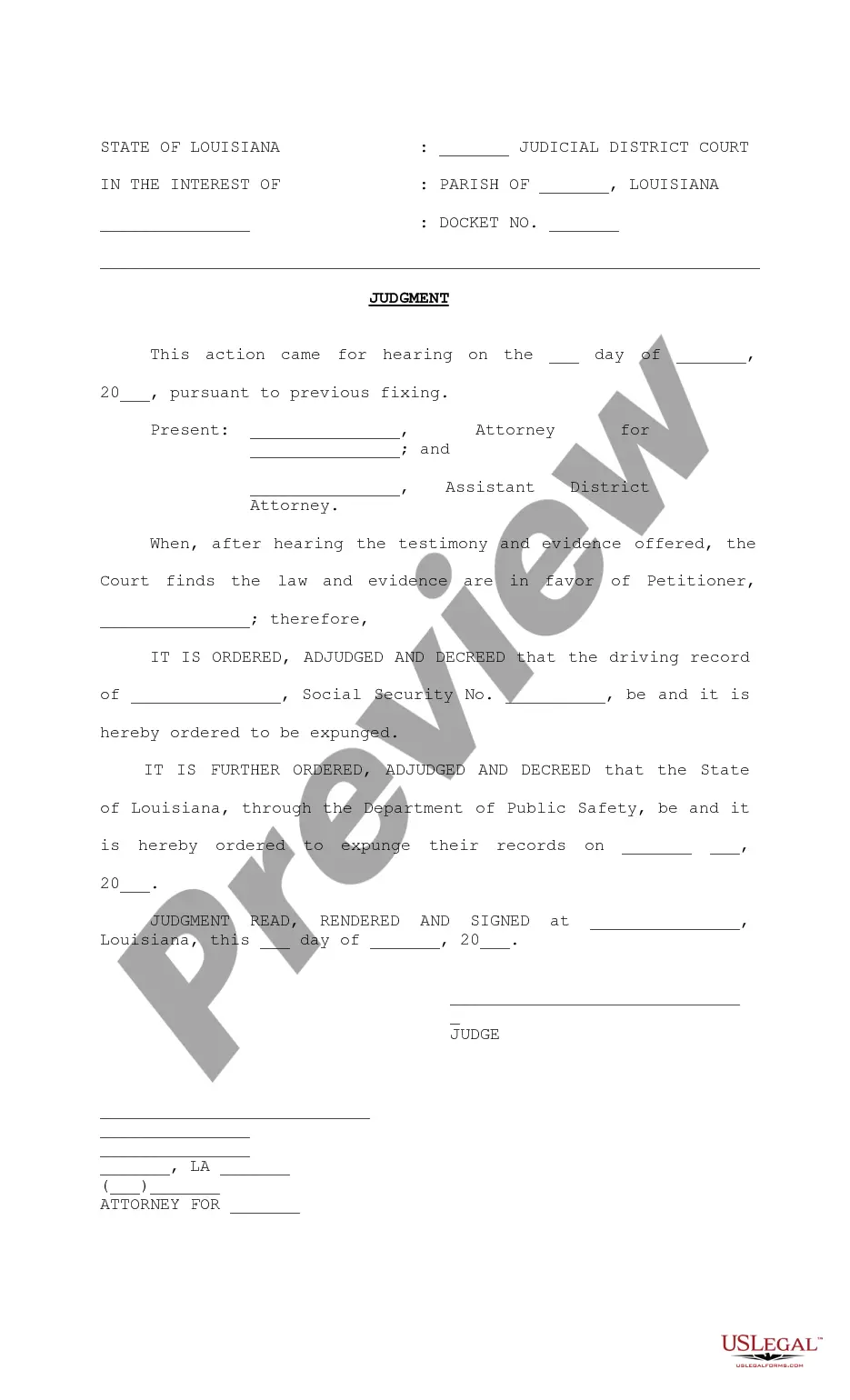
Attorney Ordered Court With Judgement
Description
Get your form ready online
Our built-in tools help you complete, sign, share, and store your documents in one place.
Make edits, fill in missing information, and update formatting in US Legal Forms—just like you would in MS Word.
Download a copy, print it, send it by email, or mail it via USPS—whatever works best for your next step.
Sign and collect signatures with our SignNow integration. Send to multiple recipients, set reminders, and more. Go Premium to unlock E-Sign.
If this form requires notarization, complete it online through a secure video call—no need to meet a notary in person or wait for an appointment.
We protect your documents and personal data by following strict security and privacy standards.

Make edits, fill in missing information, and update formatting in US Legal Forms—just like you would in MS Word.

Download a copy, print it, send it by email, or mail it via USPS—whatever works best for your next step.

Sign and collect signatures with our SignNow integration. Send to multiple recipients, set reminders, and more. Go Premium to unlock E-Sign.

If this form requires notarization, complete it online through a secure video call—no need to meet a notary in person or wait for an appointment.

We protect your documents and personal data by following strict security and privacy standards.
Looking for another form?









How to fill out Louisiana Judgment For Expungement Of Juvenile Record?
- If you have previously registered, log in to your account and select the required form template. Ensure your subscription is up-to-date; if not, renew according to your plan.
- For first-time users, start by browsing the extensive library for your needed document. Use the Preview mode to read through the form description to confirm compliance with local jurisdiction.
- If you need a different template, utilize the Search function to find exactly what you’re looking for. Once confirmed, proceed to the next step.
- Purchase your document by clicking the Buy Now button and choosing your preferred subscription plan. Registration is necessary to access the complete library.
- Complete your purchase by entering your payment information, either through credit card or PayPal.
- Download the form to your device for immediate completion. Access it anytime from the My Forms section of your profile.
US Legal Forms empowers individuals and attorneys by providing an extensive library of over 85,000 editable legal forms. This service ensures that users can execute legal documents swiftly and accurately.
Start easing your legal processes today by utilizing US Legal Forms for all your document needs. Visit our site to get started!
Form popularity
FAQ
When a judgement is filed against you, it means that an attorney ordered court with judgement has determined a legal obligation for you to fulfill, usually as a result of a lawsuit. This could lead to various consequences, including wage garnishment or a negative impact on your credit score. Understanding the details of this judgement is vital for managing your financial responsibilities. Platforms like USLegalForms can help you decipher the terms and prepare for the next steps to address the situation.
Once a judge signs a judgement, it becomes a part of the public record, indicating that the court has made a decision on your case. This signifies that the attorney ordered court with judgement has ruled in favor of one party. You may be required to fulfill the obligations outlined in the judgement, such as paying damages or complying with specific actions. It's crucial to understand your rights and options moving forward, as services like USLegalForms can assist you in obtaining the necessary documents.
If you receive a default judgement, your first step is to understand the implications of an attorney ordered court with judgement. You can file a motion to set aside the judgement, but it's important to act quickly. Gathering evidence and presenting a valid defense could potentially help your case. Utilizing services like USLegalForms can provide templates and guidance to navigate this process effectively.
The three main types of judgments include default judgments, summary judgments, and consent judgments. Default judgments occur when a defendant fails to respond, while summary judgments happen when there’s no dispute over facts. Lastly, consent judgments result from a mutual agreement between involved parties. Understanding these types is crucial, especially under an attorney ordered court with judgement, as they can greatly impact your case.
When planning to settle a judgment, aim to offer around 50% of the total owed amount. Factors like your financial circumstances and the creditor's policies will influence this figure. An attorney ordered court with judgement can provide tailored advice based on your situation and help you formulate a compelling offer.
Negotiating a judgment is certainly feasible, especially if you can demonstrate financial hardship or other compelling reasons. Collecting evidence to support your request will strengthen your case during negotiations. An attorney ordered court with judgement can facilitate this process and advocate on your behalf.
Yes, it's possible to get a judgment reduced, typically through a negotiation process with the creditor. You may also request a hearing to present valid reasons for the reduction, including changes in financial circumstances. Seeking help from an attorney ordered court with judgement can enhance your chances of successfully reducing the amount.
To get a judgment released, you must fulfill the terms set by the court, often involving paying the owed amount or negotiating a settlement. You can file a motion to vacate the judgment if justified. Consulting an attorney ordered court with judgement can help ensure you follow the correct procedures and provide you with essential guidance.
When aiming to settle debt, consider offering around 30% to 50% of the total amount owed. This percentage can increase or decrease based on the creditor's willingness to negotiate and the intricacies of your case. If you're under an attorney ordered court with judgement, they can provide you insights into reasonable settlement amounts to consider.
Ignoring a court judgment can lead to serious consequences, including wage garnishment and property liens. The court may also allow the winning party to take further legal action to enforce the judgment. It's essential to take court judgments seriously and address them promptly. If you're facing a judgment, reach out to an attorney ordered court with judgement to discuss your options.