Circuit Court
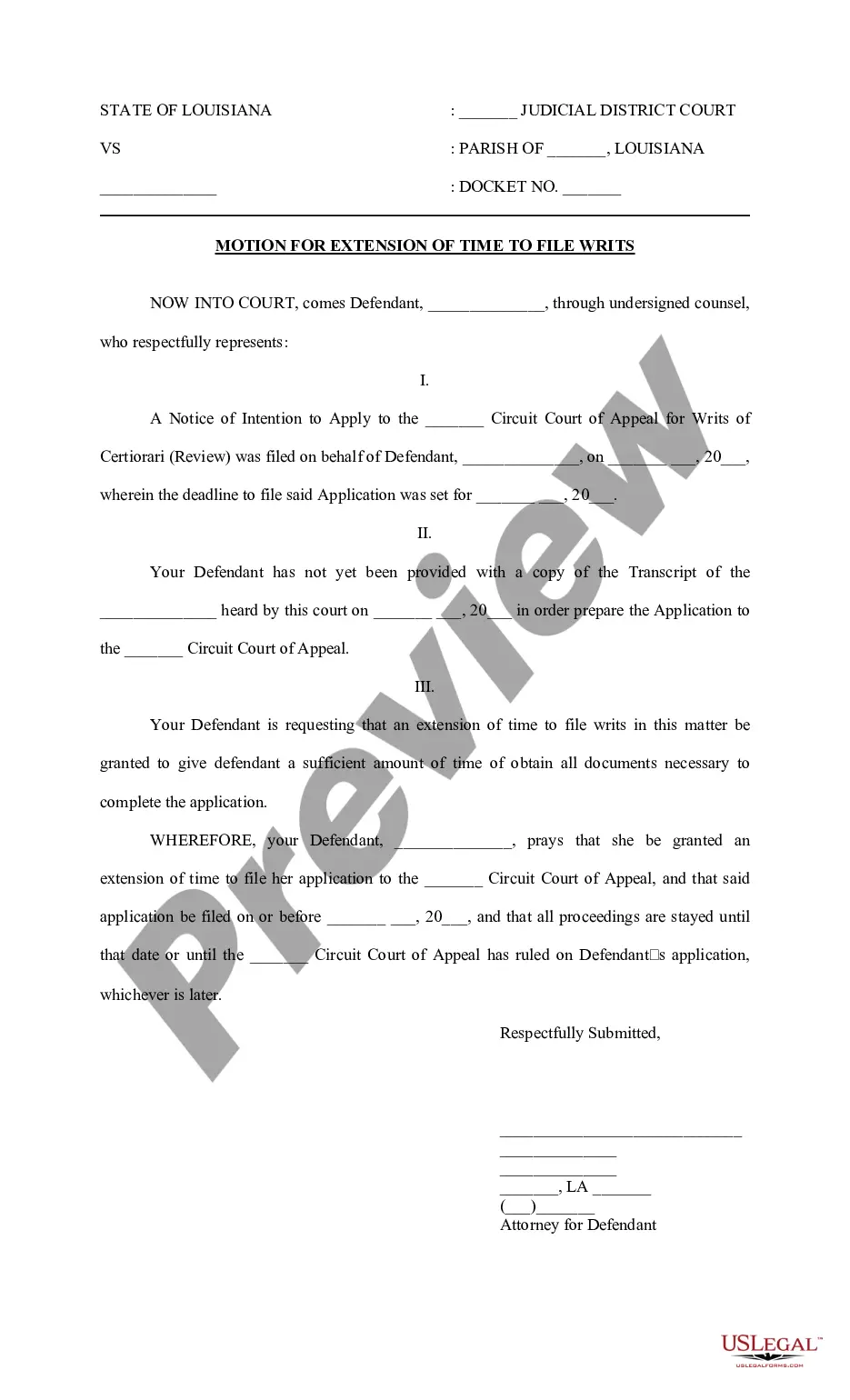
Description
Get your form ready online
Our built-in tools help you complete, sign, share, and store your documents in one place.
Make edits, fill in missing information, and update formatting in US Legal Forms—just like you would in MS Word.
Download a copy, print it, send it by email, or mail it via USPS—whatever works best for your next step.
Sign and collect signatures with our SignNow integration. Send to multiple recipients, set reminders, and more. Go Premium to unlock E-Sign.
If this form requires notarization, complete it online through a secure video call—no need to meet a notary in person or wait for an appointment.
We protect your documents and personal data by following strict security and privacy standards.

Make edits, fill in missing information, and update formatting in US Legal Forms—just like you would in MS Word.

Download a copy, print it, send it by email, or mail it via USPS—whatever works best for your next step.

Sign and collect signatures with our SignNow integration. Send to multiple recipients, set reminders, and more. Go Premium to unlock E-Sign.

If this form requires notarization, complete it online through a secure video call—no need to meet a notary in person or wait for an appointment.

We protect your documents and personal data by following strict security and privacy standards.
Looking for another form?




How to fill out Louisiana Motion For Extension Of Time To File Writs?
- If you're an existing user, log in to access your account and select the desired form. Ensure your subscription is active; renew it if necessary.
- For new users, start by reviewing the Preview mode and form descriptions to verify that the document meets both your needs and jurisdictional requirements.
- If you find a template that isn't quite right, utilize the Search tab to discover alternative forms that fit your criteria.
- Proceed to purchase your selected document by clicking the Buy Now button, where you can choose a suitable subscription plan.
- Complete your transaction by entering your payment information or using a PayPal account to finalize the subscription.
- Once purchased, download the template to your device, allowing you easy access via the My Forms section.
Using US Legal Forms, you can efficiently complete legal documents with comprehensive guidance and resources at your fingertips.
Don't let the complexities of legal documentation overwhelm you. Start your journey with US Legal Forms today!
Form popularity
FAQ
Whether the circuit court is better depends on your perspective and needs. The circuit court often handles more serious cases, providing a more comprehensive examination of the issues at hand. Many individuals find that circuit courts offer greater opportunities for appeal and resolution compared to lower courts. For guidance on navigating this system, consider exploring the US Legal Forms resources tailored to your legal needs.
Yes, circuit courts are generally open to the public. This openness ensures transparency and allows individuals to observe proceedings firsthand. However, certain cases, such as juvenile matters, may involve restrictions to protect privacy. If you're interested in attending a case, familiarize yourself with the specific court's policies, which can be found on the US Legal Forms website.
To reach the circuit court, a case usually begins in a lower court, such as a municipal or district court. After the initial hearings, if one party is dissatisfied with the outcome, they can file an appeal to the circuit court. This court reviews the evidence and legal arguments presented, ensuring that justice is served fairly. You can find helpful resources on the US Legal Forms platform to better understand this process.
The term 'circuit court' refers to a court that travels to different locations within its jurisdiction to hear cases, hence the name. It often serves as an appellate level or a primary trial court for more serious matters. The unique nature of circuit courts allows them to serve diverse communities effectively. Utilizing online platforms like USLegalForms can provide assistance with legal documentation for these court proceedings.
A circuit court is generally a court that has the authority to hear both civil and criminal cases in a designated jurisdiction. They often serve as trial courts in many states, addressing both significant legal cases and appeals from lower courts. This structure allows thorough examination of legal issues. For accurate preparedness, it's beneficial to utilize reliable resources.
At the circuit court, parties present their cases before a judge, who reviews evidence, hears testimonies, and makes determinations. This may include jury selection if a jury trial is requested. Additionally, circuit courts often issue rulings on motions that can shape the case's direction. Familiarizing yourself with this process can help minimize surprises and get better prepared.
Going to circuit court generally means that a case has progressed beyond lower courts and now requires a higher level of judicial review. It often involves more complex legal questions, where both parties present their arguments and evidence before a judge. This process aims to ensure that justice is served and that legal rulings are fair. When involving legal matters, considering platforms like USLegalForms can simplify the documentation process.
The United States has 12 regional circuit courts that serve as appellate courts for federal cases. These courts include the First Circuit through the Eleventh Circuit, plus the District of Columbia Circuit and the Federal Circuit. They address appeals from federal district courts and some administrative agencies. Understanding these circuits can help you navigate the federal court system effectively.
A circuit court typically handles more serious criminal cases and larger civil cases than lower courts. The cases often involve significant legal issues that require a comprehensive examination of evidence. Consequently, they have the authority to impose heavier penalties or awards. Therefore, when you address circuit court matters, you should prepare for a more formal legal process.
When addressing a letter to a circuit court judge, start with 'The Honorable Full Name,' followed by the court's name and address. This formal structure respects the judge’s position and the court's role in the legal system. Ensure that your letter is polite and clearly states your purpose. Using appropriate format and tone in your correspondence can positively influence how your matter is received.