Petition Law
Description
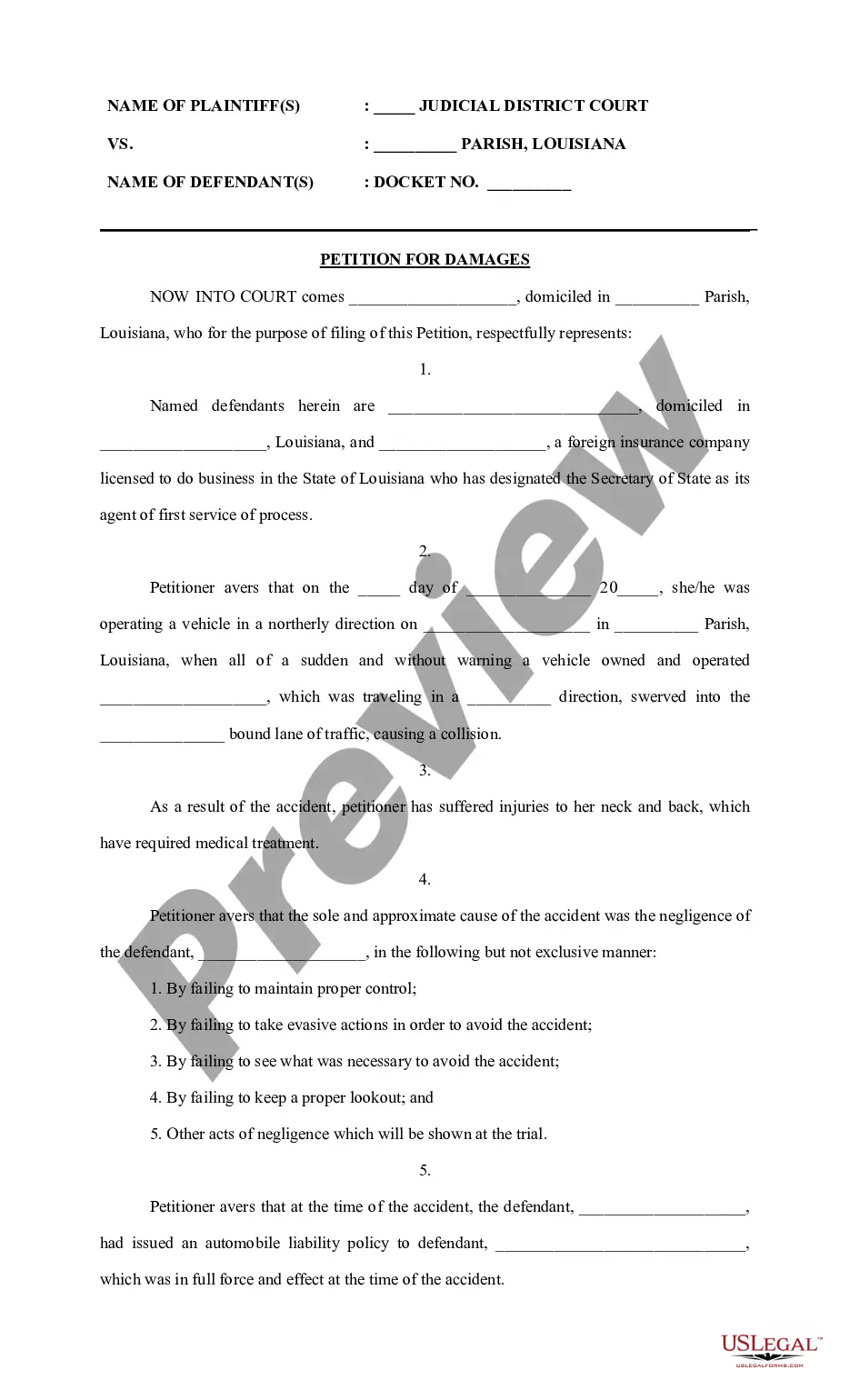
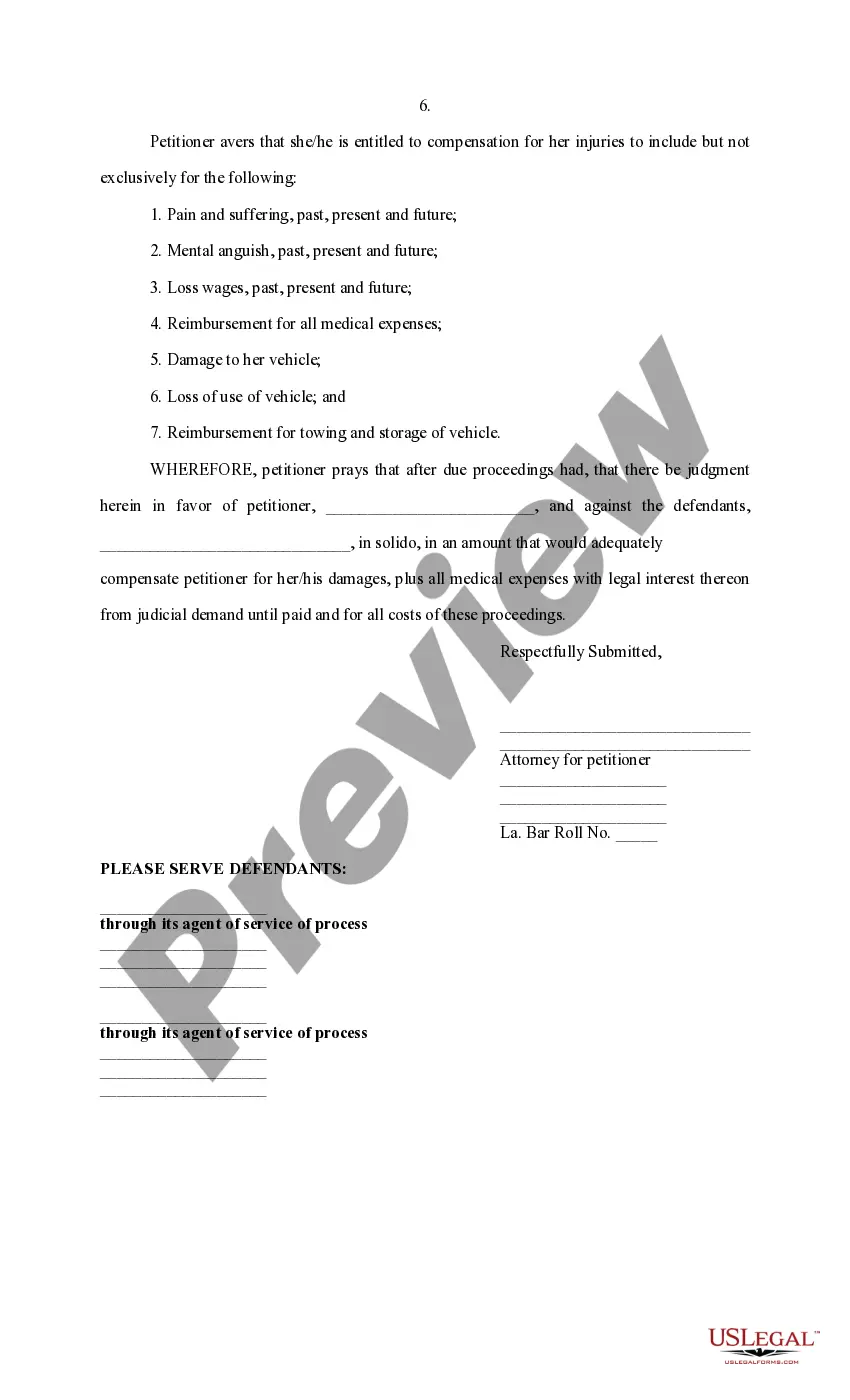
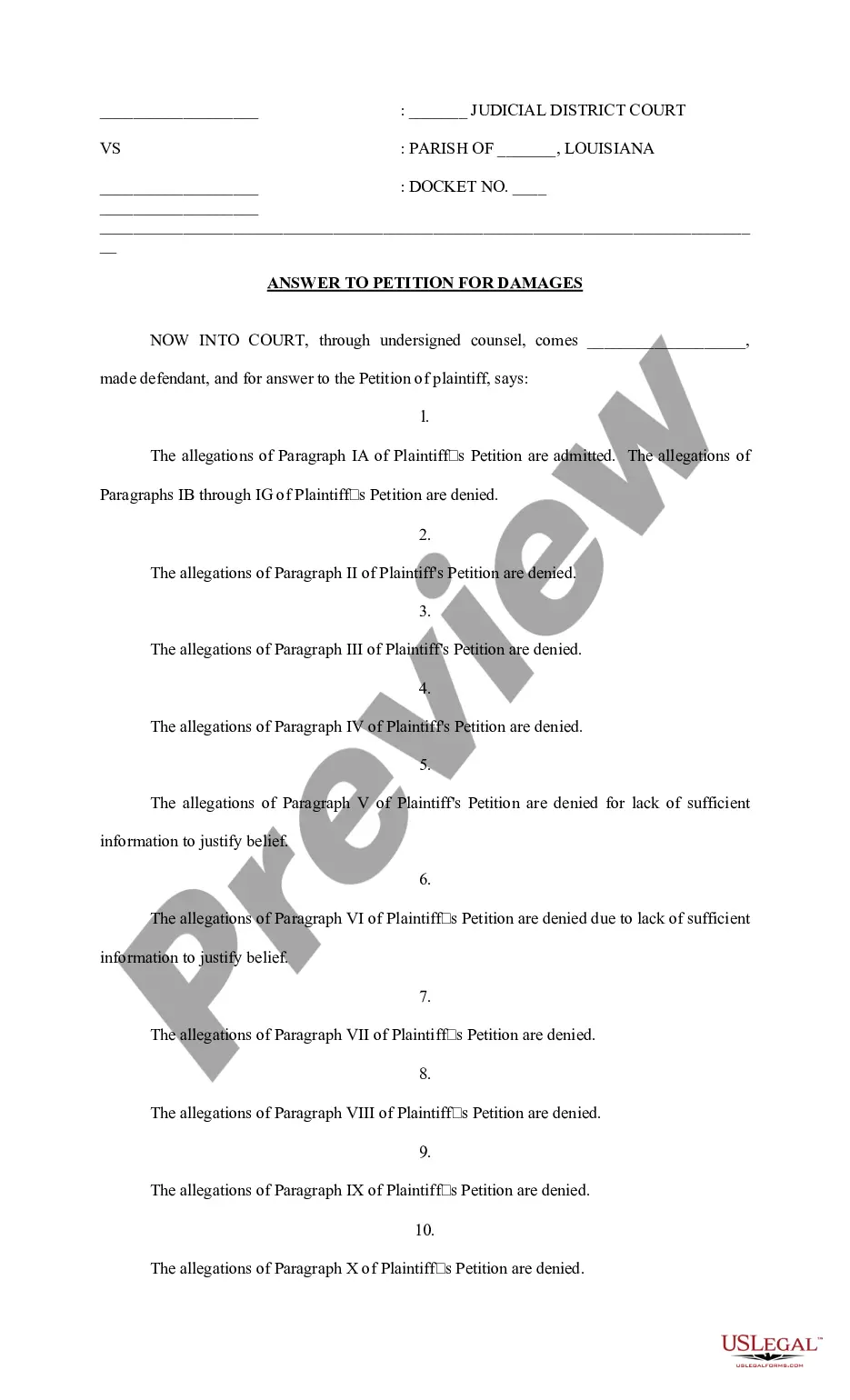
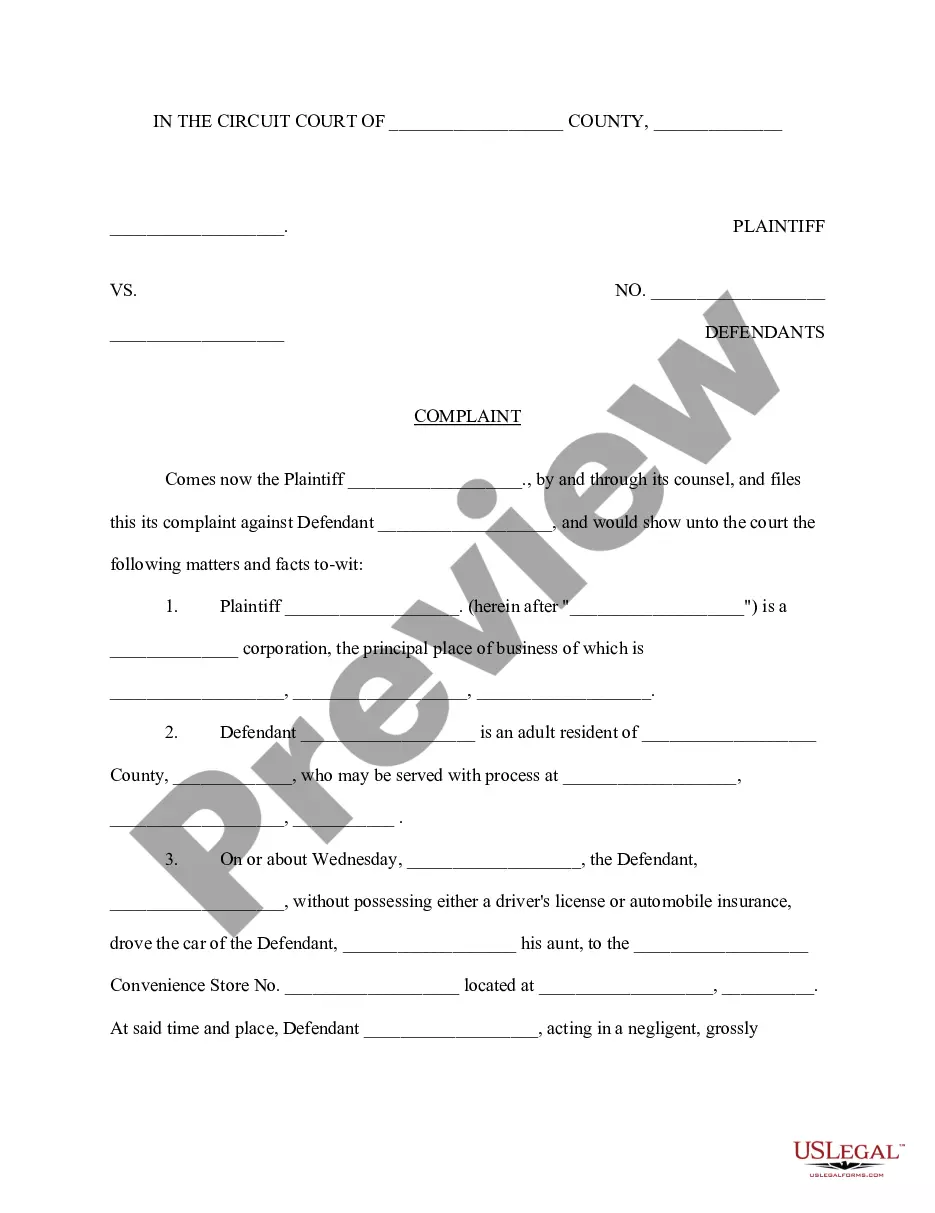
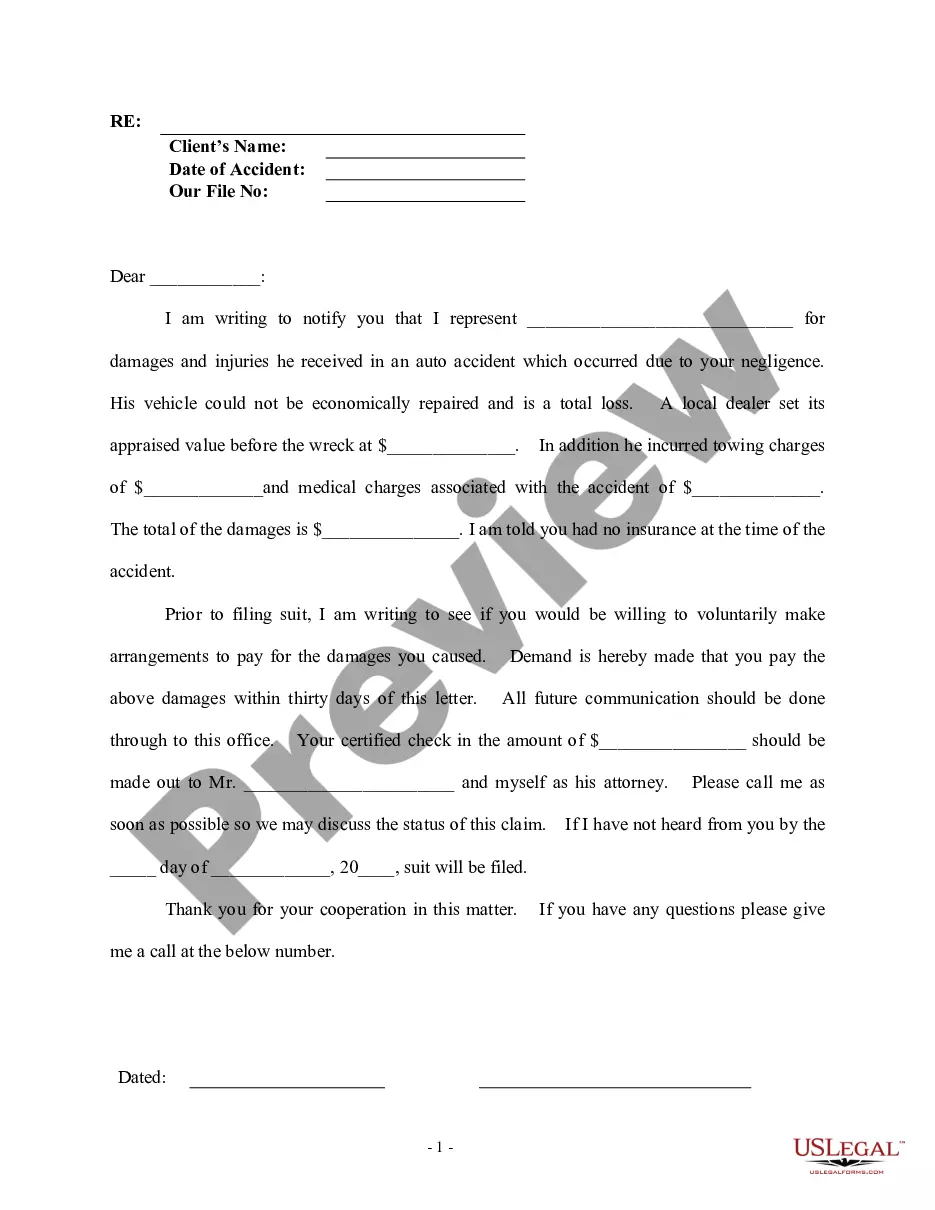
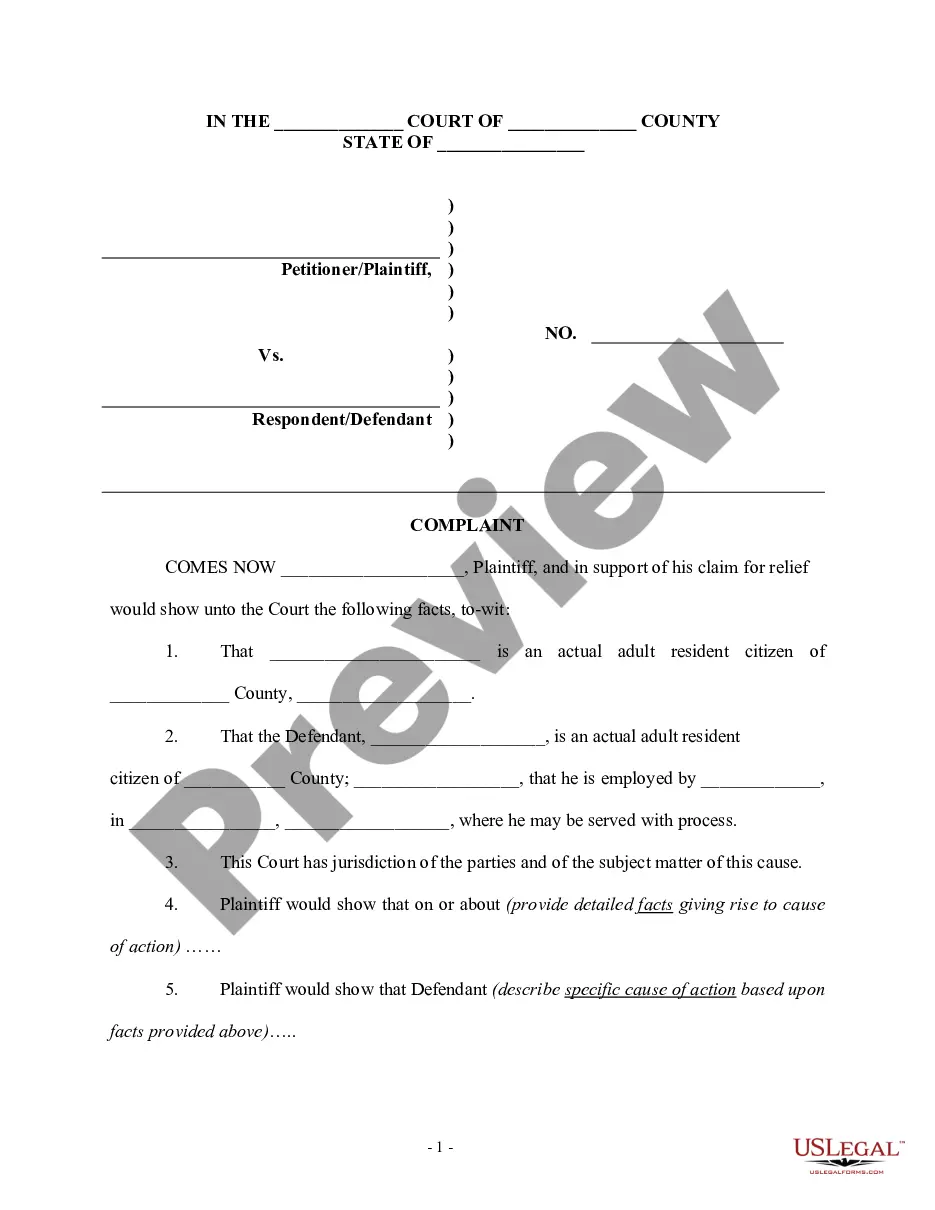
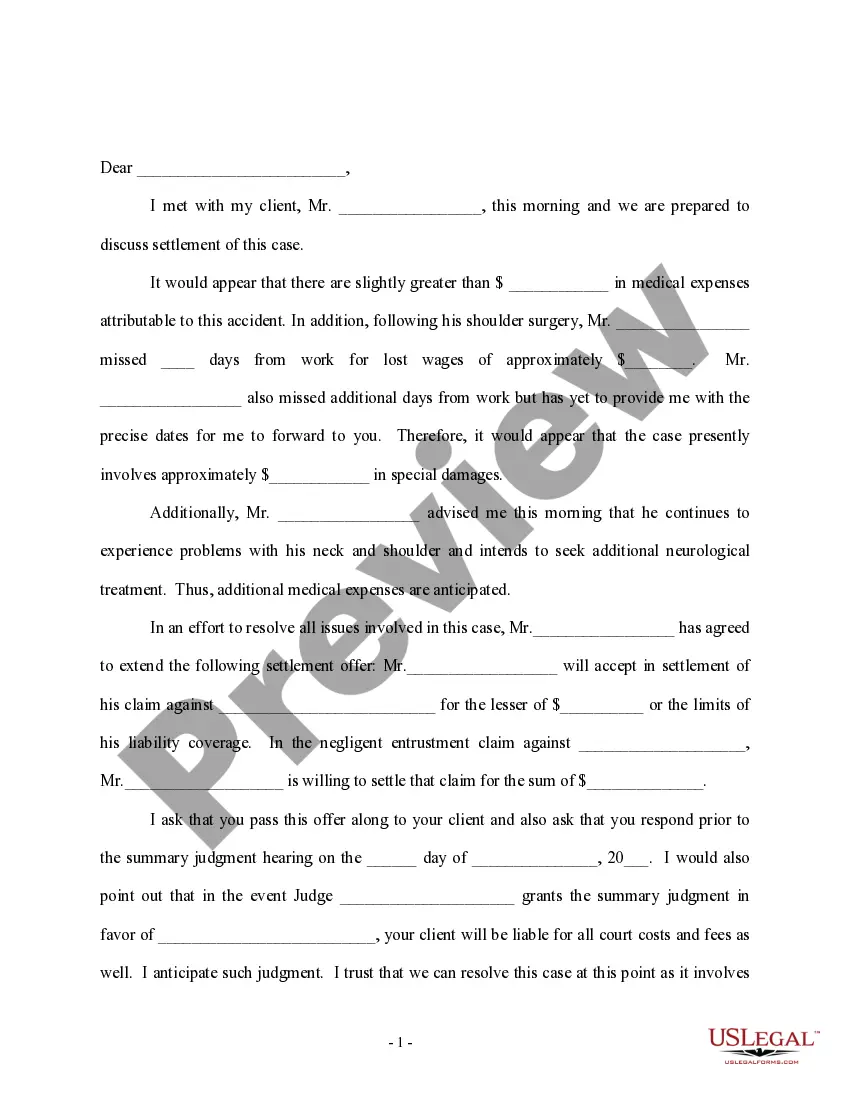
Get your form ready online
Our built-in tools help you complete, sign, share, and store your documents in one place.
Make edits, fill in missing information, and update formatting in US Legal Forms—just like you would in MS Word.
Download a copy, print it, send it by email, or mail it via USPS—whatever works best for your next step.
Sign and collect signatures with our SignNow integration. Send to multiple recipients, set reminders, and more. Go Premium to unlock E-Sign.
If this form requires notarization, complete it online through a secure video call—no need to meet a notary in person or wait for an appointment.
We protect your documents and personal data by following strict security and privacy standards.

Make edits, fill in missing information, and update formatting in US Legal Forms—just like you would in MS Word.

Download a copy, print it, send it by email, or mail it via USPS—whatever works best for your next step.

Sign and collect signatures with our SignNow integration. Send to multiple recipients, set reminders, and more. Go Premium to unlock E-Sign.

If this form requires notarization, complete it online through a secure video call—no need to meet a notary in person or wait for an appointment.

We protect your documents and personal data by following strict security and privacy standards.
Looking for another form?




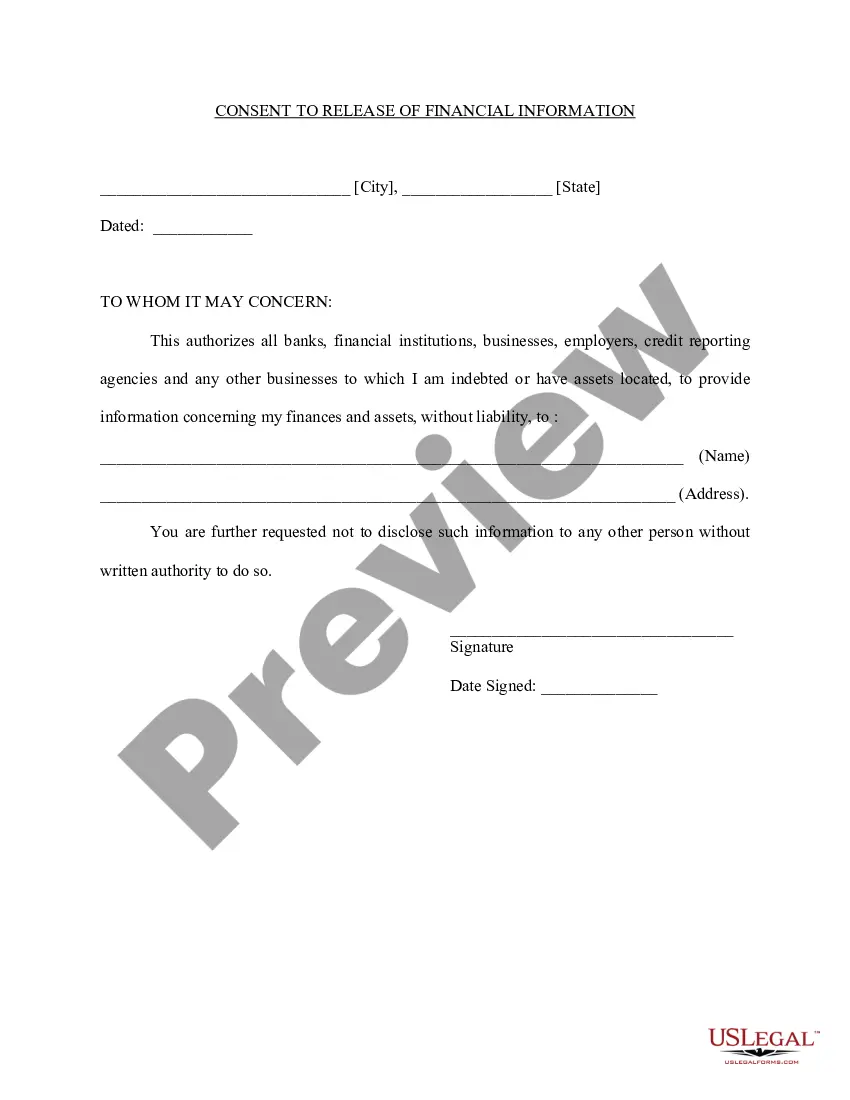



How to fill out Louisiana Petition For Damages?
- If you are a returning user, log in to access your account and select the required form template to download.
- For first-time users, start by reviewing the form descriptions in the Preview mode to ensure you select a form that meets your needs and complies with local rules.
- Utilize the search feature if you need to find alternative templates that suit your specific requirements.
- Once you find the right form, click on the Buy Now button to choose a subscription plan. You will need to create an account to gain full access.
- Proceed to checkout by entering your credit card details or opting for PayPal to complete your purchase.
- After payment, download your form and save it to your device. You can always find it later in the My Forms section.
Using US Legal Forms ensures you have access to a robust collection of over 85,000 legal forms, more than any competitor at a similar cost. Plus, you can consult premium experts for help in completing your documents accurately.
In conclusion, US Legal Forms simplifies the process of addressing petition law needs, allowing you to create legally sound documentation effortlessly. Start your journey today and take advantage of the extensive resources available!
Form popularity
FAQ
While petitions themselves do not constitute law, they can drive significant political and legal actions. When large numbers of citizens support a petition, it can lead to legislative discussions and potential changes in law. Therefore, petition law plays a vital role in giving citizens a voice. Engaging with the petition process can be a powerful tool for affecting change.
In the US, petitions typically begin with gathering signatures from supporters. Once sufficient support is obtained, the petition is submitted to the appropriate governing body. Officials review and may act upon the petition based on its legal standing and public interest. Utilizing platforms like US Legal Forms can help streamline this process.
In law, a petition is a formal request made to a court or legislative body. It outlines a specific concern or desire for action and serves as a means to seek relief or change. Petition law governs how these requests are processed and evaluated. Understanding this helps you navigate the system effectively.
Petitions can have legal power, though the impact often depends on various factors. Generally, petitions can influence lawmakers to consider issues and initiate changes. While they do not hold binding authority by themselves, they can gather public support and prompt action within the framework of petition law. This collective voice can have meaningful consequences.
Yes, submitting a petition is a legal right protected under the First Amendment. It allows individuals to express their concerns to government entities. Through petition law, you can advocate for change or seek redress for grievances. This right empowers citizens to participate in the democratic process.
A petition should be worded clearly and concisely to communicate your message effectively. Use formal but straightforward language, avoiding jargon or overly complex terms. Clearly state your claims and the relief you are seeking, as this aligns with petition law principles. This clarity not only aids understanding but can also increase the likelihood of a favorable response.
The format for a petition generally includes a caption with the court's name and case title, an introduction explaining the purpose, and numbered paragraphs detailing the facts. Include a conclusion that states the specific relief you are requesting. Adhering to these formatting standards can help ensure your petition meets petition law requirements and enhances its credibility.
To fill out a petition, start by obtaining the correct form specific to your court and jurisdiction. Provide all required information accurately, including your personal details and the specifics of your case. Follow any instructions provided, and review your responses to ensure clarity. Utilizing resources from USLegalForms can simplify this process and ensure compliance with petition law.
Formatting a legal pleading involves several key elements, such as a title that identifies the document type and your contact information. You should maintain consistent margins and font types throughout the document, and use appropriate headings for different sections, such as facts and arguments. Properly formatted pleadings comply with petition law requirements, making your case more persuasive.
Writing a proper petition begins with understanding your case and gathering relevant facts. Clearly outline your claims and the relief you seek, making sure to adhere to the petition law guidelines. Use straightforward language and logical structure to enhance clarity. A well-structured petition increases the chances of your requests being granted.