Appealable
Description
Get your form ready online
Our built-in tools help you complete, sign, share, and store your documents in one place.
Make edits, fill in missing information, and update formatting in US Legal Forms—just like you would in MS Word.
Download a copy, print it, send it by email, or mail it via USPS—whatever works best for your next step.
Sign and collect signatures with our SignNow integration. Send to multiple recipients, set reminders, and more. Go Premium to unlock E-Sign.
If this form requires notarization, complete it online through a secure video call—no need to meet a notary in person or wait for an appointment.
We protect your documents and personal data by following strict security and privacy standards.

Make edits, fill in missing information, and update formatting in US Legal Forms—just like you would in MS Word.

Download a copy, print it, send it by email, or mail it via USPS—whatever works best for your next step.

Sign and collect signatures with our SignNow integration. Send to multiple recipients, set reminders, and more. Go Premium to unlock E-Sign.

If this form requires notarization, complete it online through a secure video call—no need to meet a notary in person or wait for an appointment.

We protect your documents and personal data by following strict security and privacy standards.
Looking for another form?
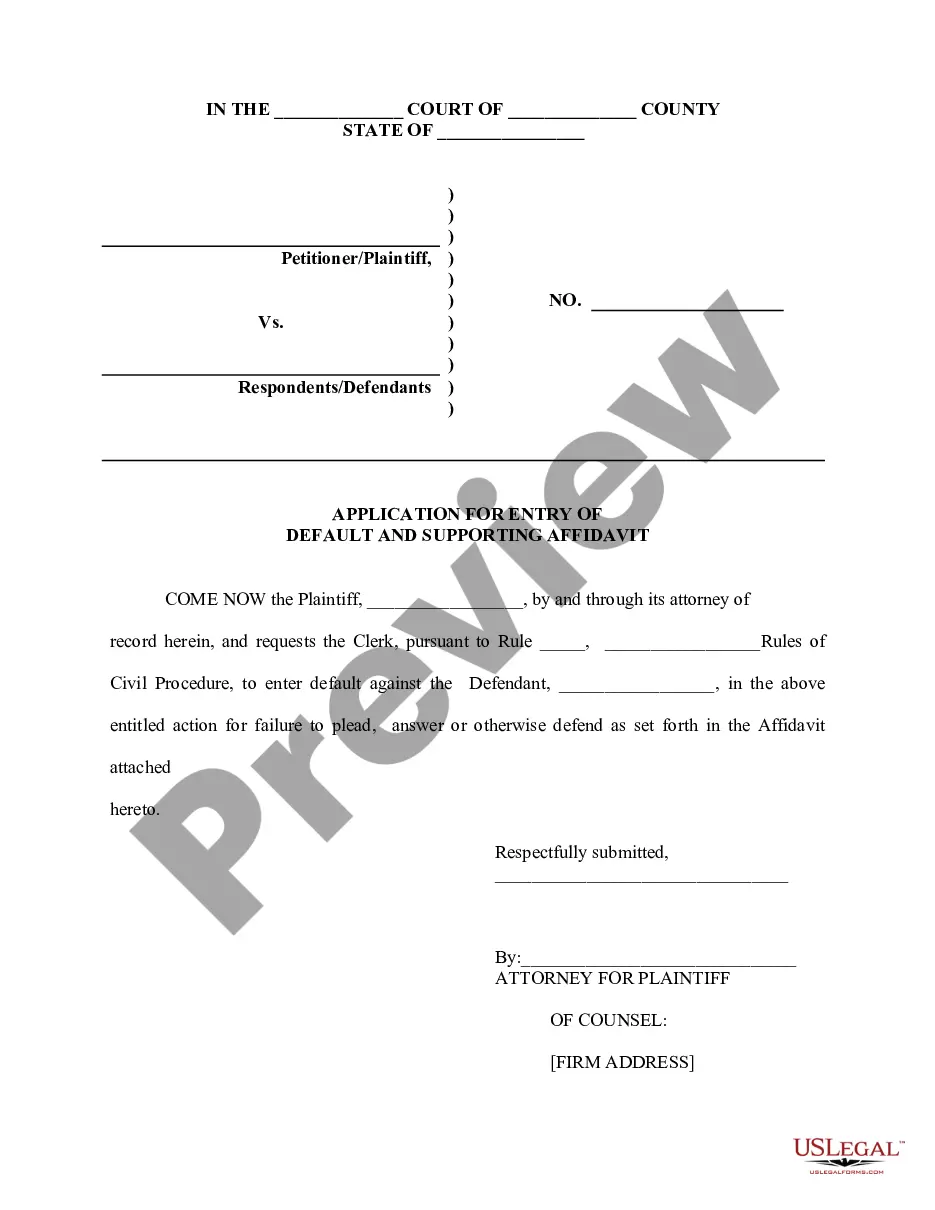
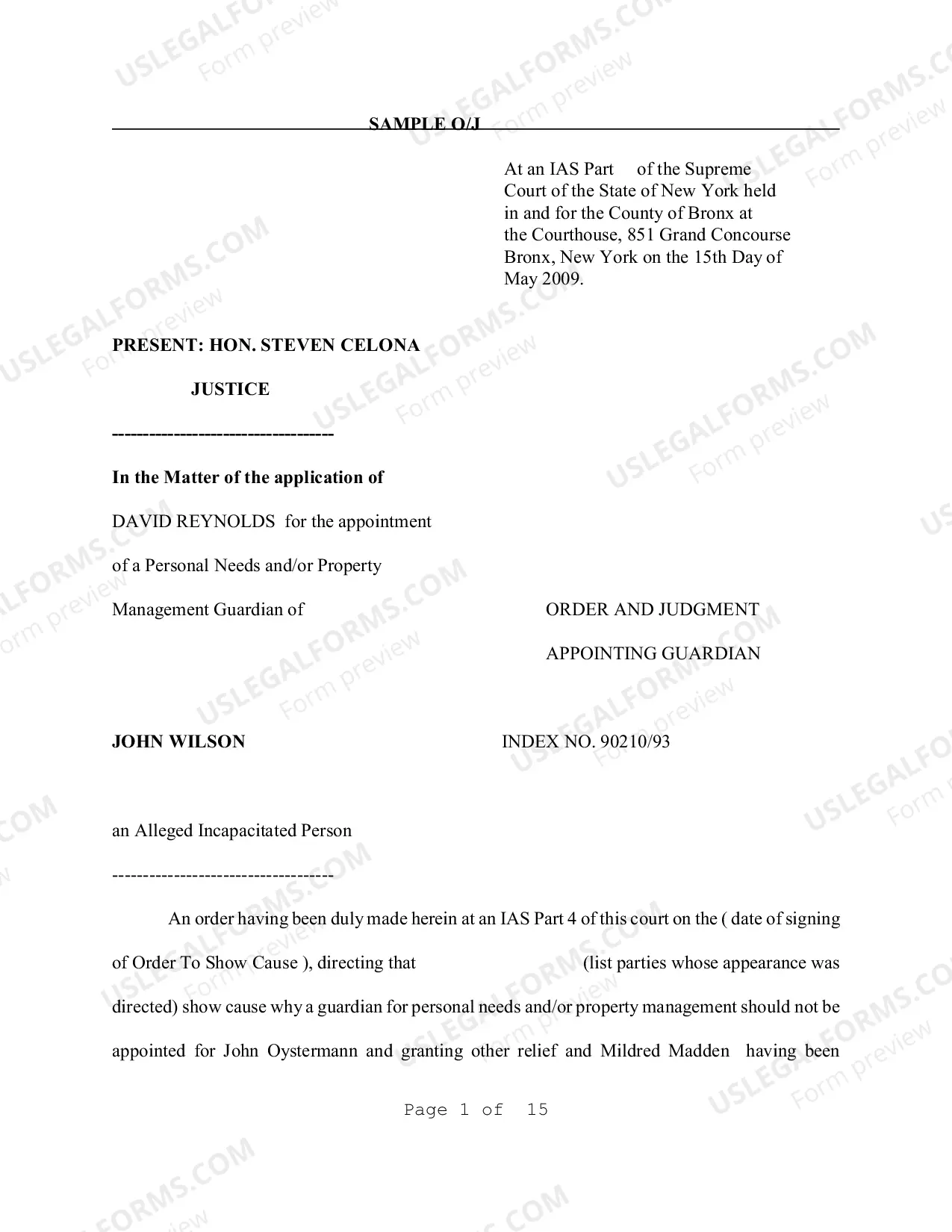
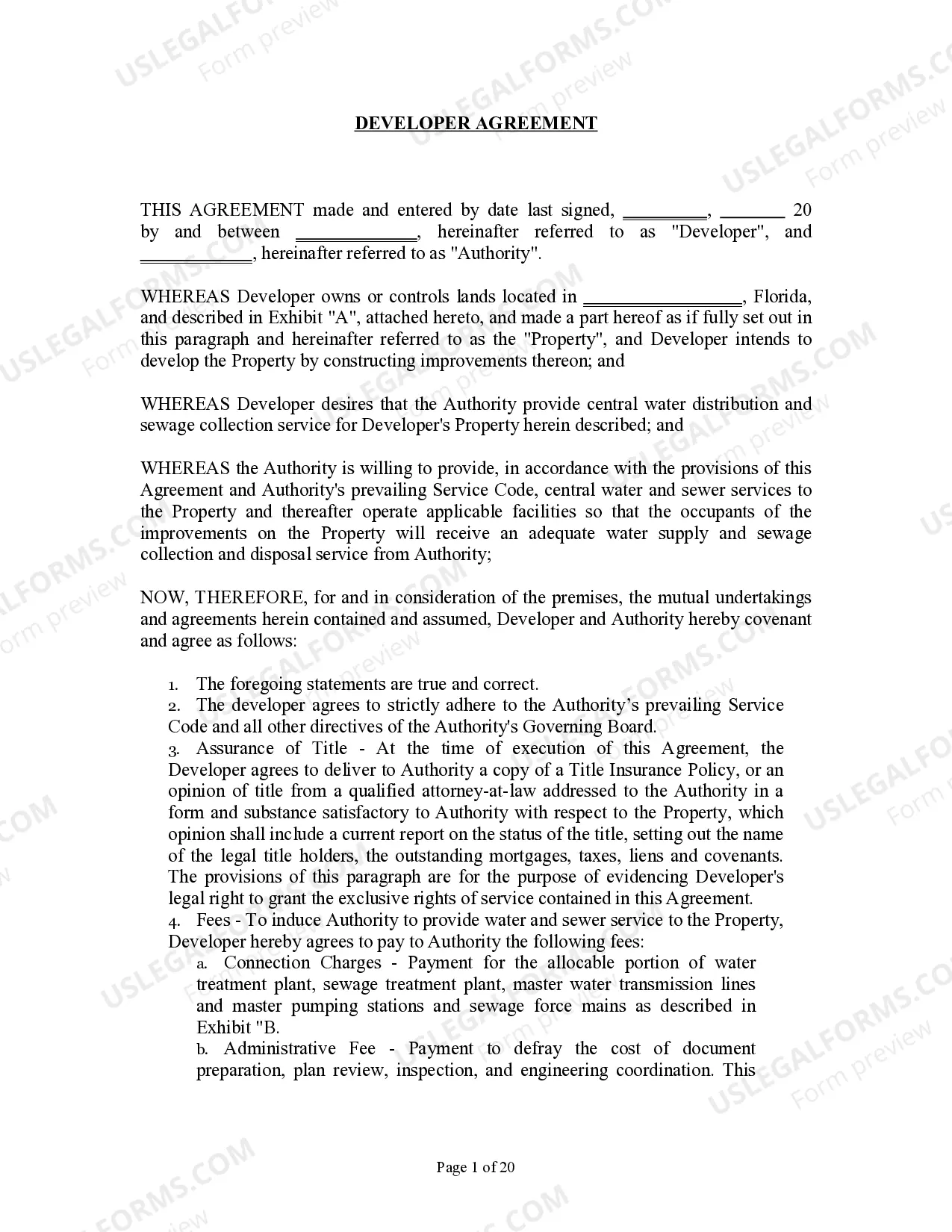
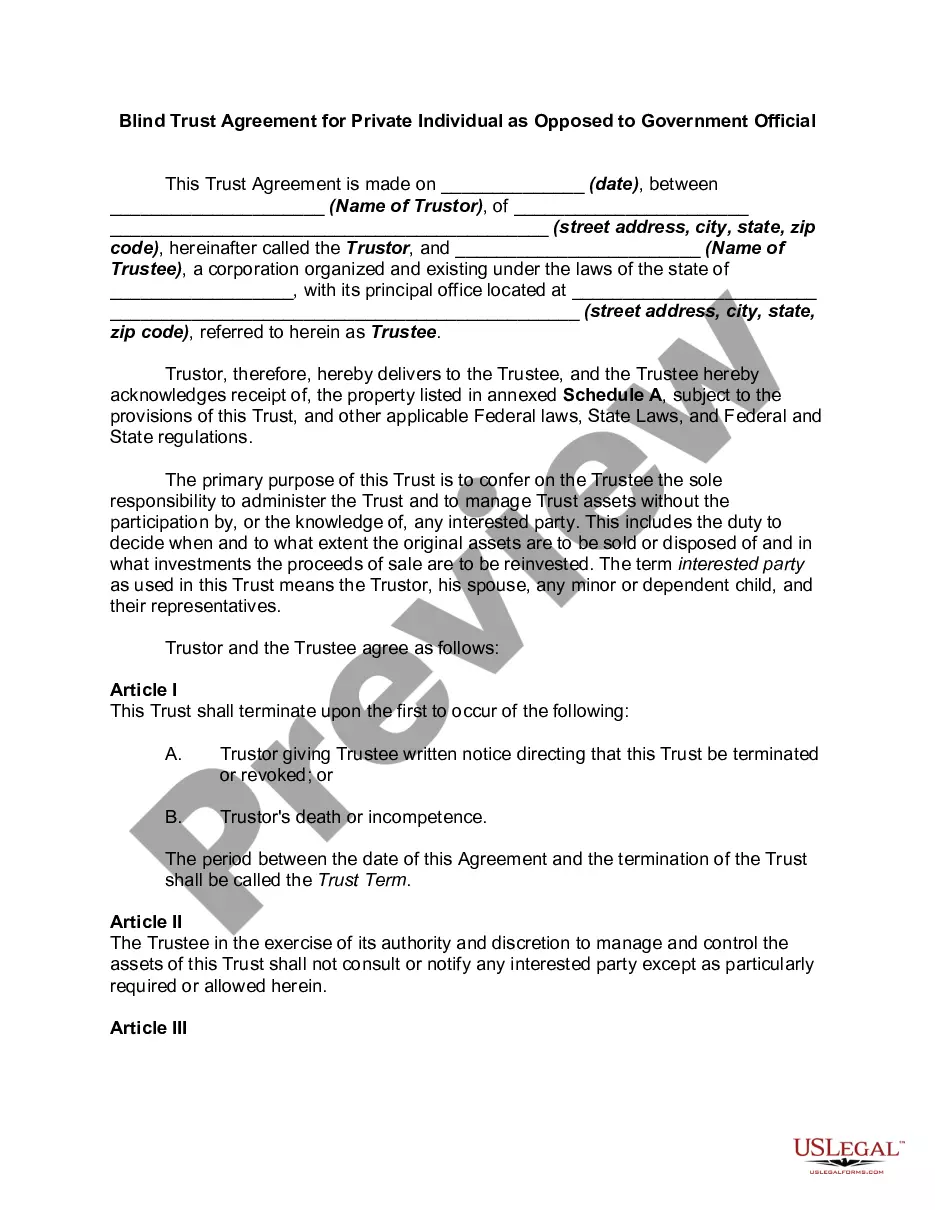




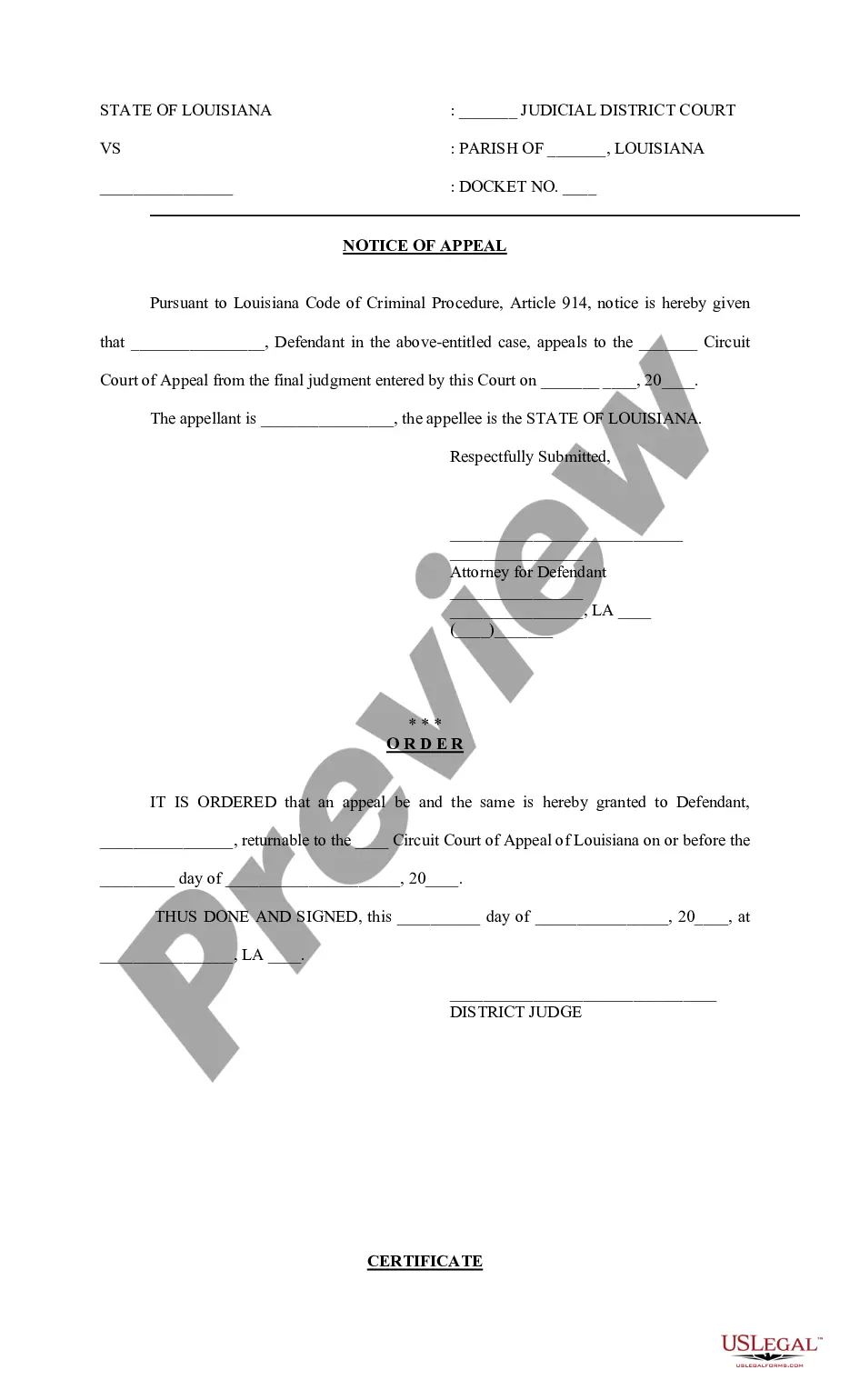
How to fill out Louisiana Notice Of Appeal And Order?
- Log in to your US Legal Forms account if you've used the service before. Make sure your subscription is active for a seamless experience.
- For first-time users, browse through the extensive online library of over 85,000 forms. Use the Search tab to find the specific document you require, ensuring it aligns with your local jurisdiction.
- Once you've found the appropriate form, click on the Buy Now button. Choose a subscription plan that fits your needs and register for an account if you haven't already.
- Complete your purchase by entering your payment details, either through credit card or PayPal. Ensure all information is correct to avoid delays.
- After payment confirmation, download your form directly to your device. You can access it anytime through the My Forms section of your profile.
In conclusion, US Legal Forms simplifies the process of acquiring appealable legal documents with a comprehensive library and expert assistance. By following these steps, you'll have the legal forms you need quickly and efficiently.
Start today and explore the extensive collection of legal forms that US Legal Forms has to offer. Your next document is just a few clicks away!
Form popularity
FAQ
A good example of an appeal is when a party contends that new evidence has emerged after a verdict was reached, which could significantly affect the outcome of the case. In this scenario, the appeal would focus on how this new information is relevant and why it warrants a new review. This type of appeal is strong as it demonstrates that the case is indeed appealable based on substantial grounds.
Writing grounds for appeal involves outlining the specific legal reasons that justify your request for a review of the decision. Begin by identifying any errors that occurred during your case, such as procedural mistakes or misinterpretations of the law. Clearly link these errors to your case’s appealable elements, reinforcing how they impacted the outcome. Resources from US Legal can assist in structuring these grounds effectively.
In your appeal, you should clearly state the issues you believe were mishandled and present a strong argument as to why the decision should be overturned. Use direct language and provide evidence to support your claims. It is essential to articulate why your case is appealable within the legal context, as this strengthens your argument and shows the court the merit of your appeal.
Filling out an appeal form requires careful attention to detail. Start by entering your personal information and case details, followed by the specific reasons for your appeal. Ensure that you provide any necessary supporting documents, as these will strengthen your case. Platforms like US Legal offer resources and templates to help guide you through the filling process efficiently.
An example of an appeal could be a case where a defendant believes they received an unfair trial due to improper jury instructions. In this scenario, the defendant could file an appeal arguing that the jury was not adequately informed of the legal standards necessary for their decision. This appeal would need to be based on established legal grounds that make the case appealable. It’s crucial to provide detailed evidence and reasoning.
Writing a good appeal form involves clarity and precision. Begin by stating the grounds for your appeal succinctly, clearly indicating why you believe the decision is incorrect. Make sure to follow any templates provided by the court, and be detailed yet concise in your explanations. Utilizing resources from platforms like US Legal can guide you in creating an appealing and formatted document.
To complete an appeal, start by gathering all relevant documents related to your case. Next, review the specific guidelines provided by the court or agency overseeing your case, as these can vary by jurisdiction. It’s helpful to clearly outline the reasons your case is appealable, ensuring that each point aligns with legal standards. Finally, submit your appeal within the required timeframe to prevent any procedural issues.
To make a strong appeal, start by clearly defining the specific appealable issues you are challenging. Structure your argument logically and support it with pertinent evidence and legal precedents. Crafting your documents with attention to clarity and detail is essential in reinforcing your case. Tools from US Legal Forms can provide the templates and guidance needed to ensure professionalism in your appeal.
The best grounds for appeal typically include procedural errors, outdated legal precedents, or misinterpretation of laws that impacted your case's outcome. Focusing on solid missteps that can be clearly documented makes for a more powerful argument. Each appealable ground should be carefully considered and well-articulated in your submission. Utilizing resources from US Legal Forms helps in identifying and substantiating these grounds effectively.
To successfully win an appeal, focus on outlining clear legal arguments that emphasize errors made during the original trial. Comprehensive research and documentation of supporting evidence are essential for presenting a strong case. Moreover, seeking advice from professionals who are familiar with the appealable process can guide you effectively. Resources from US Legal Forms can also streamline this preparation.