Petition For Custody Philippines
Description
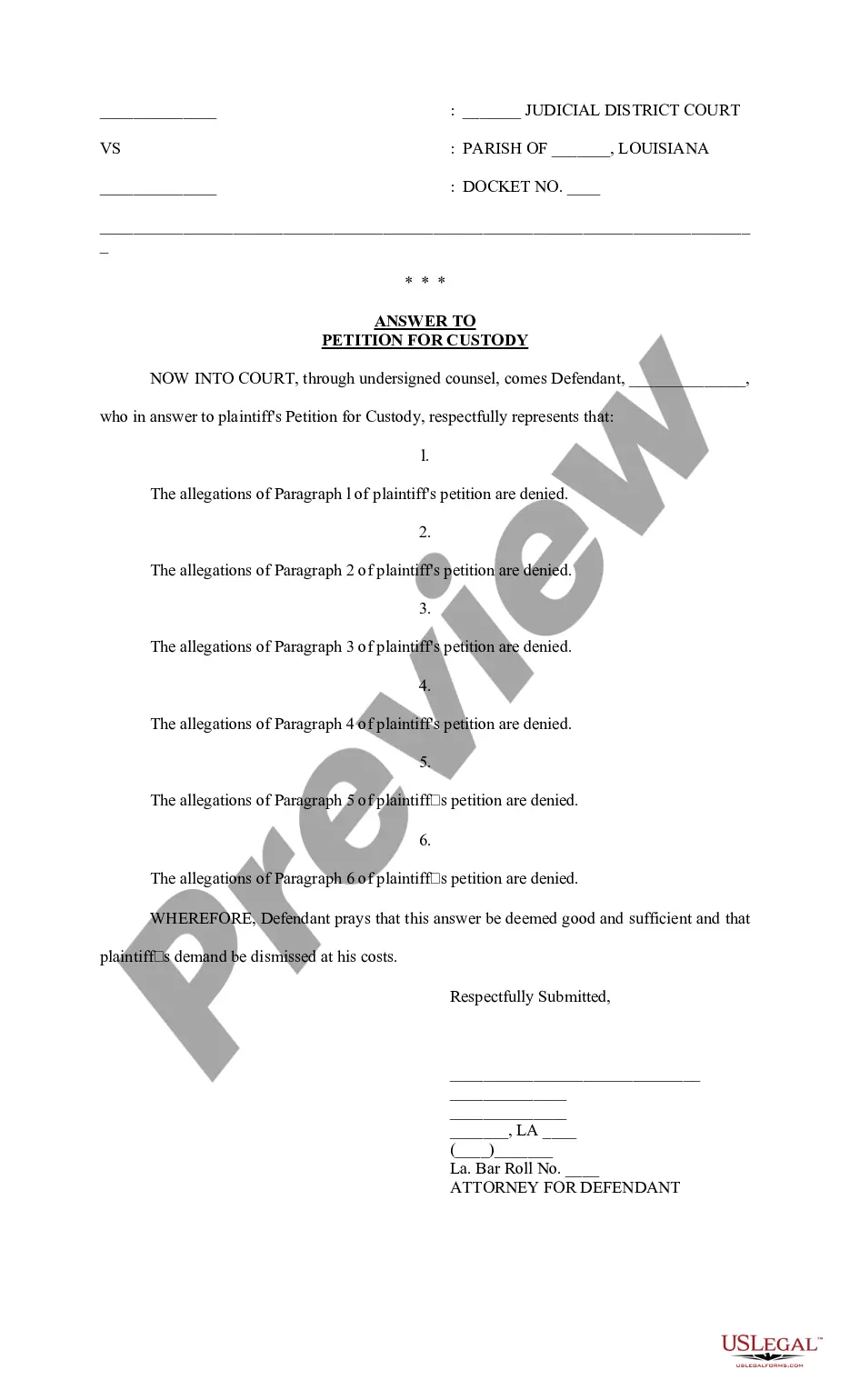

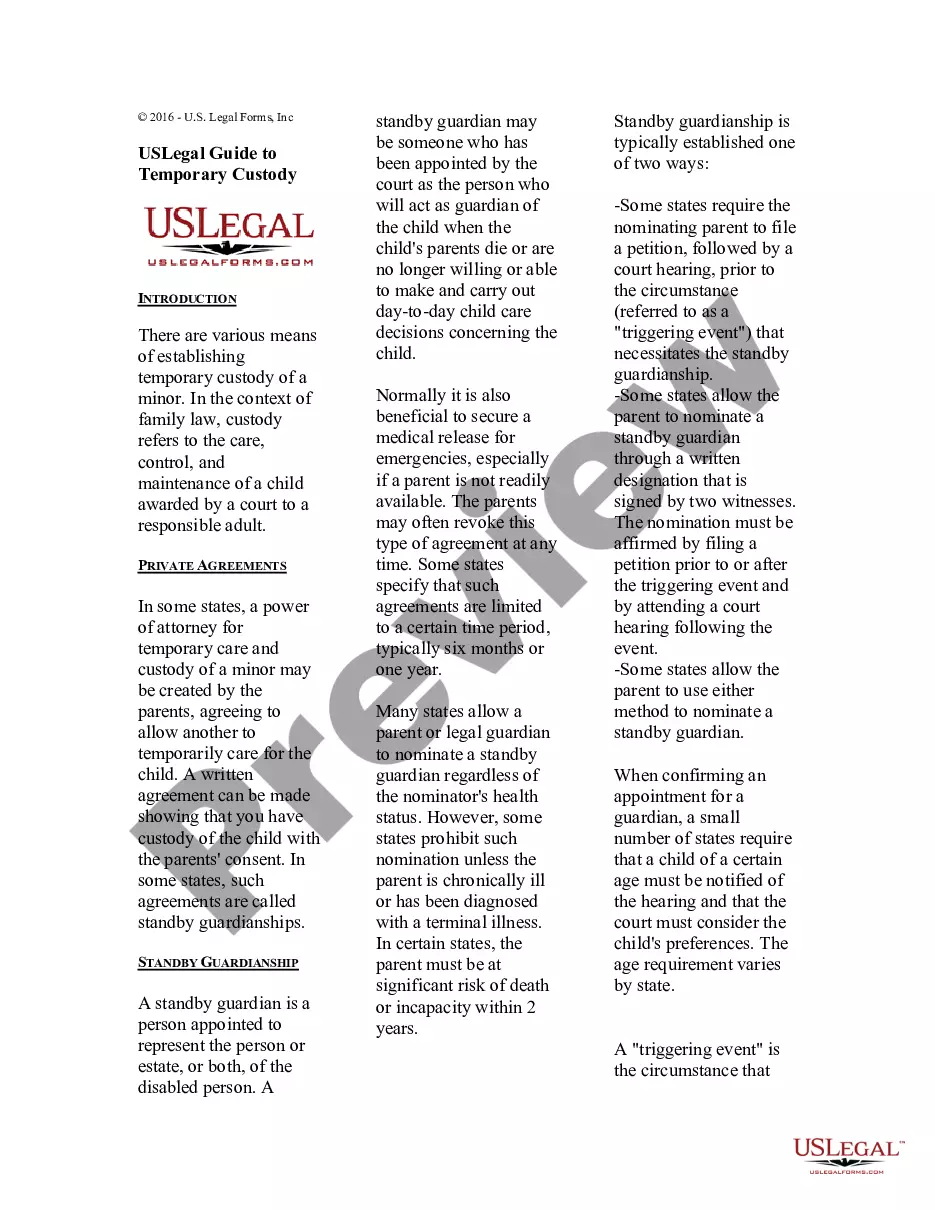
Get your form ready online
Our built-in tools help you complete, sign, share, and store your documents in one place.
Make edits, fill in missing information, and update formatting in US Legal Forms—just like you would in MS Word.
Download a copy, print it, send it by email, or mail it via USPS—whatever works best for your next step.
Sign and collect signatures with our SignNow integration. Send to multiple recipients, set reminders, and more. Go Premium to unlock E-Sign.
If this form requires notarization, complete it online through a secure video call—no need to meet a notary in person or wait for an appointment.
We protect your documents and personal data by following strict security and privacy standards.

Make edits, fill in missing information, and update formatting in US Legal Forms—just like you would in MS Word.

Download a copy, print it, send it by email, or mail it via USPS—whatever works best for your next step.

Sign and collect signatures with our SignNow integration. Send to multiple recipients, set reminders, and more. Go Premium to unlock E-Sign.

If this form requires notarization, complete it online through a secure video call—no need to meet a notary in person or wait for an appointment.

We protect your documents and personal data by following strict security and privacy standards.
Looking for another form?


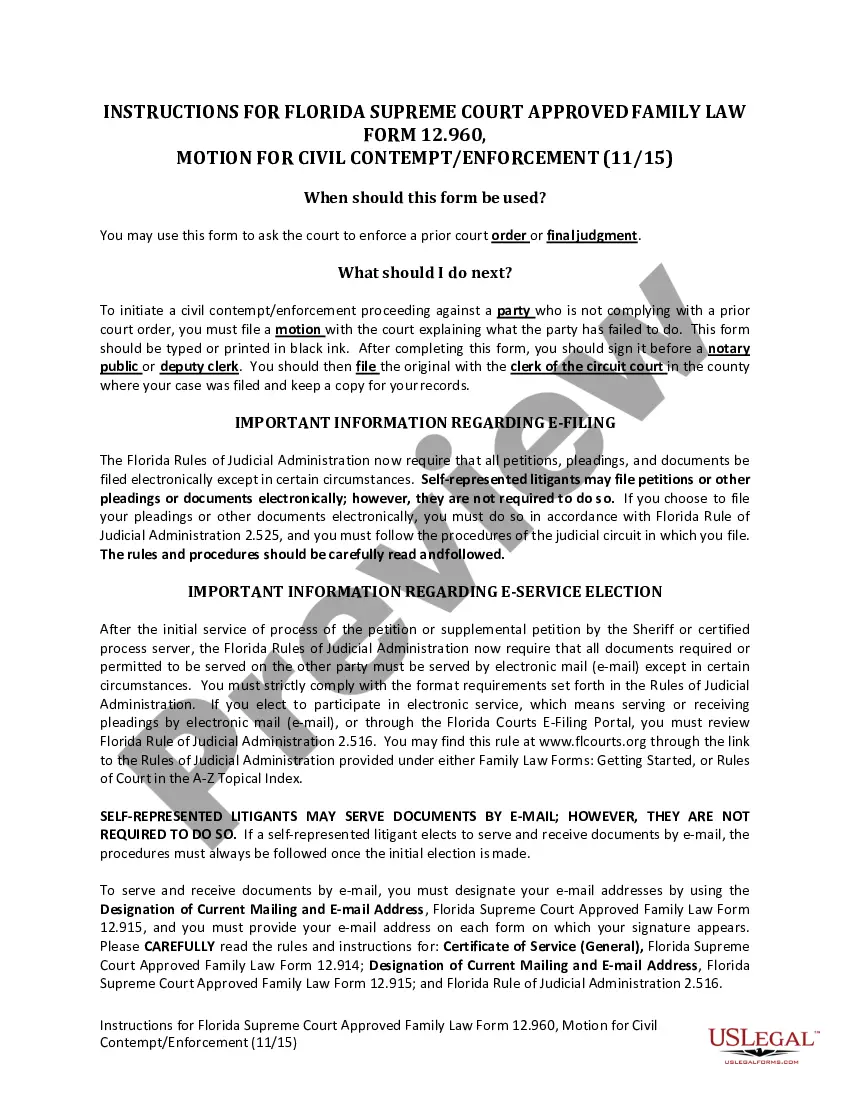




How to fill out Louisiana Answer To Petition For Custody?
Locating a reliable source for the latest and pertinent legal templates is a significant part of navigating bureaucracy.
Identifying the appropriate legal documents requires precision and meticulousness, which is why it's crucial to obtain samples of Petition For Custody Philippines solely from trustworthy sources, such as US Legal Forms.
Eliminate the complications associated with your legal documents. Explore the extensive US Legal Forms library to discover legal templates, assess their relevance to your situation, and download them immediately.
- Utilize the catalog navigation or search bar to find your template.
- Access the form’s description to verify if it meets your state's and locality's requirements.
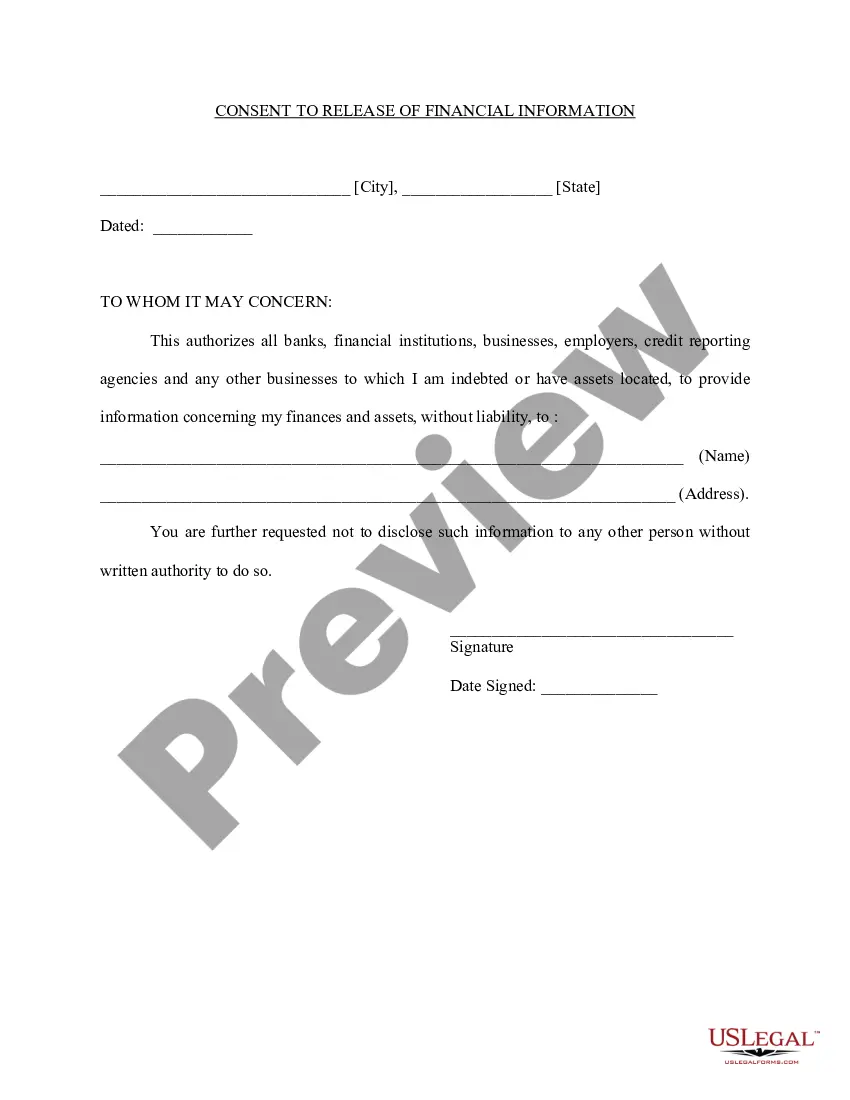
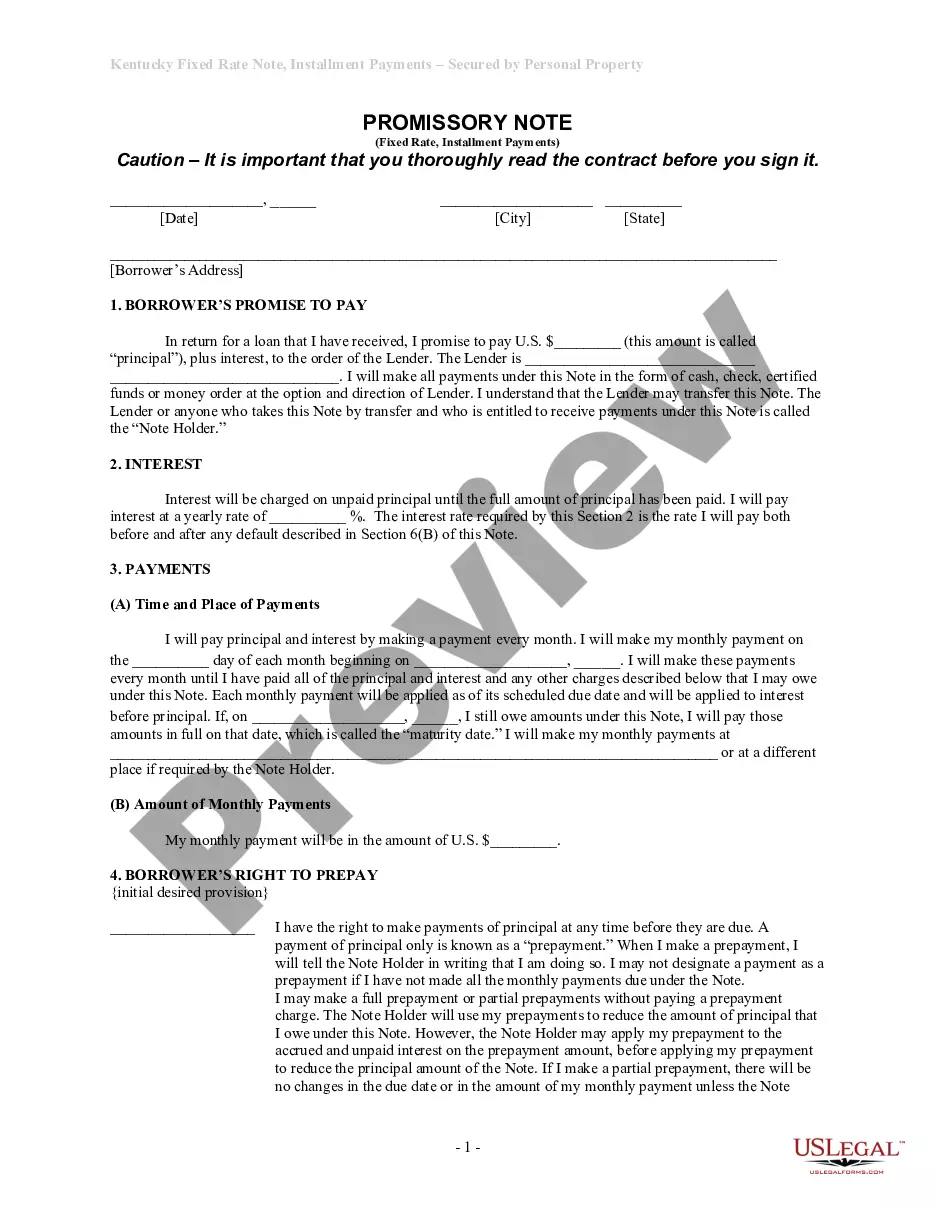
- View the form preview, if available, to ensure the document is what you need.
- Return to your search to find the correct template if the Petition For Custody Philippines does not suit your needs.
- Once you are certain of the document’s relevance, download it.
- If you are a registered user, click Log in to validate and access your selected templates in My documents.
- If you haven't created an account, click Buy now to acquire the template.
- Choose the pricing plan that fits your needs.
- Proceed to the registration to finalize your purchase.
- Complete your transaction by selecting a payment method (credit card or PayPal).
- Select the file format for downloading Petition For Custody Philippines.
- Once you have the document on your device, you may modify it using an editor or print it and fill it out manually.
Form popularity
FAQ
One of the most significant mistakes in a custody battle is failing to document interactions and child-related activities. Providing clear evidence of your involvement in the child's life is crucial. Additionally, a strong petition for custody in the Philippines should be supported by facts and positive contributions to the child's well-being.
In either case, the petition needs to be filed with the Family Court. Submit Evidence: You will need to present evidence supporting your claim for custody, such as financial capability, testimonials, and proof of a stable living environment. Child Custody Hearing: Both parties will be asked to attend a hearing.
There's no fixed rate for child support in the Philippines. A court will choose the sum that ought to be paid dependent on the child's needs and the parent's means.
This can be done by filing a Petition for Support in the Regional Trial Court. The process involves legal representation and the presentation of evidence, such as proof of the children's needs and the capacity of the parent to provide support.
Art. 213. In case of separation of the parents, parental authority shall be exercised by the parent designated by the Court. The Court shall take into account all relevant considerations, especially the choice of the child over seven years of age, unless the parent chosen is unfit.
This can be done by filing a Petition for Support in the Regional Trial Court. The process involves legal representation and the presentation of evidence, such as proof of the children's needs and the capacity of the parent to provide support.