Rent Increase Letter For Month To Month
Description
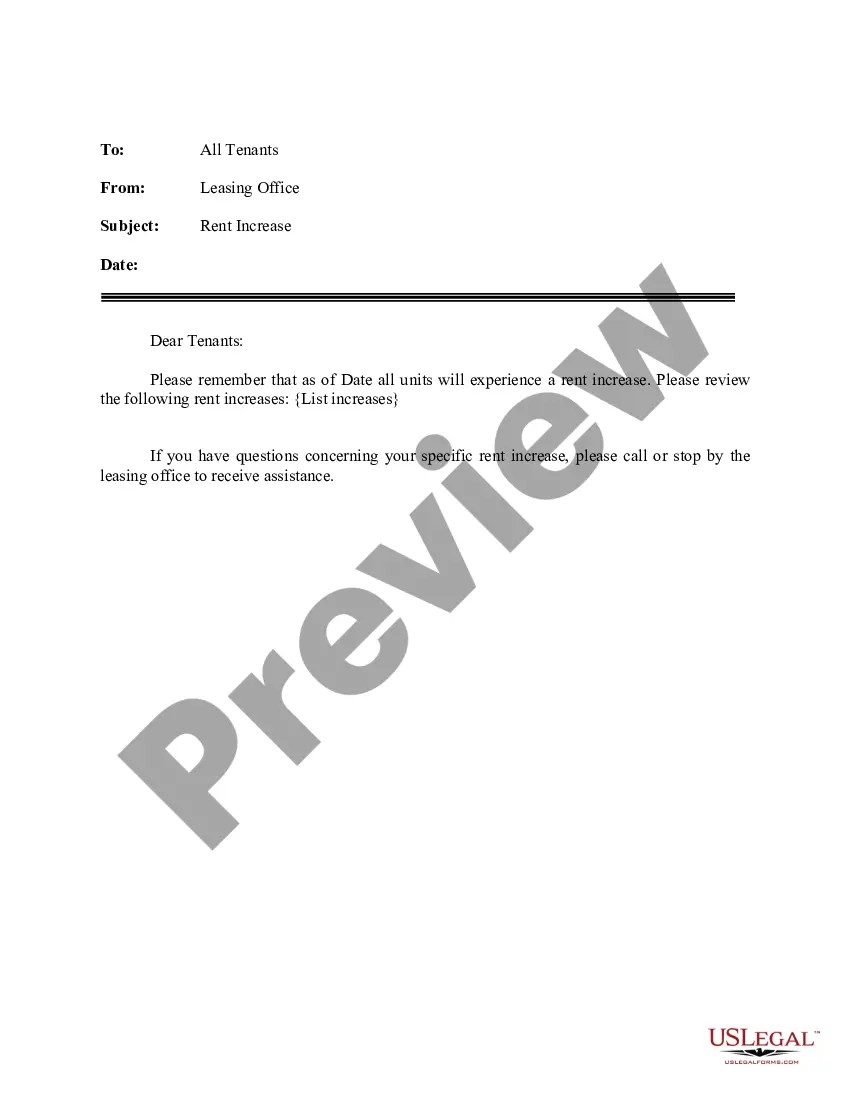

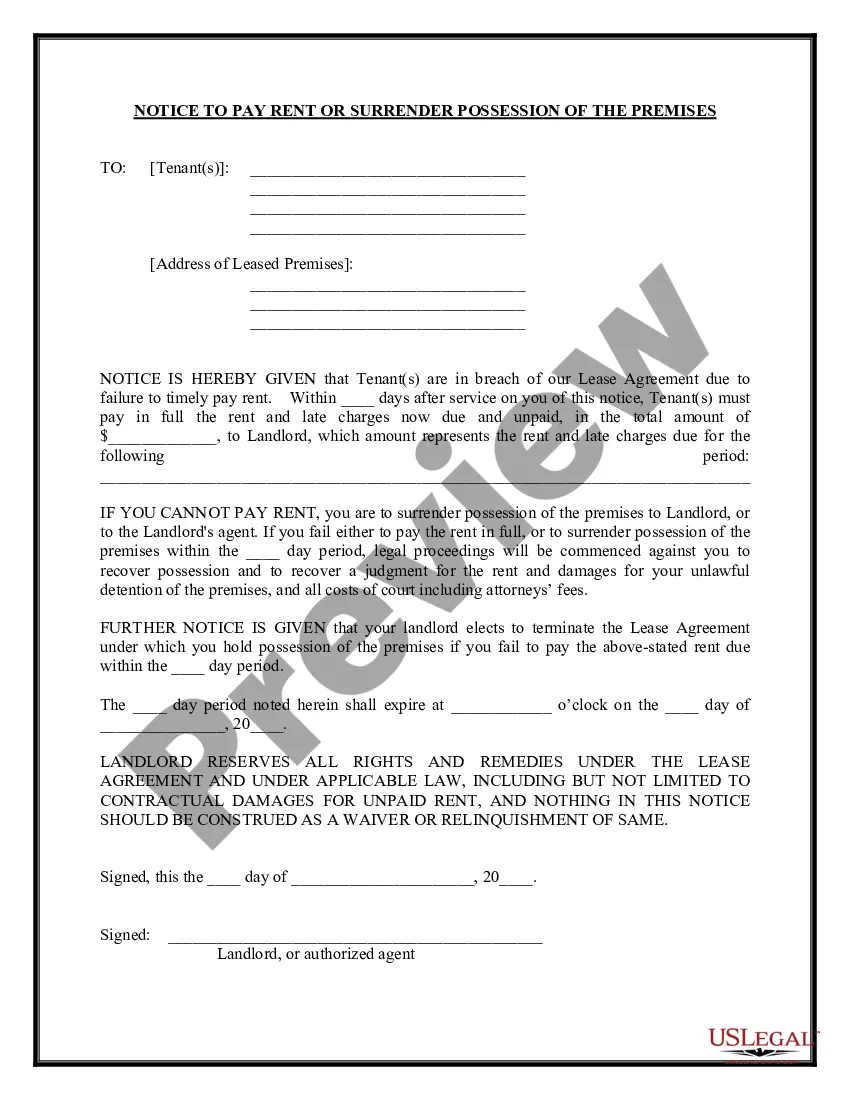
Get your form ready online
Our built-in tools help you complete, sign, share, and store your documents in one place.
Make edits, fill in missing information, and update formatting in US Legal Forms—just like you would in MS Word.
Download a copy, print it, send it by email, or mail it via USPS—whatever works best for your next step.
Sign and collect signatures with our SignNow integration. Send to multiple recipients, set reminders, and more. Go Premium to unlock E-Sign.
If this form requires notarization, complete it online through a secure video call—no need to meet a notary in person or wait for an appointment.
We protect your documents and personal data by following strict security and privacy standards.

Make edits, fill in missing information, and update formatting in US Legal Forms—just like you would in MS Word.

Download a copy, print it, send it by email, or mail it via USPS—whatever works best for your next step.

Sign and collect signatures with our SignNow integration. Send to multiple recipients, set reminders, and more. Go Premium to unlock E-Sign.

If this form requires notarization, complete it online through a secure video call—no need to meet a notary in person or wait for an appointment.

We protect your documents and personal data by following strict security and privacy standards.
Looking for another form?




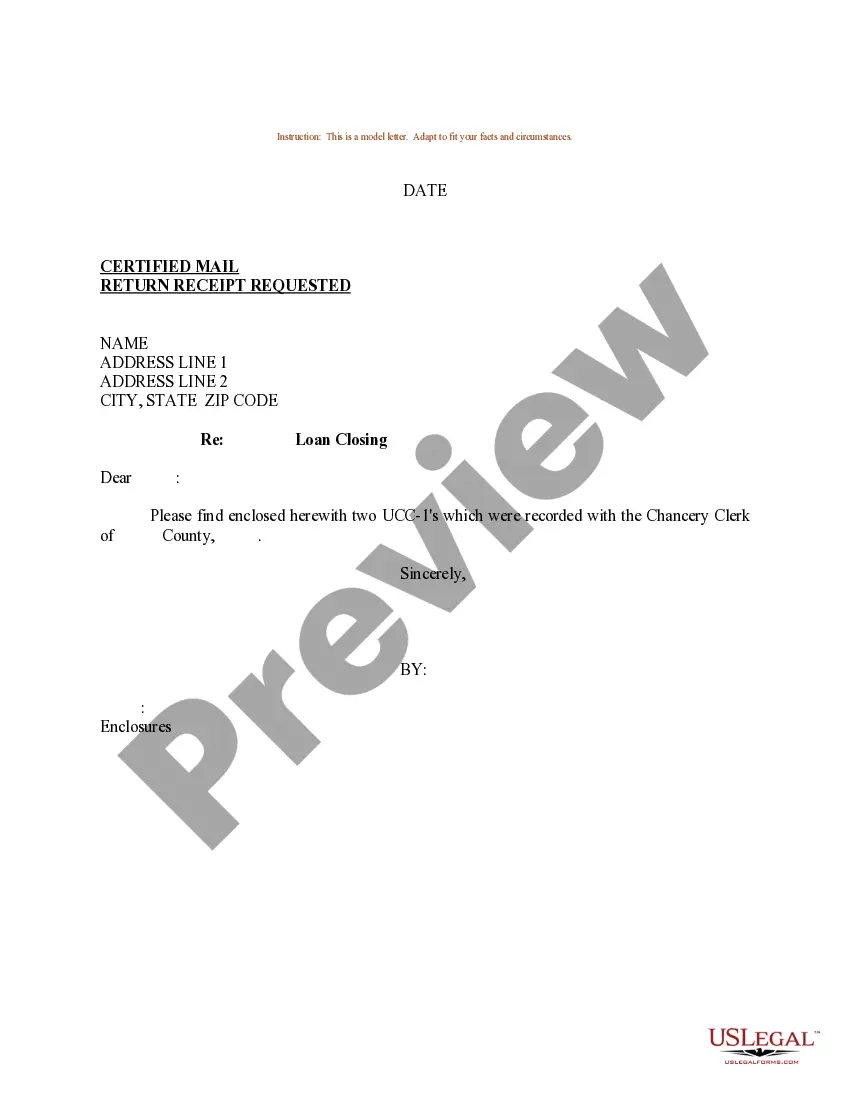
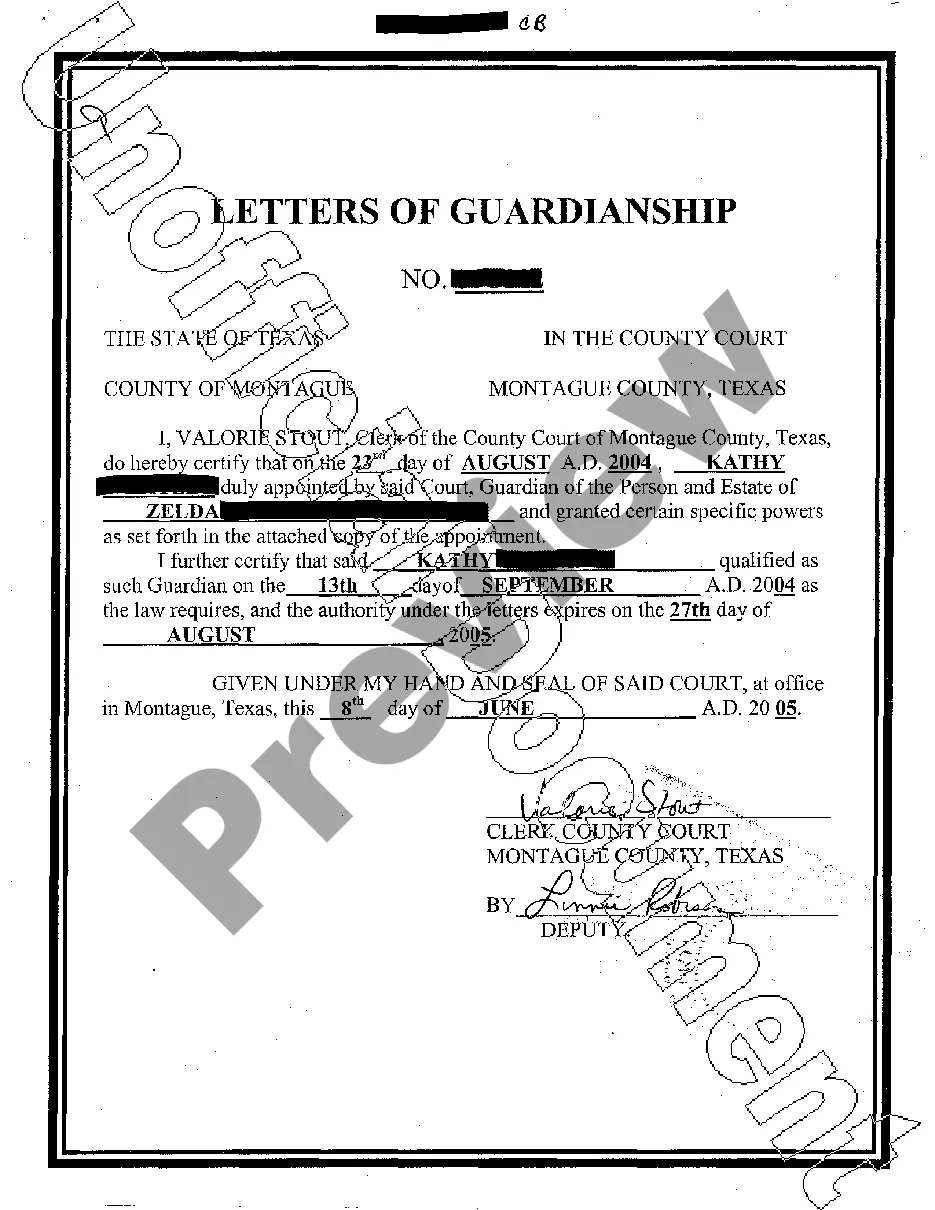


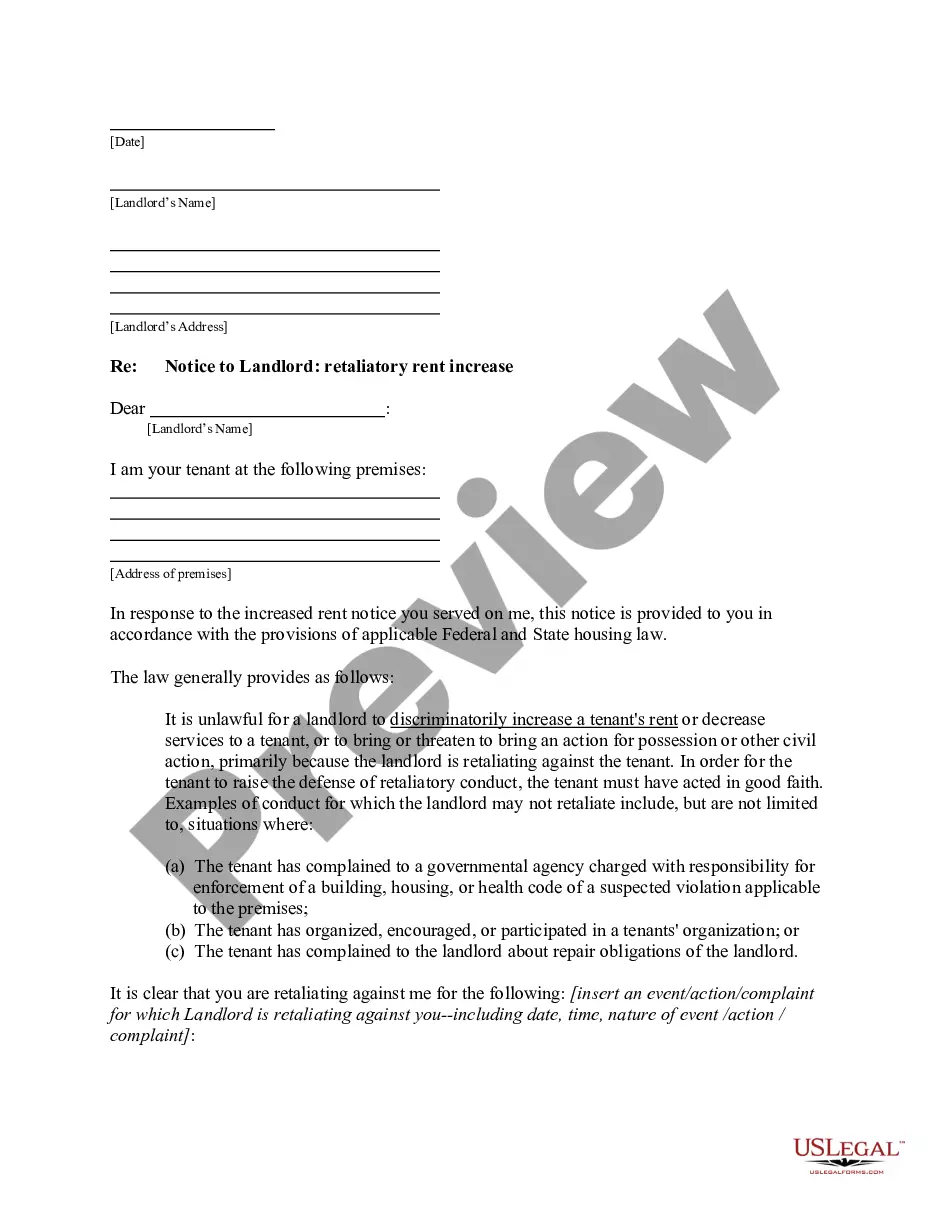
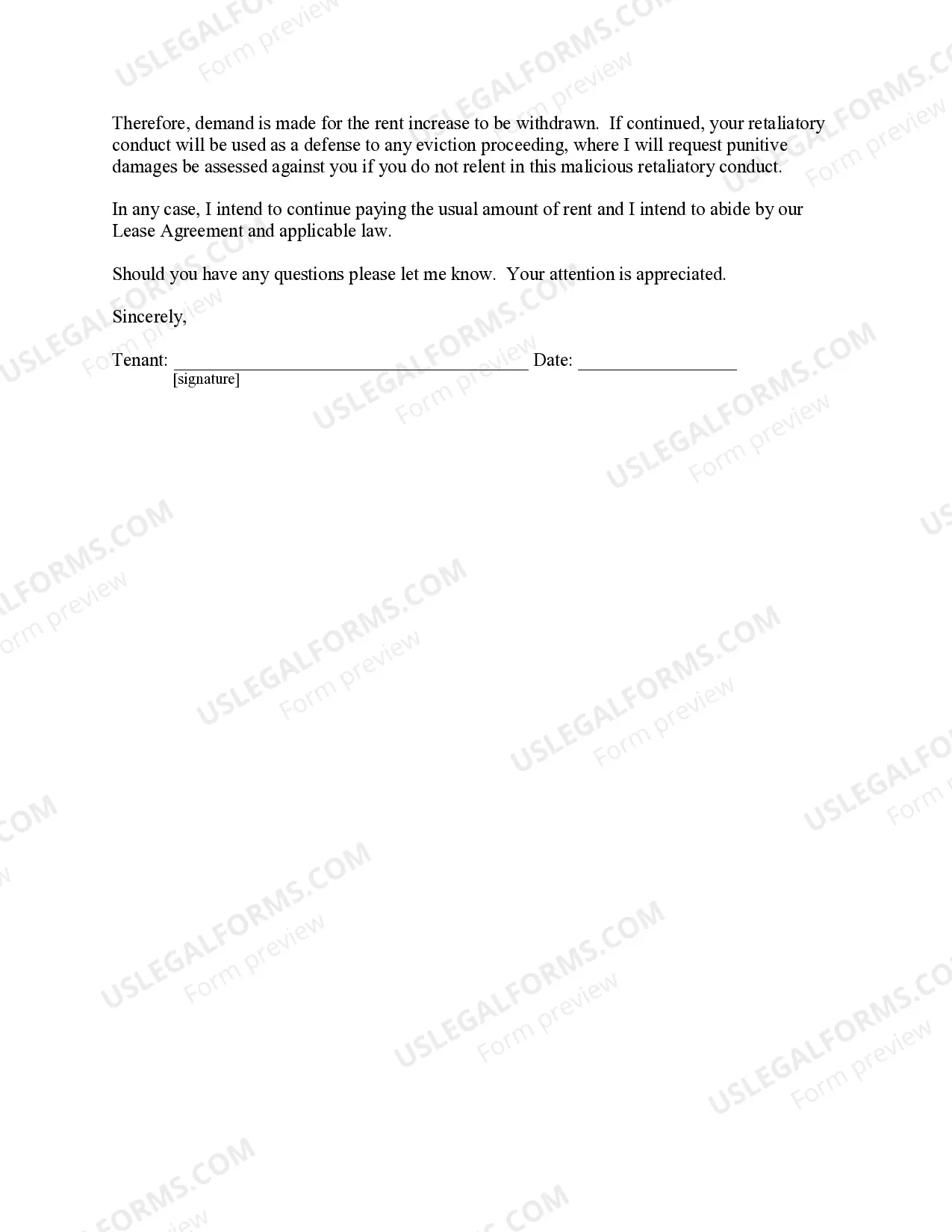
How to fill out Louisiana Letter From Tenant To Landlord Containing Notice To Landlord To Withdraw Retaliatory Rent Increase?
- Log in to your US Legal Forms account if you're a returning user. Ensure your subscription is active; renew if necessary.
- For first-time users, explore the available forms. Check the Preview mode and the form description to choose the right template based on your specific locale.
- Utilize the Search tab if you need an alternate template. If the current one doesn't align with your needs, find another option.
- Proceed to purchase the document. Click the Buy Now button and select your preferred subscription plan. Account registration is required for access.
- Complete your purchase by entering your payment details, either via credit card or PayPal.
- Download the completed form to your device for convenient access and edit it as needed. You can find it later in the My Forms section.
Using US Legal Forms enables you to handle legal matters efficiently, providing you with a robust collection of forms tailored to your requirements. With over 85,000 editable and fillable templates, you'll find exactly what you need for any situation.
In conclusion, writing a rent increase letter doesn't have to be daunting. Leverage the resources available at US Legal Forms to ensure your document is well-crafted and compliant. Start your journey with us today!
Form popularity
FAQ
In California, the maximum a landlord can raise rent is generally limited to 5% plus inflation or 10%, whichever is lower, annually. This ensures that rent increases remain reasonable and fair for tenants. To navigate these regulations smoothly, landlords may benefit from using a rent increase letter for month to month.
Certain properties, such as single-family homes owned by an individual landlord or certain affordable housing units, are exempt from rent increase regulations. Additionally, if the tenant has been residing in the unit for less than a year, different rules might apply. Landlords should be aware of these exemptions when drafting a rent increase letter for month to month.
Yes, AB 1482 applies to month-to-month rentals in California. This law establishes rules regarding rent increases and tenant protections. If landlords plan to implement changes, they should consider utilizing a rent increase letter for month to month to stay compliant with these regulations.
In California, the amount a landlord can raise rent on a month-to-month lease is capped based on state rent control laws. Typically, a landlord may increase rent by 5% plus the local rate of inflation, or by 10%, whichever is lower. To communicate this change effectively, landlords should use a rent increase letter for month to month.
A landlord can extend a lease by a month, but they must agree to this with the tenant. If both parties wish to continue the tenancy without changing the terms, they can renew the month-to-month agreement. Using a rent increase letter for month to month may also be a good practice if adjustments are necessary.
Yes, a landlord can raise rent on a month-to-month lease in California, but they must provide proper written notice to the tenant. Typically, this notice must be delivered 30 days before the increase takes effect. In any case, the landlord should consider creating a rent increase letter for month to month to ensure compliance with state laws.
California has several rules governing month-to-month leases. Landlords must provide proper notice before ending the lease or increasing rent. Additionally, tenants have the right to live in their rental unit without harassment. Understanding these regulations is crucial, and utilizing a Rent increase letter for month to month can streamline communication between landlords and tenants.
In California, a landlord can raise rent on a month-to-month lease, but specific rules apply. Generally, landlords must provide at least 30 days' notice for rent increases under 10%, and at least 90 days for increases of 10% or more. It's essential to follow these guidelines to ensure compliance with state laws regarding rental adjustments. A Rent increase letter for month to month template can help landlords communicate changes effectively.
Creating a month-to-month rental agreement is straightforward. Start by outlining the terms of the lease, including the rent amount and the duration of the rental period. Once you have established the details, both the landlord and tenant should sign the agreement to make it binding. If you need assistance, a Rent increase letter for month to month can be found on the US Legal Forms platform, which offers templates and guidance.
The maximum rent increase you can implement often depends on the laws of your locality. Many regions have regulations that restrict how much rent can be raised in a year. To ensure compliance, review your lease agreement and local housing laws before proceeding. Utilizing a rent increase letter for month to month can help you communicate the increase in a clear and legally sound manner.