Tenant Landlord Rent With A Building
Description

Get your form ready online
Our built-in tools help you complete, sign, share, and store your documents in one place.
Make edits, fill in missing information, and update formatting in US Legal Forms—just like you would in MS Word.
Download a copy, print it, send it by email, or mail it via USPS—whatever works best for your next step.
Sign and collect signatures with our SignNow integration. Send to multiple recipients, set reminders, and more. Go Premium to unlock E-Sign.
If this form requires notarization, complete it online through a secure video call—no need to meet a notary in person or wait for an appointment.
We protect your documents and personal data by following strict security and privacy standards.

Make edits, fill in missing information, and update formatting in US Legal Forms—just like you would in MS Word.

Download a copy, print it, send it by email, or mail it via USPS—whatever works best for your next step.

Sign and collect signatures with our SignNow integration. Send to multiple recipients, set reminders, and more. Go Premium to unlock E-Sign.

If this form requires notarization, complete it online through a secure video call—no need to meet a notary in person or wait for an appointment.

We protect your documents and personal data by following strict security and privacy standards.
Looking for another form?





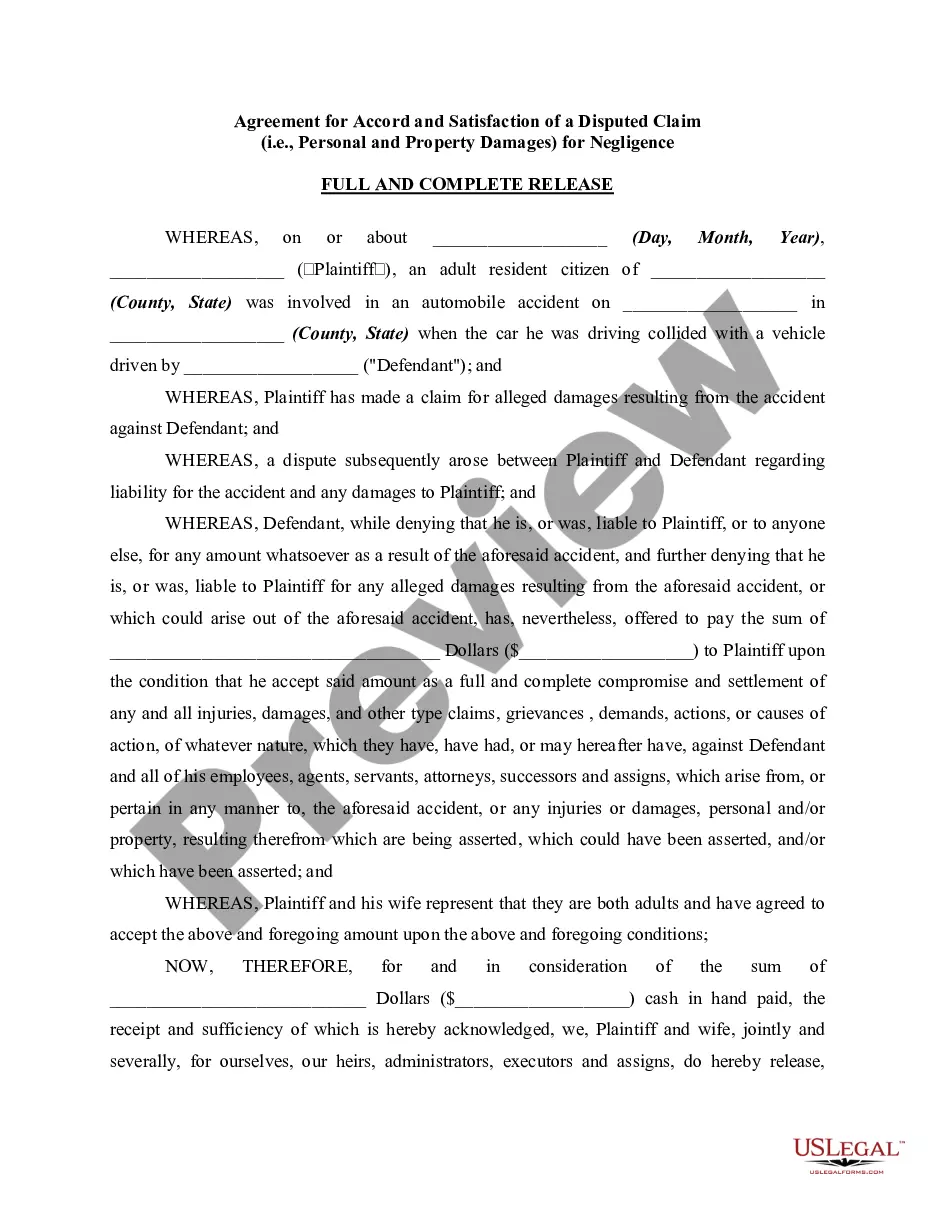
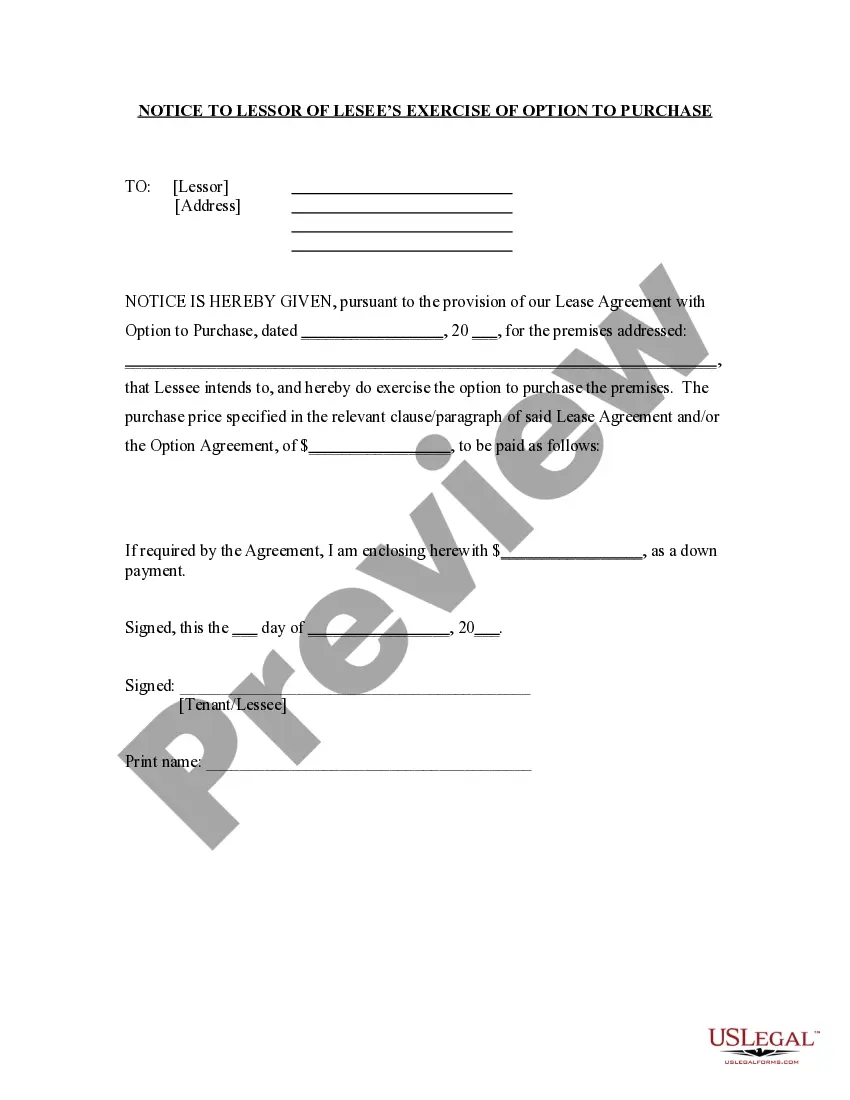

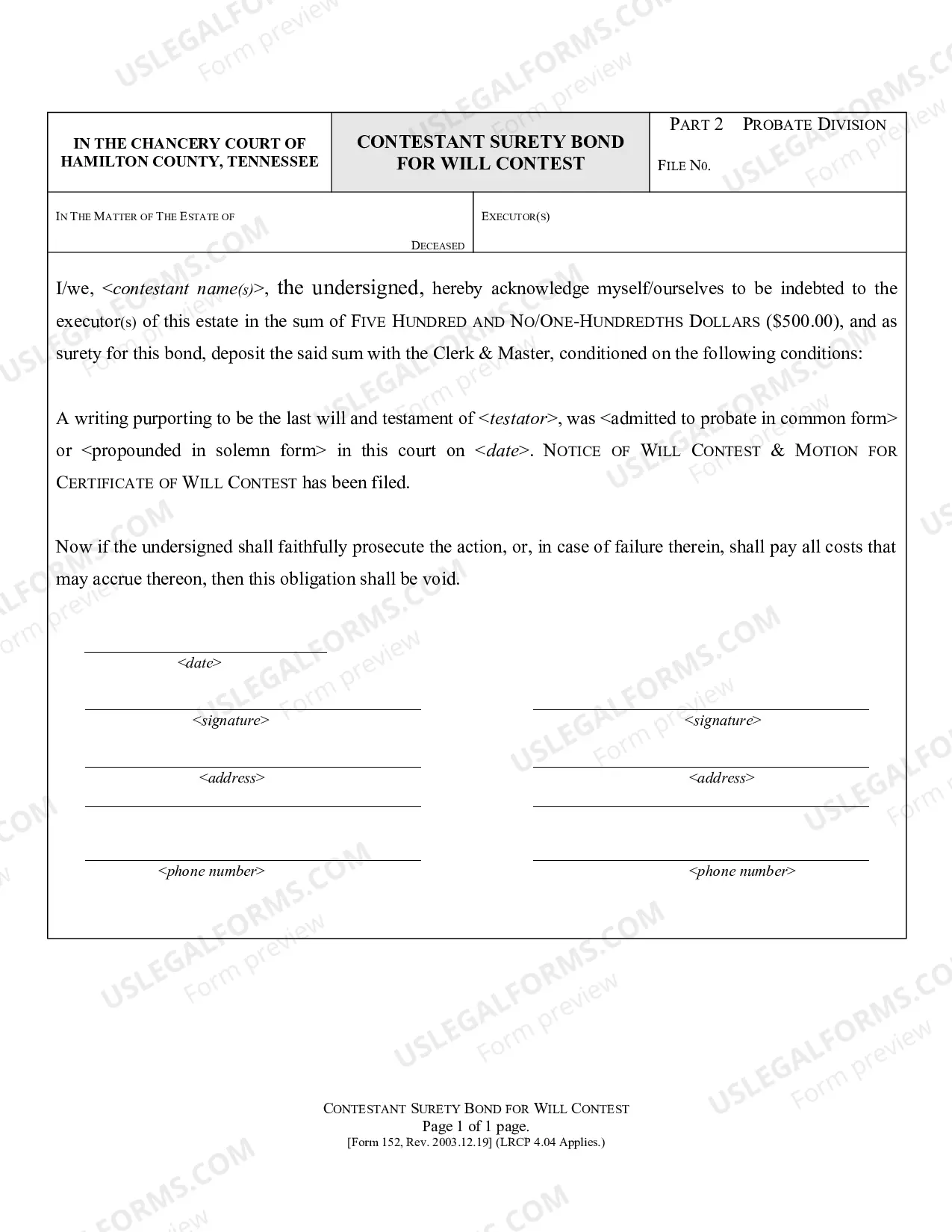

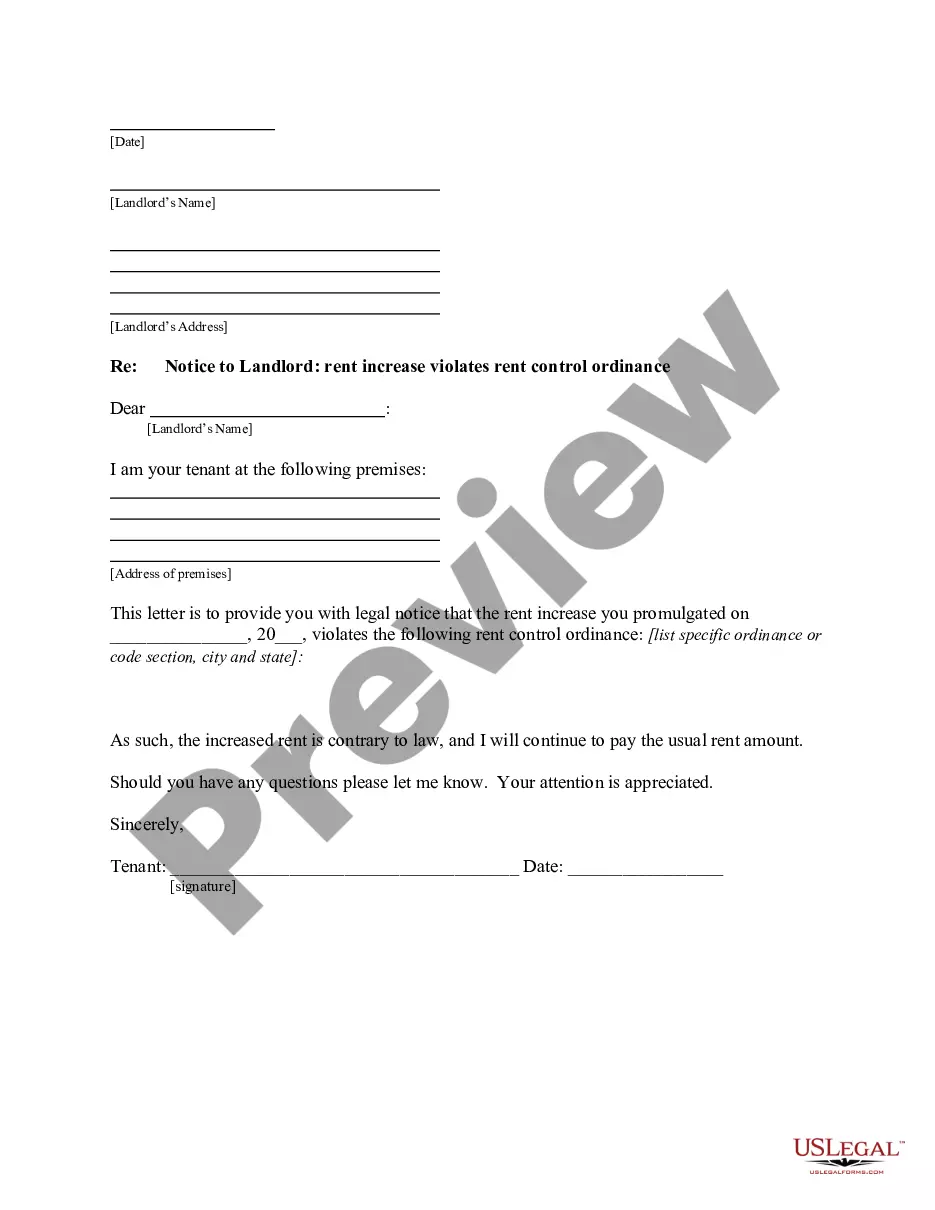
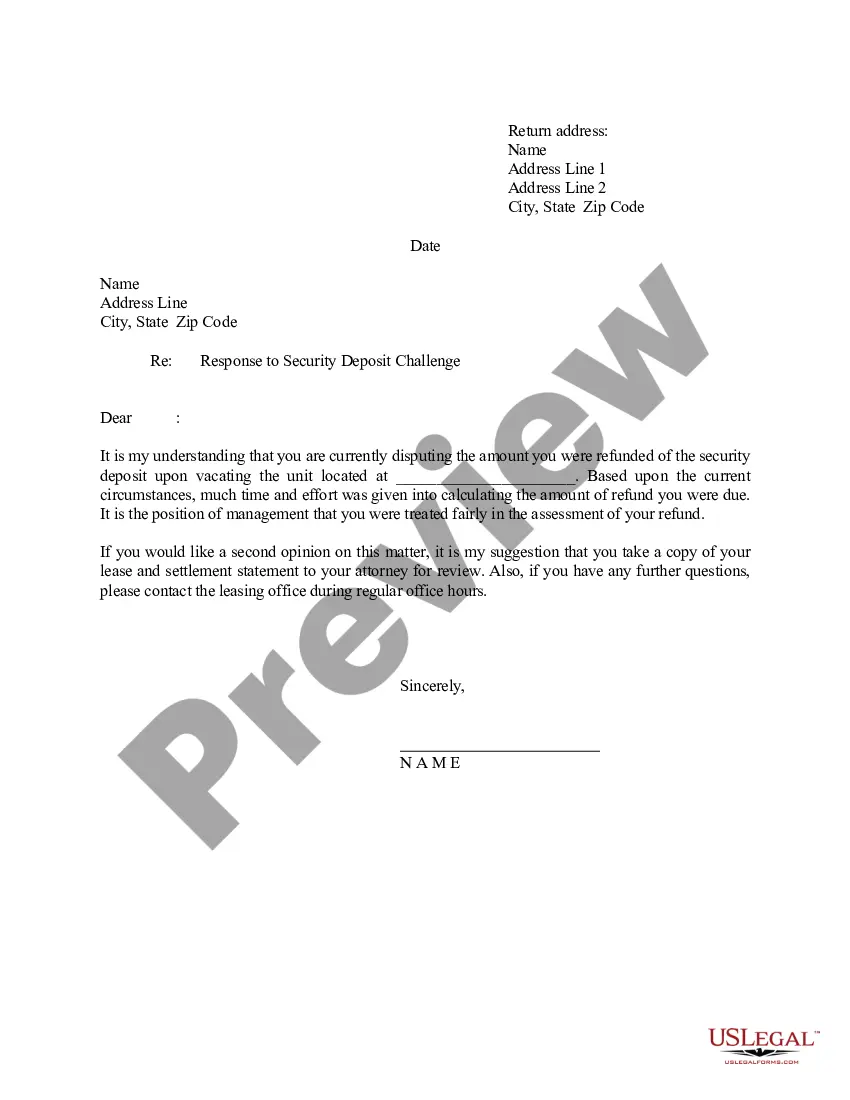
How to fill out Louisiana Letter From Tenant To Landlord Containing Notice To Landlord To Withdraw Improper Rent Increase Due To Violation Of Rent Control Ordinance?
- If you are a returning user, log in to your account and download the necessary form template by clicking the Download button. Ensure your subscription is active, and renew if needed.
- For first-time users, start by exploring the Preview mode and thoroughly reading the form descriptions to confirm you’ve chosen the right document that meets your local legal requirements.
- If you don’t find the right form, use the Search tab at the top of the page to locate the correct one. Once you find it, proceed to the next step.
- Purchase the document by clicking the Buy Now button, then select your preferred subscription plan. You’ll need to create an account to access the document library.
- Complete your purchase by entering your credit card information or using PayPal to finalize your subscription.
- Download your form to your device, ensuring it’s saved for future reference, and access it anytime from the My Forms section of your profile.
By leveraging US Legal Forms, you gain access to an extensive collection of over 85,000 legal documents that are easy to fill out and edit. Plus, guidance from premium experts ensures your forms are completed correctly, safeguarding your legal interests.
In conclusion, whether you are a tenant or landlord, US Legal Forms is here to simplify your rental agreements. Start your journey today by accessing our unmatched legal resources!
Form popularity
FAQ
In Arkansas, a landlord is generally required to provide a tenant with a written notice of at least 30 days to vacate the property, depending on the length of the lease. For month-to-month leases, this notice must be given before the start of the rental period. Understanding these notification requirements helps maintain transparency and trust in the tenant landlord rent with a building dynamic.
In Arkansas, landlords cannot engage in illegal eviction methods such as locking out tenants, refusing to restore utilities, or retaliating against tenants for reporting issues. They must adhere to fair housing laws and provide a safe living environment. Being aware of these restrictions can safeguard both parties in matters related to tenant landlord rent with a building.
Withholding rent in Arkansas is not straightforward and is typically only justified in cases of significant maintenance issues that the landlord fails to address. Before taking this step, communicate with your landlord and provide them a chance to remedy the situation. Always document your correspondence for future reference regarding tenant landlord rent with a building.
A landlord in Arkansas generally cannot withhold tenant property without following legal procedures. If a landlord feels justified in keeping property, they must first provide proper notice and follow specific eviction laws. Understanding your rights as a tenant can prevent misunderstandings regarding issues of tenant landlord rent with a building.
If you have complaints about your landlord, your first step should be to report them to the Arkansas Attorney General's office or your local housing authority. These organizations can assist you with issues like unsafe living conditions or rental violations. For more complex disputes involving tenant landlord rent with a building, consider seeking legal advice.
In Arkansas, tenants can face eviction for being even a single day behind on rent. Landlords often have to follow specific legal procedures when initiating an eviction, including providing proper notice. If you find yourself in this situation, it is wise to seek professional assistance to navigate the complexities of tenant landlord rent with a building.
In Arkansas, tenants may have limited ability to withhold rent, typically due to serious issues like a lack of essential repairs or unsafe living conditions. It is crucial for tenants to notify their landlords about these issues in writing and give them a reasonable chance to fix them. Always consult with a local attorney or an expert to understand your rights concerning tenant landlord rent with a building.
To document rental property, begin by gathering all relevant information, such as the lease agreement, payment records, and property condition reports. Take photographs of the property to support any claims about its condition and maintain a clear record of communication with your tenant. By organizing these documents, you create a reliable resource that supports your position as a landlord, ensuring clarity in any future disputes regarding tenant landlord rent with a building.
The true meaning of a tenant is a person or entity that has permission to occupy a property under a rental agreement. Tenants commit to adhering to the terms laid out in their lease, including punctual rent payments and property care. This arrangement provides stability for both parties, allowing tenants to feel secure in their living spaces. For guidance on tenant rights and lease agreements, consider turning to platforms like USLegalForms.
Tenants of a building are those who lease space from the landlord for residential or commercial purposes. These individuals have rights defined by the lease agreement, which stipulates the terms of occupancy and rent payment. Being knowledgeable about tenant rights helps ensure a fair and positive living experience. A well-structured lease can prevent many common misunderstandings between tenants and landlords.