Improper Rent Ordinance For Apartments
Description

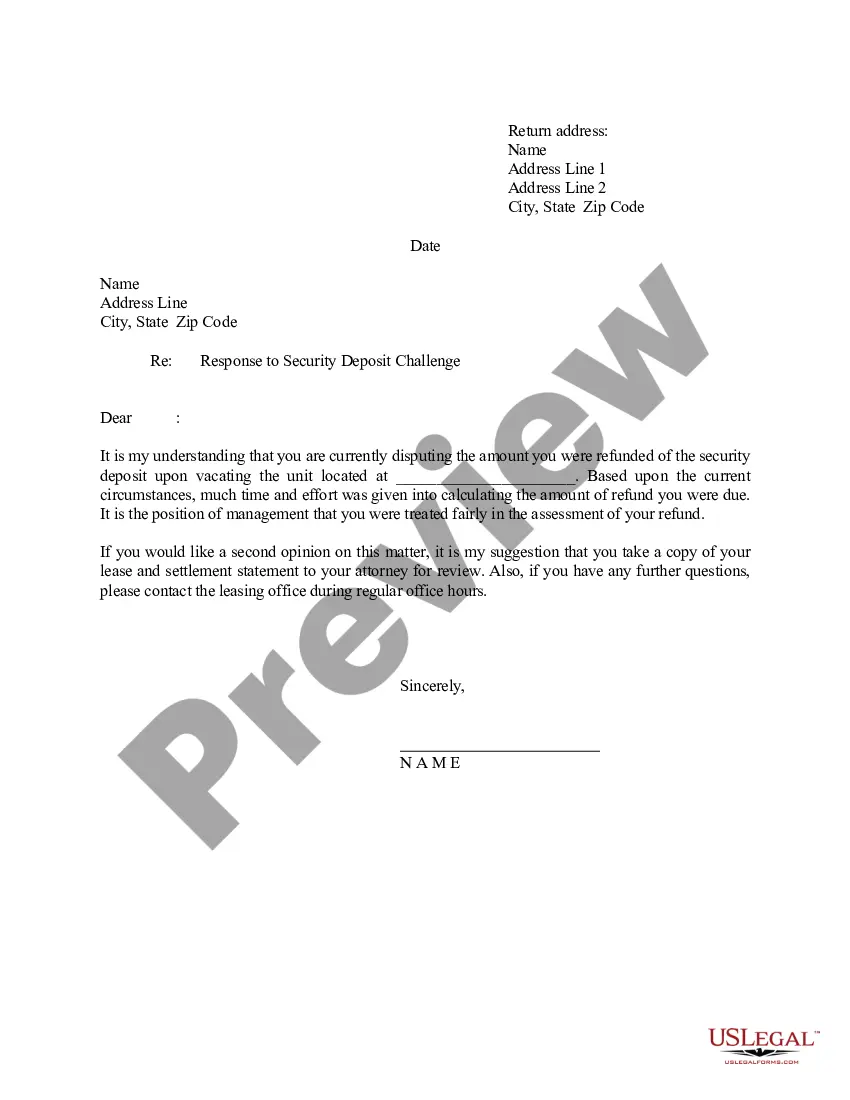
Get your form ready online
Our built-in tools help you complete, sign, share, and store your documents in one place.
Make edits, fill in missing information, and update formatting in US Legal Forms—just like you would in MS Word.
Download a copy, print it, send it by email, or mail it via USPS—whatever works best for your next step.
Sign and collect signatures with our SignNow integration. Send to multiple recipients, set reminders, and more. Go Premium to unlock E-Sign.
If this form requires notarization, complete it online through a secure video call—no need to meet a notary in person or wait for an appointment.
We protect your documents and personal data by following strict security and privacy standards.

Make edits, fill in missing information, and update formatting in US Legal Forms—just like you would in MS Word.

Download a copy, print it, send it by email, or mail it via USPS—whatever works best for your next step.

Sign and collect signatures with our SignNow integration. Send to multiple recipients, set reminders, and more. Go Premium to unlock E-Sign.

If this form requires notarization, complete it online through a secure video call—no need to meet a notary in person or wait for an appointment.

We protect your documents and personal data by following strict security and privacy standards.
Looking for another form?
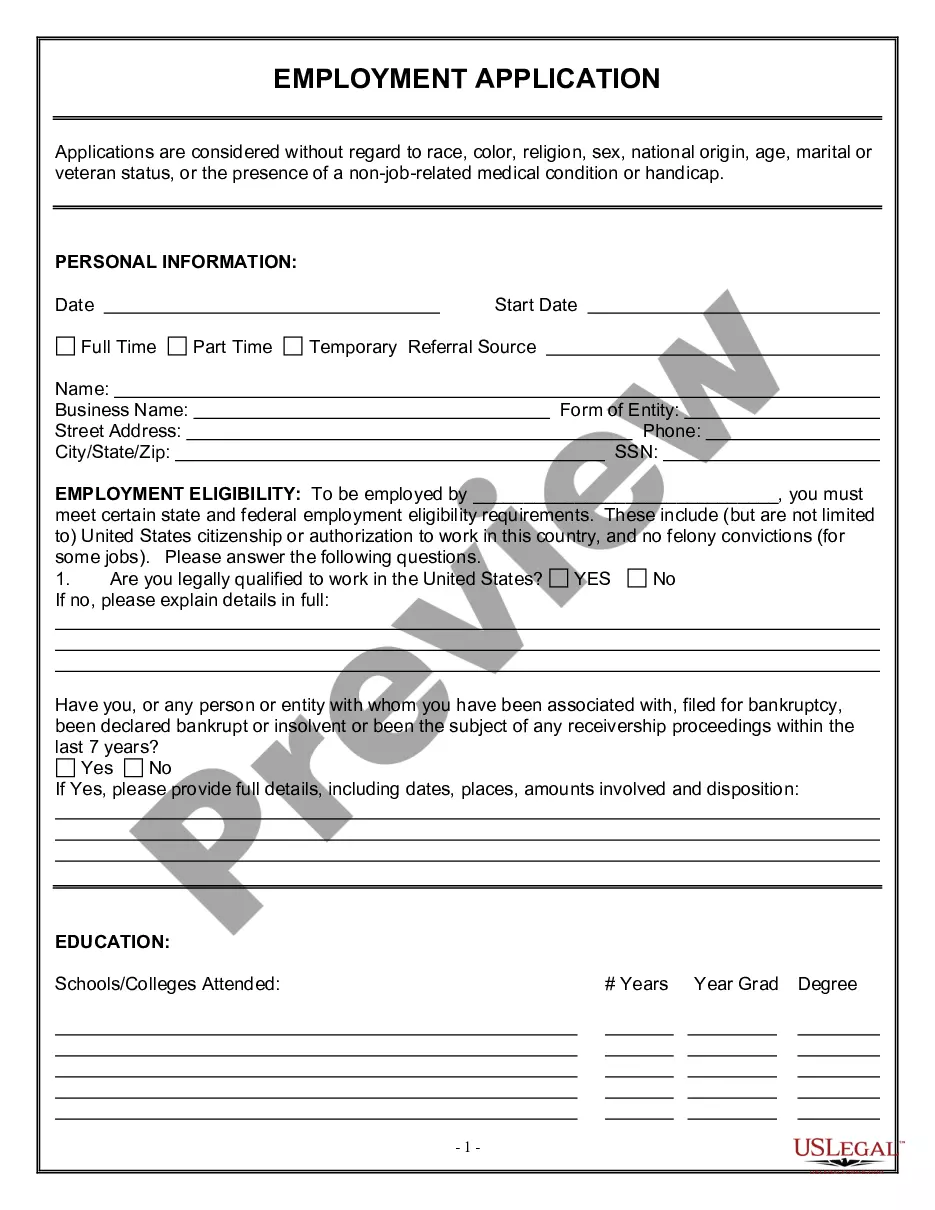



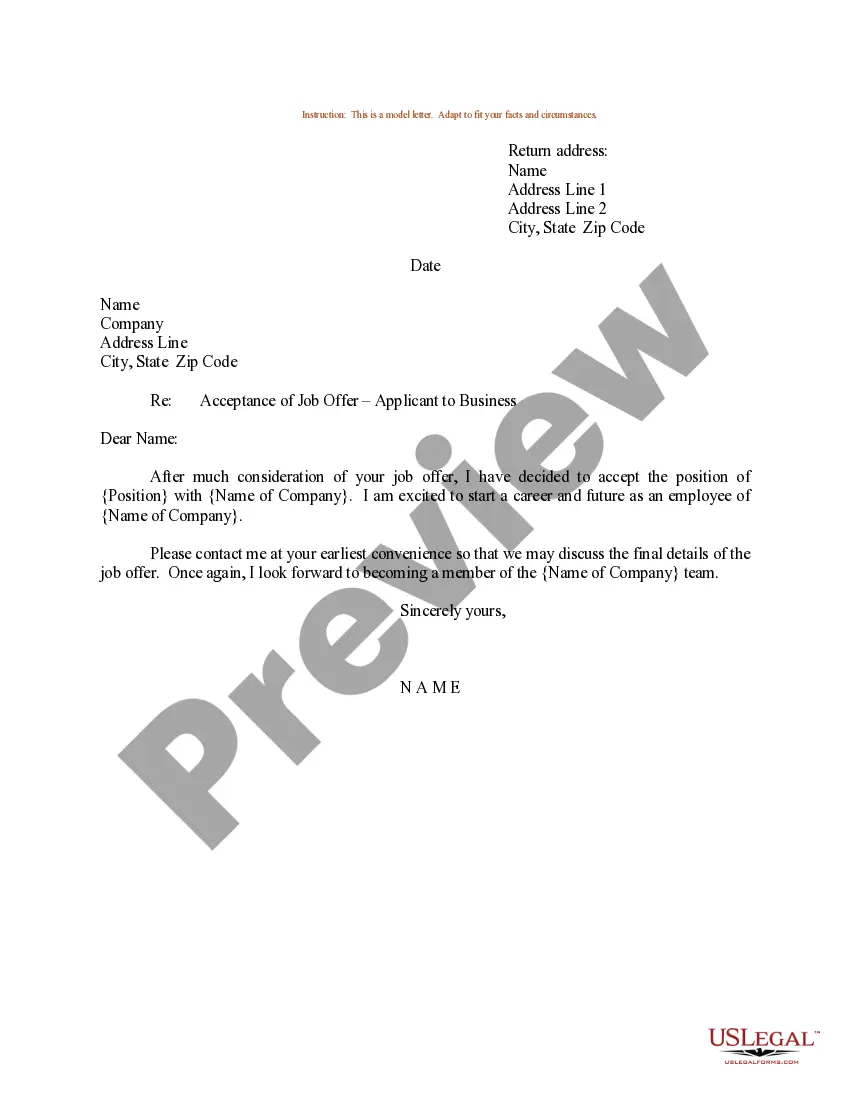





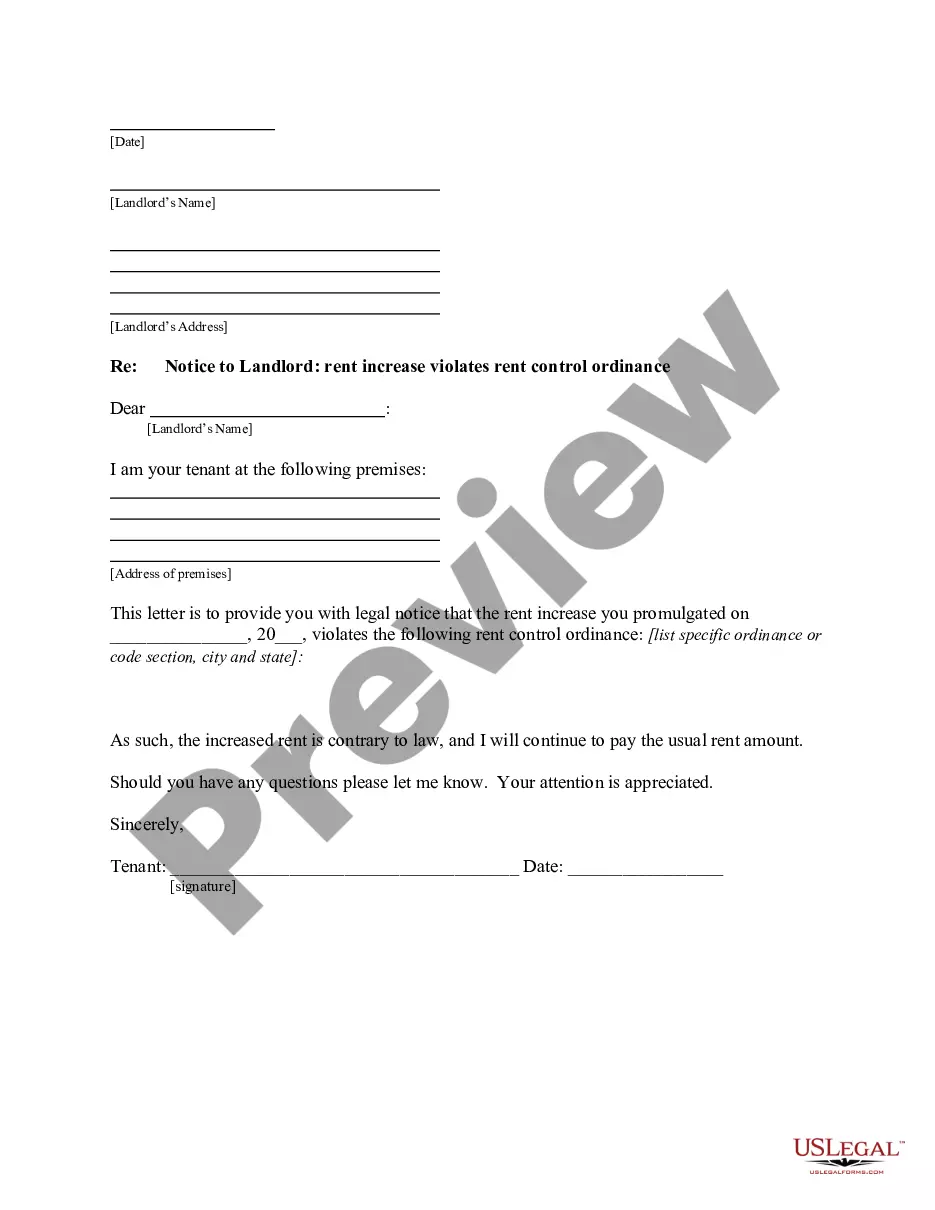
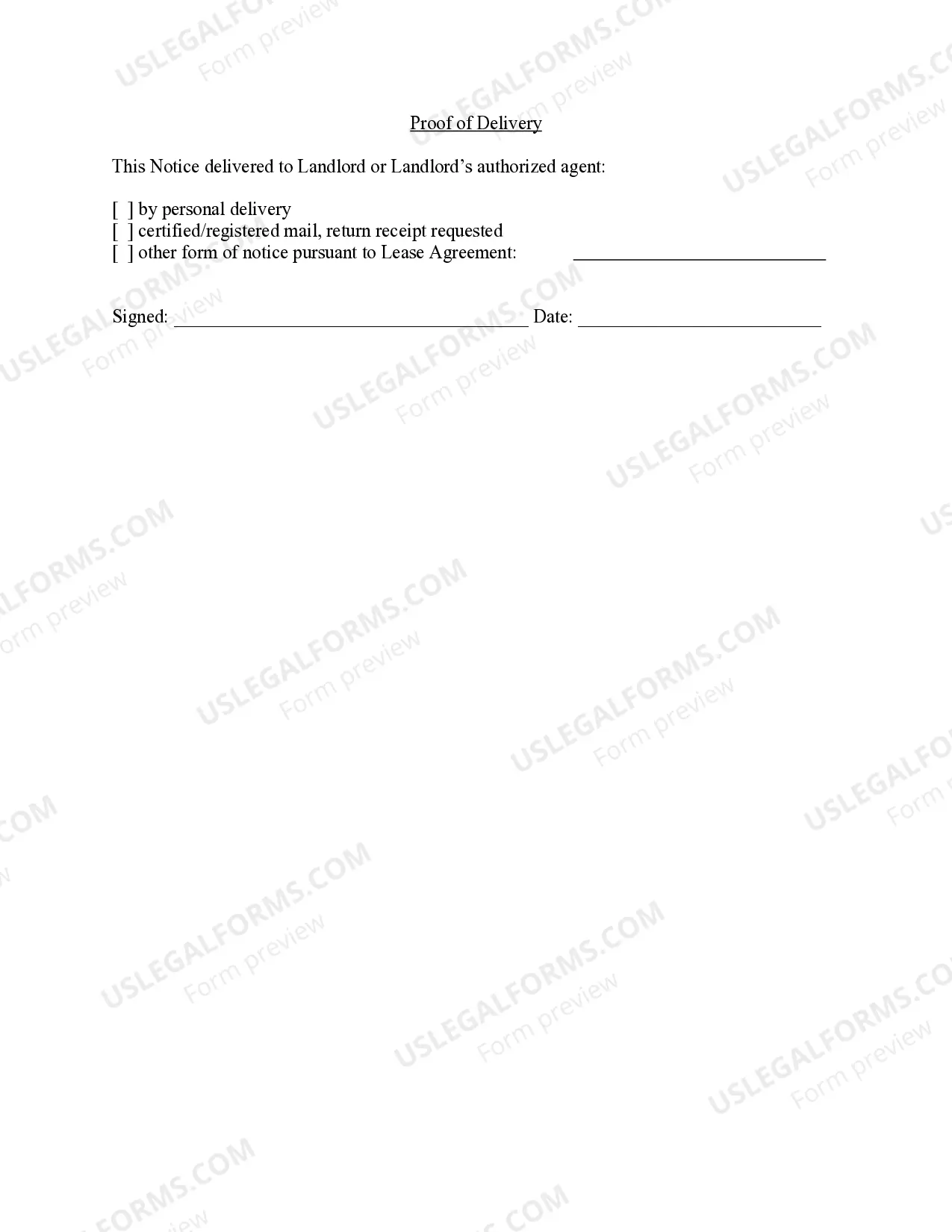
How to fill out Louisiana Letter From Tenant To Landlord Containing Notice To Landlord To Withdraw Improper Rent Increase Due To Violation Of Rent Control Ordinance?
- Log into your existing US Legal Forms account if you're a returning user, and ensure your subscription is active. Download the necessary form by clicking the Download button.
- For new users, start by browsing the Preview mode and reviewing the form description to confirm it meets your specific needs and complies with local regulations.
- Should you need an alternative template, utilize the Search feature to find a more suitable document. If you locate a better option, proceed accordingly.
- To purchase the document, select the Buy Now button and choose your desired subscription plan. You’ll need to create an account to access the full library.
- Complete your purchase by entering your payment information, whether it be credit card details or through PayPal.
- Finally, download the completed form to your device and access it anytime from the My Forms section of your account.
US Legal Forms offers an extensive library with over 85,000 fillable legal forms, making it easier for users to find the right document. With a larger selection than many competitors and access to premium experts for form completion, your legal needs are supported with precision.
Take charge of your legal documentation today! Visit US Legal Forms to explore the vast resources available and simplify your legal processes.
Form popularity
FAQ
While Florida does not impose a cap on rent increases, landlords must notify tenants of any increase per the terms outlined in their lease. Generally, proper notice is required, often ranging from 30 to 60 days, depending on the rental agreement type. By staying informed about the proper procedures, landlords can ensure compliance with the improper rent ordinance for apartments.
Landlords in Florida must adhere to various regulations to protect tenant rights. They cannot unjustly evict tenants, refuse to address serious maintenance issues, or discriminate based on race, gender, or other protected categories. Awareness of these key points can help avoid breaches of the improper rent ordinance for apartments.
In Florida, there is no statewide limit on how much a landlord can raise rent, but they must provide sufficient notice. This varies based on whether a tenant has a lease agreement or is on a month-to-month rental agreement. It's vital to understand the implications of rent hikes in relation to the improper rent ordinance for apartments.
The 83.53 law in Florida outlines specific rental agreements and tenant rights concerning lease agreements. This law provides clarity regarding rental payments, maintenance responsibilities, and tenant protections. Familiarizing yourself with this law can help landlords and tenants prevent conflicts related to the improper rent ordinance for apartments.
Recent changes in Florida landlord-tenant laws focus on transparency and fairness. These rules include clearer guidelines about rental agreements, security deposits, and eviction processes. Landlords should familiarize themselves with these updates to avoid violating the improper rent ordinance for apartments.
In Florida, a landlord cannot engage in actions deemed to violate tenant rights. This includes refusing to make necessary repairs, retaliating against tenants for complaints, or evicting them without proper cause. Understanding the improper rent ordinance for apartments is essential for both tenants and landlords to ensure compliance and avoid legal issues.
Dealing with an unreasonable landlord often starts with effective communication about your concerns. Document your exchanges and any incidents that may relate to improper rent ordinances for apartments. If discussions fail, seeking assistance from tenant rights organizations can provide clarity and support in resolving disputes.
The most significant beneficiaries of rent control are low- and moderate-income tenants who need stable housing expenses. This system can help maintain community diversity and prevent displacement. However, it's essential to be aware of the possible implications of improper rent ordinances for apartments, which may affect the tenants' rights.
Filling out an apartment inspection form requires attention to detail. Start by noting any existing issues such as leaks or damages. If you face challenges understanding the proper format or requirements, UsLegalForms offers guidance to help you navigate improper rent ordinances for apartments effectively.
You can advocate for lower rent by documenting your rental history and current market rates in your area. Engage with local tenant organizations for support and resources. Additionally, if you suspect an improper rent ordinance for apartments is affecting your situation, legal options may be available through platforms like UsLegalForms.