How Do You Respond To A Rent Increase Letter
Description
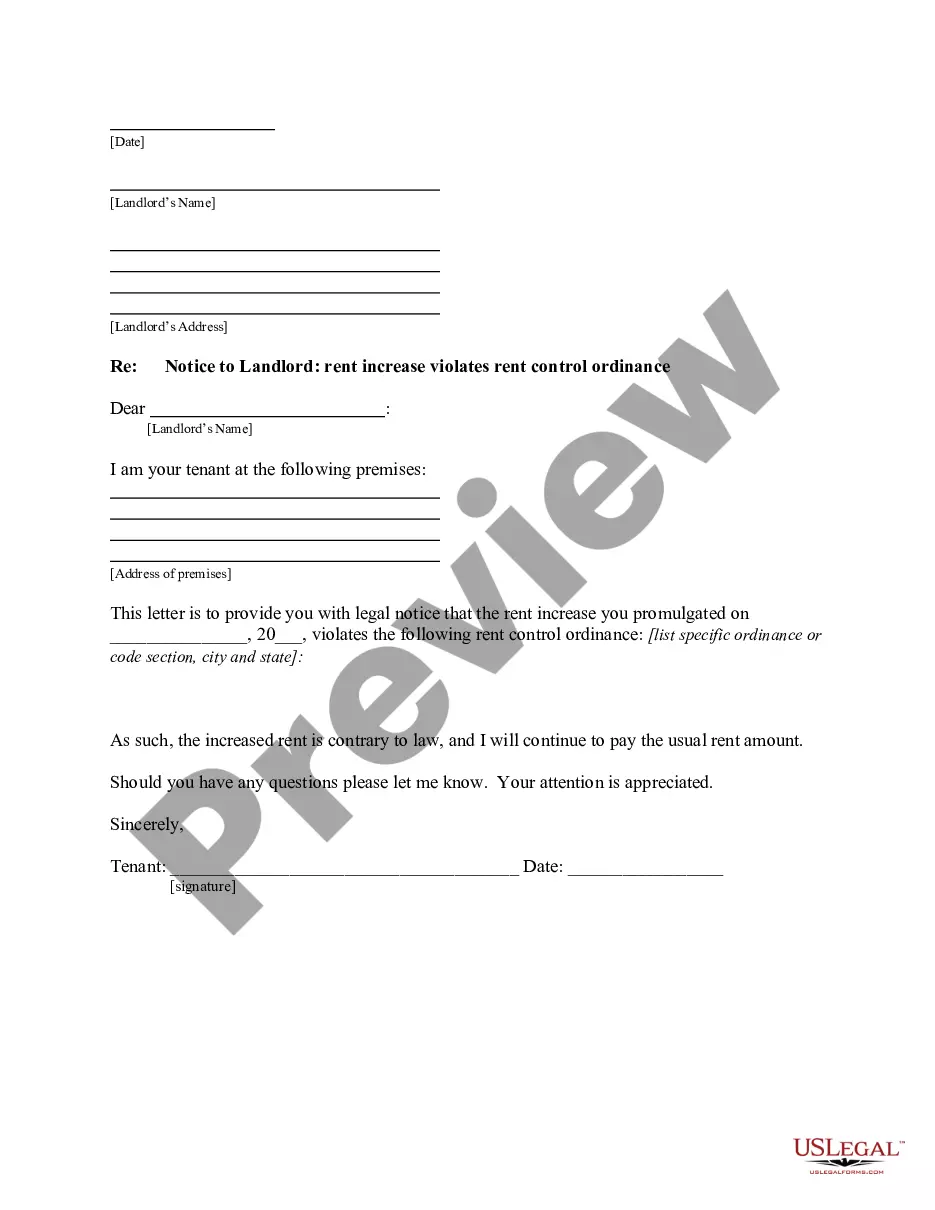
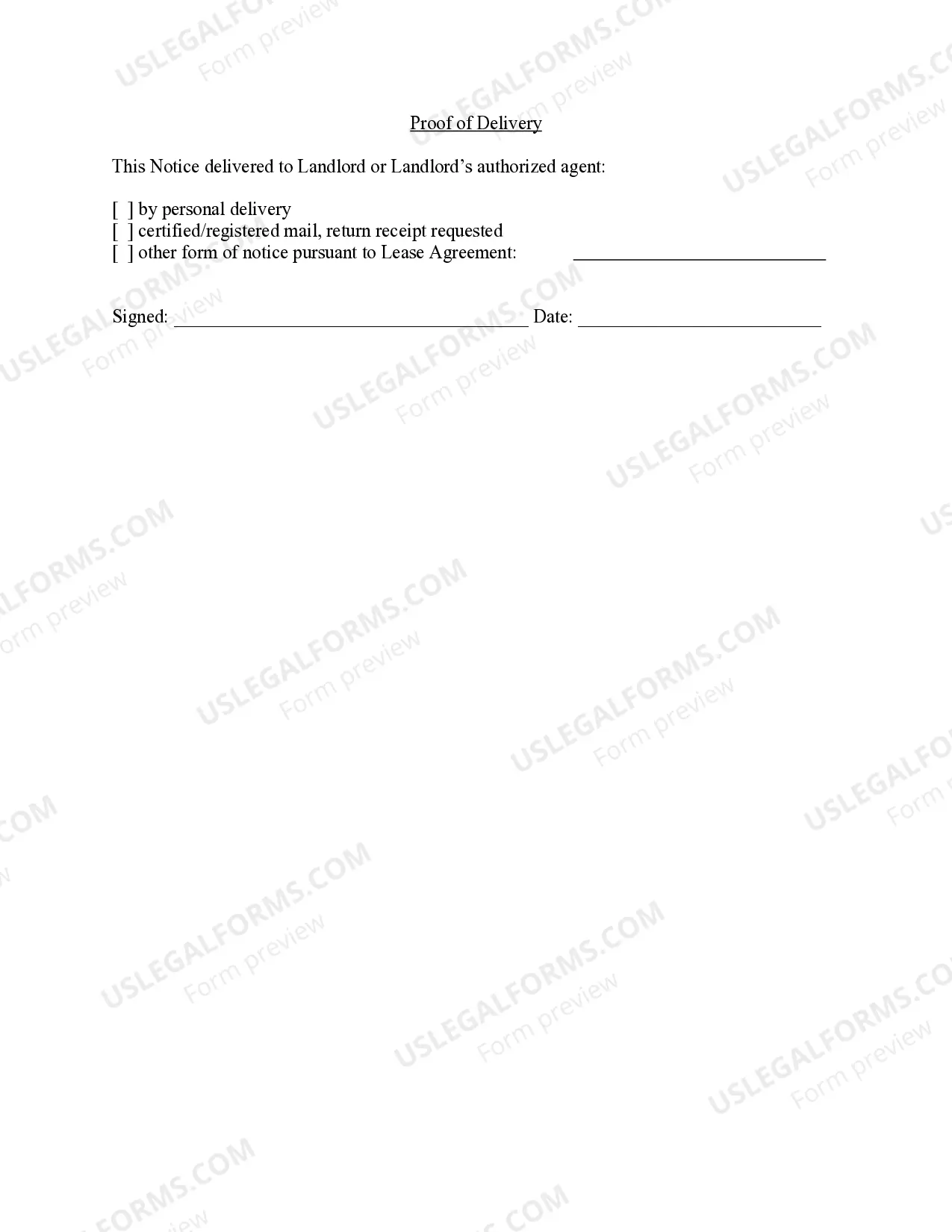

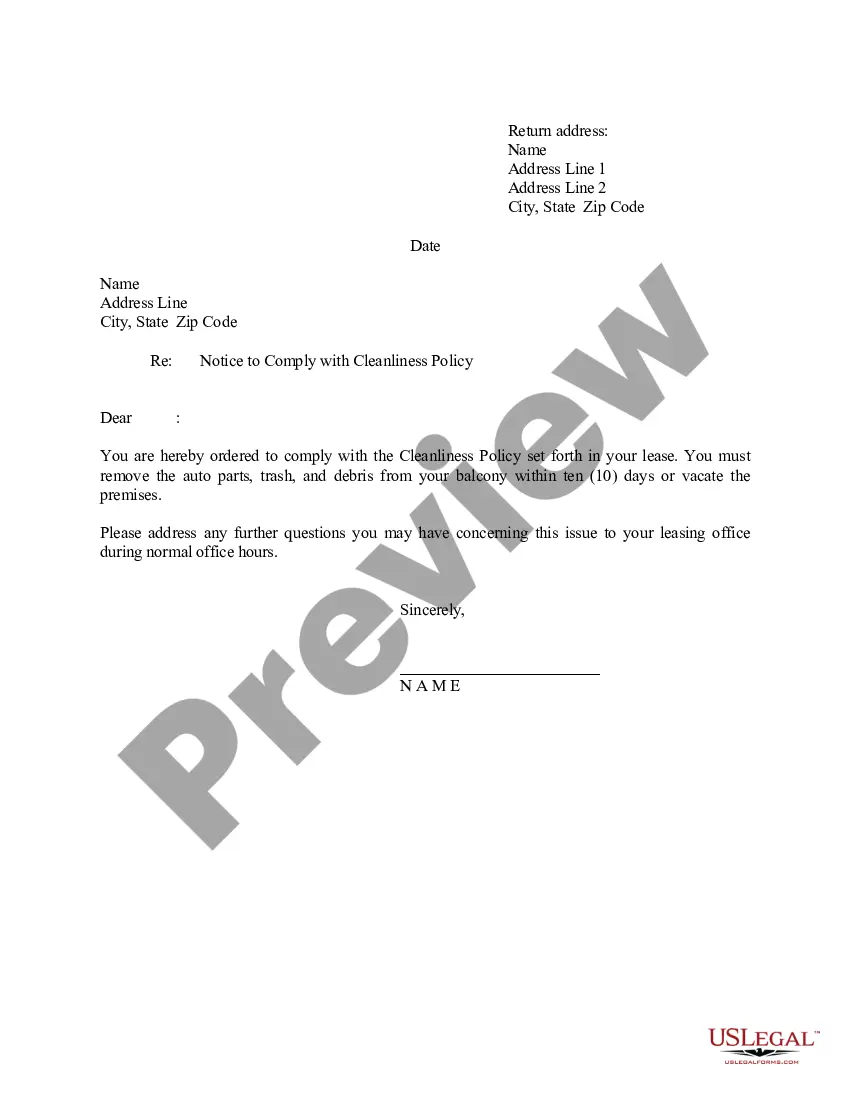
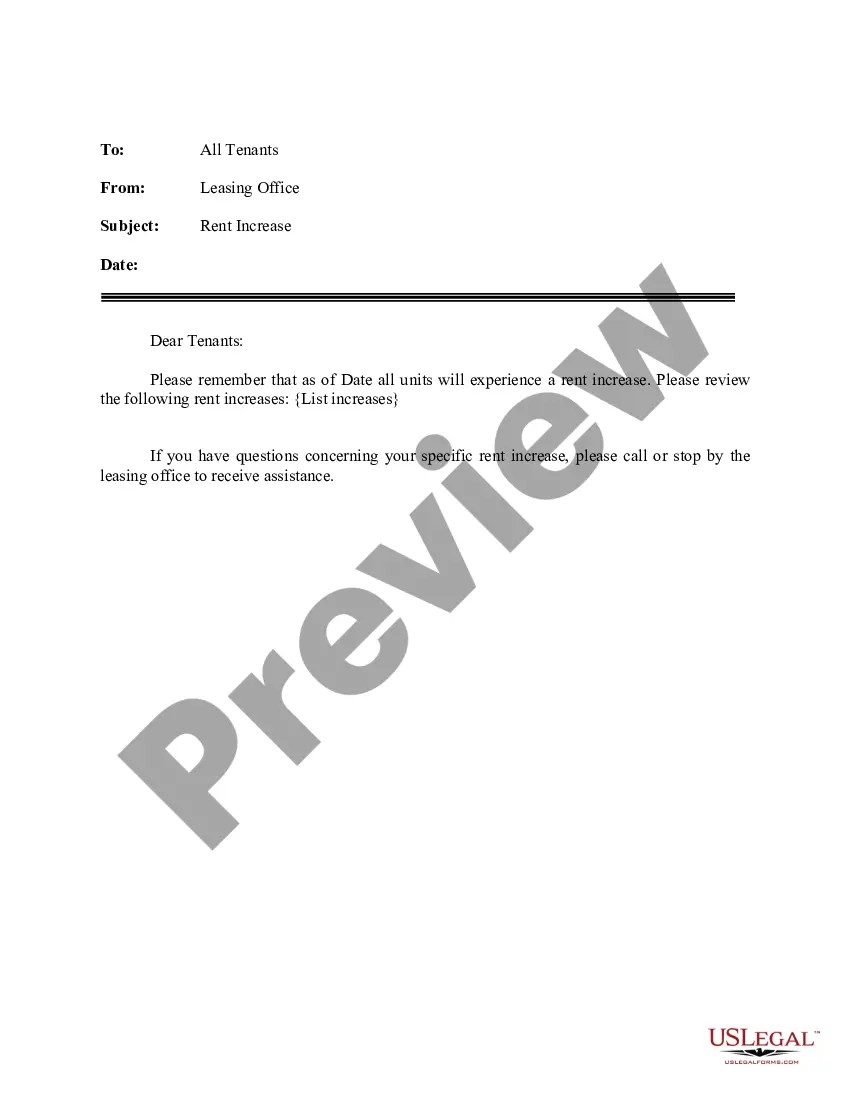
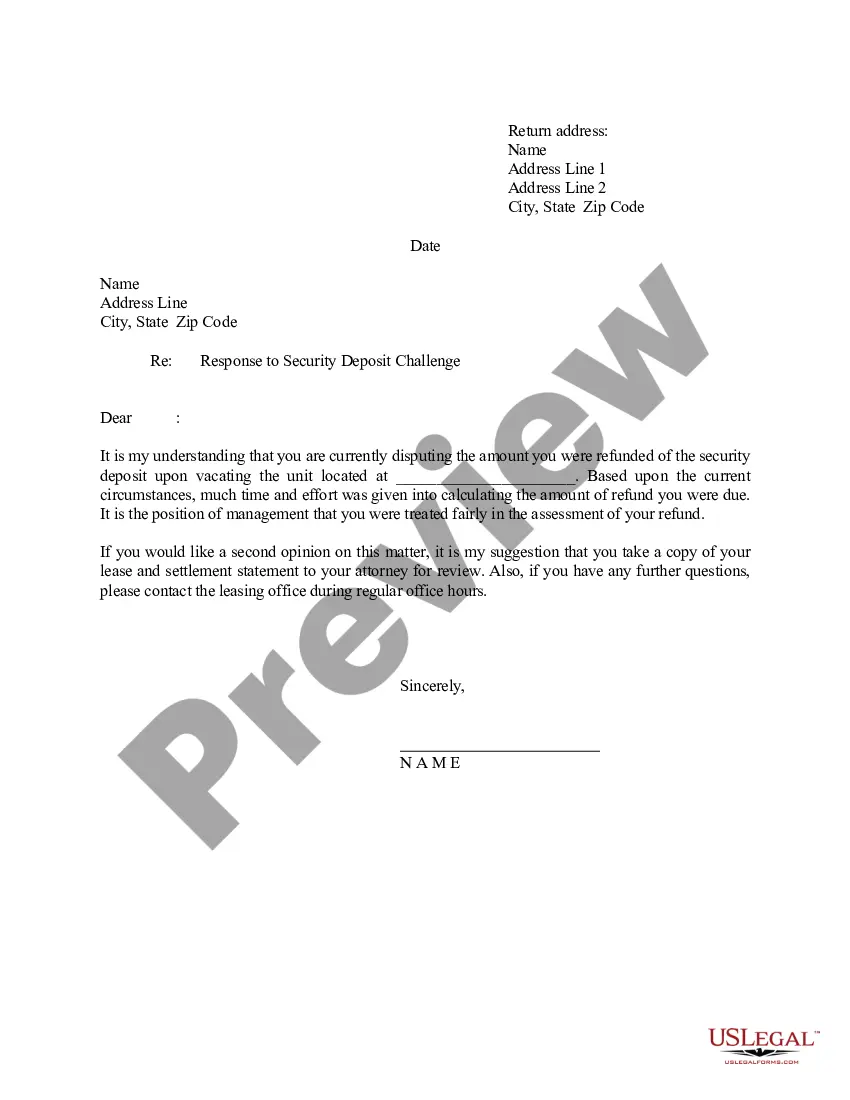
Get your form ready online
Our built-in tools help you complete, sign, share, and store your documents in one place.
Make edits, fill in missing information, and update formatting in US Legal Forms—just like you would in MS Word.
Download a copy, print it, send it by email, or mail it via USPS—whatever works best for your next step.
Sign and collect signatures with our SignNow integration. Send to multiple recipients, set reminders, and more. Go Premium to unlock E-Sign.
If this form requires notarization, complete it online through a secure video call—no need to meet a notary in person or wait for an appointment.
We protect your documents and personal data by following strict security and privacy standards.

Make edits, fill in missing information, and update formatting in US Legal Forms—just like you would in MS Word.

Download a copy, print it, send it by email, or mail it via USPS—whatever works best for your next step.

Sign and collect signatures with our SignNow integration. Send to multiple recipients, set reminders, and more. Go Premium to unlock E-Sign.

If this form requires notarization, complete it online through a secure video call—no need to meet a notary in person or wait for an appointment.

We protect your documents and personal data by following strict security and privacy standards.
Looking for another form?









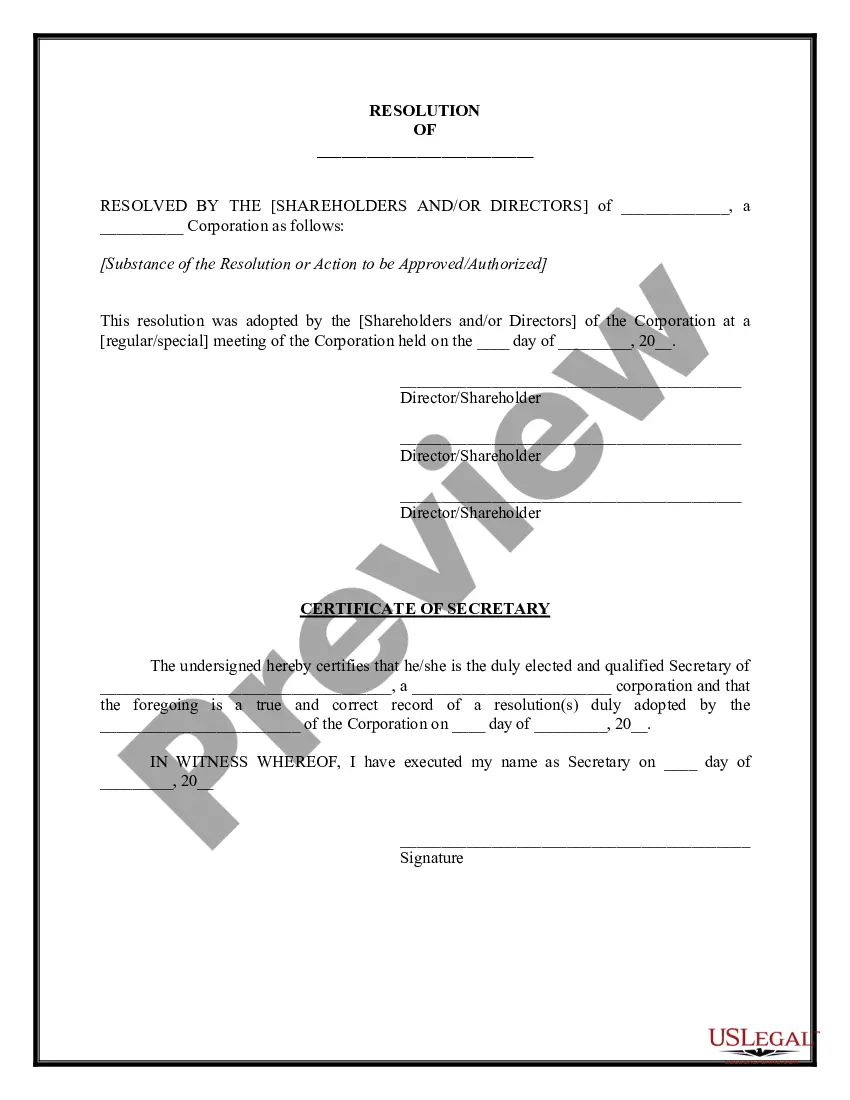
How to fill out Louisiana Letter From Tenant To Landlord Containing Notice To Landlord To Withdraw Improper Rent Increase Due To Violation Of Rent Control Ordinance?
- Log in to your US Legal Forms account if you're a returning user and download the form template you need by clicking the 'Download' button. Check that your subscription is active; if not, renew it based on your payment plan.
- For first-time users, begin by exploring the form preview and description to verify that you've selected the correct template that aligns with your local jurisdiction requirements.
- If you need to find another template, utilize the search bar to locate the right document. Confirm it meets your needs and proceed to the next step.
- Purchase the document by clicking the 'Buy Now' button and selecting a subscription plan that suits you. Registration for an account is necessary to access the library's resources.
- Complete your purchase by entering your credit card information or using PayPal for payment.
- Download your completed form and save it to your device. You can access it later via the 'My Forms' menu in your profile.
By following these steps, you can respond effectively to a rent increase letter and ensure that your legal rights are respected.
Don't hesitate—experience the convenience of US Legal Forms today and secure your peace of mind in legal matters!
Form popularity
FAQ
The maximum rent increase a landlord can implement is influenced by local laws and lease agreements. Many jurisdictions have adopted rules that restrict how much rent can increase annually. Understanding this is crucial, especially when you are drafting a response. If you are wondering how do you respond to a rent increase letter, US Legal Forms has tools that can help you respond confidently and legally.
The maximum amount a landlord can raise the rent often depends on state law and whether the property is subject to rent control. In cities with rent control, there are specific caps that limit the increase percentage. If you are uncertain about your situation, knowing how do you respond to a rent increase letter can provide clarity and help you navigate the process. US Legal Forms offers documents that can assist you in responding appropriately.
In New Jersey, rent increases are generally regulated by local laws. A landlord can raise the rent, but the amount varies depending on the lease terms and local ordinances. If you receive a rent increase letter, it’s important to understand your rights and how do you respond to a rent increase letter effectively. You may want to contact local housing authorities for guidance or explore resources from US Legal Forms.
The maximum amount a landlord can raise rent usually depends on state and local regulations, which vary widely. Some areas might impose limits on annual rent increases, while others have no caps at all. It's important to research your local laws for specifics. Familiarizing yourself with this information can help you prepare a strong response to a rent increase letter when necessary.
When crafting a response to your landlord's rent increase letter, keep it formal and courteous. Start with a clear acknowledgment of their notification and state your position regarding the increase. You may attach evidence of market rates or personal circumstances that justify your request for reconsideration. An effective way to respond to a rent increase letter can make a significant difference in your negotiation.
The maximum rent increase allowed varies by state and local laws, so it's essential to check the regulations applicable to your area. Some jurisdictions have rent control measures that cap increases at a specific percentage. Understanding your rights will equip you with the knowledge you need to address a rent increase letter effectively. Know the rules to respond appropriately and assertively.
Negotiating against a rent increase involves preparation and open dialogue with your landlord. Start by researching rental prices in your neighborhood to understand the fair market value. Clearly present this information when discussing the proposed increase, and be prepared to suggest a more reasonable amount. Knowing how to respond to a rent increase letter can help you approach this conversation confidently.
To dispute a rent increase letter, begin by reviewing your lease agreement and local rental laws. Document any relevant information regarding your current rent and market rates. Next, communicate directly with your landlord, either verbally or in writing, to share your dispute and negotiate. Being well-informed on how to respond to a rent increase letter will strengthen your position.
When you receive a rent increase letter, the first step is to understand the specifics of the increase. To effectively rebuttal, gather information about comparable rents in your area to support your case. You can then write a respectful letter to your landlord outlining your findings and expressing your concerns. By presenting your arguments clearly, you can create a solid response to a rent increase letter.
In California, specific laws restrict how much rent can be increased within a year. Generally, a landlord cannot raise rent more than 10% unless there are specific circumstances that allow for a higher increase. If you find yourself dealing with a rent increase, knowing how to respond to a rent increase letter can help you navigate the situation. Consider using platforms like USLegalForms to draft a proper response and protect your rights.