Tenant Landlord Failure For Lease
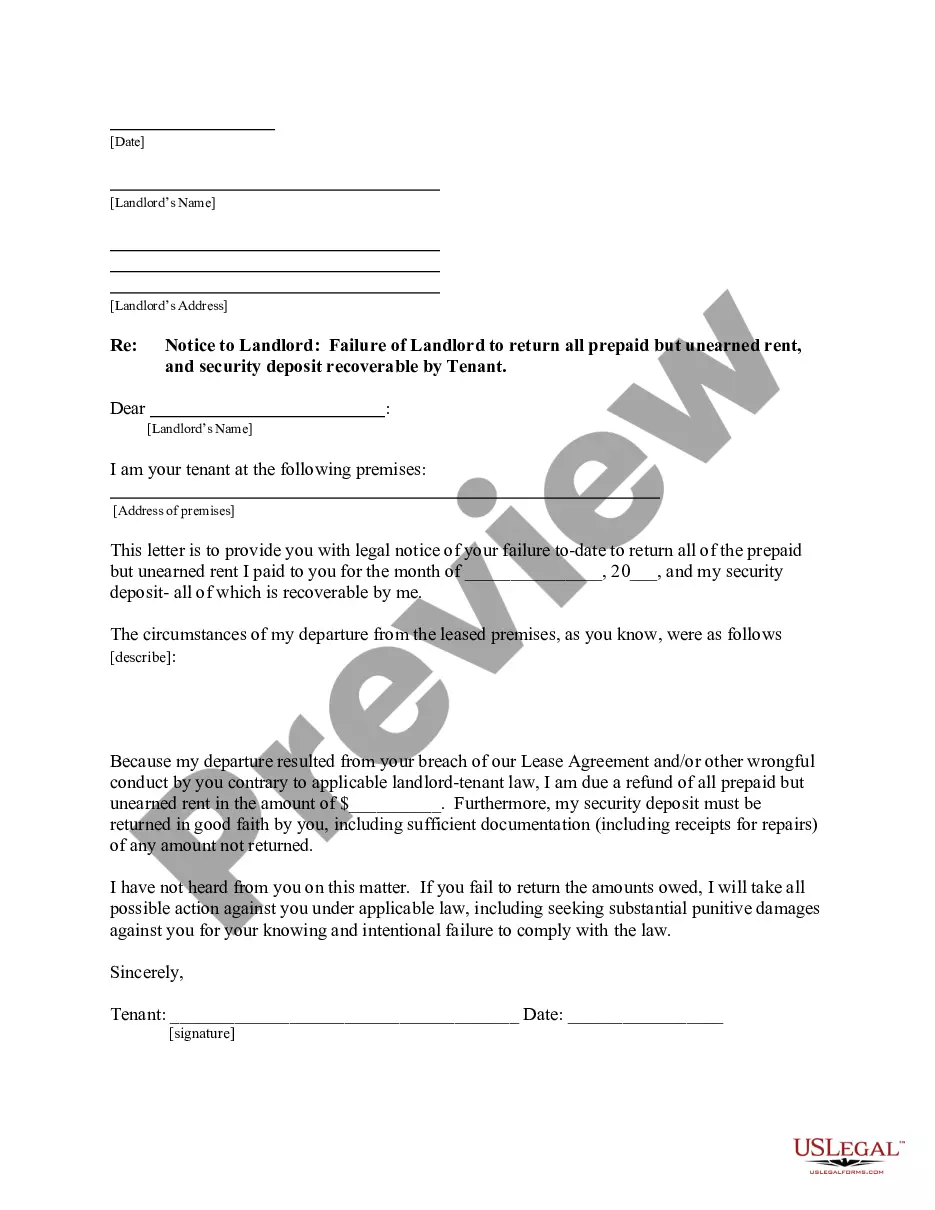
Description
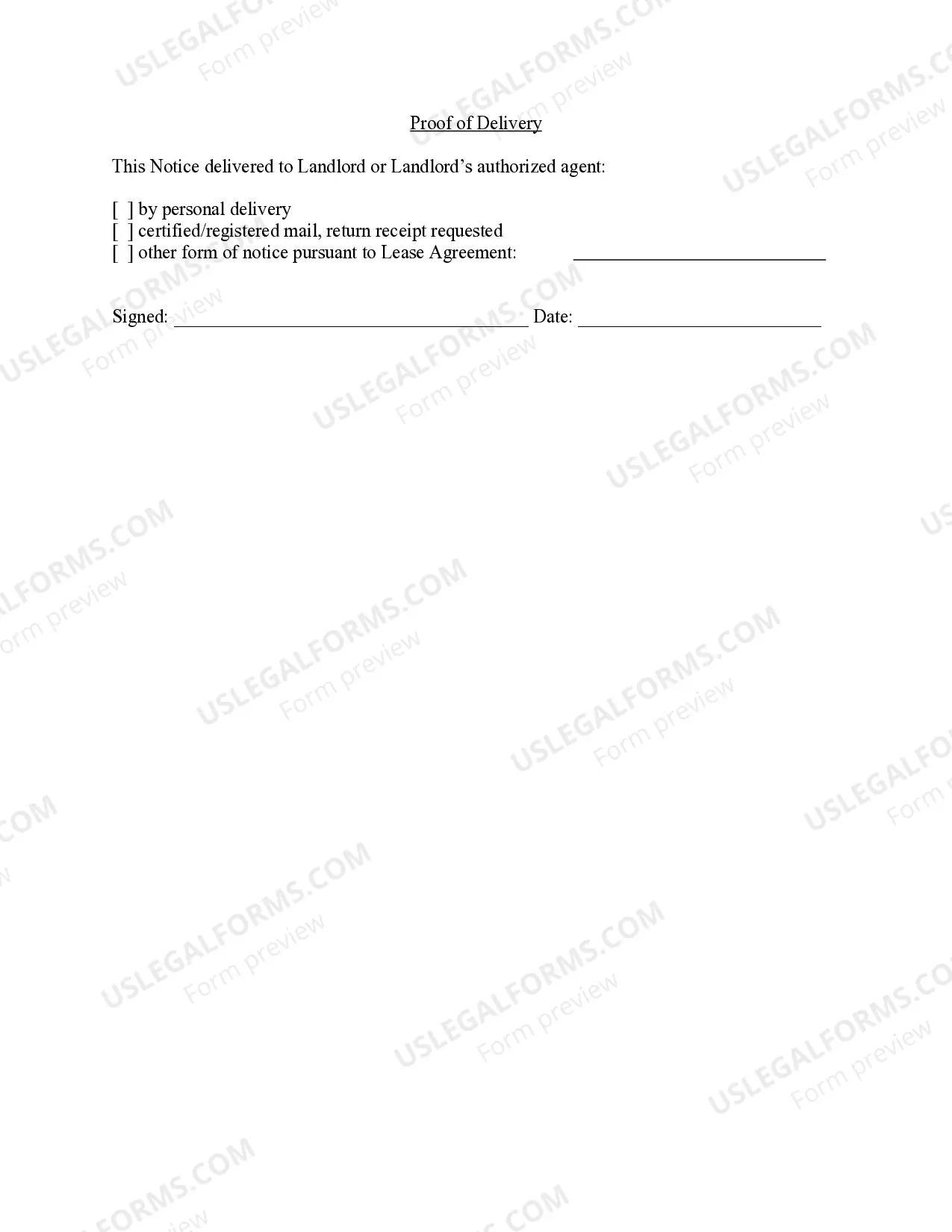


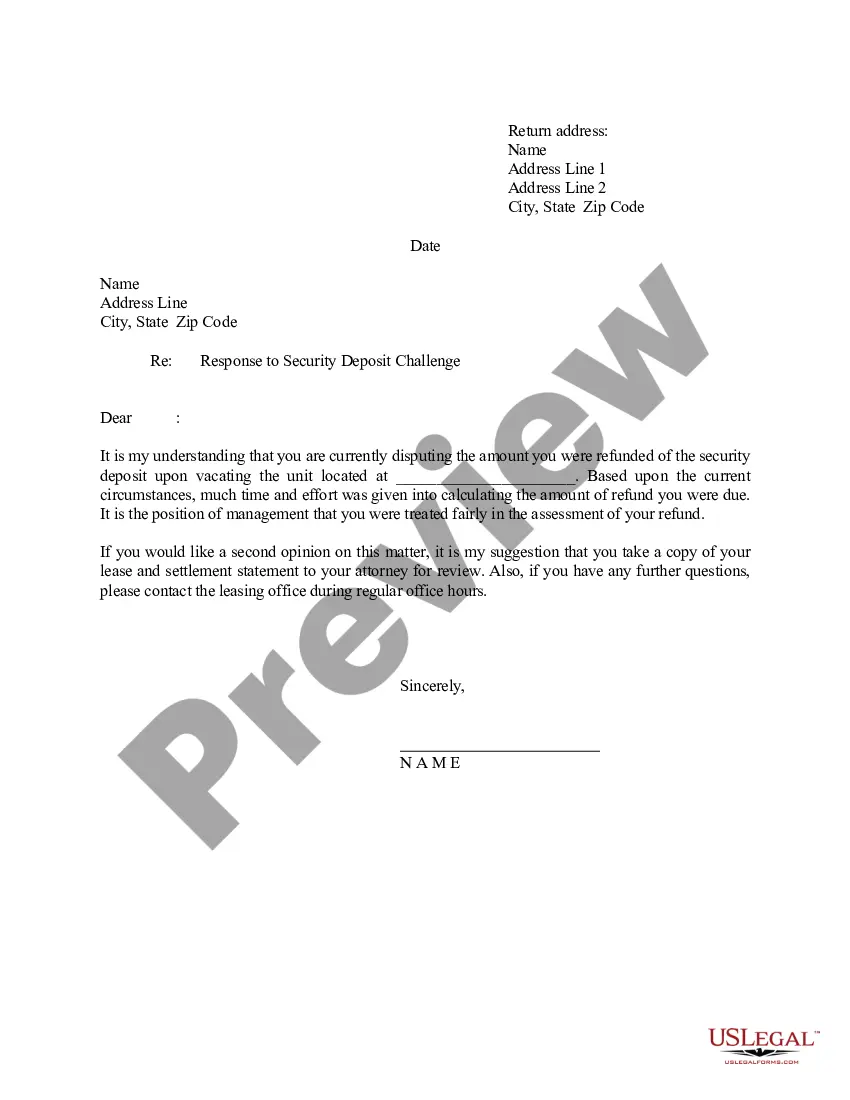

Get your form ready online
Our built-in tools help you complete, sign, share, and store your documents in one place.
Make edits, fill in missing information, and update formatting in US Legal Forms—just like you would in MS Word.
Download a copy, print it, send it by email, or mail it via USPS—whatever works best for your next step.
Sign and collect signatures with our SignNow integration. Send to multiple recipients, set reminders, and more. Go Premium to unlock E-Sign.
If this form requires notarization, complete it online through a secure video call—no need to meet a notary in person or wait for an appointment.
We protect your documents and personal data by following strict security and privacy standards.

Make edits, fill in missing information, and update formatting in US Legal Forms—just like you would in MS Word.

Download a copy, print it, send it by email, or mail it via USPS—whatever works best for your next step.

Sign and collect signatures with our SignNow integration. Send to multiple recipients, set reminders, and more. Go Premium to unlock E-Sign.

If this form requires notarization, complete it online through a secure video call—no need to meet a notary in person or wait for an appointment.

We protect your documents and personal data by following strict security and privacy standards.
Looking for another form?









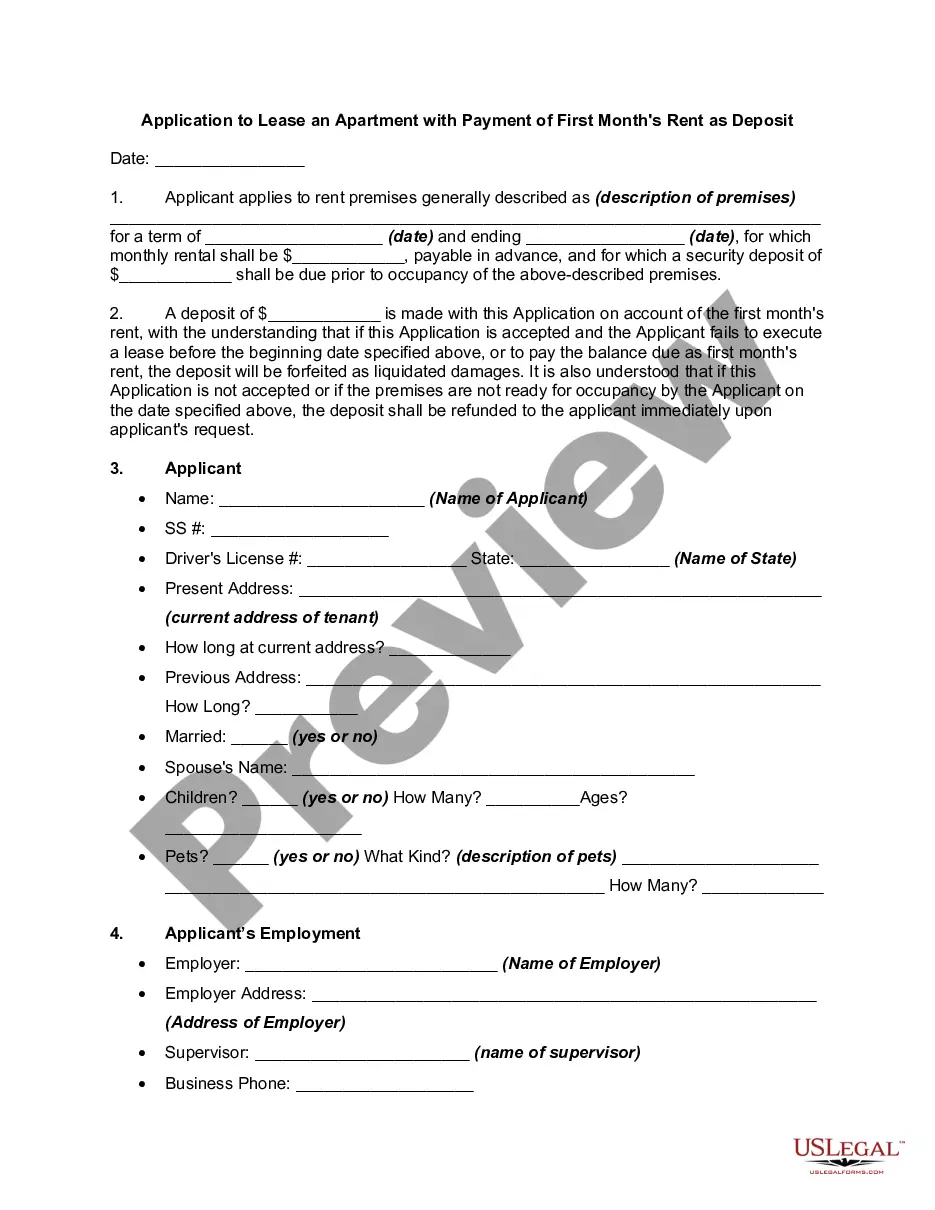
How to fill out Louisiana Letter From Tenant To Landlord For Failure Of Landlord To Return All Prepaid And Unearned Rent And Security Recoverable By Tenant?
- If you're a returning user, log in and access your account to download the desired form template by clicking the Download button. Ensure your subscription is active; renew if necessary.
- For new users, start by exploring the Preview mode and detailed form description to ensure you select the right document that fulfills your specific requirements.
- If you need a different template, utilize the Search tab to locate the correct form that fits your situation. Verify its compliance with your local jurisdiction.
- Once you find the right document, click the Buy Now button and select your preferred subscription plan. You will need to create an account to unlock full access to the library.
- Proceed with your payment by entering your credit card details or using your PayPal account to complete your purchase.
- After purchase, download your form and save it on your device. You can also access it anytime from the My Forms section of your profile.
By using US Legal Forms, you empower yourself with the ability to execute legal documents efficiently and effectively. Their user-friendly platform and vast collection make it simple to find and complete necessary forms.
Start your journey to secure and legally sound leasing agreements today with US Legal Forms!
Form popularity
FAQ
Yes, you can sue your landlord for breaking the lease if the breach is significant and you’ve informed them of the issue. Gather all documents, including correspondence and lease agreements, to strengthen your case. Depending on the situation, you may also be entitled to damages. Consider using USLegalForms to navigate the legal process effectively.
If the landlord breaches the lease, your first step is to inform them of the issue, ideally in writing. Document any evidence of the breach and any communication with the landlord. If the situation doesn’t improve, you may have the option to terminate the lease or seek legal recourse. USLegalForms can assist you in obtaining the necessary forms to pursue your rights.
To terminate a lease early in New York, start by reviewing your lease for any clauses that allow early termination. If a landlord breaches the lease or fails to maintain the rental property, you may have a valid reason to terminate. Communication with the landlord is key, and you should document everything. Platforms like USLegalForms can provide forms to officially communicate your intent.
While it’s not illegal for a landlord to not provide a lease, it can create significant issues. Without a written lease, proving your rights can be challenging in cases of disputes. Landlords should ideally provide a lease to clarify the terms of tenancy. USLegalForms offers templates to formalize lease agreements, preventing misunderstandings.
Yes, you can sue your landlord to get out of your lease under certain conditions. If the landlord has breached significant aspects of the lease, you often have grounds for litigation. Make sure to gather all documentation of the breaches to support your case. Using resources from USLegalForms can help you draft your legal claim.
If a landlord violates the lease agreement, tenants have several rights and options. These include the ability to demand repairs or compensation, or even to terminate the lease in severe cases. Documentation of the landlord's failure is crucial in these situations. Legal platforms like USLegalForms can help you assert your rights effectively.
In New York, the law allows a tenant to terminate a lease under specific circumstances. These can include significant violations by the landlord, like failing to provide essential repairs. It’s essential to document any issues and give the landlord a chance to fix them. For detailed guidance, consider using USLegalForms to access the necessary legal documents.
To write a letter to remove someone from a lease, you should first gather all lease documents and clarify the reasons for the removal. Clearly state the change you want to make and reference any applicable laws regarding tenant landlord failure for lease. Encourage the landlord to respond promptly to facilitate a smoother process for everyone involved.
Landlord negligence pertains to failing responsibilities that affect tenant safety or comfort, often leading to tenant landlord failure for lease disputes. Examples include ignoring safety hazards or not making necessary repairs in a timely manner. If you face such issues, keep thorough records of communication and any incidents to support your claims.
When composing a letter to notify your landlord of your intent to move out earlier than your lease allows, express your desire clearly and include the specific date you plan to vacate. Attach your reasons for leaving and reference any circumstances that align with tenant landlord failure for lease. This approach promotes transparency and may foster goodwill with your landlord.