Limited Liability Company Llc Uk
Description
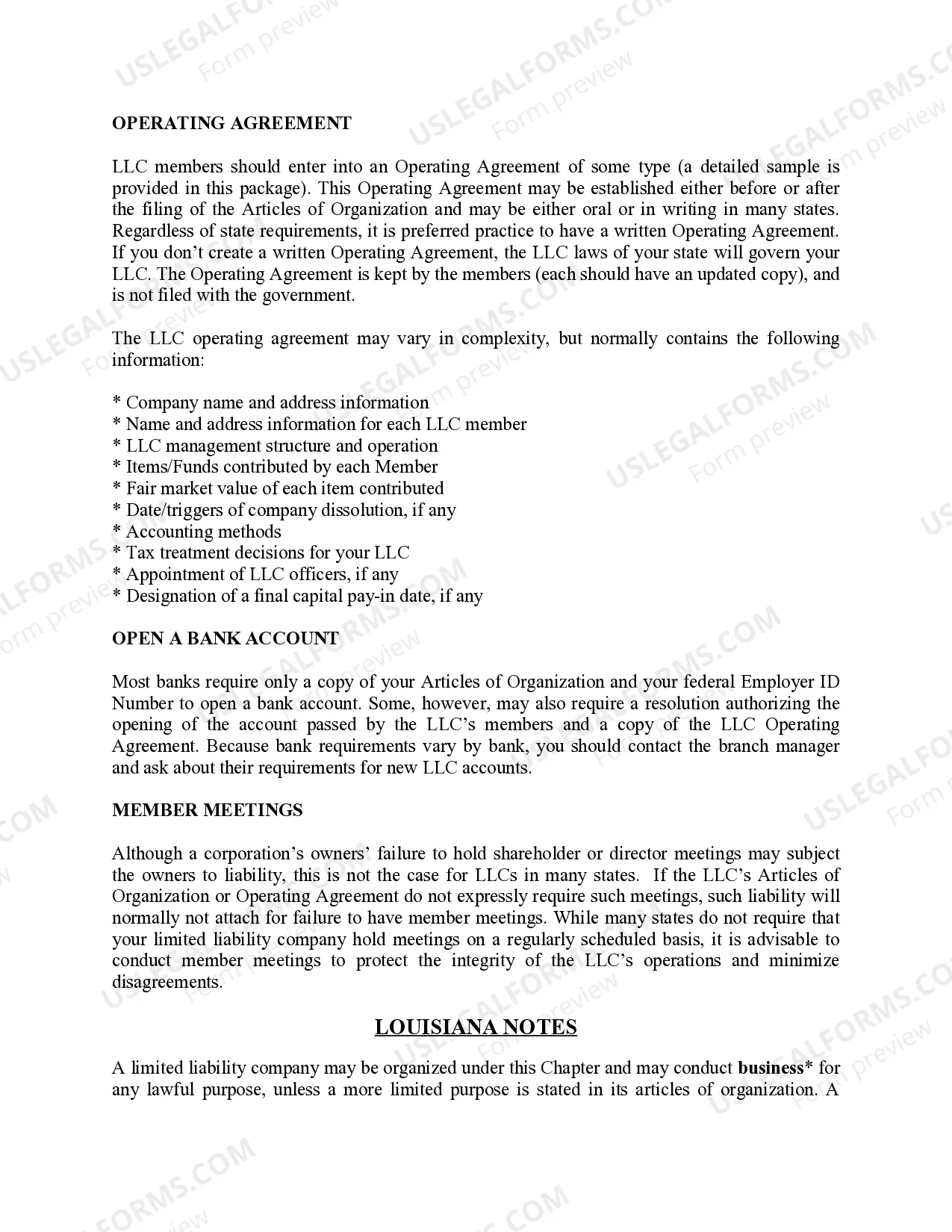
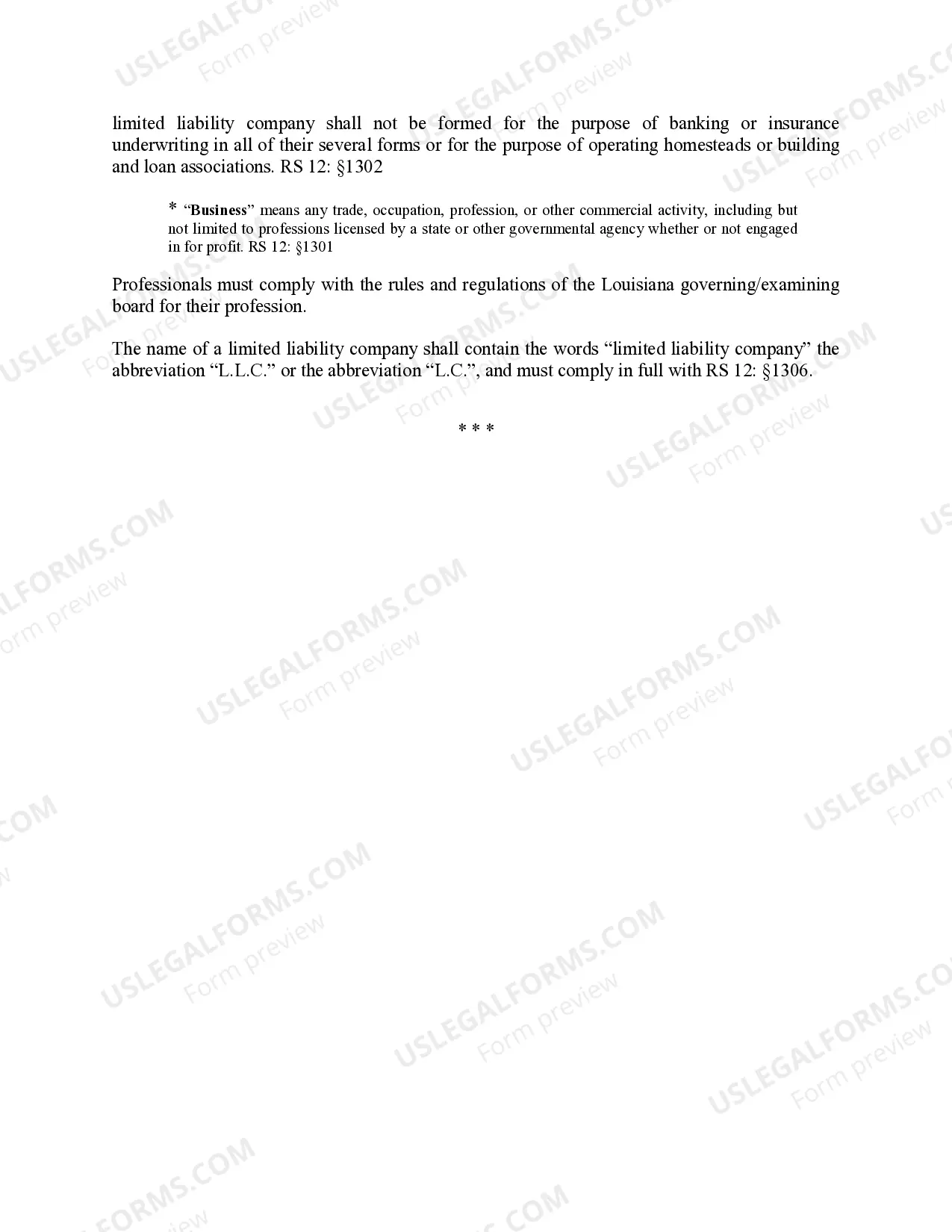
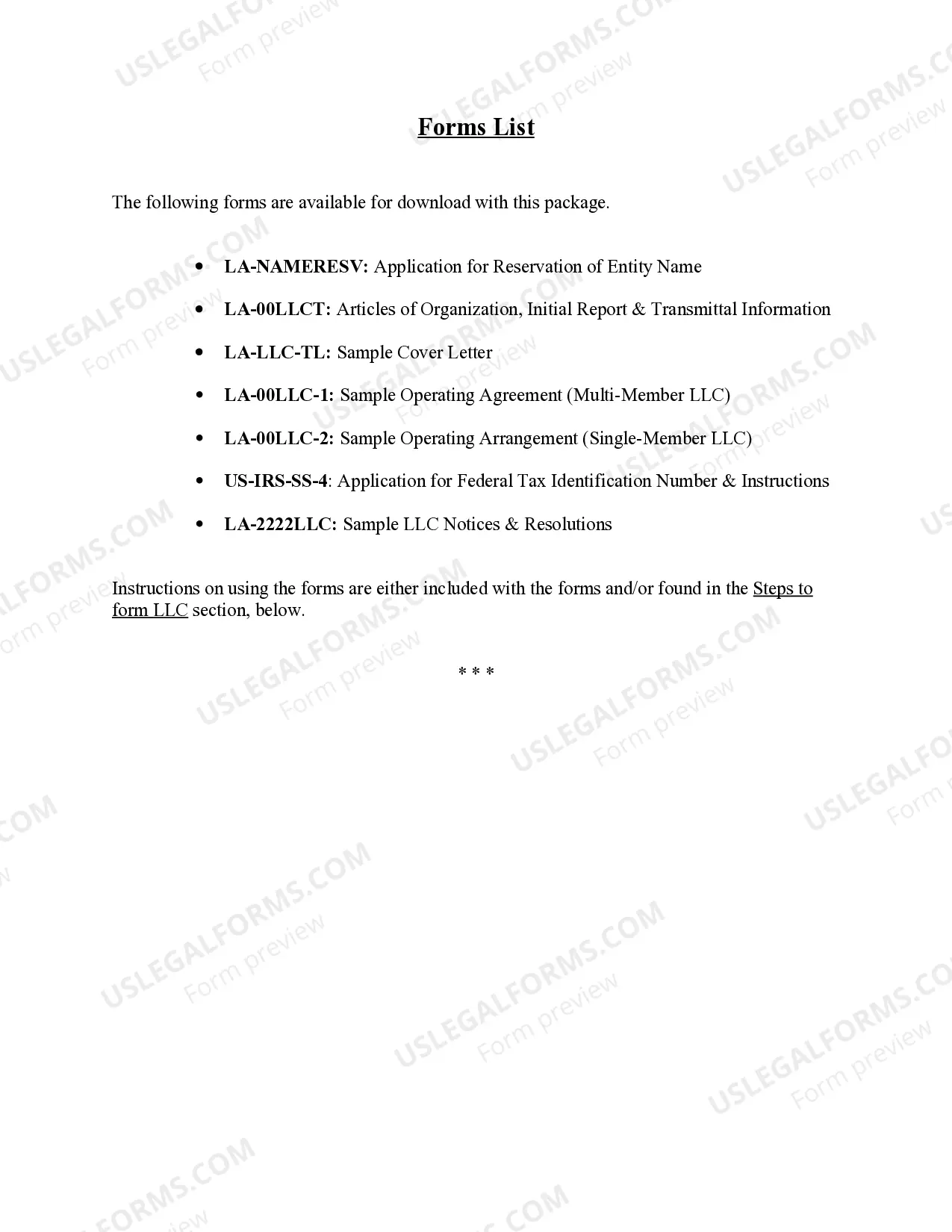
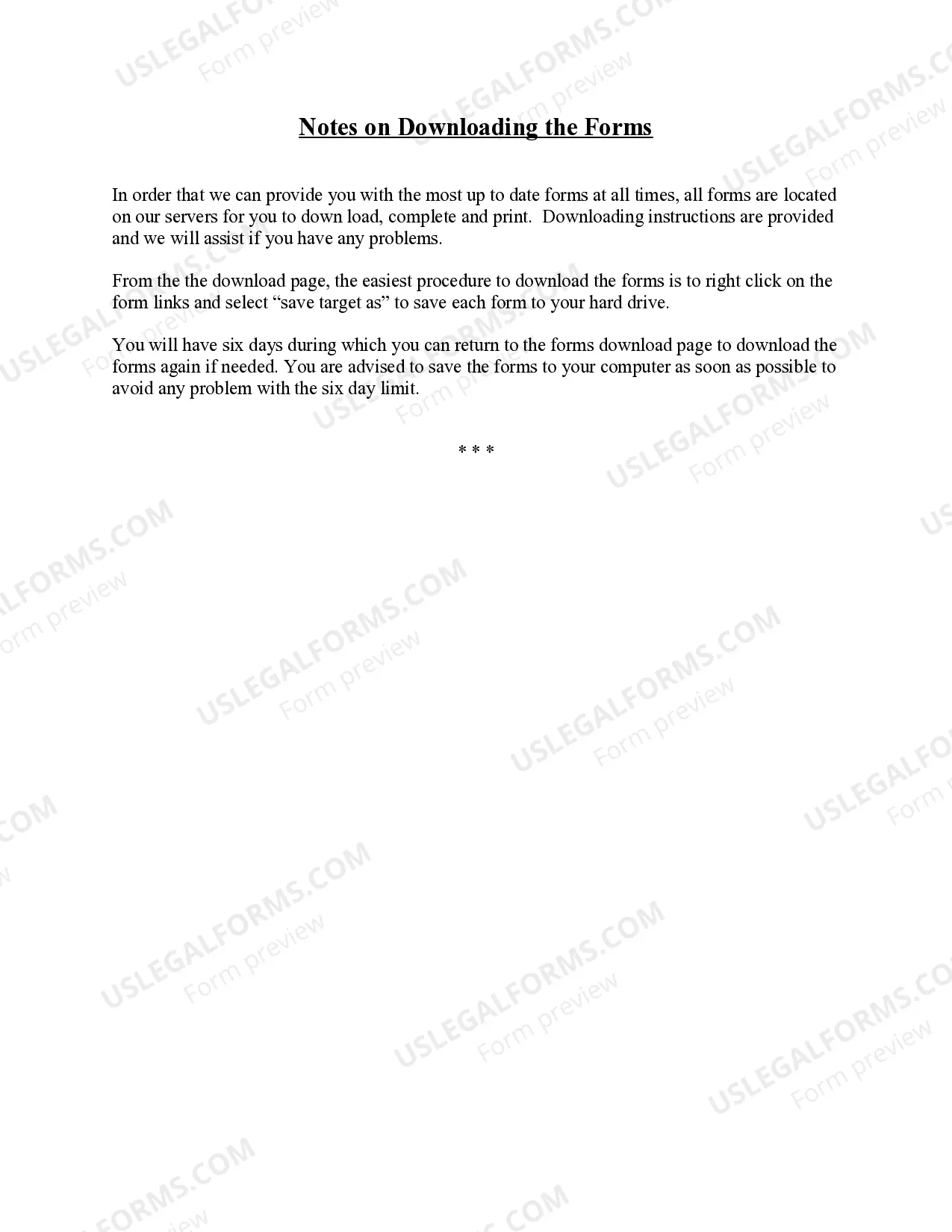
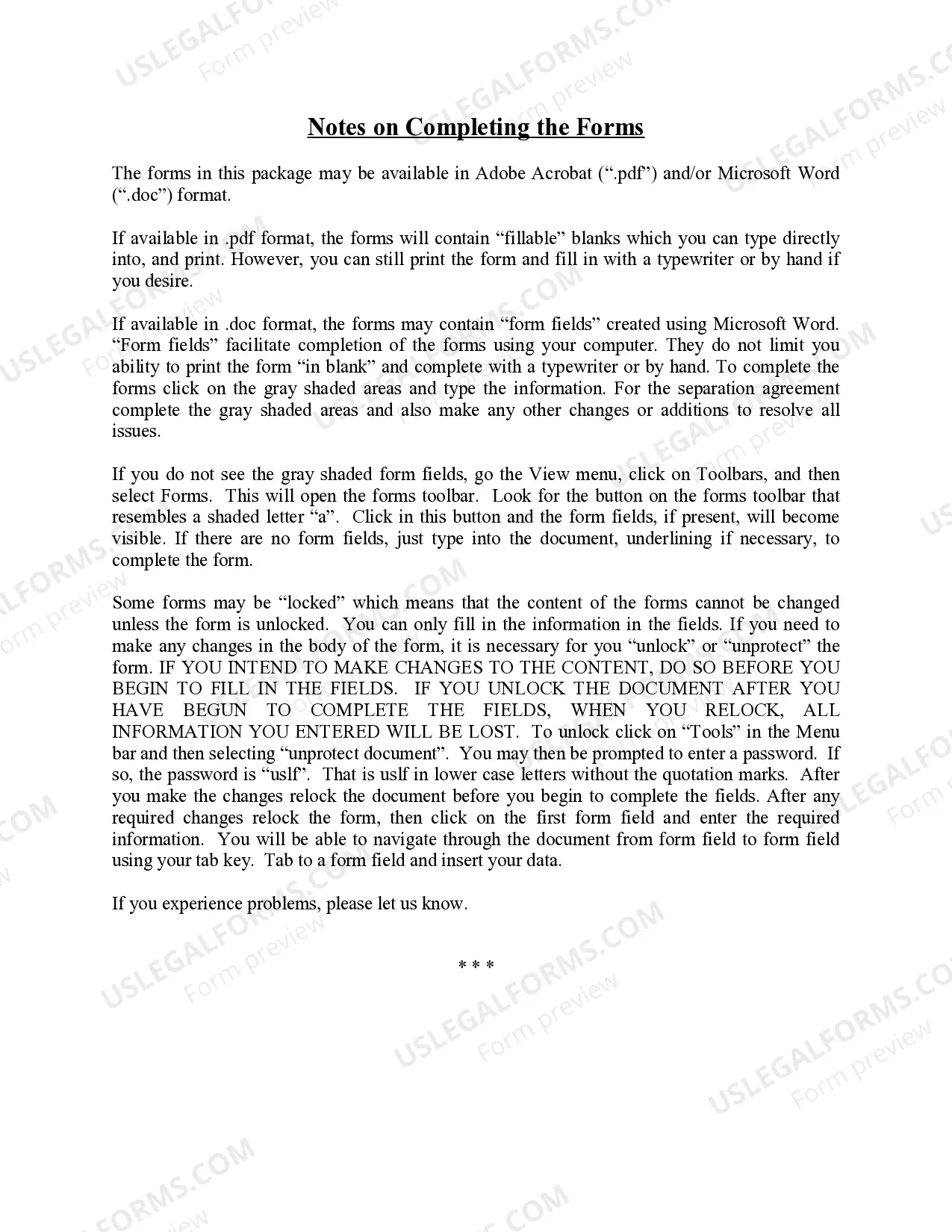
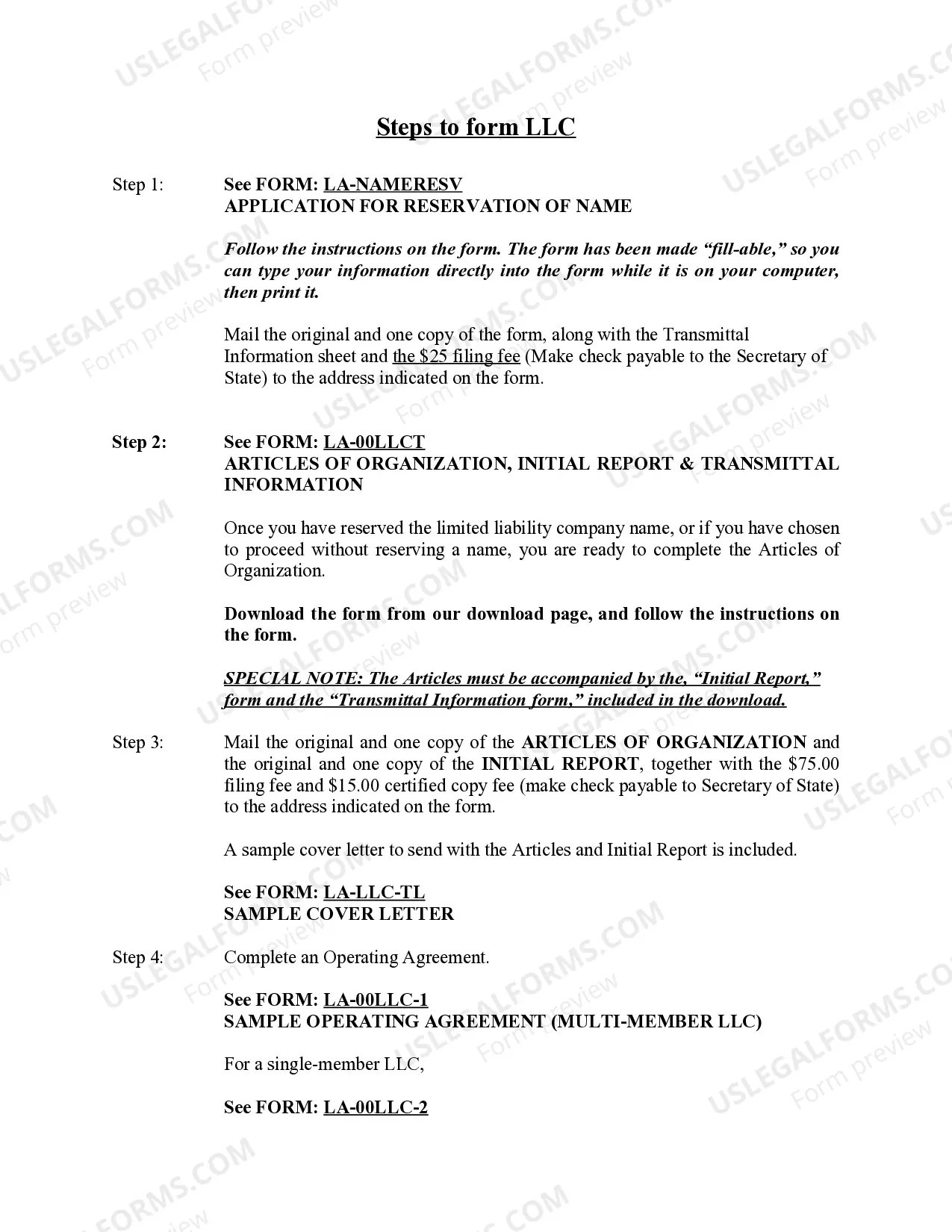

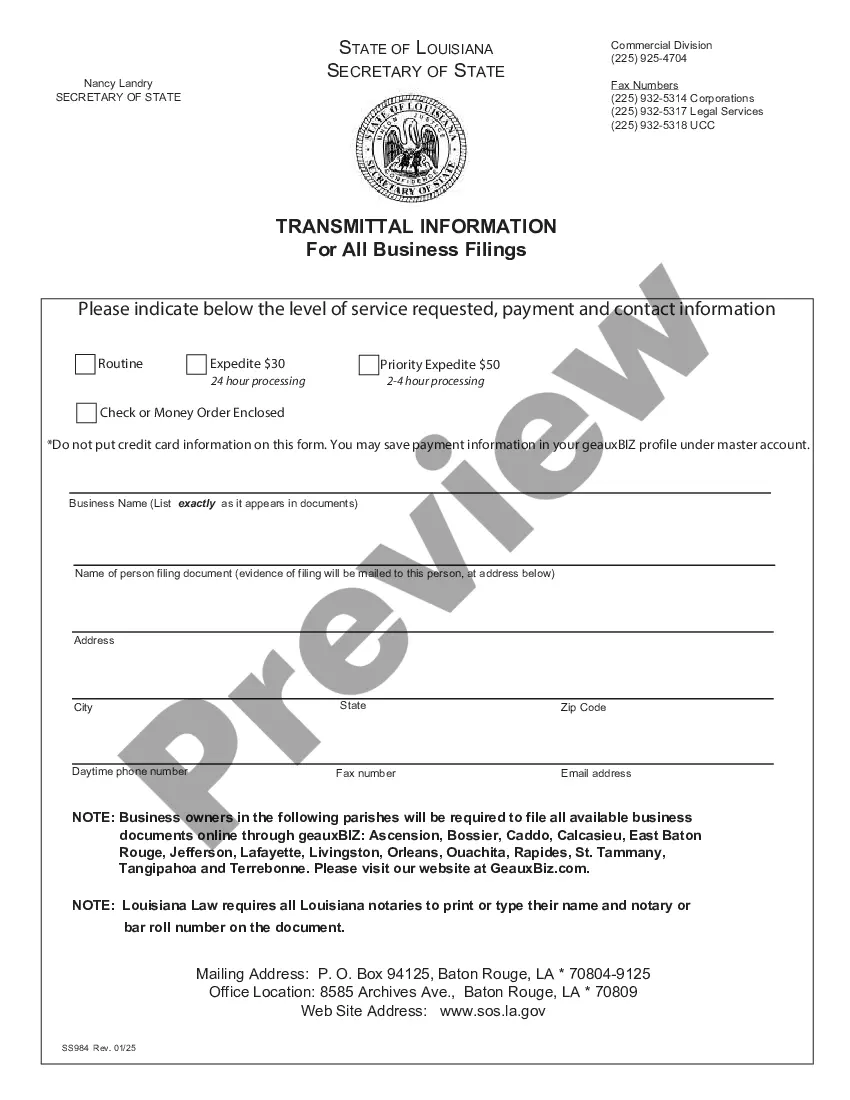
Get your form ready online
Our built-in tools help you complete, sign, share, and store your documents in one place.
Make edits, fill in missing information, and update formatting in US Legal Forms—just like you would in MS Word.
Download a copy, print it, send it by email, or mail it via USPS—whatever works best for your next step.
Sign and collect signatures with our SignNow integration. Send to multiple recipients, set reminders, and more. Go Premium to unlock E-Sign.
If this form requires notarization, complete it online through a secure video call—no need to meet a notary in person or wait for an appointment.
We protect your documents and personal data by following strict security and privacy standards.

Make edits, fill in missing information, and update formatting in US Legal Forms—just like you would in MS Word.

Download a copy, print it, send it by email, or mail it via USPS—whatever works best for your next step.

Sign and collect signatures with our SignNow integration. Send to multiple recipients, set reminders, and more. Go Premium to unlock E-Sign.

If this form requires notarization, complete it online through a secure video call—no need to meet a notary in person or wait for an appointment.

We protect your documents and personal data by following strict security and privacy standards.
Looking for another form?










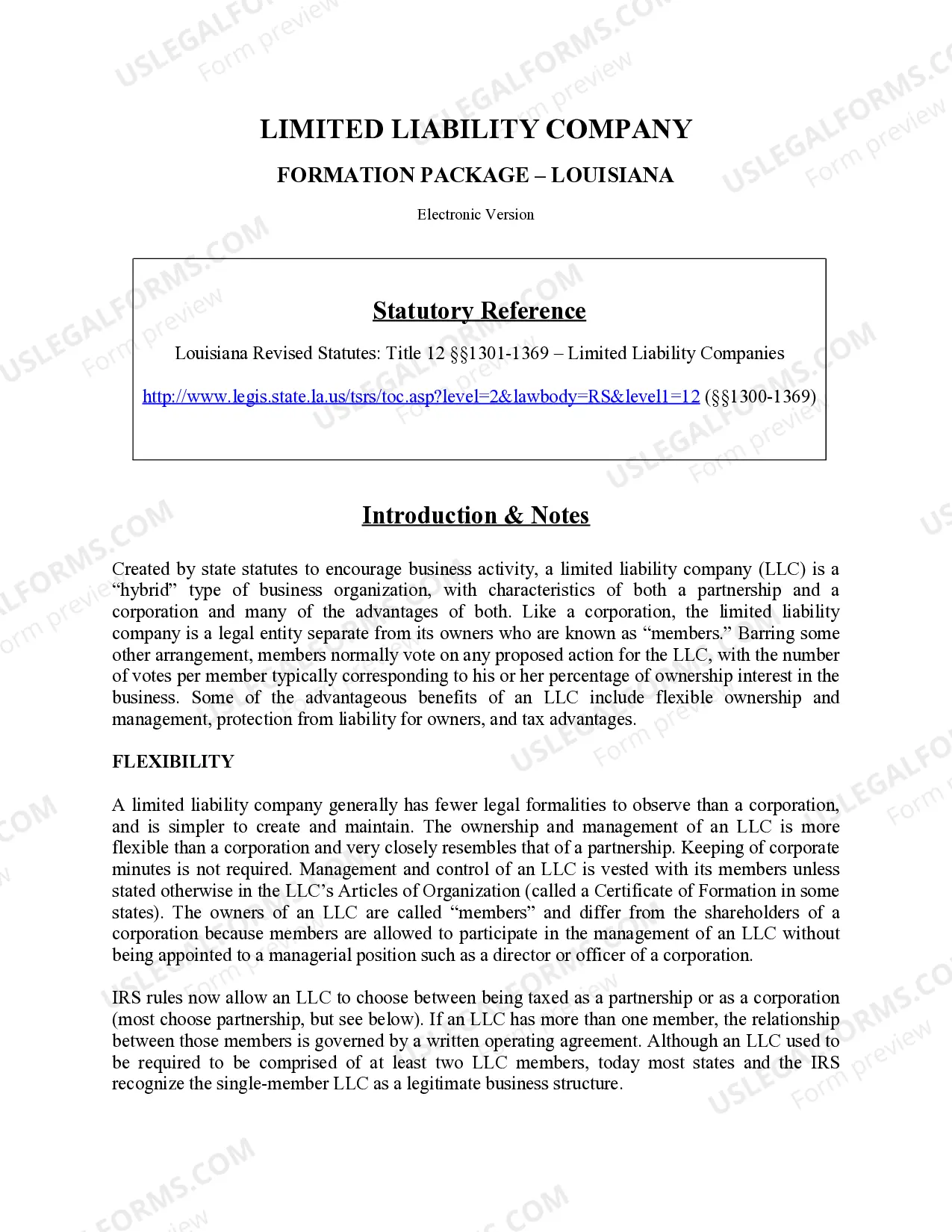
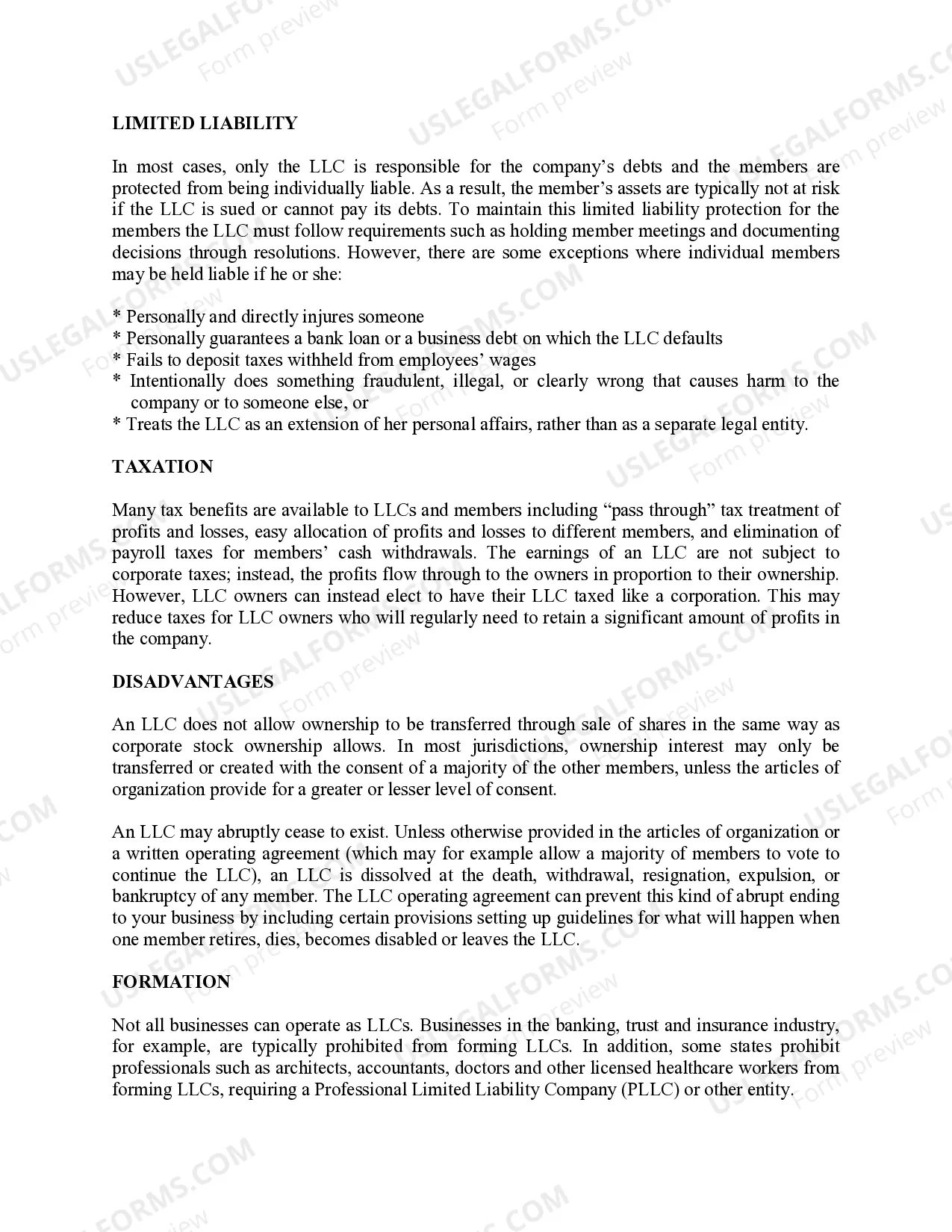
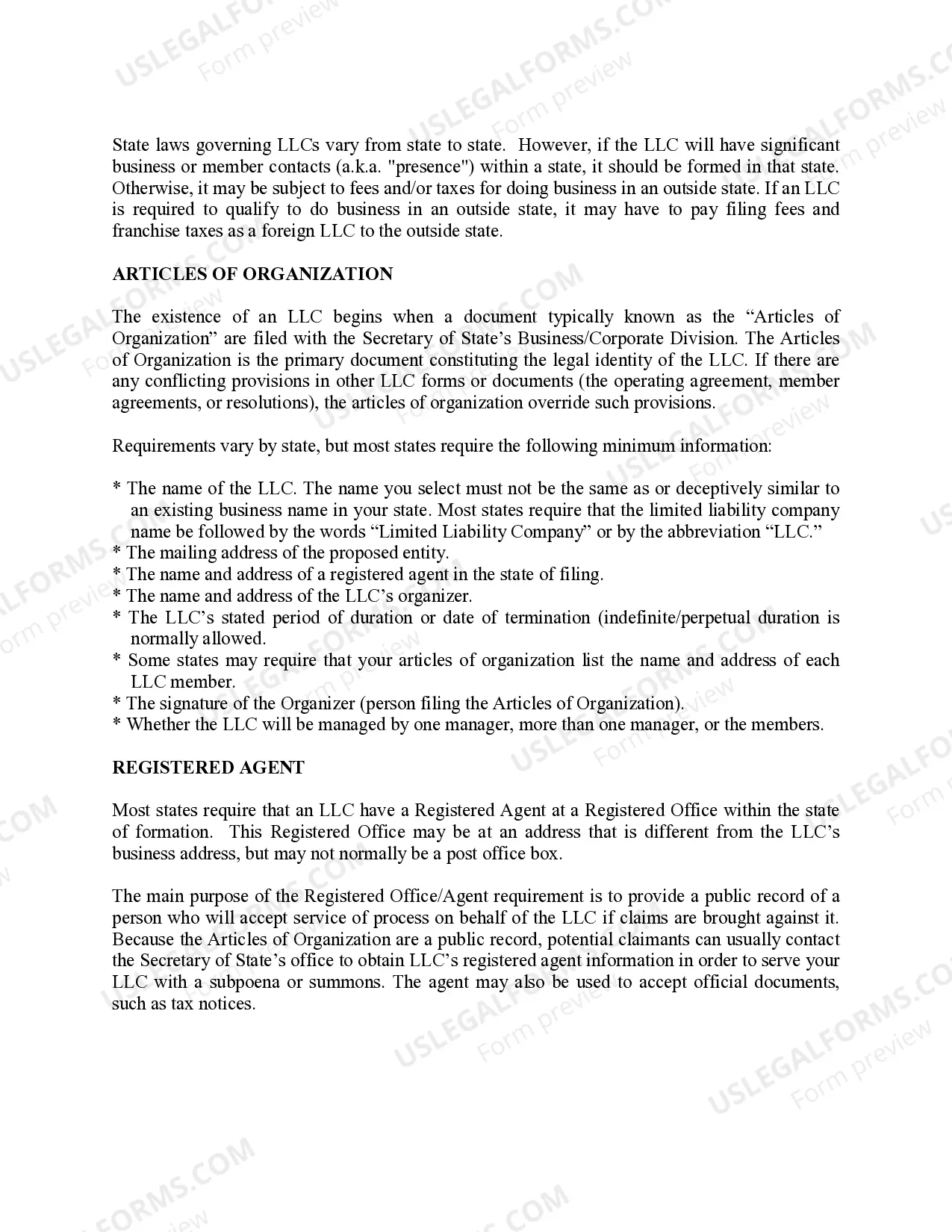
How to fill out Louisiana Limited Liability Company LLC Formation Package?
- Log into your US Legal Forms account. Ensure that your subscription is still valid; otherwise, renew as needed.
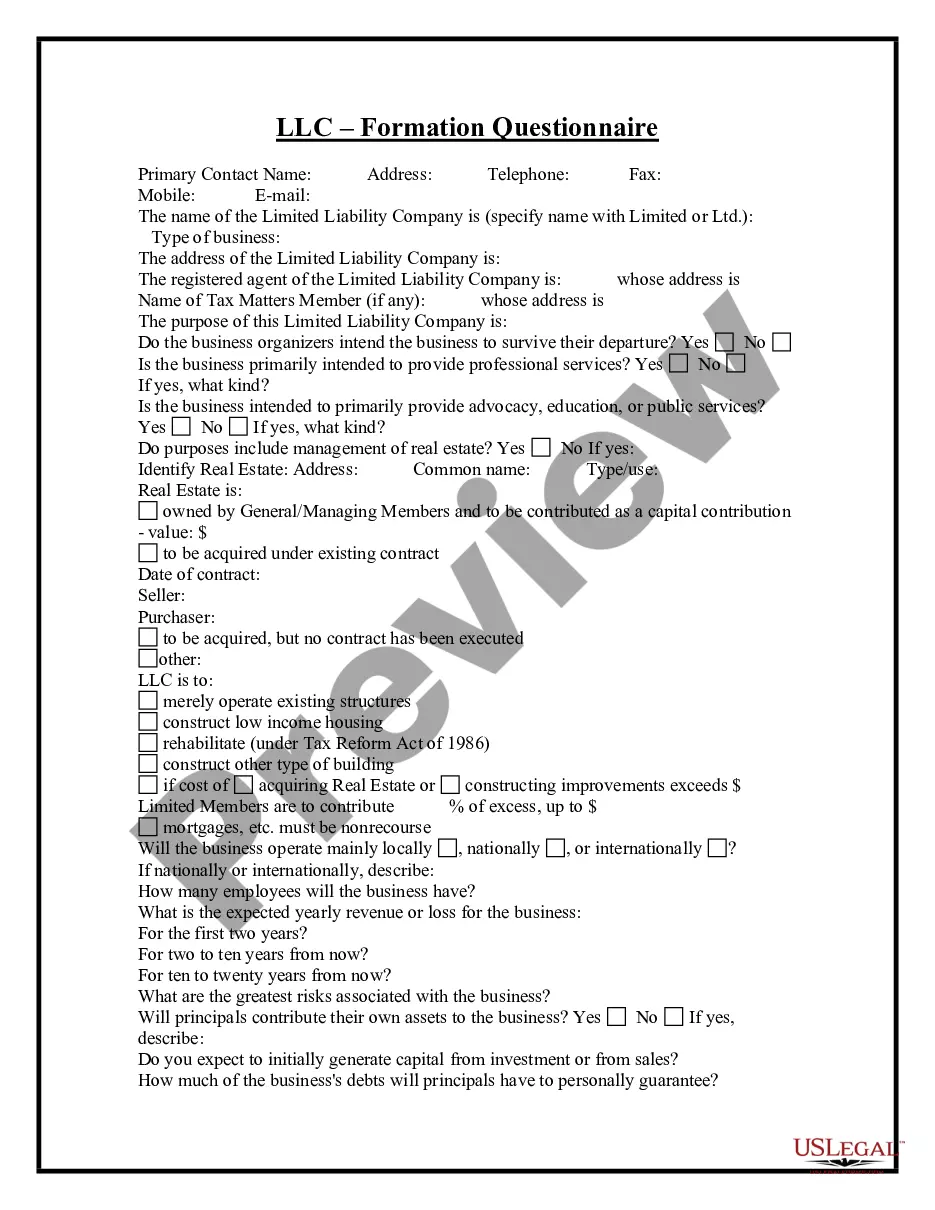
- Search for the desired document by checking the Preview mode and form description to confirm it meets your specific requirements.
- If necessary, utilize the Search tab to locate alternate templates that better fit your needs.
- Select the 'Buy Now' button and pick your preferred subscription plan. Remember, creating an account will grant you access to all forms.
- Complete your purchase by entering your payment information, either through credit card or PayPal.
- Download the form to your device to fill it out, and access it later in the 'My Forms' section of your profile.
In conclusion, US Legal Forms offers a robust collection of over 85,000 legal forms, providing significant advantages over competitors. Their platform not only allows for convenient access but also connects users with premium experts for document assistance.
Start your journey towards establishing your limited liability company llc uk today by visiting US Legal Forms!
Form popularity
FAQ
An Ltd (Limited Company) and an LLC (Limited Liability Company) serve similar purposes, but they have different legal implications and regulations in the UK. While both structures protect personal assets, the Ltd is more common in the UK and has specific rules regarding ownership and shares. In the sphere of Limited Liability Company LLC UK, it's essential to understand these differences to choose the right structure for your business goals. Consider exploring resources at USLegalForms for comprehensive insights.
While a Limited Liability Company (LLC) provides liability protection, it does come with some disadvantages. One major concern is the requirement for increased compliance and reporting, which can involve significant administrative duties. Additionally, in the context of a Limited Liability Company LLC UK, owners might face challenges with raising capital since investors often prefer more established corporate structures. USLegalForms offers useful tools that can help you navigate these challenges effectively.
The British equivalent of a Limited Liability Company (LLC) is known as a Limited Company. This structure offers liability protection to its owners, meaning their personal assets are generally safe from business debts. In the context of the Limited Liability Company LLC UK, understanding the nuances between different company structures can help you make informed decisions. If you're looking for guidance, USLegalForms can provide valuable resources.
An LLP in the UK operates as a partnership where each member has limited liability, protecting personal assets from business debts. Members can participate in the management without risking personal liability, fostering a collaborative work environment. This structure is particularly popular among professionals, such as accountants and lawyers, looking to maintain flexibility while benefiting from the protection of a Limited Liability Company LLC UK.
While an LLP offers benefits, it has some disadvantages to consider. For instance, members must disclose their income via public records, which strip away some privacy. Additionally, LLPs may face restrictions in raising capital compared to limited companies. Therefore, it’s essential to evaluate whether an LLP suits your specific needs regarding a Limited Liability Company LLC in the UK.
The key difference between a UK Limited Company (Ltd) and a Limited Liability Partnership (LLP) lies in their management structure and taxation. A Ltd is a company that profits are taxed separately from its owners, while an LLP offers a flexible partnership model where profits are taxed as personal income. Understanding these distinctions can help you decide which structure aligns best with your business goals.
An LLP, or Limited Liability Partnership, is a business structure in the UK that offers both partnership flexibility and limited liability to its members. This means that partners can manage the business directly while enjoying protection against personal liability for the partnership’s debts. Choosing an LLP could be ideal for professionals looking to collaborate with others while minimizing risk.
A UK limited company is not exactly the same as a Limited Liability Company (LLC) as understood in other jurisdictions. While both provide limited liability protection, the terminology differs. In the UK, a limited company typically refers to a company limited by shares, which is distinct from how an LLC operates in other countries.
In the UK, a Limited Liability Company (LLC) and a Limited Liability Partnership (LLP) serve different purposes. An LLC primarily functions as a type of private company that protects its owners' personal assets. In contrast, an LLP combines elements of partnerships and corporations, allowing for flexible management. Both structures offer limited liability, but the operational framework and taxation differ.
The primary difference between an LLC in the USA and an Ltd in the UK lies in their legal structures and regulatory environments. While both offer limited liability protection, they differ in tax treatment and compliance requirements. Understanding these distinctions is essential when deciding which structure aligns with your business goals, especially in the context of the limited liability company LLC UK.