Checklist Home Care
Description
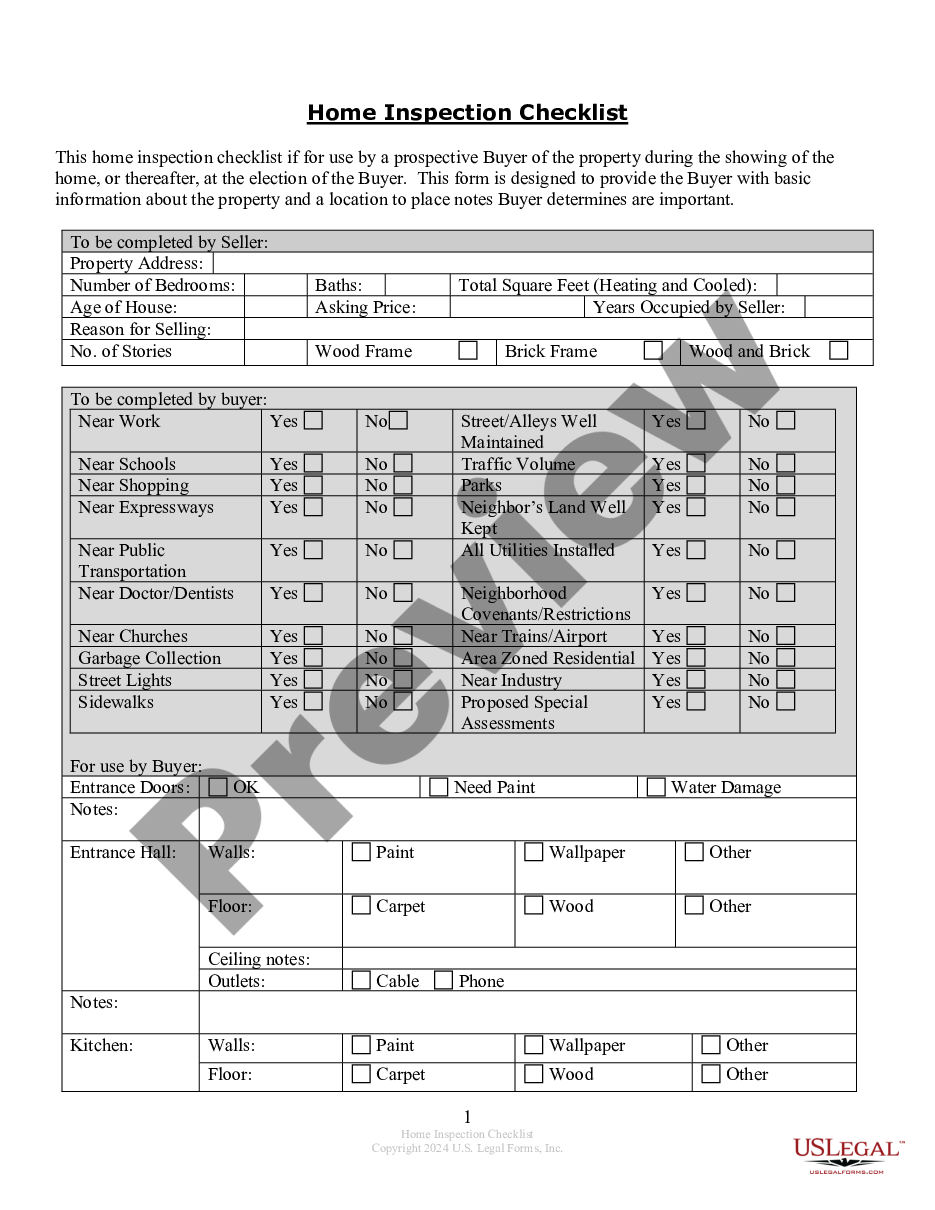
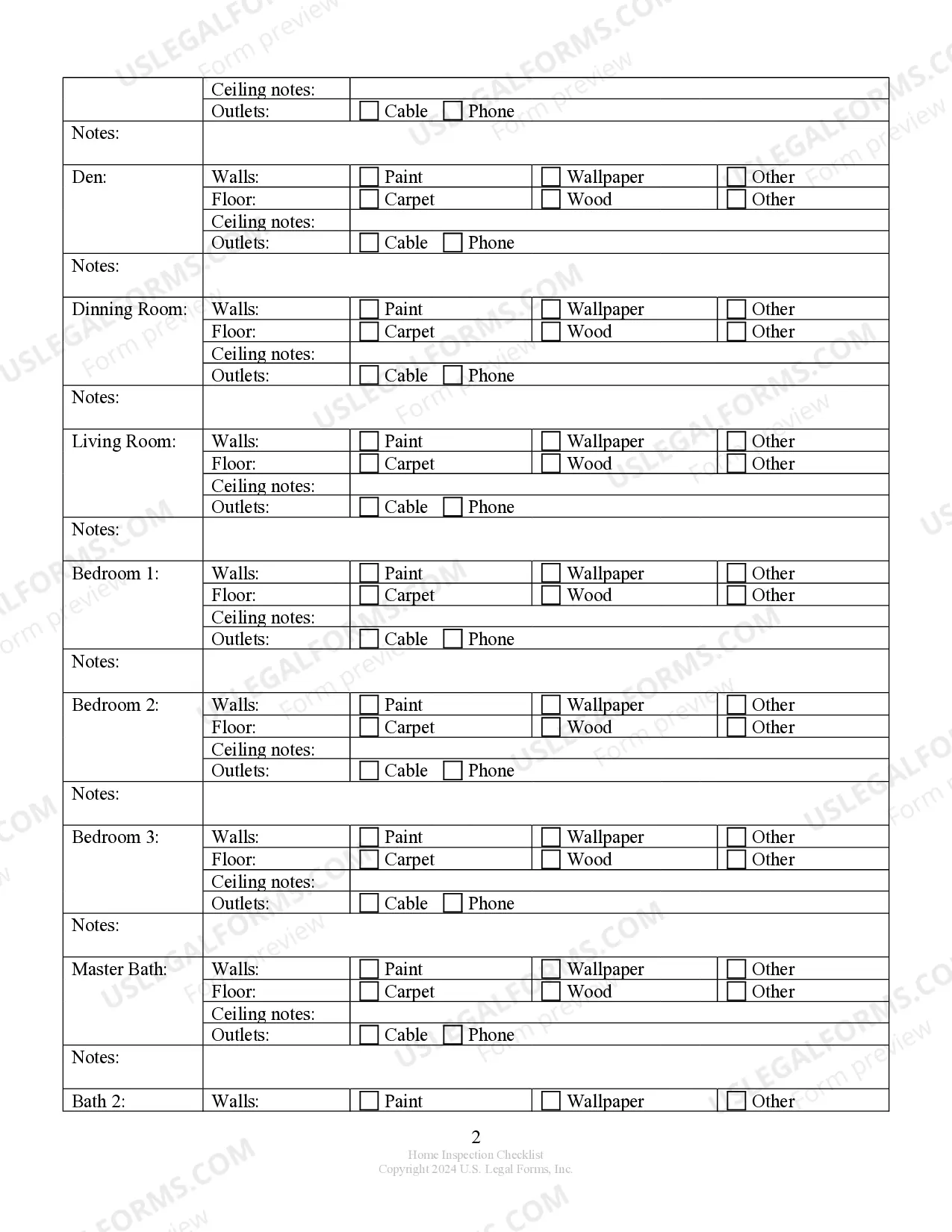
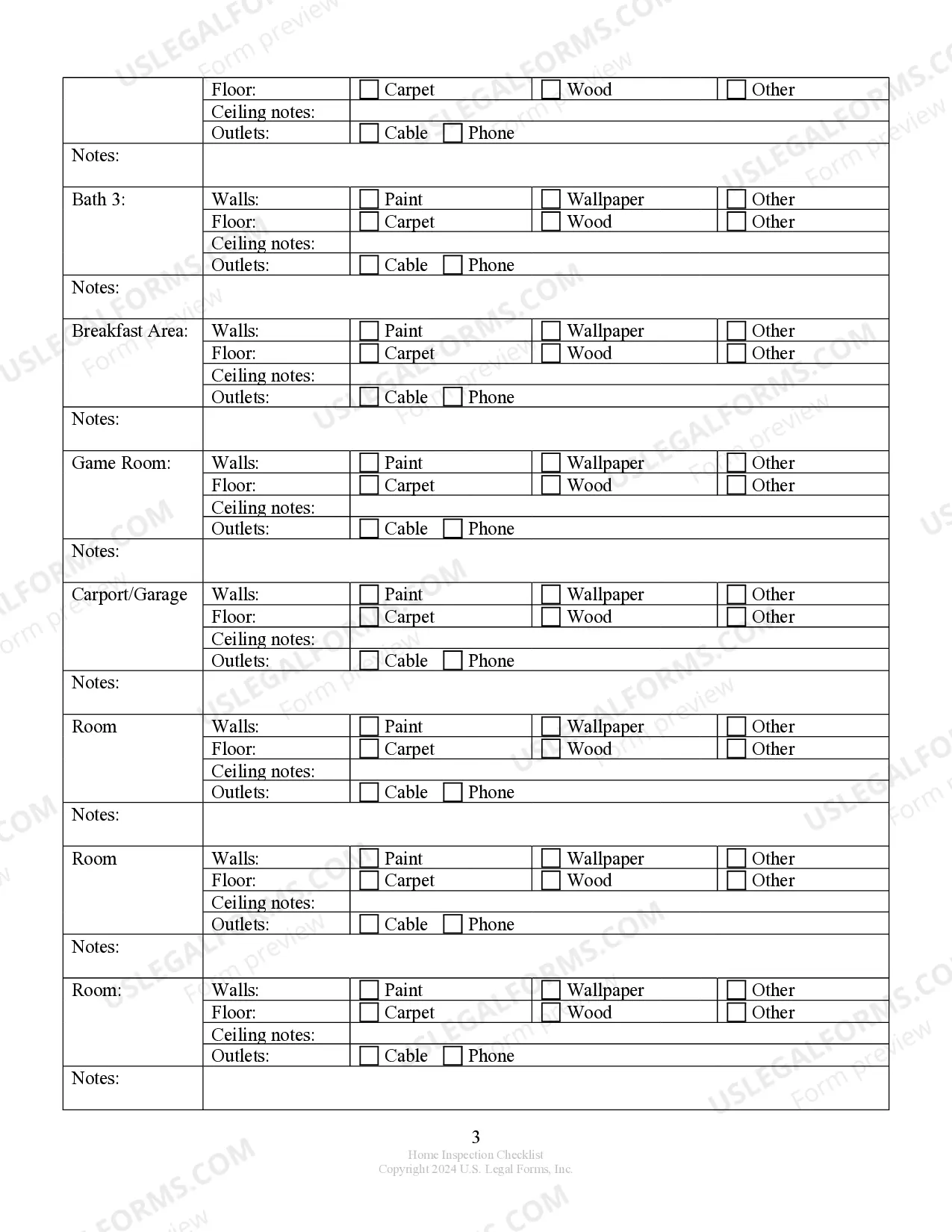
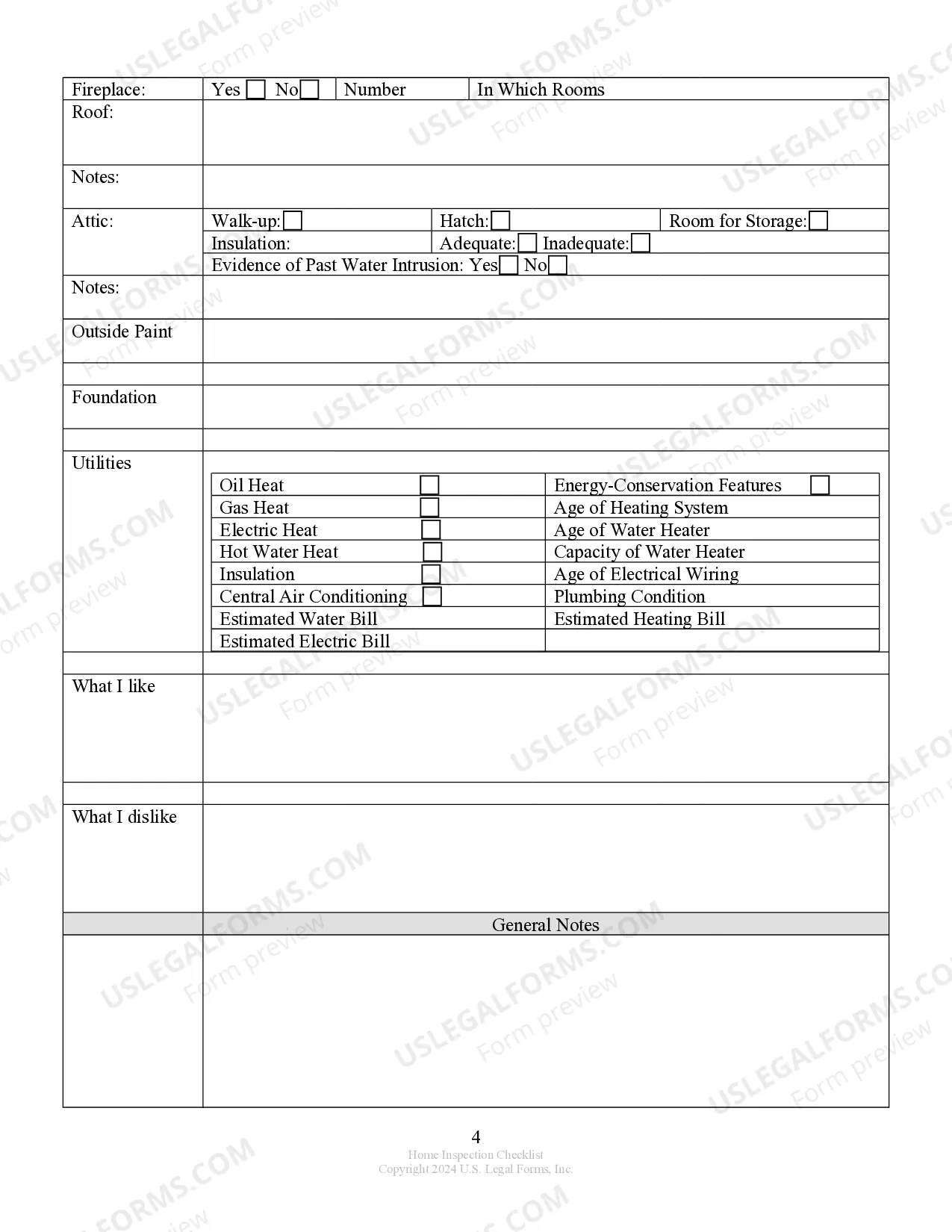

Get your form ready online
Our built-in tools help you complete, sign, share, and store your documents in one place.
Make edits, fill in missing information, and update formatting in US Legal Forms—just like you would in MS Word.
Download a copy, print it, send it by email, or mail it via USPS—whatever works best for your next step.
Sign and collect signatures with our SignNow integration. Send to multiple recipients, set reminders, and more. Go Premium to unlock E-Sign.
If this form requires notarization, complete it online through a secure video call—no need to meet a notary in person or wait for an appointment.
We protect your documents and personal data by following strict security and privacy standards.

Make edits, fill in missing information, and update formatting in US Legal Forms—just like you would in MS Word.

Download a copy, print it, send it by email, or mail it via USPS—whatever works best for your next step.

Sign and collect signatures with our SignNow integration. Send to multiple recipients, set reminders, and more. Go Premium to unlock E-Sign.

If this form requires notarization, complete it online through a secure video call—no need to meet a notary in person or wait for an appointment.

We protect your documents and personal data by following strict security and privacy standards.
Looking for another form?




How to fill out Kentucky Buyer's Home Inspection Checklist?
- If you’re a returning user, simply log into your account and download your desired form by clicking the Download button. Ensure that your subscription is active; if not, renew it according to your plan.
- For first-time users, begin by previewing the available forms. Check the descriptions to ensure they meet your needs and comply with your local jurisdiction requirements.
- Search for any alternative templates if necessary. Utilize the Search tab to find the correct form that matches your requirements and move to the next step.
- Purchase the form by clicking the Buy Now button. Select your preferred subscription plan and create an account to access the library's resources.
- Complete your transaction by entering your payment details or using your PayPal account to finalize your purchase.
- Download and save your template on your device for easy completion. You can access your documents anytime in the My Forms section of your profile.
Utilizing US Legal Forms streamlines your legal documentation process, providing you with an efficient way to obtain vital forms without hassle.
Whether you're an individual or an attorney, take advantage of the comprehensive library offered by US Legal Forms today to simplify your legal needs!
Form popularity
FAQ
To prepare your home for home care, start by creating a checklist home care that suits your needs. Focus on safety by removing trip hazards, arranging furniture for easy access, and ensuring good lighting in all areas. Additionally, consider organizing personal items and medical supplies in convenient locations to facilitate care. Finally, communicate openly with your caregiver about any specific requirements or preferences to create a supportive environment.
Creating a caregiver schedule involves assessing the needs of the patient and outlining daily responsibilities. Start by identifying key tasks, such as medication administration and meal preparation, and block out specific times for each. Using a checklist for home care can streamline this process, ensuring that all key duties are covered. It’s also essential to remain flexible, allowing adaptations as the patient's needs change over time.
To prove you are a caregiver, you can provide documentation such as employment verification, training certificates, or references from previous clients. Additionally, keeping a detailed record of your caregiving activities can further substantiate your experience. Platforms like US Legal Forms offer resources and templates that can help you compile the necessary documents. A checklist for home care can also assist you in maintaining these records efficiently.
Caregivers often need to complete two important documents: a care plan and a daily log. The care plan outlines the specific needs and preferences of the patient, ensuring that caregivers understand their responsibilities. Meanwhile, the daily log records the patient's activities and health observations, which is vital for ongoing assessments. Using a checklist for home care can help caregivers stay organized while managing these documents.
A checklist in home care is essential for caregivers as it helps ensure that all necessary tasks are completed. This organized approach reduces the chances of overlooking important duties, promotes consistency, and enhances the quality of care provided. By using a checklist, caregivers can track daily activities and ensure they meet the specific needs of the patient. Ultimately, this leads to a more structured and reliable caregiving experience.
The most common diagnosis for home health care includes various conditions that require regular monitoring and assistance. For instance, chronic diseases such as diabetes and heart conditions frequently lead individuals to seek home care support. Utilizing a checklist home care approach can help caregivers ensure that all patient's needs are met consistently. By following tailored checklists, families can enhance the quality of care provided to their loved ones at home.
To make a caregiver checklist, begin by identifying the specific needs of the client and the tasks that must be accomplished. Use a checklist home care format to categorize these tasks, such as personal care, medications, and household chores. Include space for notes to track any special instructions or changes in condition. Regularly review and update the checklist to adapt to the client's evolving needs, enhancing care quality.
A checklist is important to a caregiver because it acts as a dependable tool for ensuring all essential tasks are completed thoroughly and accurately. In checklist home care, it helps caregivers maintain focus on their client's specific needs while promoting effective communication with family members. This mindfulness fosters a positive caregiving experience, ultimately benefiting both the caregiver and the client.
A checklist is essential for caregivers as it provides a clear framework for delivering quality care. In the realm of checklist home care, it helps caregivers understand their daily obligations and manage time efficiently. Furthermore, it reduces the risk of burnout by breaking down tasks into manageable steps. This clear direction can lead to more compassionate and attentive care for clients.
A work checklist is vital for managing tasks effectively and ensuring nothing falls through the cracks. When used in checklist home care, it helps caregivers prioritize and execute their responsibilities with clarity. This structured tool can boost productivity and ultimately provide better services for clients. Moreover, it encourages teamwork, as all caregivers can stay aligned on their tasks.