Kansas Forest
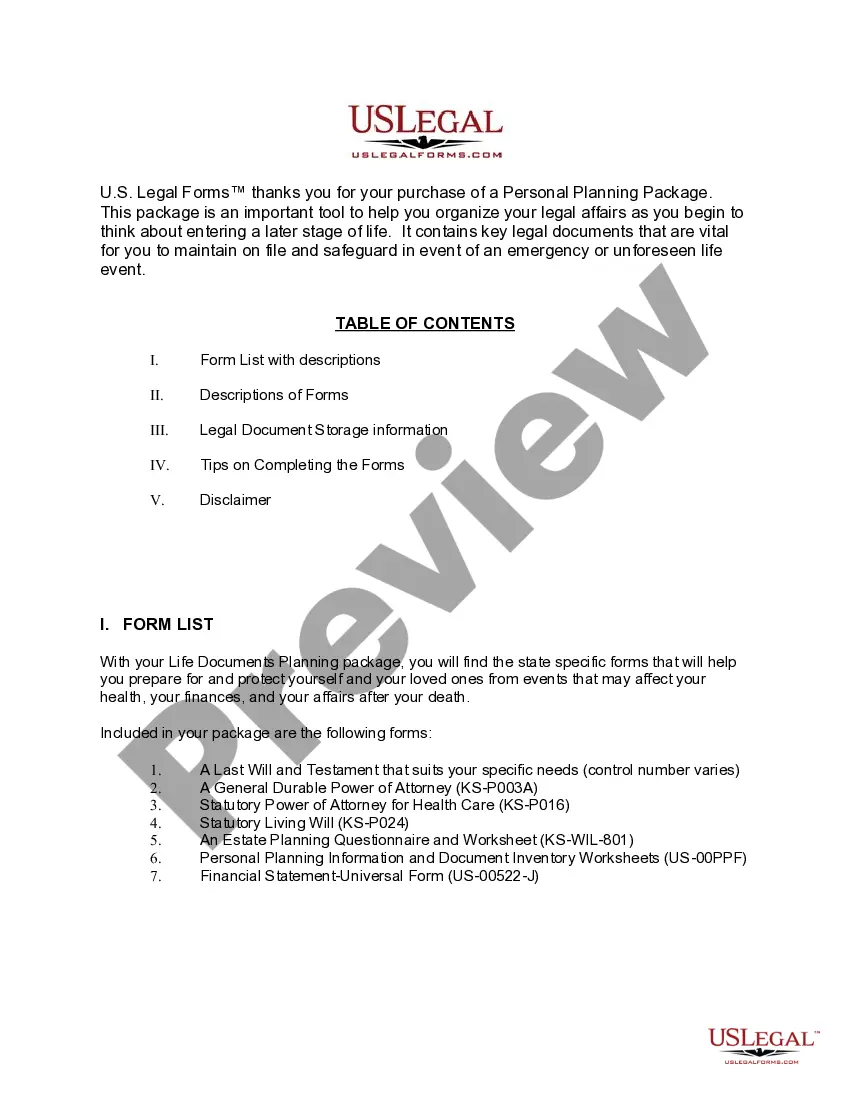
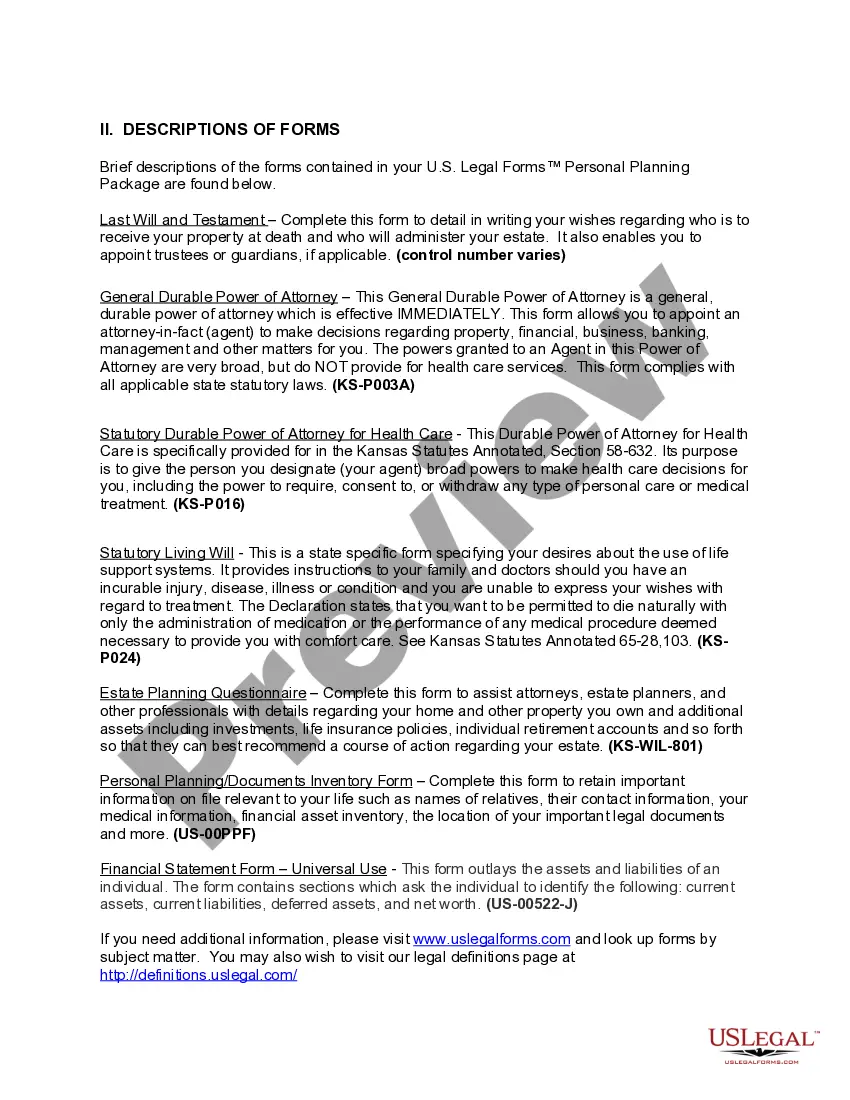
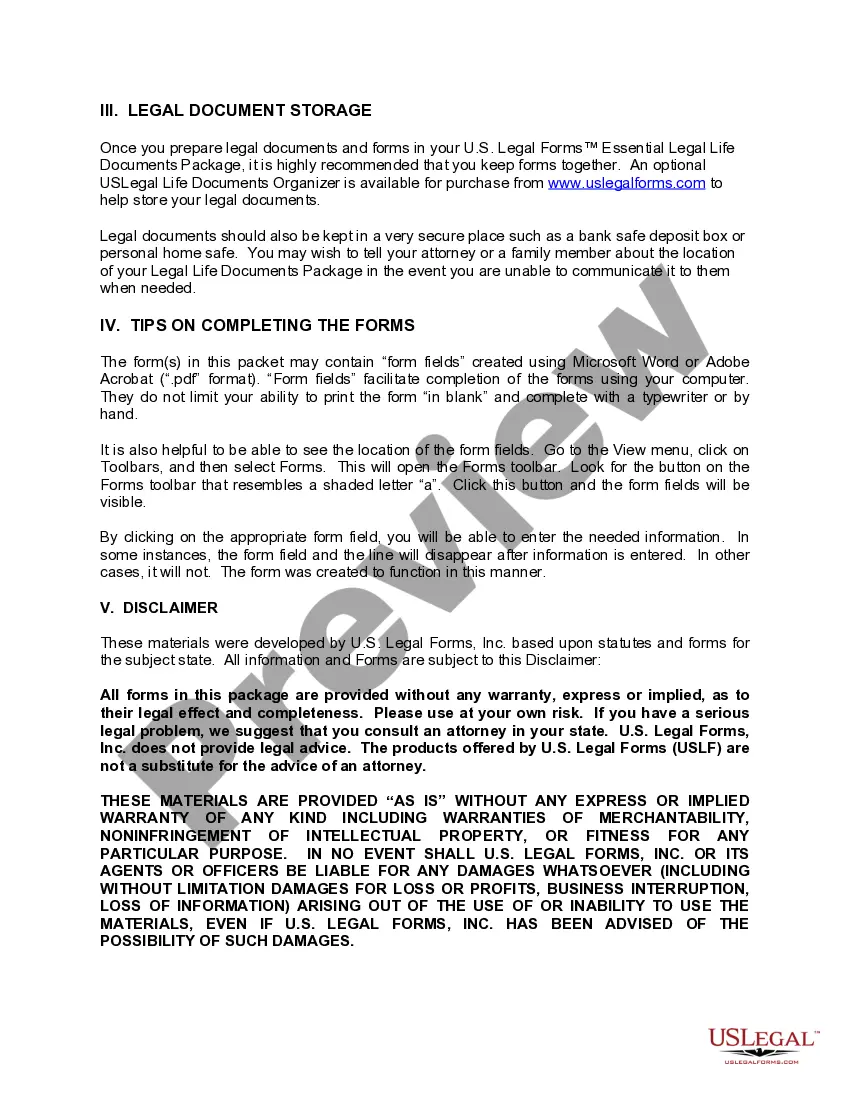
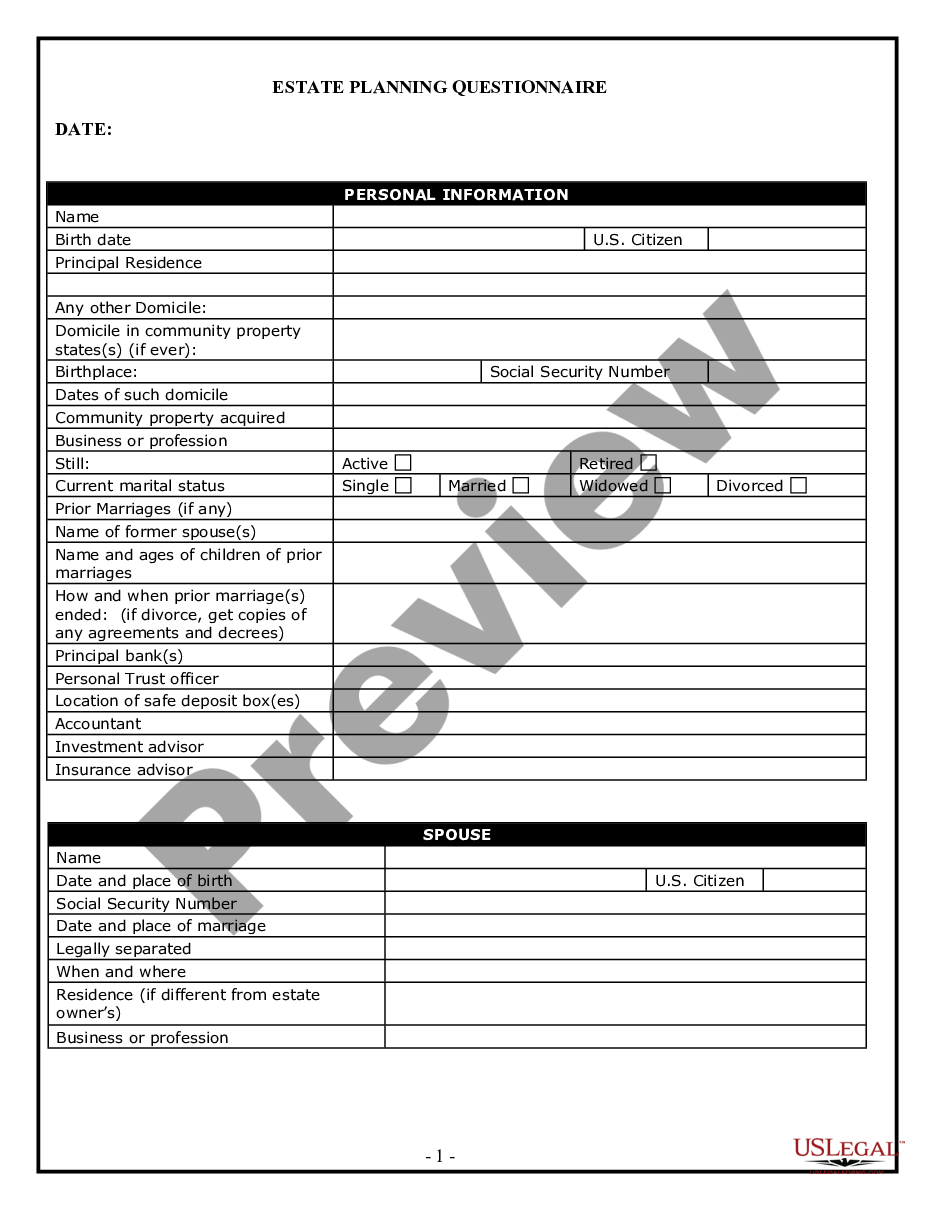
Description


Get your form ready online
Our built-in tools help you complete, sign, share, and store your documents in one place.
Make edits, fill in missing information, and update formatting in US Legal Forms—just like you would in MS Word.
Download a copy, print it, send it by email, or mail it via USPS—whatever works best for your next step.
Sign and collect signatures with our SignNow integration. Send to multiple recipients, set reminders, and more. Go Premium to unlock E-Sign.
If this form requires notarization, complete it online through a secure video call—no need to meet a notary in person or wait for an appointment.
We protect your documents and personal data by following strict security and privacy standards.

Make edits, fill in missing information, and update formatting in US Legal Forms—just like you would in MS Word.

Download a copy, print it, send it by email, or mail it via USPS—whatever works best for your next step.

Sign and collect signatures with our SignNow integration. Send to multiple recipients, set reminders, and more. Go Premium to unlock E-Sign.

If this form requires notarization, complete it online through a secure video call—no need to meet a notary in person or wait for an appointment.

We protect your documents and personal data by following strict security and privacy standards.
Looking for another form?







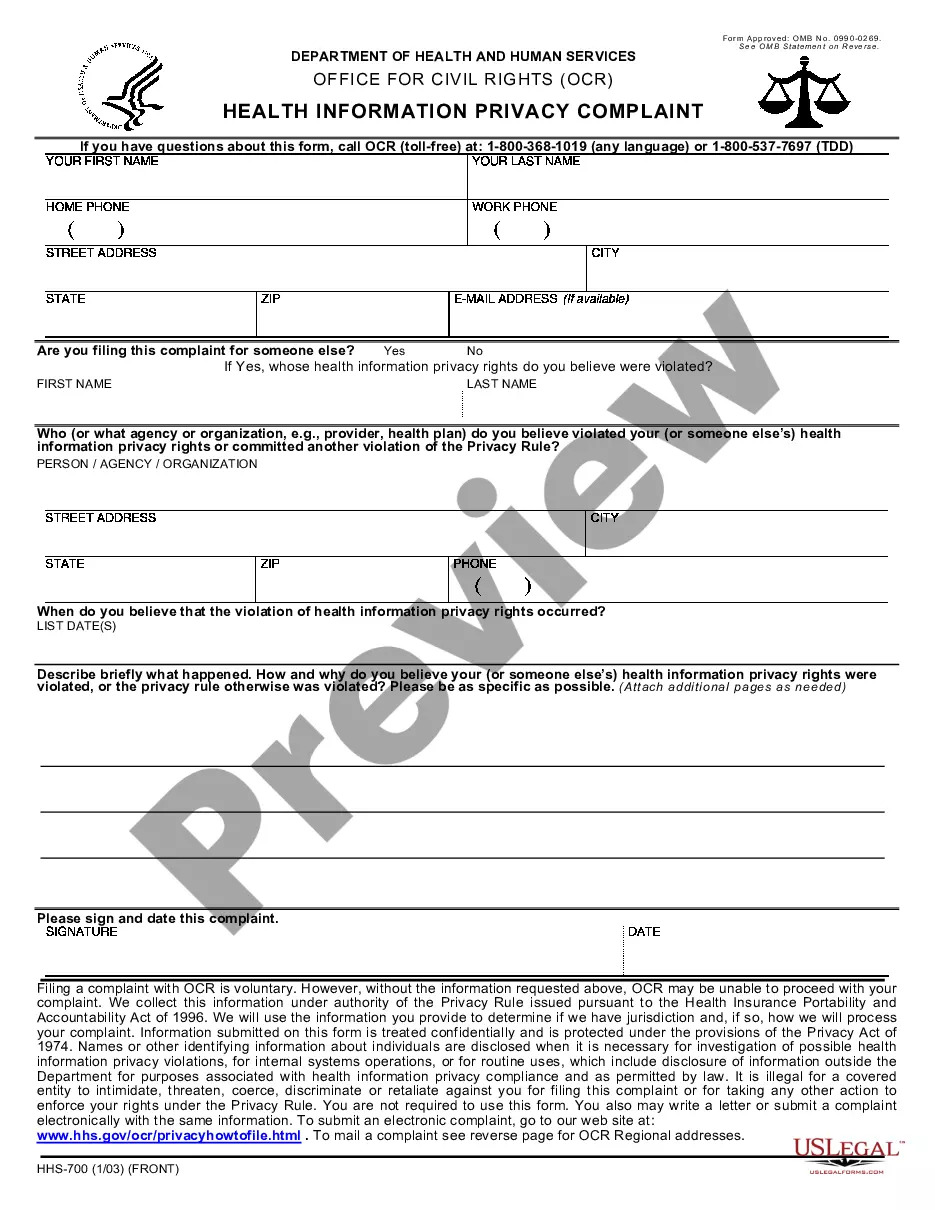

How to fill out Kansas Life Documents Planning Package, Including Will, Power Of Attorney And Living Will?
- For returning users, log in to your account and select the desired form template by clicking the Download button. Be sure your subscription is active, renewing it if necessary.
- If you're new to US Legal Forms, begin by reviewing the Preview mode and form descriptions to ensure the selected form meets your legal requirements.
- Need a different document? Use the Search bar to find a more suitable template that aligns with your local laws and needs.
- Once you've found the correct form, click the Buy Now button and select your preferred subscription plan. Create an account for full access to the extensive resources.
- Complete your purchase by entering your credit card details or using your PayPal account.
- Finally, download your form to your device for easy access and completion, and remember you can find it in the My Forms section whenever you need it.
By following these straightforward steps, you can easily navigate the Kansas forest of legal documents offered by US Legal Forms. The platform’s wide selection ensures that you find exactly what you need without the stress.
Ready to simplify your legal needs? Start your journey with US Legal Forms today!
Form popularity
FAQ
Kansas is home to several types of quail, including the Bobwhite Quail, which is the most common species. You might also encounter Gambel's Quail in certain regions. These species thrive in the grasslands and Kansas forest areas, where they find food and shelter. Understanding the types of quail in your region can enhance your hunting and wildlife watching experiences.
The quail bundle offered by the Kansas Forest Service is a management program designed to improve quail habitats across the state. This initiative aids landowners in implementing practices that enhance habitat quality, ultimately supporting the quail population. By participating in this program, you contribute to a healthier Kansas forest while enjoying the benefits of improved wildlife experiences on your land.
Approximately 30% of Kansas is covered in woodland, with various types of forests scattered throughout the state. This includes a mix of deciduous and evergreen trees, forming essential habitats for wildlife, including quail populations. The Kansas forest is vital for biodiversity and offers numerous recreational and ecological benefits. Preserving and expanding these wooded areas is crucial for both wildlife and residents.
The best tree to grow in Kansas often depends on the specific area and climate. However, species such as the Eastern Redbud and Bur Oak are commonly recommended for their adaptability to Kansas forest conditions. These trees not only provide beautiful landscapes but also offer essential habitats for wildlife, including quail. Choosing the right trees can enhance your property and support local ecosystems.
The outlook for quail in Kansas appears positive, thanks to ongoing conservation efforts and habitat management by the Kansas Forest Service. By providing suitable environments, they promote a thriving quail population. Additionally, favorable weather conditions and habitat availability have contributed to a stable quail population in recent years. This bodes well for hunters and wildlife enthusiasts alike.
In Kansas, the bag limit for quail is typically 8 birds per day during the hunting season. Additionally, the season usually runs from November through January, but it’s essential to verify current regulations as they may change. Ensuring compliance with these limits helps to maintain sustainable quail populations across the Kansas forest. Stay informed and enjoy responsible hunting practices.
The best quail hunting in Kansas can be found in areas with open grasslands and patches of Kansas forest. Regions such as the Flint Hills and the Smoky Hills are popular among hunters. These areas provide ideal habitats for quail to thrive, ensuring a good hunting experience. Additionally, local guides often offer insights into the best spots to maximize your chances.
Yes, you can file your Kansas state tax extension online, making it convenient and efficient. By utilizing services like US Legal Forms, you can complete the necessary documentation and submit it through secure channels. This simplifies the process and allows for timely filing ahead of the tax deadline.
Approximately 14% of Kansas is covered with forest land. This includes both public and private forest areas, which contribute to the state's biodiversity and natural resources. Understanding the extent of Kansas forest land can help you appreciate the state's natural beauty and the importance of environmental conservation.
Filing a tax extension in Kansas involves submitting the designated extension form to the state. You can complete this step online using US Legal Forms, ensuring accuracy and efficiency in your submission. After you file for an extension, keep track of any outstanding tax payments to avoid interest and penalty charges.