Kansas Living Form With Parent
Description
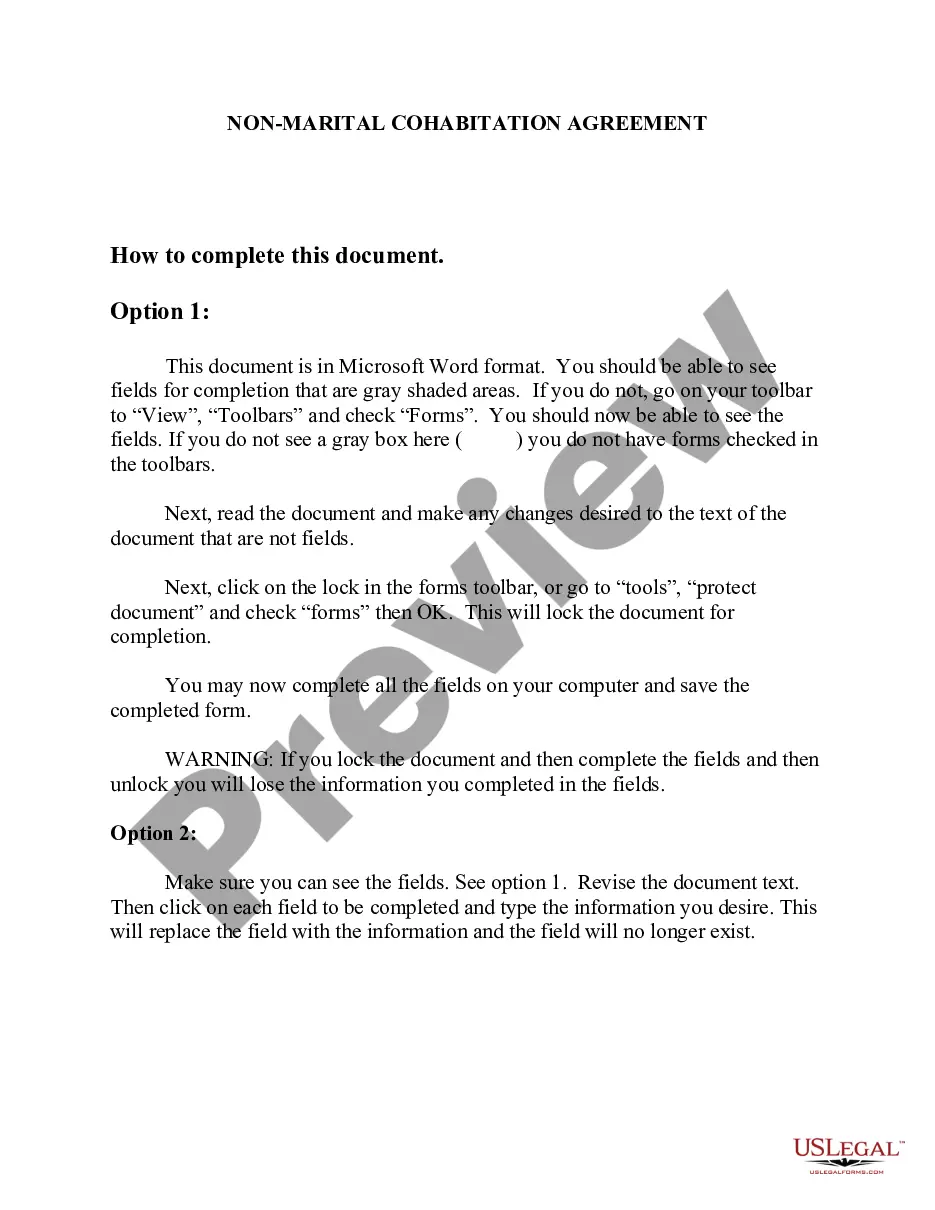
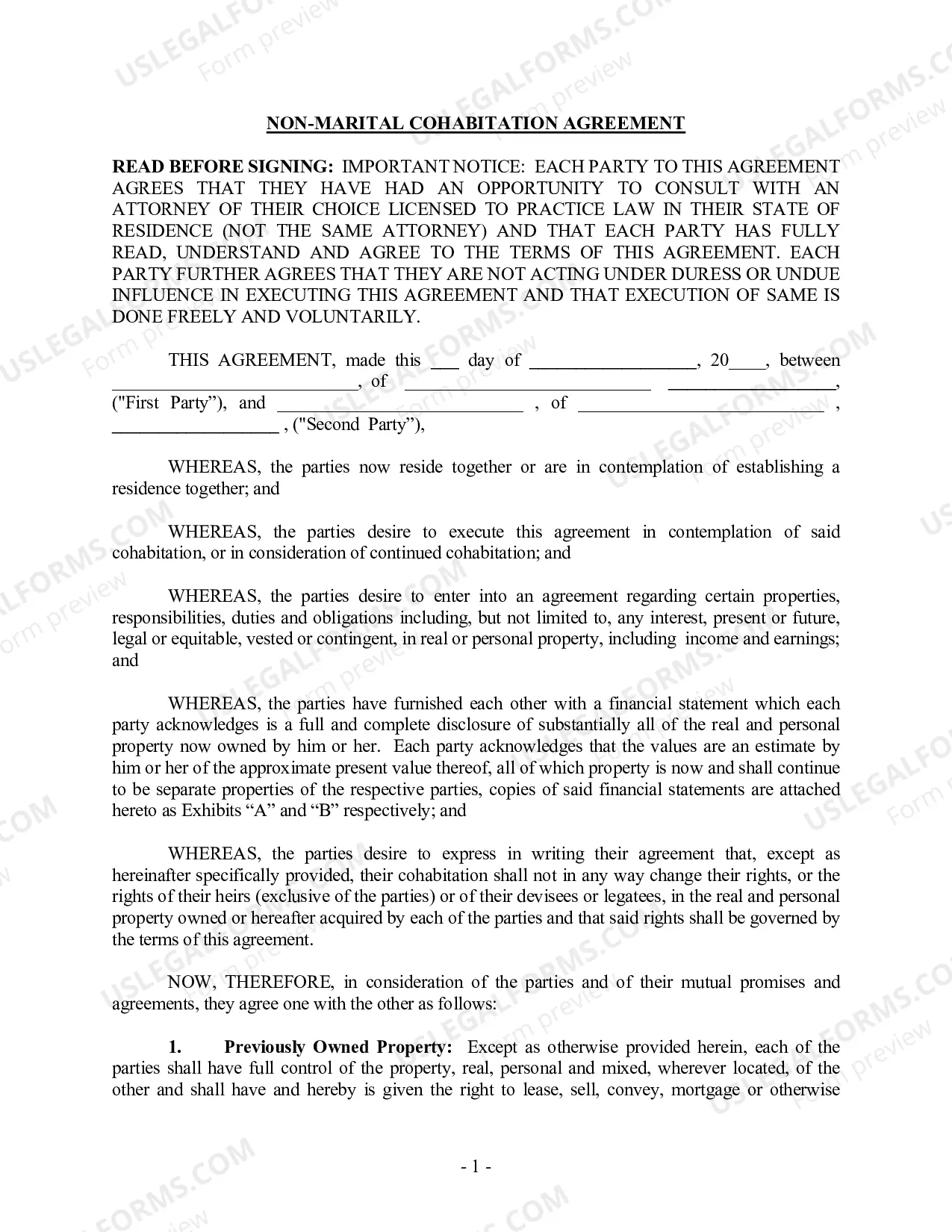
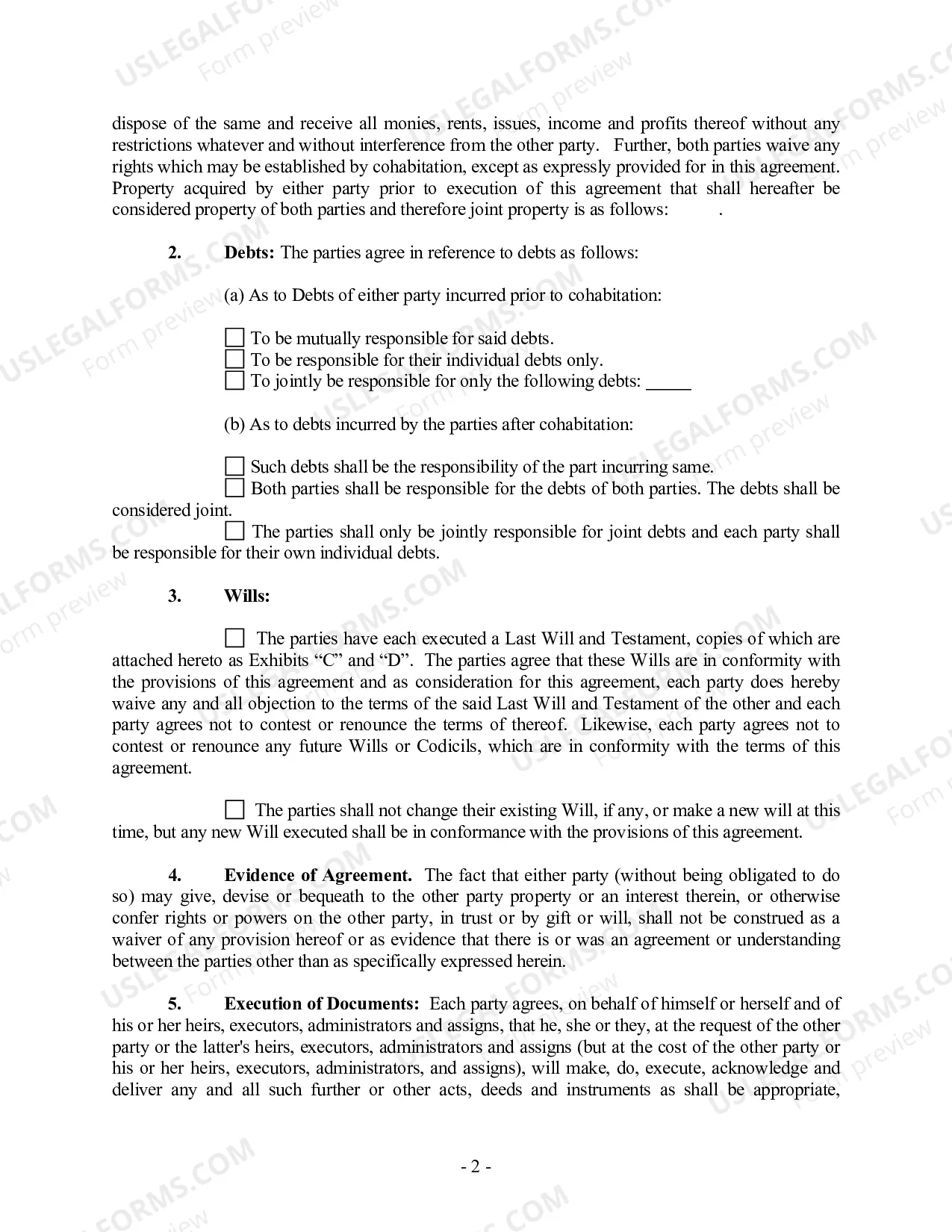
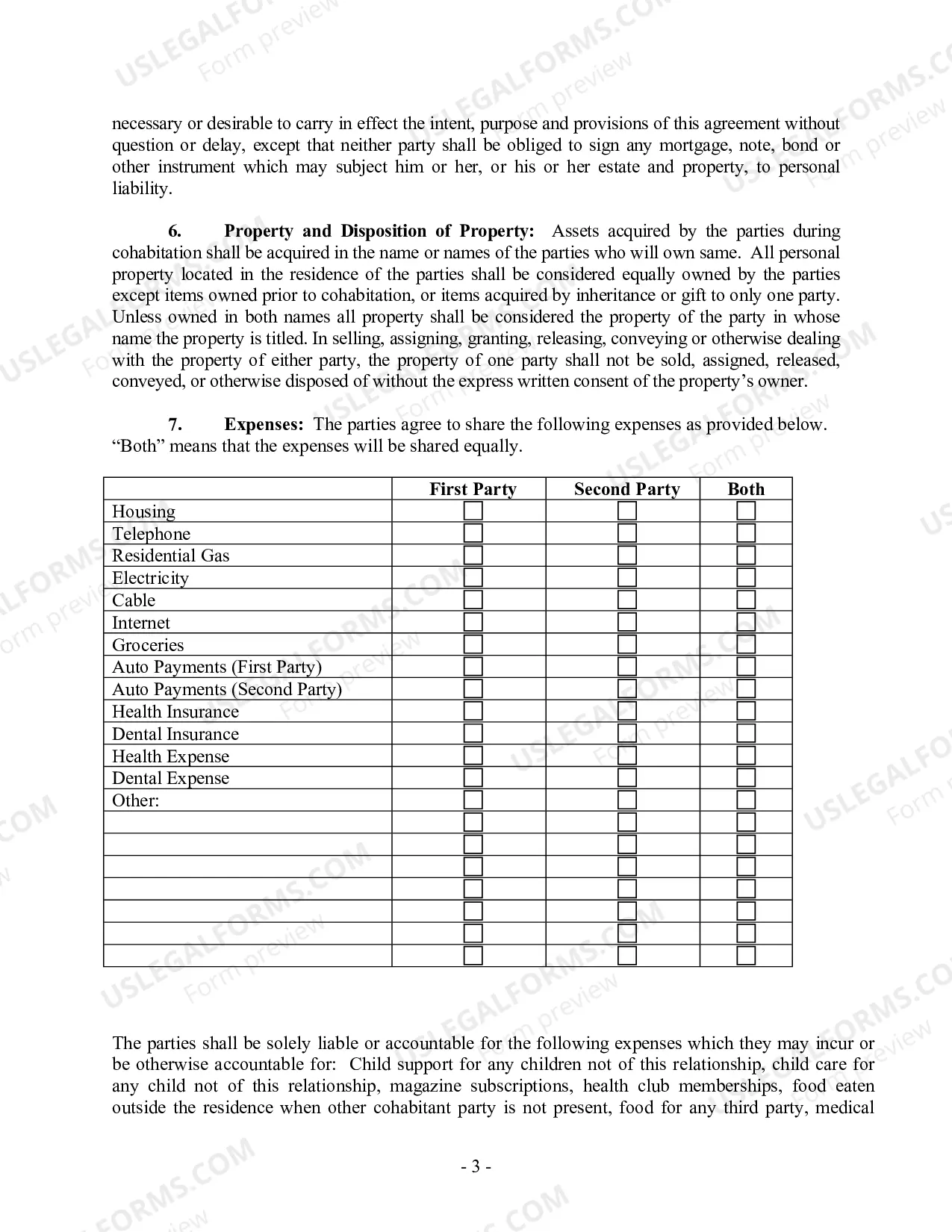

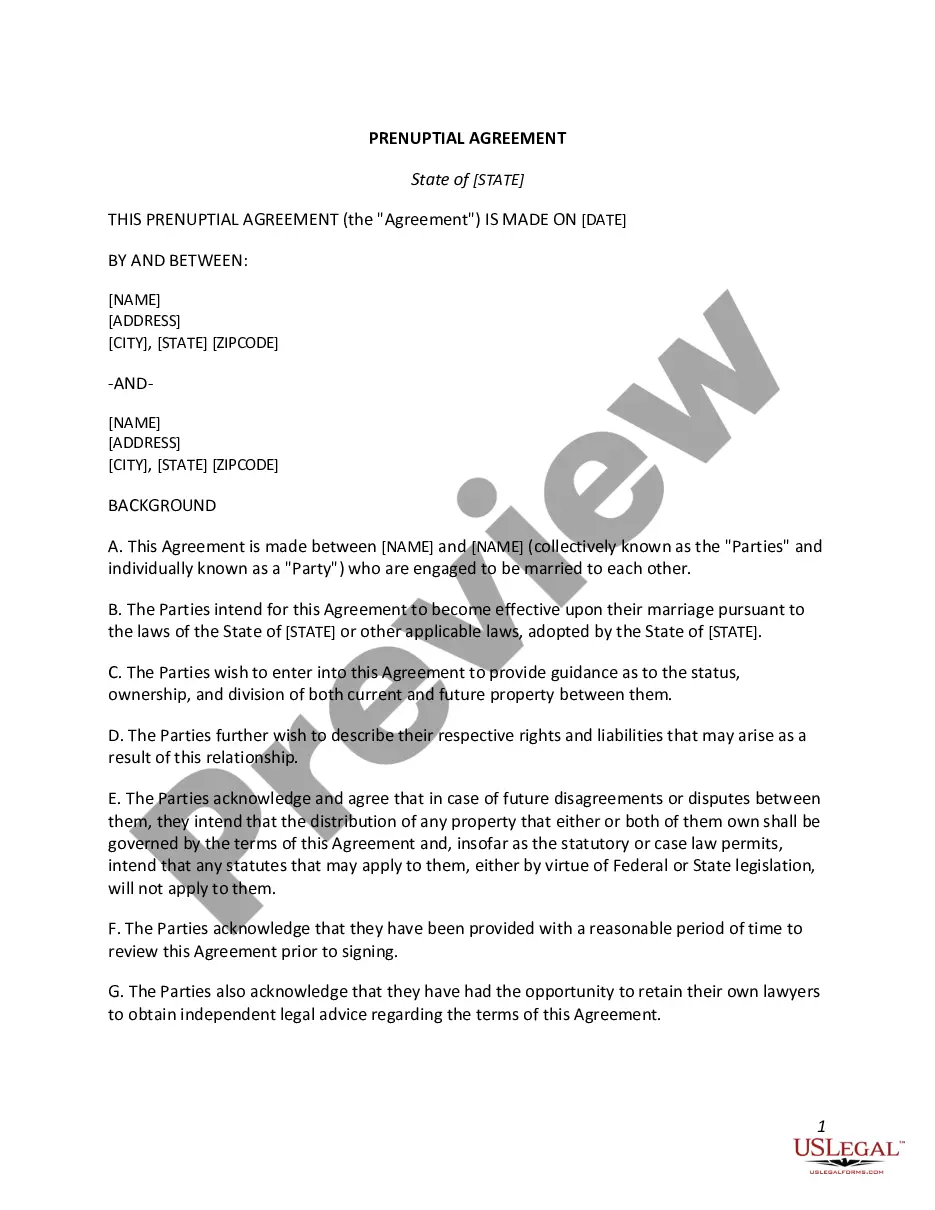
Get your form ready online
Our built-in tools help you complete, sign, share, and store your documents in one place.
Make edits, fill in missing information, and update formatting in US Legal Forms—just like you would in MS Word.
Download a copy, print it, send it by email, or mail it via USPS—whatever works best for your next step.
Sign and collect signatures with our SignNow integration. Send to multiple recipients, set reminders, and more. Go Premium to unlock E-Sign.
If this form requires notarization, complete it online through a secure video call—no need to meet a notary in person or wait for an appointment.
We protect your documents and personal data by following strict security and privacy standards.

Make edits, fill in missing information, and update formatting in US Legal Forms—just like you would in MS Word.

Download a copy, print it, send it by email, or mail it via USPS—whatever works best for your next step.

Sign and collect signatures with our SignNow integration. Send to multiple recipients, set reminders, and more. Go Premium to unlock E-Sign.

If this form requires notarization, complete it online through a secure video call—no need to meet a notary in person or wait for an appointment.

We protect your documents and personal data by following strict security and privacy standards.
Looking for another form?

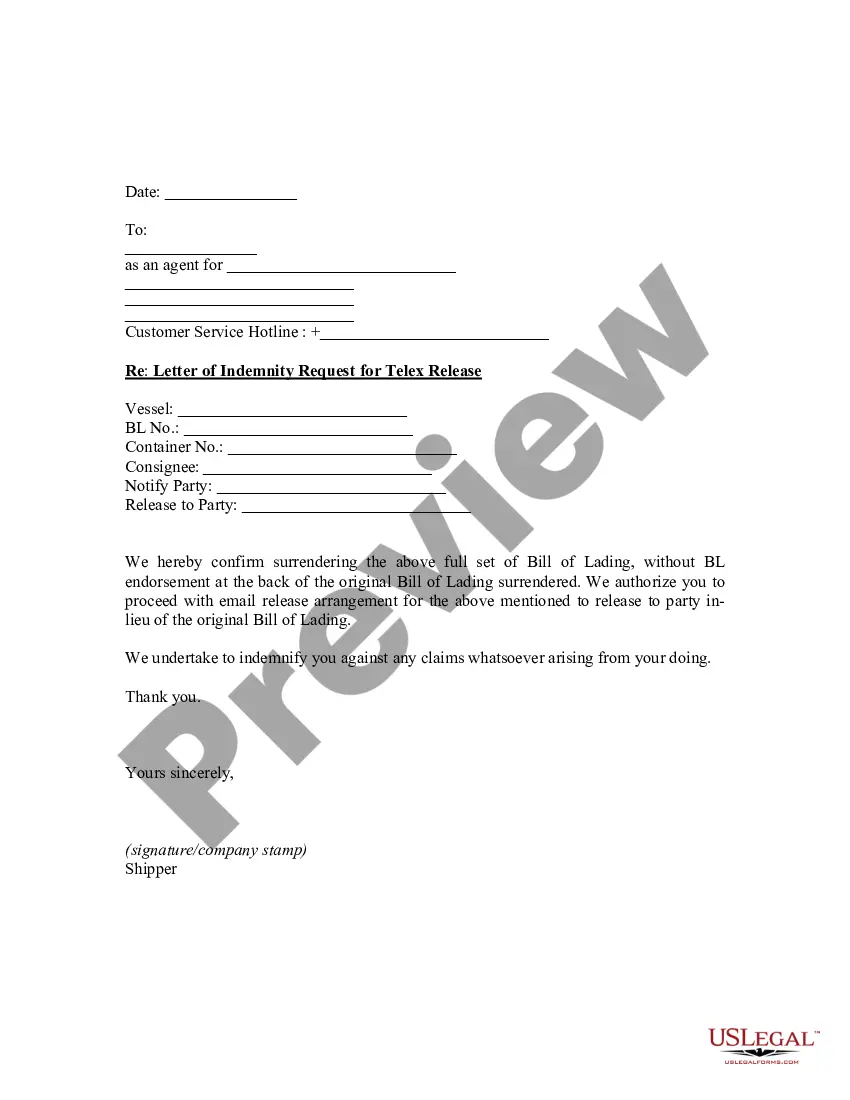





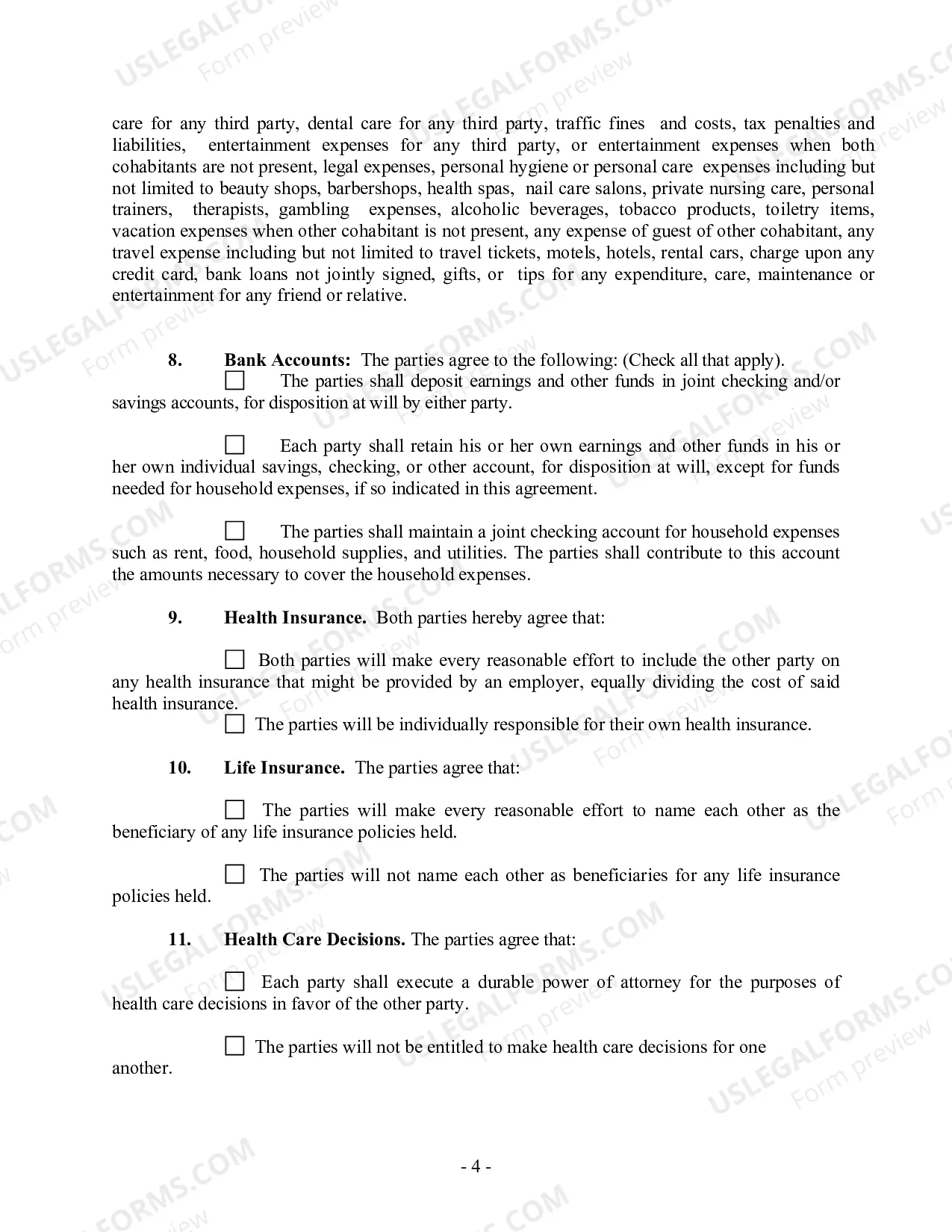
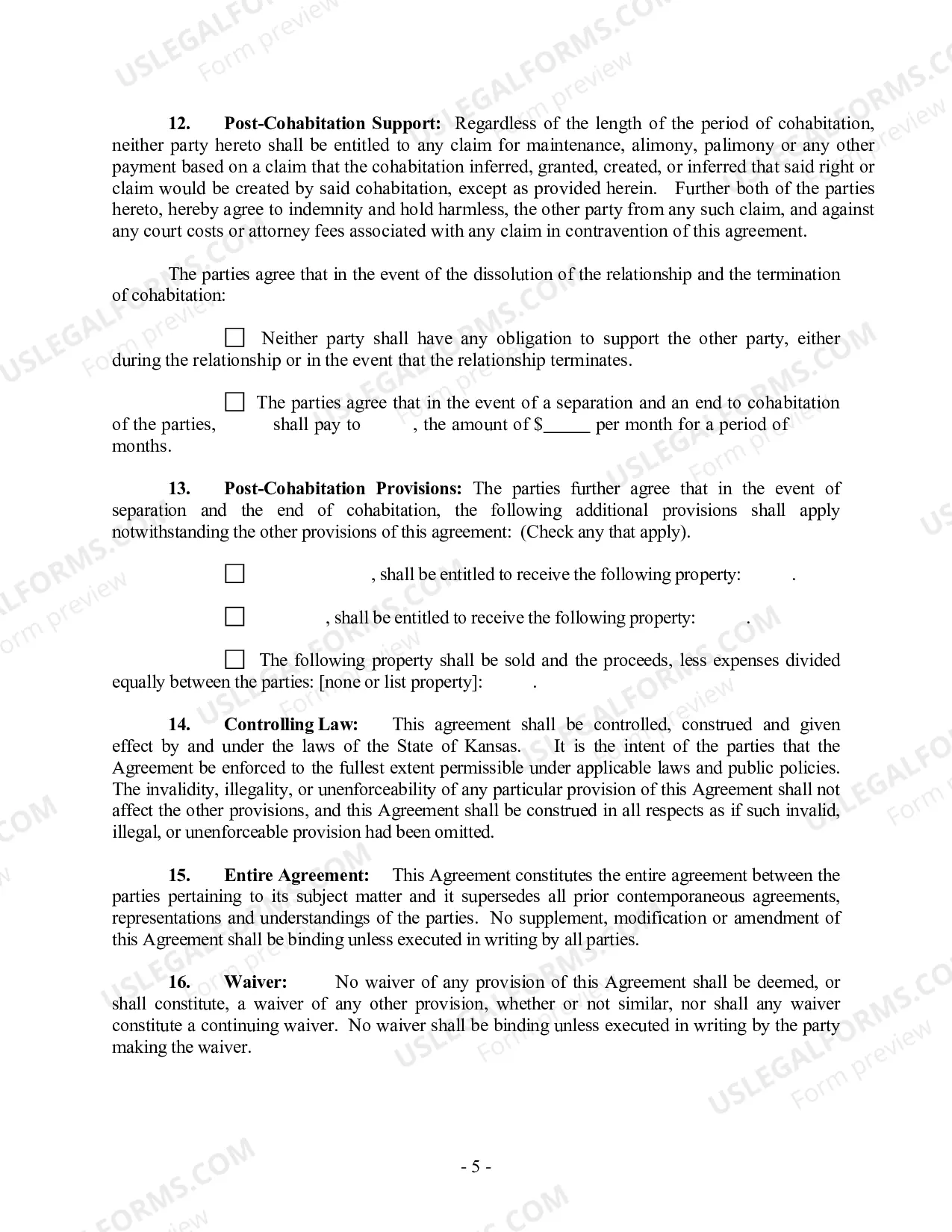
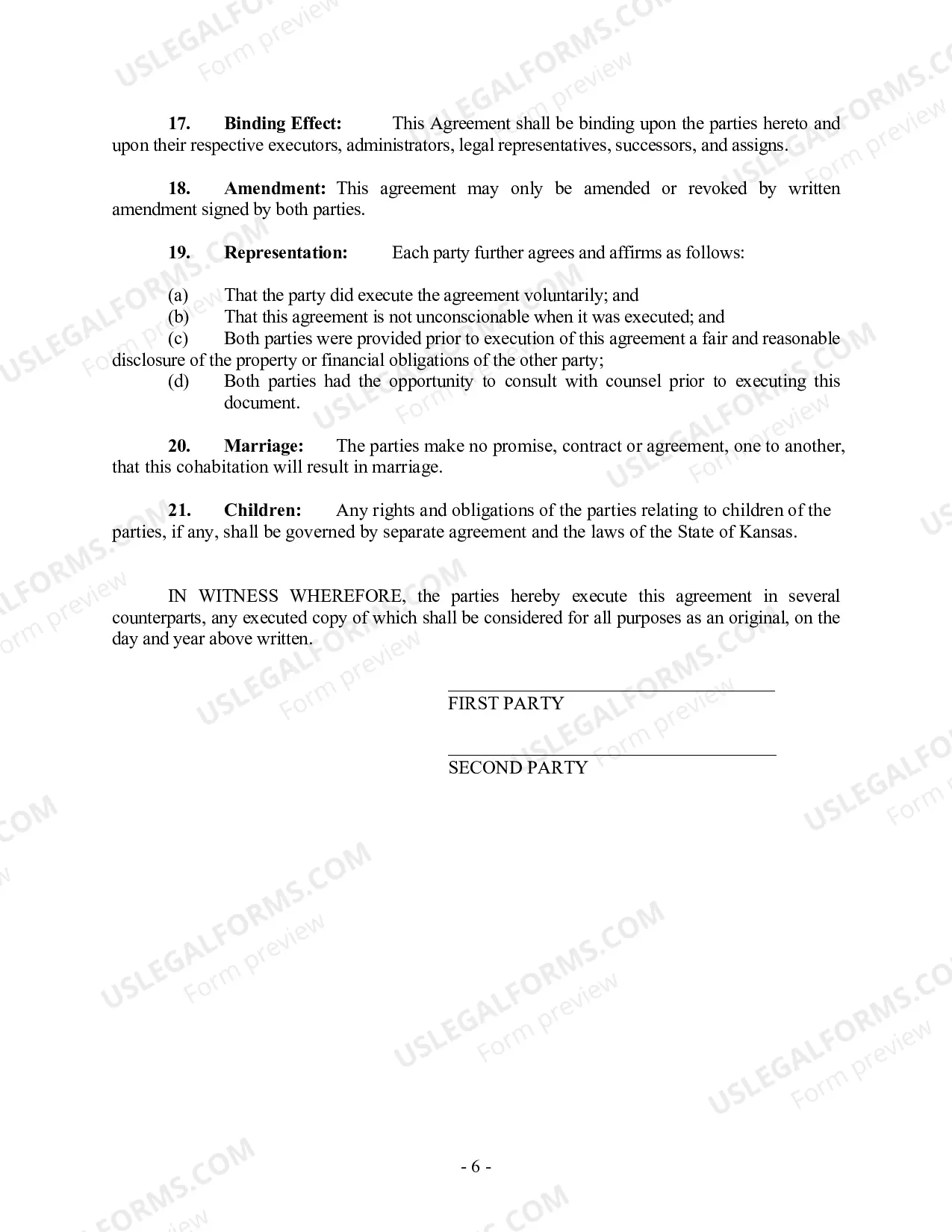
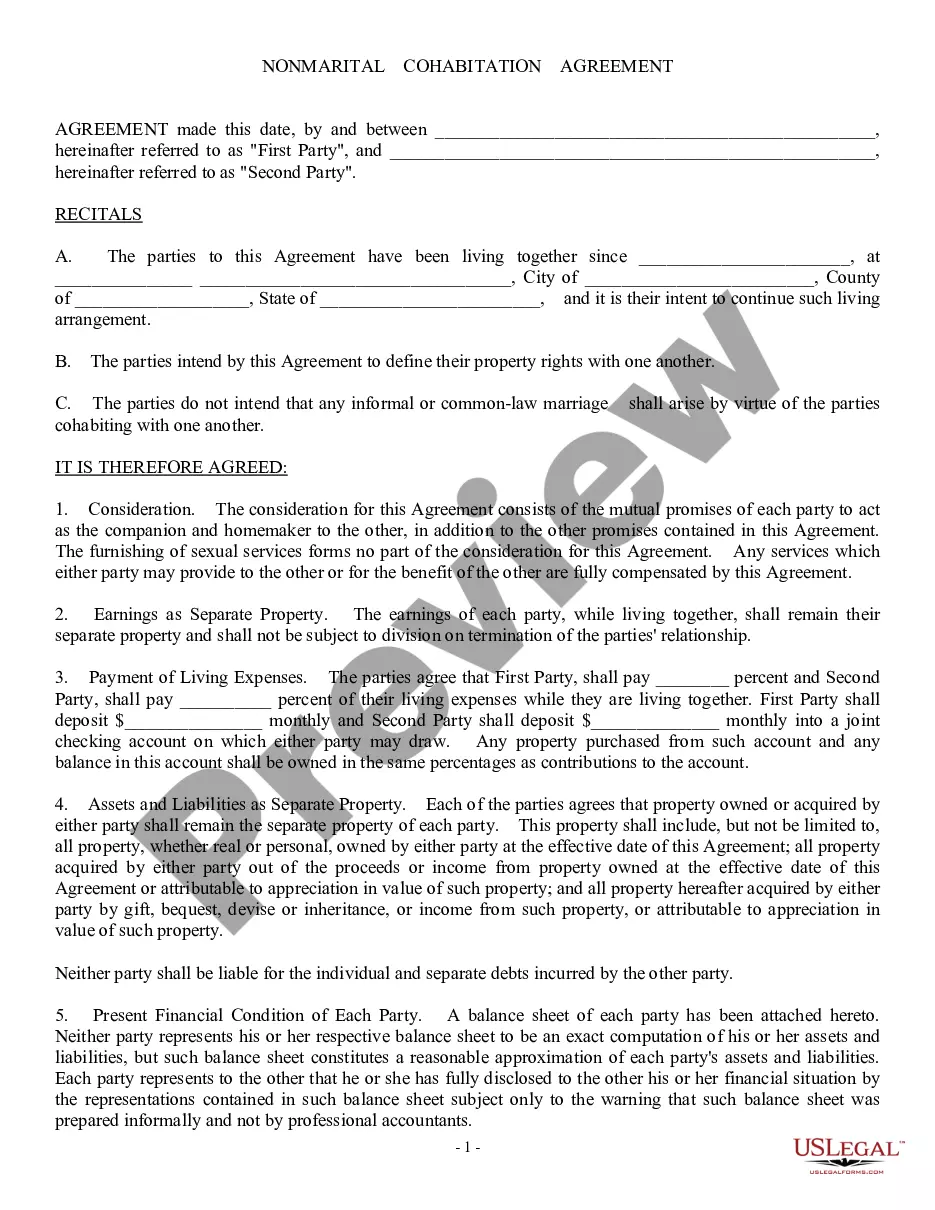
How to fill out Kansas Non-Marital Cohabitation Living Together Agreement?
- Log in to your US Legal Forms account if you're a returning user and check the validity of your subscription. Click on the Download button to save the needed template on your device.
- For first-time users, start by checking the Preview mode and reading the form description to ensure it meets your specific requirements and complies with local regulations.
- Utilize the Search tab to find alternative templates if you don’t find an ideal match at first. This will help you locate the exact form you need.
- Proceed to purchase the document by clicking the Buy Now button. Choose a subscription plan that best suits your needs, and create an account to access the documents.
- Complete your purchase by providing payment methods, either via credit card or PayPal, to gain access to your selected resources.
- Download your completed form and keep it on your device. You can find it anytime under the 'My Forms' section of your profile for future reference.
In conclusion, US Legal Forms is designed to empower users with a vast collection of legal documents and the support needed for accurate completion. With over 85,000 forms available, it stands out as a comprehensive resource for both individuals and professionals. Start your journey to simplified legal documentation today!
Explore US Legal Forms to find your Kansas living form with parent now!
Form popularity
FAQ
In Kansas, a living will does not need to be notarized to be valid; however, it must be signed in the presence of two witnesses. These witnesses must also meet specific criteria to ensure the document's legality. It's a good idea to keep copies of your living will accessible to your family. Using a Kansas living form with parent can ensure your medical and life decisions are clearly documented.
In Kansas, a child can express their preference regarding which parent to live with once they reach a certain age, generally around 14 years old. However, the court will consider various factors before making a decision based on the child's best interests. This means the child's wishes are not the only factor, but they do have a significant voice in the matter. You can ensure your wishes are respected by using a Kansas living form with parent.
Yes, you can create a will without the assistance of a lawyer in Kansas. However, it is important to follow state laws to ensure that the will is valid and meets all requirements. Using online resources or tools can simplify the process of creating a will. A Kansas living form with parent may also include provisions for your child’s future, ensuring clarity in your intentions.
Yes, a parent can temporarily withhold a child from another parent, but this action must be justified. If there is a legitimate concern for the child's safety or well-being, it may be appropriate to do so. However, it is essential to consult legal guidelines to avoid potential custody disputes. Using a Kansas living form with parent can provide a legal framework for such discussions.
In Kansas, when parents are not married, the mother typically has legal custody of the child until a court orders otherwise. This situation can change if the father seeks legal recognition through paternity proceedings. Establishing legal custody is crucial for parents, as it can impact decisions regarding the child's upbringing. Utilizing a Kansas living form with parent can help clarify custody arrangements.
In Kansas, while there is no specific age at which a child can decide which parent to live with, courts often consider the child's wishes around the age of 14. However, each case is unique, and the court will prioritize the best interests of the child. Collaborating with both parents to create a supportive environment is crucial. The Kansas living form with parent can help navigate legal decisions as the child matures.
Co-parenting across state lines requires a solid communication strategy and flexibility. Establishing a consistent schedule helps both parents stay connected with the child. Utilize technology, such as video calls, to maintain active involvement. Formalizing agreements through the Kansas living form with parent can also streamline co-parenting arrangements and ensure legal compliance.
In Kansas, a mother can move a child away from the father, but certain legal steps must be followed. Generally, the move must be consistent with existing custody laws and agreements. If the father contests the move, the mother might need to justify the relocation and its benefits for the child. Utilizing the Kansas living form with parent can help clarify legal responsibilities and protect the rights of both parents.
In child custody cases, the outcome typically hinges on what is in the child's best interest. Courts evaluate various factors, including each parent's living situation, their relationship with the child, and overall stability. While there is no guarantee who will win, being prepared with documentation and understanding legal rights, such as using the Kansas living form with parent, can enhance your position.
If a child doesn't want to live with their parents, it's vital to explore their feelings in a safe, supportive environment. Encourage your child to express their thoughts openly. Seeking guidance from a family therapist can be beneficial. Furthermore, you can consider the Kansas living form with parent to help address and resolve custody matters effectively.