Letter Tenant Violation For Violations
Description
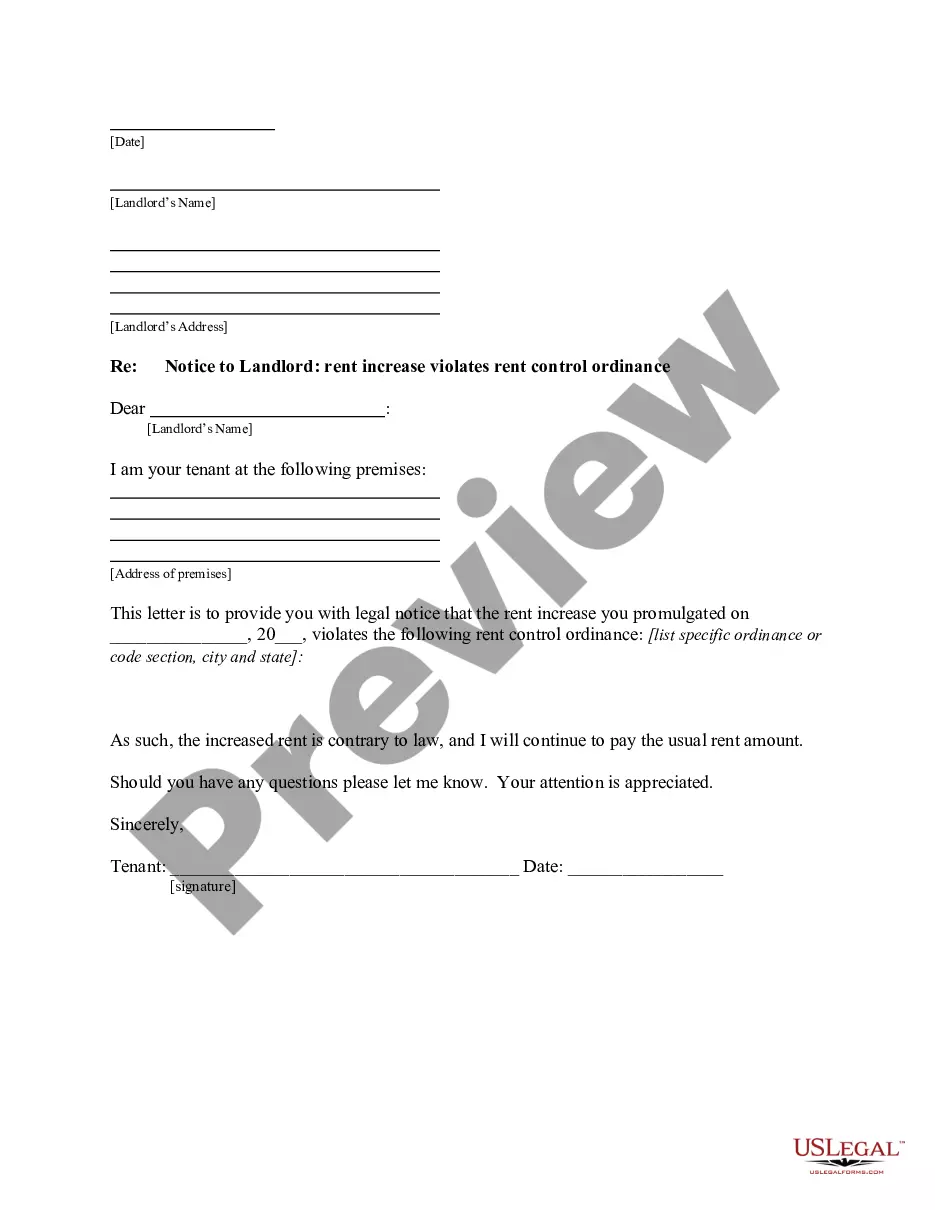
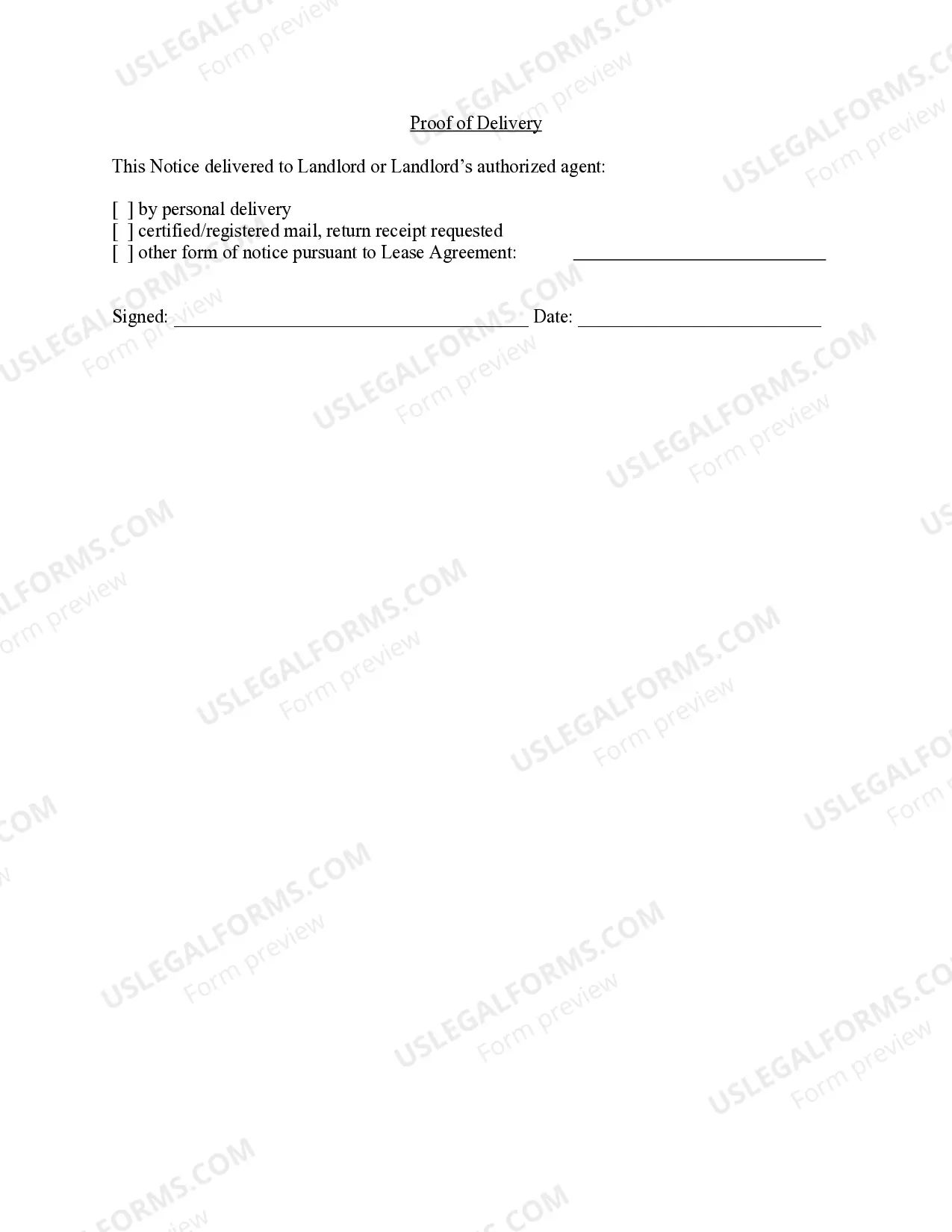

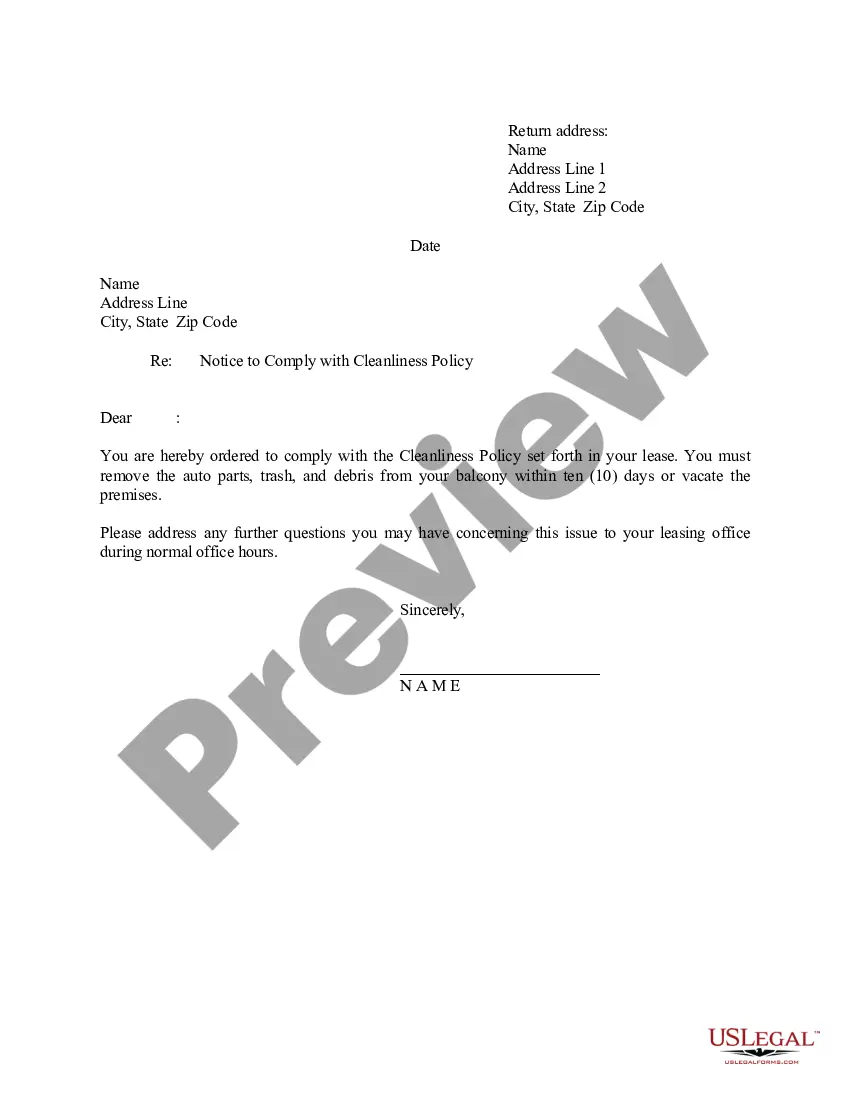
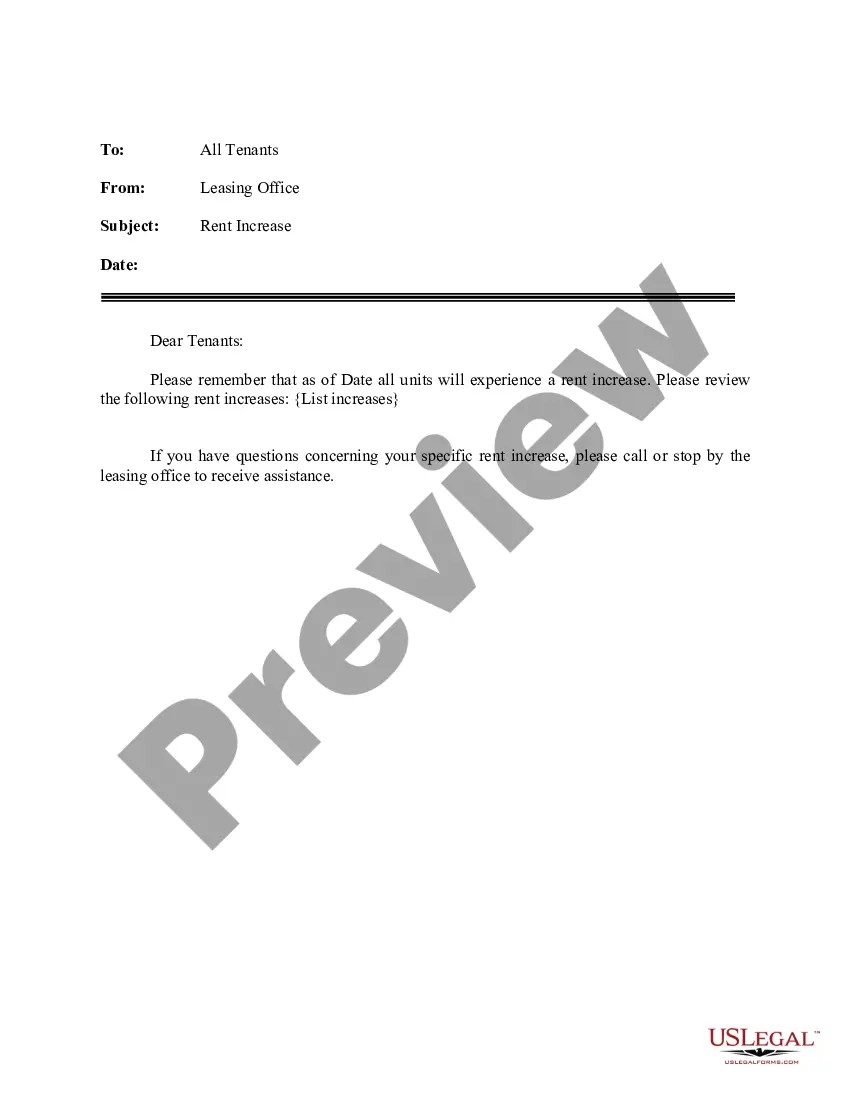
Get your form ready online
Our built-in tools help you complete, sign, share, and store your documents in one place.
Make edits, fill in missing information, and update formatting in US Legal Forms—just like you would in MS Word.
Download a copy, print it, send it by email, or mail it via USPS—whatever works best for your next step.
Sign and collect signatures with our SignNow integration. Send to multiple recipients, set reminders, and more. Go Premium to unlock E-Sign.
If this form requires notarization, complete it online through a secure video call—no need to meet a notary in person or wait for an appointment.
We protect your documents and personal data by following strict security and privacy standards.

Make edits, fill in missing information, and update formatting in US Legal Forms—just like you would in MS Word.

Download a copy, print it, send it by email, or mail it via USPS—whatever works best for your next step.

Sign and collect signatures with our SignNow integration. Send to multiple recipients, set reminders, and more. Go Premium to unlock E-Sign.

If this form requires notarization, complete it online through a secure video call—no need to meet a notary in person or wait for an appointment.

We protect your documents and personal data by following strict security and privacy standards.
Looking for another form?

Form popularity
FAQ
To write a letter explaining a warning, start by clearly stating the violation and its implications for the tenant. Provide context about prior communications and specify what actions are expected moving forward. A letter tenant violation for violations can effectively address this situation and help ensure your message is precise and clear for the tenant.
Receiving a violation on your lease can lead to serious consequences, such as fines, eviction, or legal action, depending on the severity of the breach. It is essential to address the violation promptly and ideally communicate with your landlord. Document any incidents clearly, and you may find that a letter tenant violation for violations may provide you with guidance on how to proceed effectively.
A good warning letter should be straightforward, outlining the specific violation and related lease terms. Keep the tone respectful and focused on resolution, and suggest steps the tenant can take to rectify the situation. Consider utilizing a letter tenant violation for violations template to maintain professionalism and coherence in your message.
Writing a formal letter to a tenant involves a professional tone and a clear structure. Start with the date and the tenant's address, followed by a greeting. Clearly explain the purpose of the letter, whether it's to address a lease violation or provide important information. Using a letter tenant violation for violations format can help ensure clarity and preciseness.
When writing a warning letter to your tenant, clearly state the specific violation and refer to the lease agreement. Be polite yet direct, explaining the consequences of not resolving the issue. Use the letter tenant violation for violations template to ensure you cover all necessary details and options. Remember to sign the letter and keep a copy for your records.
To prove an unauthorized occupant letter, gather evidence such as lease agreements, communication records, and photos if necessary. Document any interactions with the tenant regarding the unauthorized occupant, as these details will strengthen your case. Make sure to highlight the specific lease violations tied to the presence of the unauthorized occupant in your letter tenant violation for violations.
To respond to a lease violation, first acknowledge the receipt of the violation notice. Gather documentation that supports your case and provide a clear explanation of the circumstances. Then, send a well-crafted letter that outlines your understanding of the issue and your commitment to remedy it. A Letter tenant violation for violations can be a useful tool, ensuring that your response is professional and comprehensive.
The most common action landlords take against tenants in breach of contract is issuing a notice to cure the violation or begin eviction proceedings. This process often starts with a formal communication outlining the specific lease violations. Landlords may also seek legal remedies, such as filing for eviction, if the violation continues without resolution. To prepare, tenants can utilize a Letter tenant violation for violations to clearly express their position and plan.
When you receive a lease violation notice, it's important to respond promptly. Start by reviewing the notice carefully to understand the specific violations. You should then gather any relevant documentation or evidence that supports your case. Finally, draft a letter addressing the landlord's concerns, referencing the lease terms, and outlining your plan for compliance. Utilize a Letter tenant violation for violations to help structure your response effectively.
If your landlord violates the lease, you have several options to address the issue. First, document the violation thoroughly and gather any relevant evidence. Then, consider sending a Letter tenant violation for violations to clearly communicate your concerns and initiate a dialogue. If the situation does not improve, you may need to seek legal advice or explore your options for legal remedies.