Equitable To In A Sentence
Description
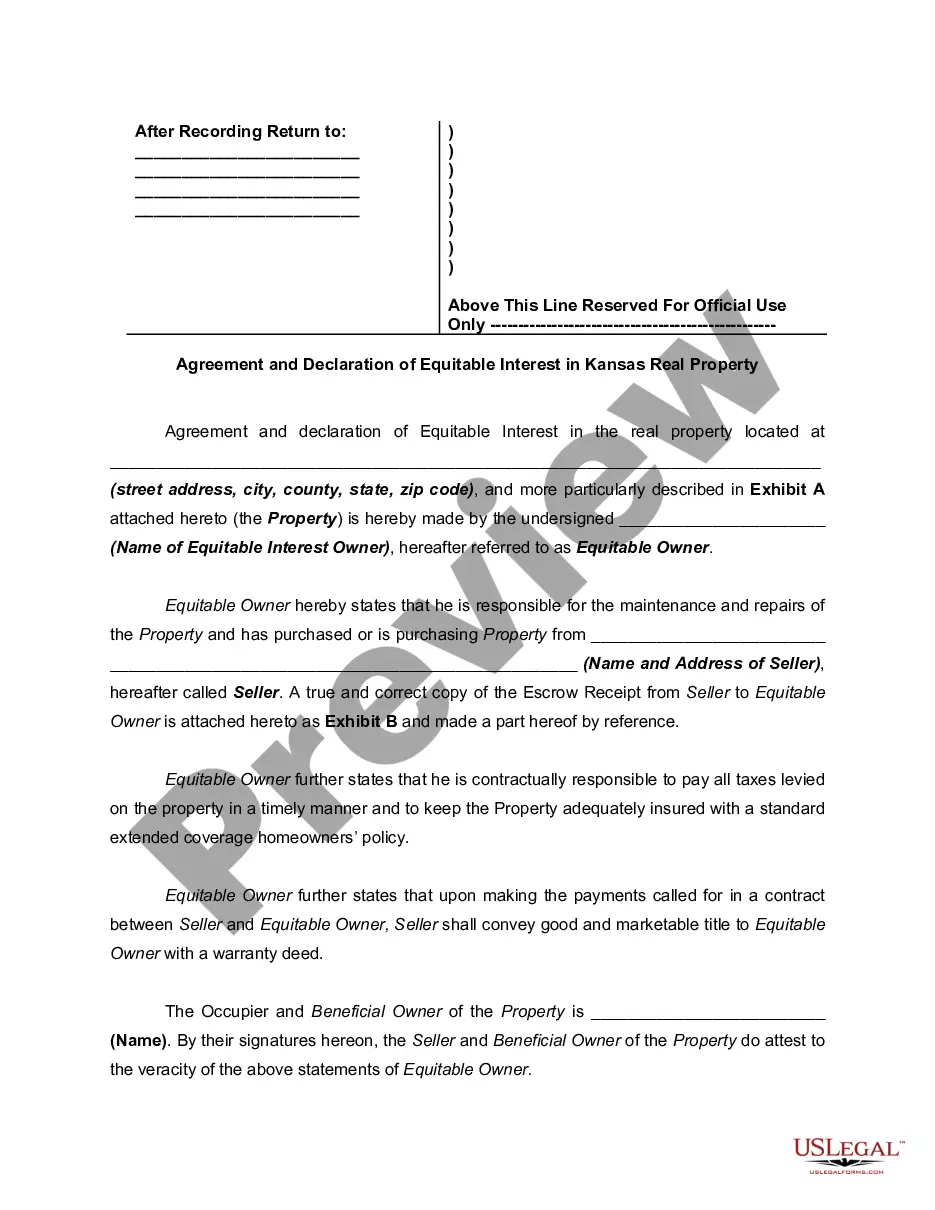
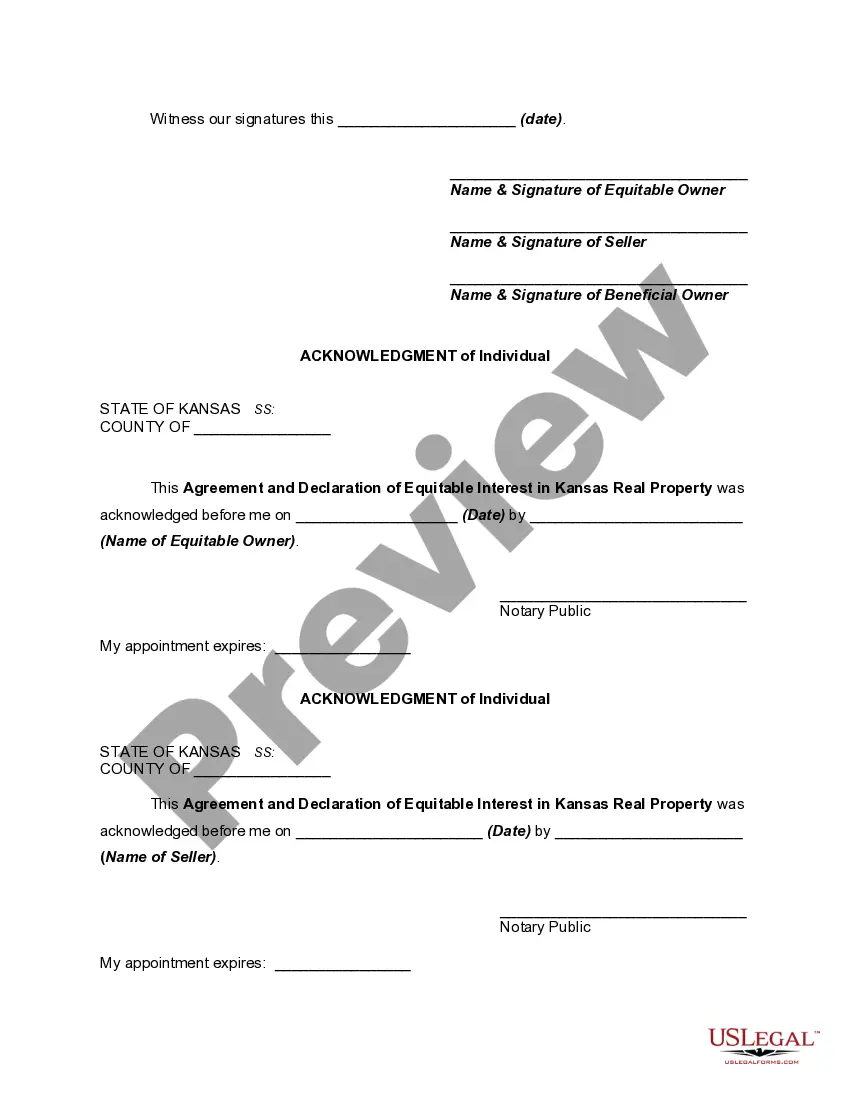

Get your form ready online
Our built-in tools help you complete, sign, share, and store your documents in one place.
Make edits, fill in missing information, and update formatting in US Legal Forms—just like you would in MS Word.
Download a copy, print it, send it by email, or mail it via USPS—whatever works best for your next step.
Sign and collect signatures with our SignNow integration. Send to multiple recipients, set reminders, and more. Go Premium to unlock E-Sign.
If this form requires notarization, complete it online through a secure video call—no need to meet a notary in person or wait for an appointment.
We protect your documents and personal data by following strict security and privacy standards.

Make edits, fill in missing information, and update formatting in US Legal Forms—just like you would in MS Word.

Download a copy, print it, send it by email, or mail it via USPS—whatever works best for your next step.

Sign and collect signatures with our SignNow integration. Send to multiple recipients, set reminders, and more. Go Premium to unlock E-Sign.

If this form requires notarization, complete it online through a secure video call—no need to meet a notary in person or wait for an appointment.

We protect your documents and personal data by following strict security and privacy standards.
Looking for another form?
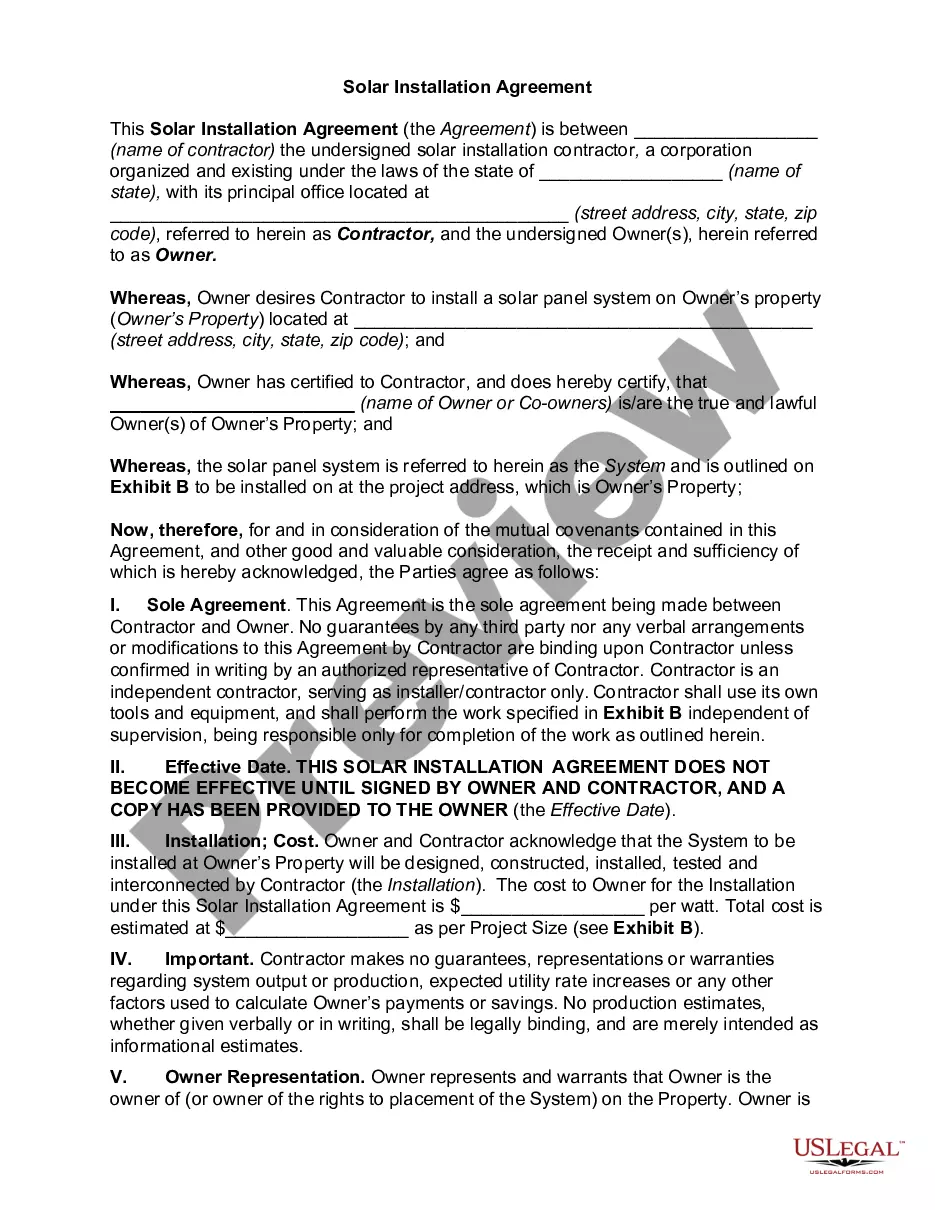

How to fill out Agreement And Declaration Of Equitable Interest In Kansas Real Property?
Acquiring legal document samples that adhere to federal and local statutes is essential, and the internet provides numerous options to select from.
However, what’s the purpose of squandering time trying to find the appropriate Equitable To In A Sentence example online if the US Legal Forms digital repository already consolidates such templates in one location.
US Legal Forms is the top online legal repository with more than 85,000 fillable templates crafted by lawyers for various business and personal situations.
Preview the template using the Preview option or the text description to ensure it fulfills your requirements.
- They are simple to navigate with all documents organized by state and intended use.
- Our experts keep up with legal changes, ensuring that your form is current and compliant when obtaining an Equitable To In A Sentence from our site.
- Obtaining an Equitable To In A Sentence is straightforward and quick for both existing and new users.
- If you already have an account with an active subscription, sign in and download the document sample you need in the correct format.
- If you are new to our site, follow these steps.
Form popularity
FAQ
You should use equitable when you want to express fairness or justice in a situation. It is particularly relevant in legal contexts where balance and fairness play crucial roles. For instance, in family law or probate matters, equitable remedies can provide a more just solution than strict legal options. Therefore, when drafting documents or discussing scenarios, it’s essential to demonstrate how to structure your thoughts equitably to in a sentence.
You can express the concept of equity in a sentence like this: 'The proposal aimed to ensure equity among all community members.' This emphasizes the importance of fairness in distribution and treatment. Using 'equity' in this way highlights its significance in creating just outcomes.
To use 'inchoate' in a simple sentence, you might say, 'The project is still inchoate and requires further development.' This succinctly communicates the idea of something that is not fully formed or developed yet. Clarity in such sentences ensures the message is easily understood.
An example of equitable can be seen in property distribution during a divorce. Instead of splitting assets down the middle, determining what is equitable considers contributions and needs. This approach leads to resolutions that are fair and just, reflecting the interests of both parties.
Here are five sentences that use 'equitable' effectively: 'The organization developed an equitable policy for employee raises.' 'Finding equitable solutions is vital in negotiations.' 'The court ruled that the division of assets must be equitable.' 'We aim for equitable treatment of all applicants.' 'The community demanded equitable access to resources.' Each sentence showcases the term in a practical context.
A good sentence to illustrate the concept of equitable could be: 'It is important to create an equitable agreement that reflects the contributions of all involved.' This showcases the intent to ensure fairness in arrangements. Using 'equitable' effectively conveys a commitment to justice in partnerships.
You can express the term 'equitable' in a sentence like this: 'The judge aimed to provide an equitable solution for both parties.' This usage highlights the focus on fairness and justice, essential in legal matters. Such sentences benefit from clarity and emphasize the importance of equitable solutions.
'Just equitable' refers to fairness and justice in distribution, often ensuring that outcomes are balanced. In legal contexts, it emphasizes what is fair based on the situation, rather than strict adherence to the law. This concept plays a crucial role in creating agreements and resolutions that serve the best interests of all parties involved.
Examples of equitable include the phrase 'an equitable distribution of resources' and 'she received equitable treatment in the workplace.' These instances illustrate fairness and justice in different contexts. You can also say 'the agreement was based on equitable principles,' which reinforces the concept of fairness. Using 'equitable' helps express the importance of balance in various situations.
To effectively use the word 'equitable' in a sentence, consider this: 'The judge made an equitable decision that balanced the interests of both parties equally.' This shows how the term describes fairness. It's essential to use 'equitable' when discussing matters that require justice or balanced treatment. By doing so, you clearly convey the idea of fairness in your writing.