Equitable Rules
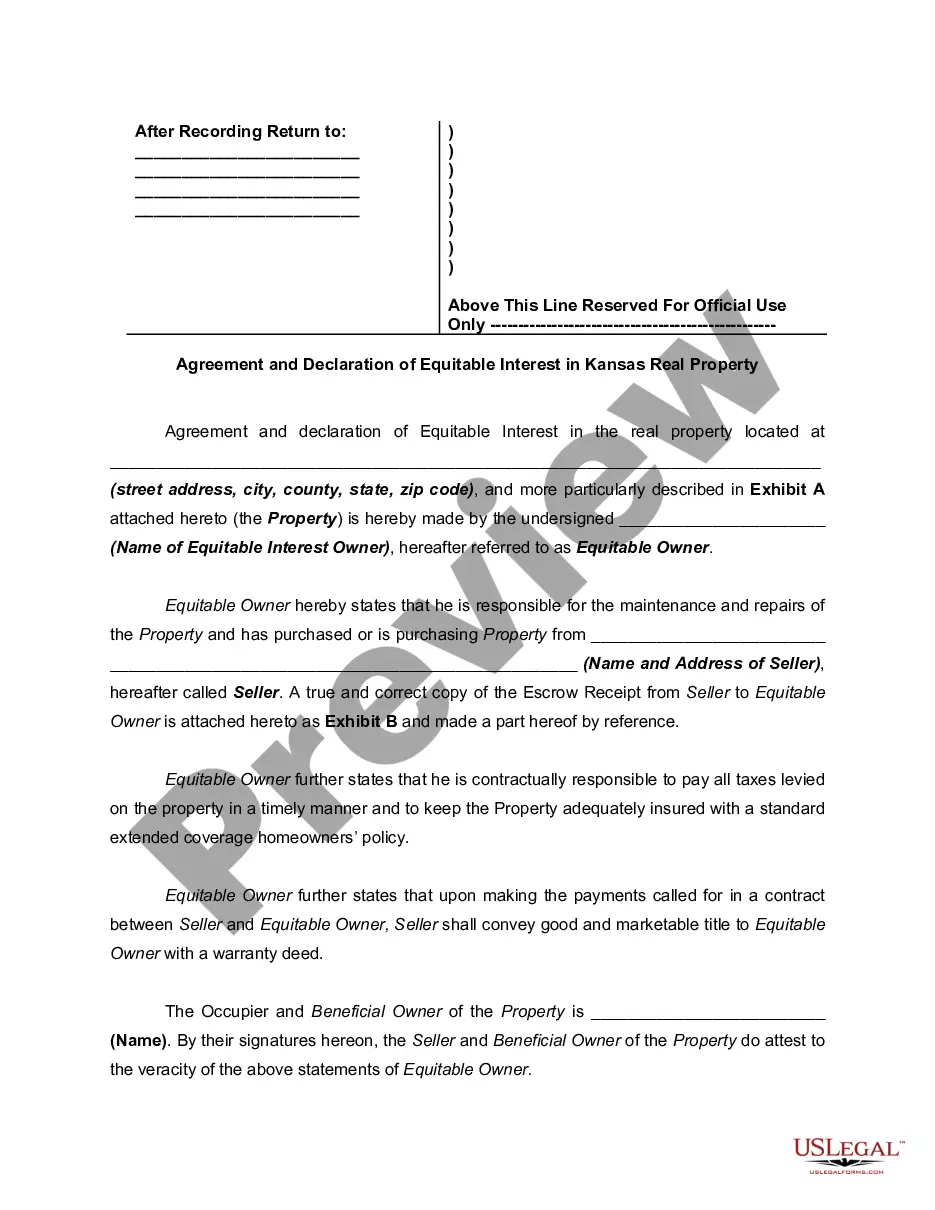
Description

Get your form ready online
Our built-in tools help you complete, sign, share, and store your documents in one place.
Make edits, fill in missing information, and update formatting in US Legal Forms—just like you would in MS Word.
Download a copy, print it, send it by email, or mail it via USPS—whatever works best for your next step.
Sign and collect signatures with our SignNow integration. Send to multiple recipients, set reminders, and more. Go Premium to unlock E-Sign.
If this form requires notarization, complete it online through a secure video call—no need to meet a notary in person or wait for an appointment.
We protect your documents and personal data by following strict security and privacy standards.

Make edits, fill in missing information, and update formatting in US Legal Forms—just like you would in MS Word.

Download a copy, print it, send it by email, or mail it via USPS—whatever works best for your next step.

Sign and collect signatures with our SignNow integration. Send to multiple recipients, set reminders, and more. Go Premium to unlock E-Sign.

If this form requires notarization, complete it online through a secure video call—no need to meet a notary in person or wait for an appointment.

We protect your documents and personal data by following strict security and privacy standards.
Looking for another form?




How to fill out Agreement And Declaration Of Equitable Interest In Kansas Real Property?
Creating legal documents from the ground up can occasionally feel overwhelming.
Certain situations may require extensive research and a significant financial investment.
If you’re seeking a simpler and more budget-friendly method of drafting Equitable Rules or other forms without unnecessary complications, US Legal Forms is always accessible to you.
Our online collection of over 85,000 current legal forms covers almost every aspect of your financial, legal, and personal matters.
- With just a few clicks, you can swiftly access state- and county-specific templates meticulously arranged for you by our legal professionals.
- Utilize our website whenever you require a dependable and trustworthy service through which you can easily locate and obtain the Equitable Rules.
- If you’re already a member and have created an account with us before, simply Log In to your account, select the form, and download it or re-download it anytime in the My documents section.
- Not a member yet? No problem. It requires minimal time to register and browse the library.
Form popularity
FAQ
To obtain equitable title, you typically need to enter into an agreement with the current owner of the property. This agreement usually takes the form of a contract, which must outline the terms of your future ownership. Once you fulfill the conditions set forth in the contract, you can claim your equitable title. Understanding equitable rules can guide you through this process effectively.
A court typically awards an equitable remedy when monetary damages are insufficient to resolve a conflict. Common situations include cases of property disputes, breaches of fiduciary duty, or situations where specific performance is necessary. The court will consider factors such as the conduct of the parties involved and the potential harm suffered. Familiarizing yourself with equitable rules can help you understand the likelihood of receiving such a remedy.
Filing for equitable relief involves several steps. Start by understanding the specific equitable rules that apply to your situation. You can then prepare a petition detailing your case, including the harm suffered and the specific relief requested. Utilizing resources like UsLegalForms can simplify this process, providing structured templates that ensure you meet all legal requirements.
An equitable claim often arises in cases where financial compensation is inadequate. For example, if a property was wrongfully taken, the owner might seek an injunction to reclaim possession rather than just monetary damages. This type of claim falls under equitable rules, emphasizing fairness and justice. Understanding these examples can help you assess if your situation qualifies for equitable relief.
To file a claim under equitable rules, you first need to gather all relevant documentation supporting your case. Next, identify the appropriate court to submit your claim, as different jurisdictions may have specific requirements. UsLegalForms offers templates that can guide you through the process, ensuring you include all necessary details. Finally, submit your claim, and be prepared to provide any additional information the court may request.
The primary difference lies in the rights associated with each title. Legal title grants formal ownership of the property, while equitable title provides certain rights to benefit from it, even if the legal title is held by another party. This distinction is crucial in understanding property rights and obligations under equitable rules. By familiarizing yourself with these terms, you can better protect your interests in real estate and related transactions.
Equitable set off allows a party to balance mutual debts against each other, preventing unjust enrichment. To invoke equitable rules in this context, the debts must be closely related, and both parties should have a right to claim against each other. Additionally, it is important that the debts are due and payable, as this reinforces the fairness of the set off. Legal frameworks, such as those available on uslegalforms, provide guidance on structuring these agreements.
An equitable title refers to a person's right to obtain full ownership of a property, even if they do not hold the legal title. This concept is rooted in equitable rules, which prioritize fairness and justice in property disputes. Essentially, equitable title gives the holder certain rights, such as the ability to benefit from the property, while legal title denotes formal ownership. Understanding these distinctions helps you navigate real estate transactions effectively.
Equity can manifest in various forms, including ownership in a company or the fair value of property after liabilities are deducted. For instance, if you own a home worth $300,000 with a remaining mortgage of $200,000, your equity in the home is $100,000. Such examples illustrate how equitable rules apply in financial contexts. Using platforms like US Legal Forms can help you navigate equity-related agreements efficiently.
To prove equitable ownership, you must present evidence of your interest in the property, such as a signed contract or any related documents. This documentation shows that you have a right to the property, even if you do not hold the legal title. Furthermore, demonstrating your financial contributions to the property can strengthen your claim. Consulting resources on equitable rules can provide additional insights into effectively proving your ownership.