Equitable Interest In Real Estate
Description
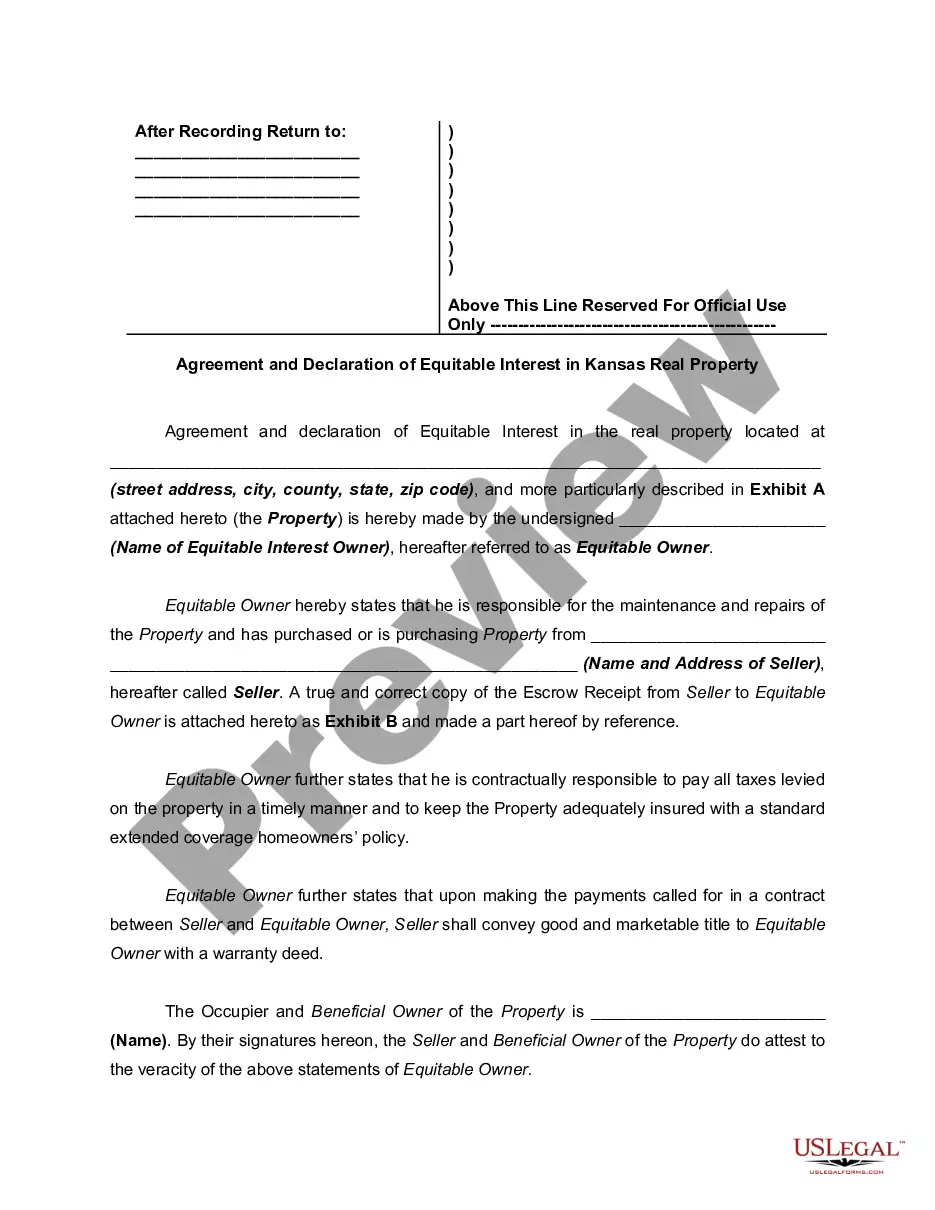
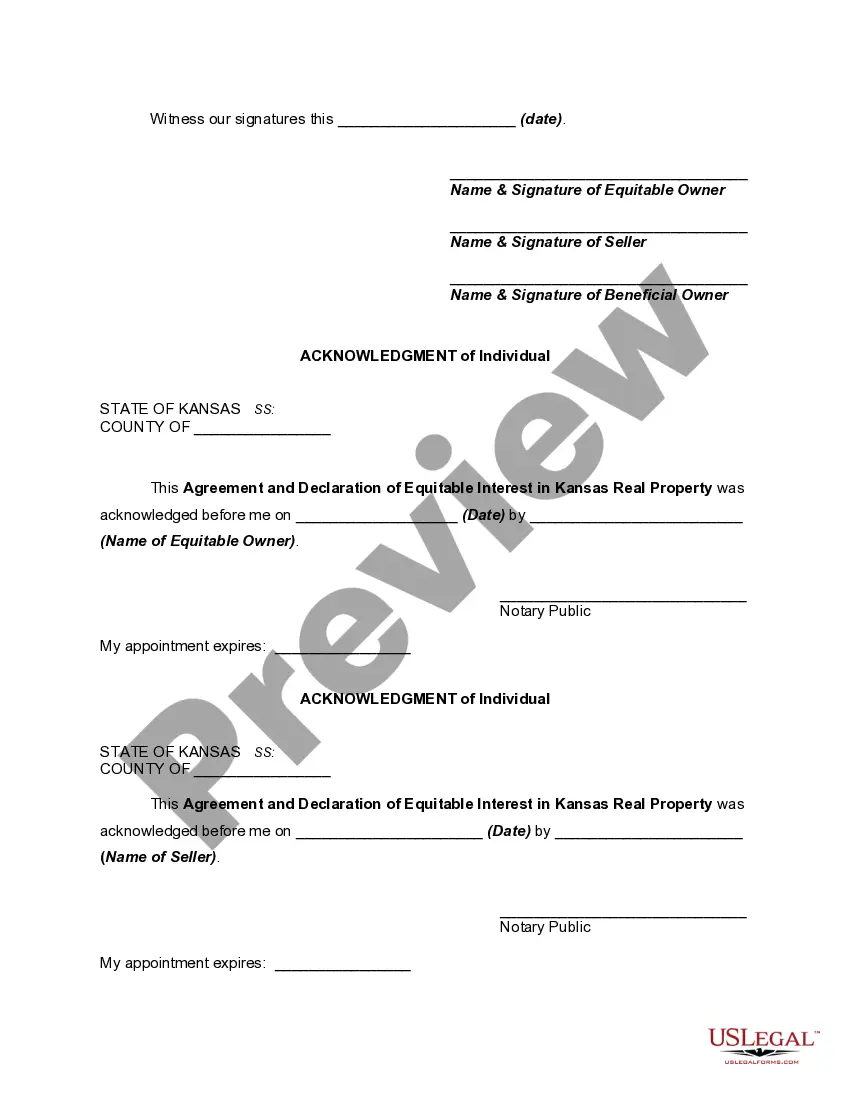
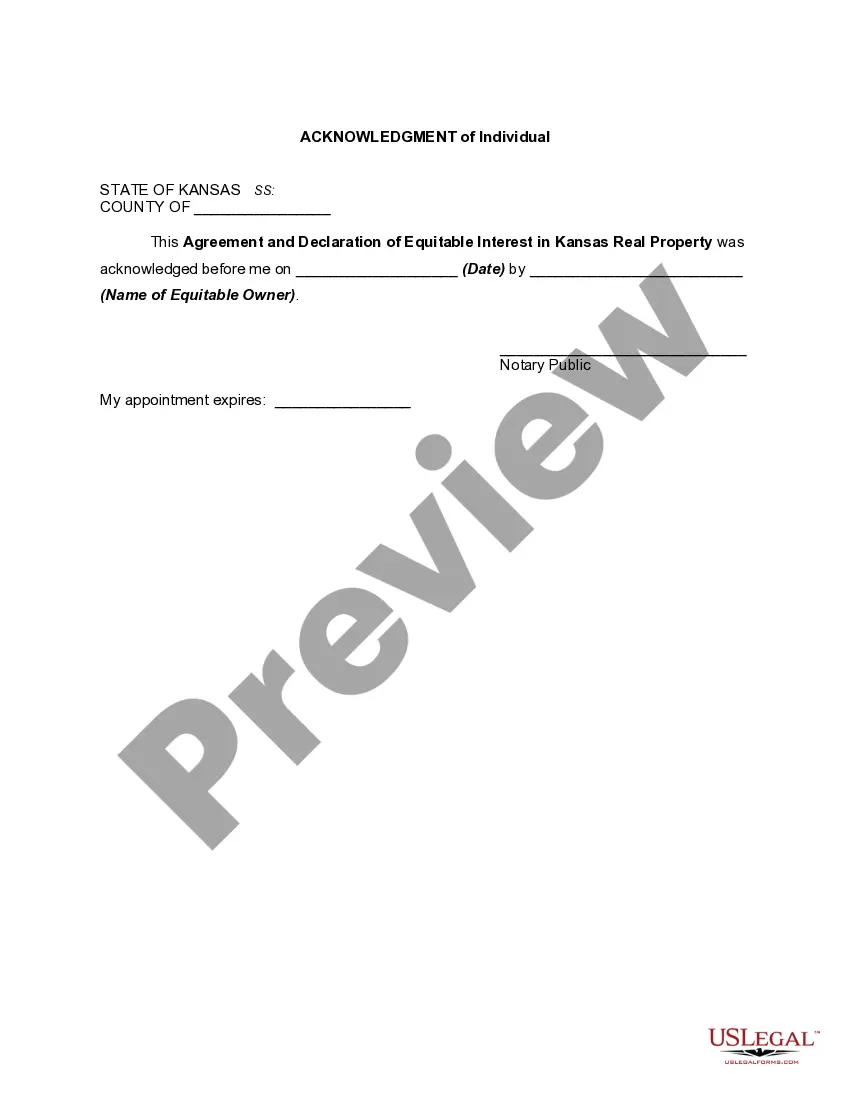

Get your form ready online
Our built-in tools help you complete, sign, share, and store your documents in one place.
Make edits, fill in missing information, and update formatting in US Legal Forms—just like you would in MS Word.
Download a copy, print it, send it by email, or mail it via USPS—whatever works best for your next step.
Sign and collect signatures with our SignNow integration. Send to multiple recipients, set reminders, and more. Go Premium to unlock E-Sign.
If this form requires notarization, complete it online through a secure video call—no need to meet a notary in person or wait for an appointment.
We protect your documents and personal data by following strict security and privacy standards.

Make edits, fill in missing information, and update formatting in US Legal Forms—just like you would in MS Word.

Download a copy, print it, send it by email, or mail it via USPS—whatever works best for your next step.

Sign and collect signatures with our SignNow integration. Send to multiple recipients, set reminders, and more. Go Premium to unlock E-Sign.

If this form requires notarization, complete it online through a secure video call—no need to meet a notary in person or wait for an appointment.

We protect your documents and personal data by following strict security and privacy standards.
Looking for another form?
Form popularity
FAQ
A real property interest describes the rights an individual has in real estate, including ownership, use, and enjoyment of the property. This interest can be either legal or equitable. Legal interests grant direct control and ownership, while equitable interests allow for certain benefits from the property. When dealing with equitable interest in real estate, recognizing the type of interest held is essential for navigating your rights and responsibilities.
An equitable interest in personality refers to a right to benefit from a property or asset that is not legally owned by an individual. While someone else may hold legal title, you possess certain rights to the benefits of that asset. In the context of equitable interest in real estate, it provides individuals with a claim to enjoyment and use of property, despite not holding the title. Understanding these interests can be crucial for real estate transactions and agreements.