Letter Acceptance Application With Resume In Bronx
Description
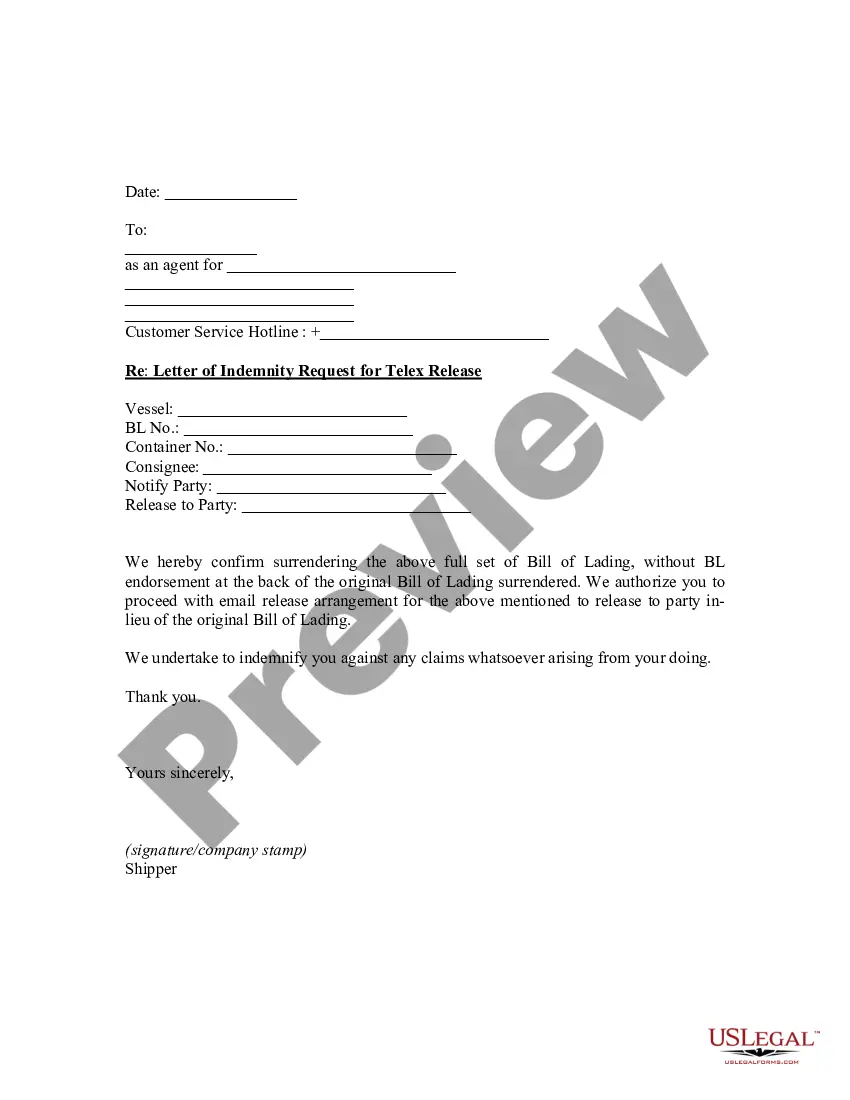
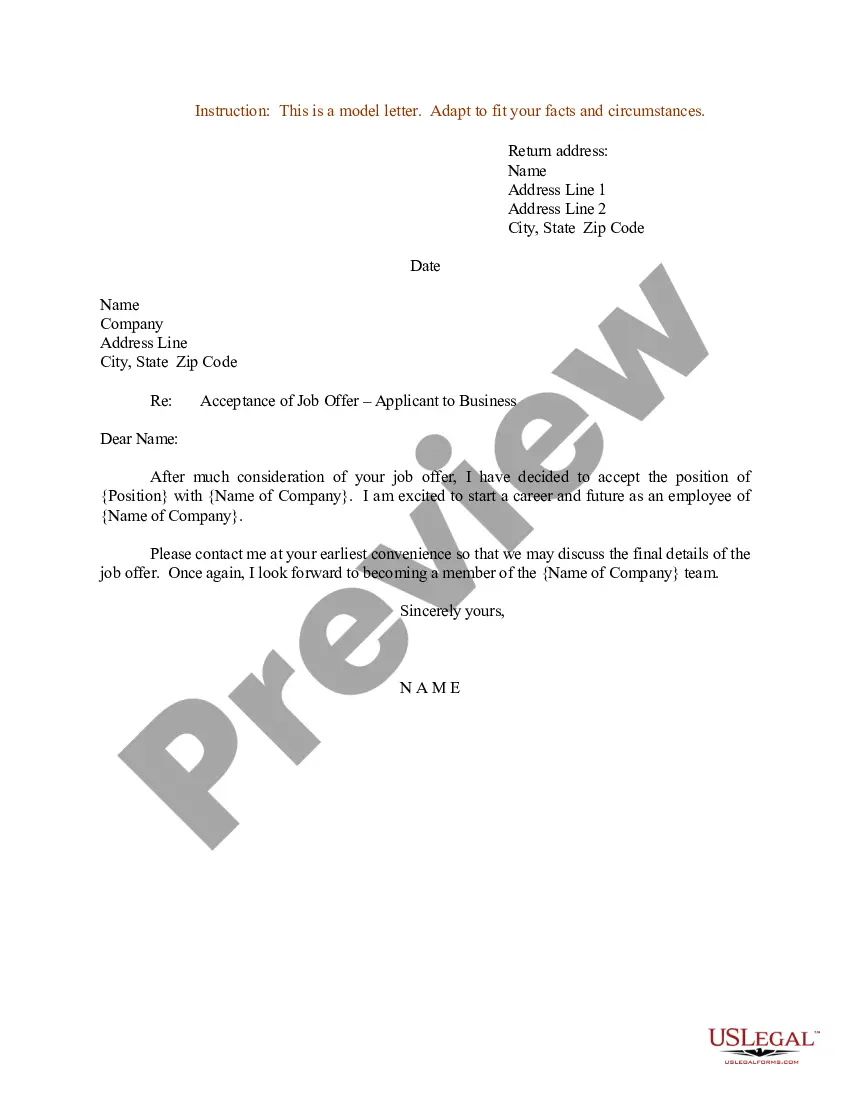
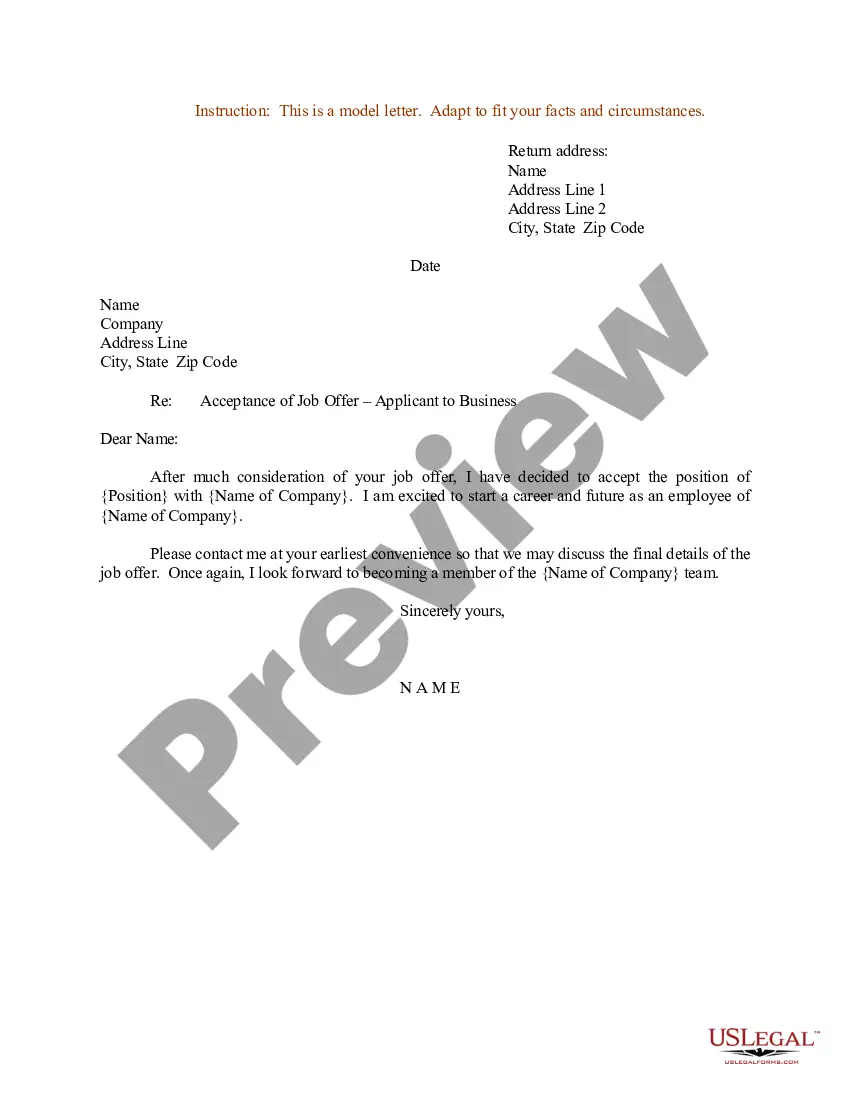
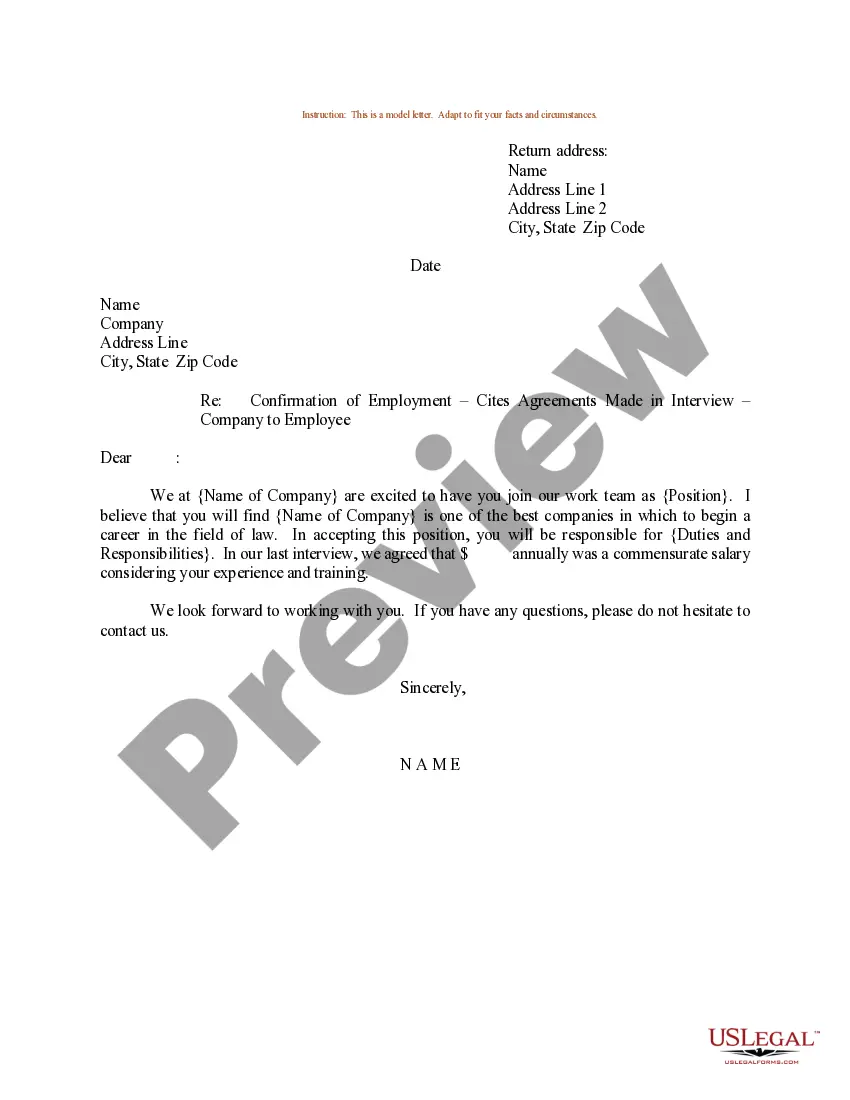
Get your form ready online
Our built-in tools help you complete, sign, share, and store your documents in one place.
Make edits, fill in missing information, and update formatting in US Legal Forms—just like you would in MS Word.
Download a copy, print it, send it by email, or mail it via USPS—whatever works best for your next step.
Sign and collect signatures with our SignNow integration. Send to multiple recipients, set reminders, and more. Go Premium to unlock E-Sign.
If this form requires notarization, complete it online through a secure video call—no need to meet a notary in person or wait for an appointment.
We protect your documents and personal data by following strict security and privacy standards.

Make edits, fill in missing information, and update formatting in US Legal Forms—just like you would in MS Word.

Download a copy, print it, send it by email, or mail it via USPS—whatever works best for your next step.

Sign and collect signatures with our SignNow integration. Send to multiple recipients, set reminders, and more. Go Premium to unlock E-Sign.

If this form requires notarization, complete it online through a secure video call—no need to meet a notary in person or wait for an appointment.

We protect your documents and personal data by following strict security and privacy standards.
Looking for another form?









Form popularity
FAQ
A resume is a summary of your education, job experience, and job-related skills that you send to potential employers. From it and the accompanying application letter, potential employers learn about you and decide whether to interview you for a job.
A résumé on the other hand is a quick summary of a person's relevant education and experiences. This document will typically include sections on education, professional and volunteer experiences, and any relevant skills, training, or certificates.
A resume is a formal document that a job applicant creates to itemize their qualifications for a position. A resume is usually accompanied by a customized cover letter in which the applicant expresses an interest in a specific job or company and draws attention to the most relevant specifics on the resume.
A job application requires you to be very self-focused; it asks lots of personal questions that pertain only to you. A resume is much more focused on what kind of work experience you've got and how well these experiences match up with the position being applied for.
A resume is a summary of your education, job experience, and job-related skills that you send to potential employers. From it and the accompanying application letter, potential employers learn about you and decide whether to interview you for a job.
How To Email A Resume To Hiring Managers? Review any instructions carefully. Save your resume in the preferred format. Include an appropriate subject line. Determine if a cover letter is necessary. End your mail with a proper signature. Proofread your email.
The subject of the email can simply say ``cv'' or ``resume.'' In the content of the email, reiterate your interest in the position and mention that your CV is attached.
How to write a job application email Write a clear subject line. Include a salutation. Introduce yourself in the first sentence. Turn your cover letter into the body of your email. Close with details. Sign your email. Attach your materials. Proofread before you hit “send.”
How to email a resume Follow instructions. Attach a file. Write a clear subject line. Consider adding a cover letter. Send from a professional email address. Conclude with a proper signature. Proofread and send a test email.
How to combine a cover letter and resume into one document Determine which document to add first. Revise and review both documents. Open a new document. Insert each document into the new file. Create a page break. Confirm in an email. Use active verbs. Customize both parts of your application.
