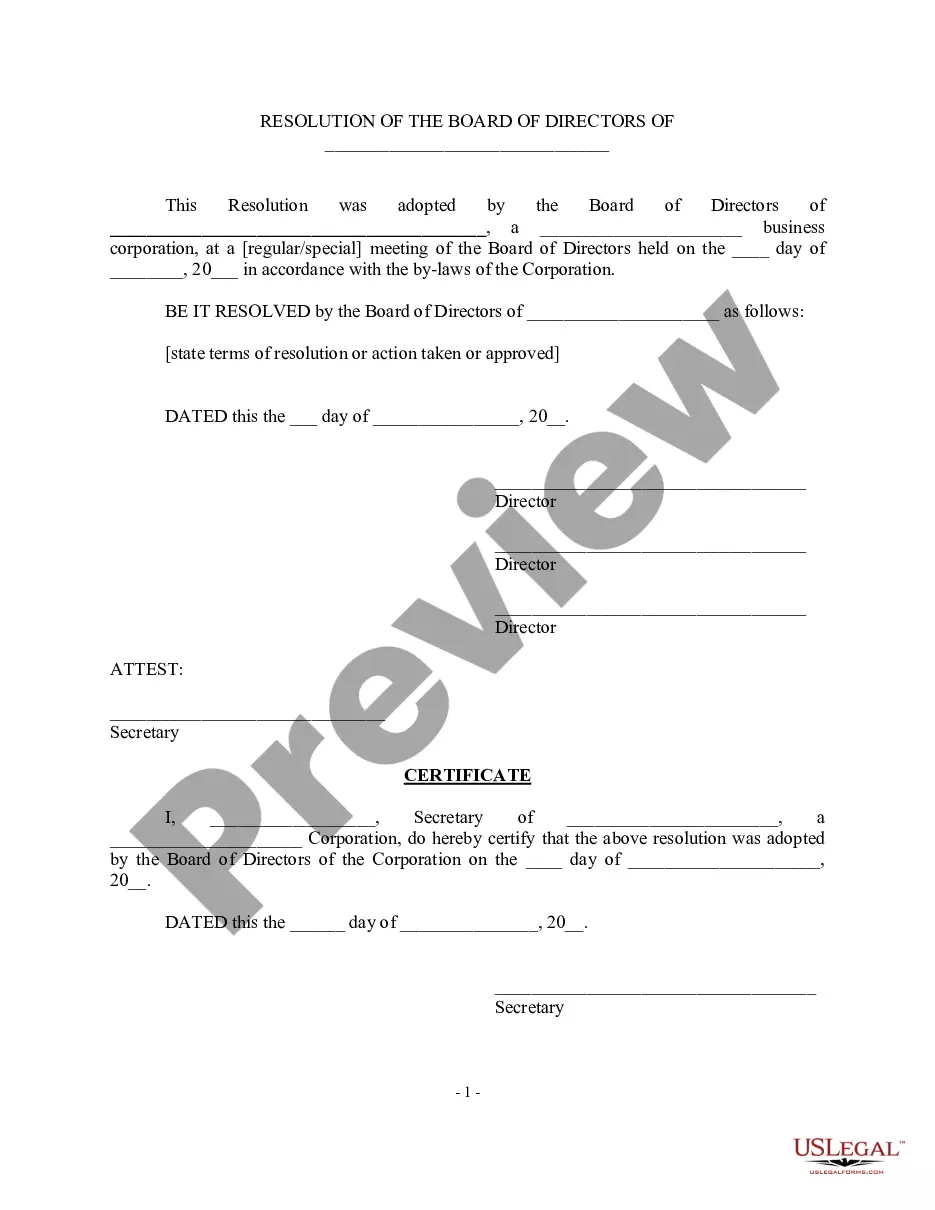
Indiana Separation Agreement Without Lawyer
Description
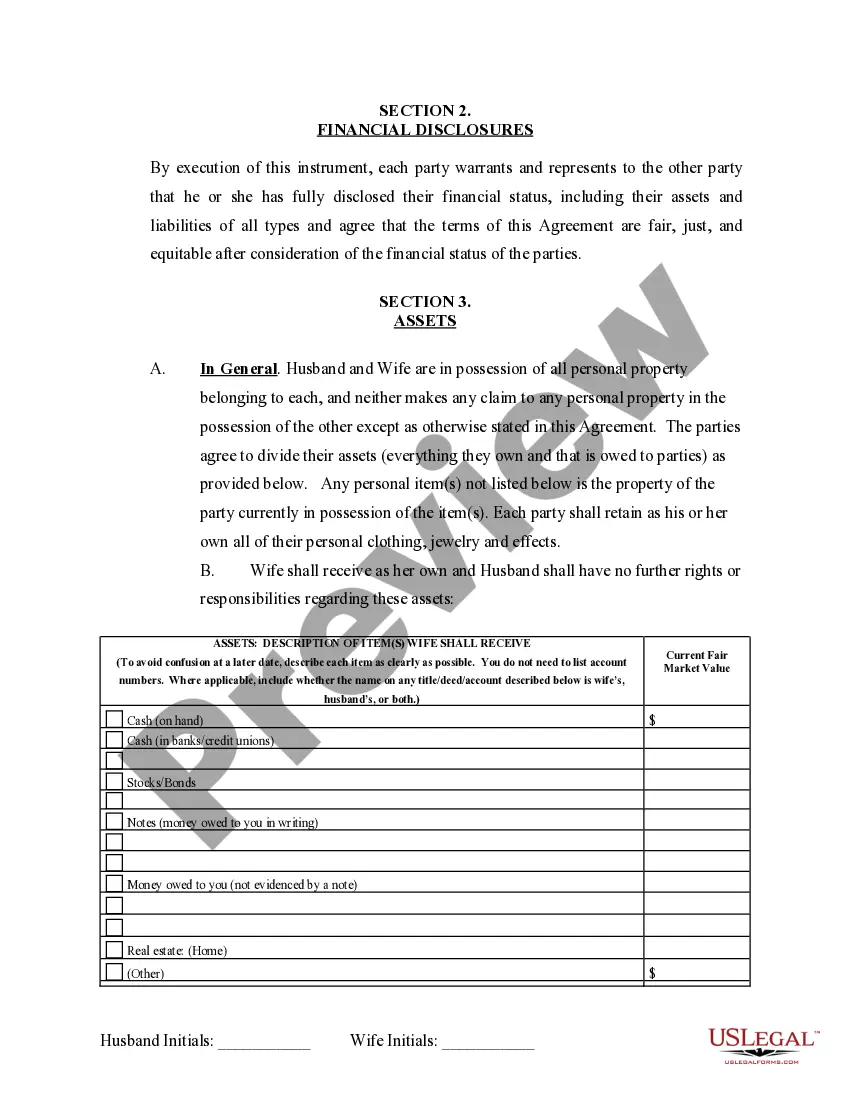
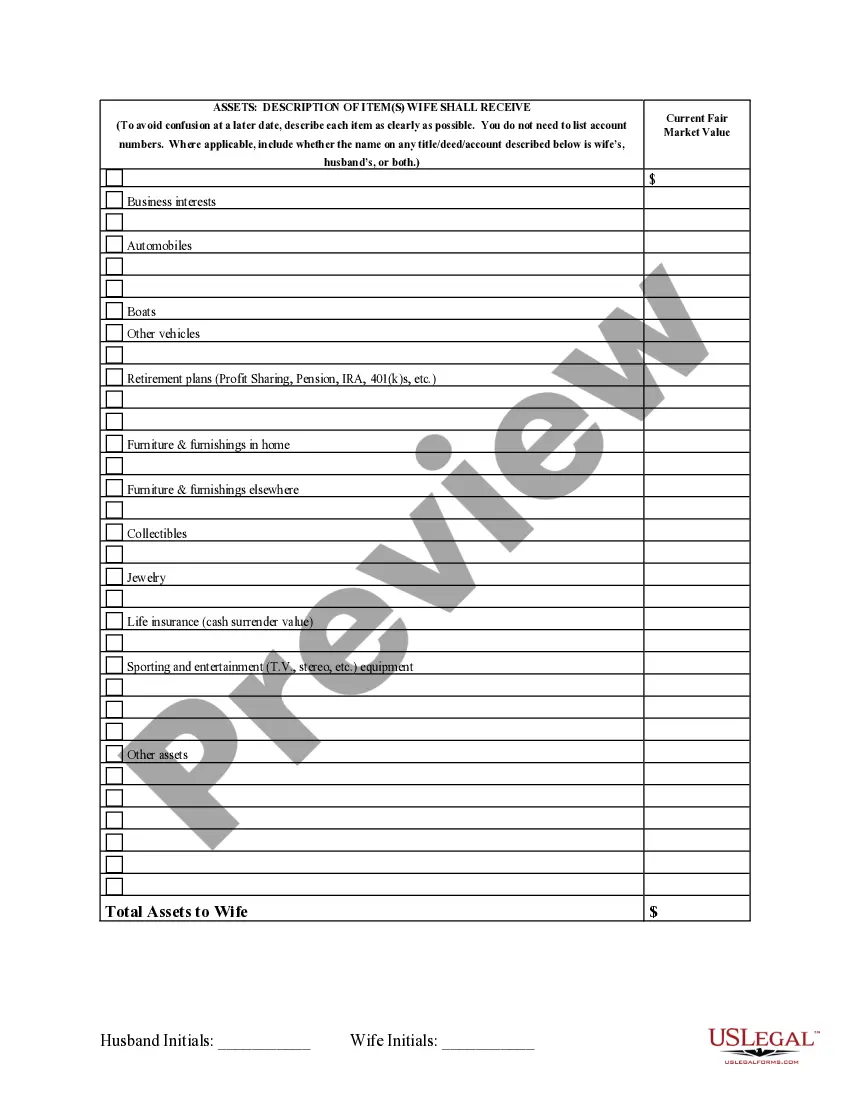
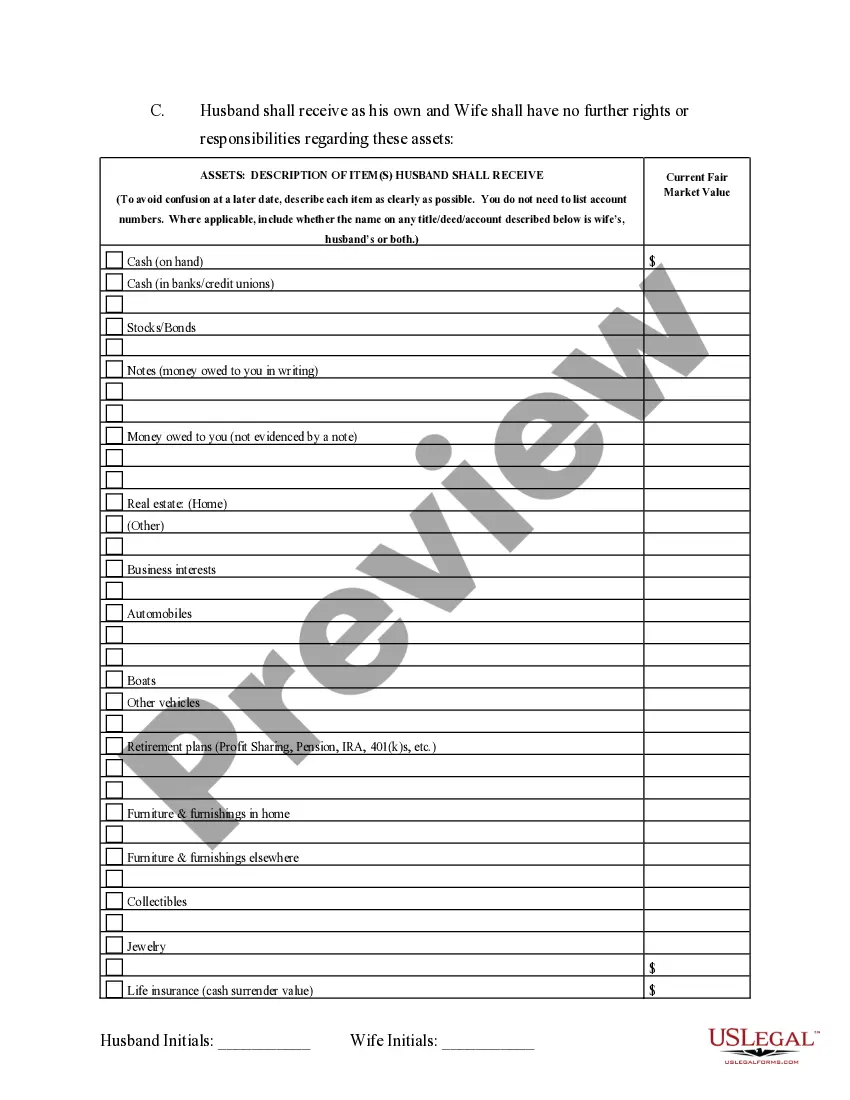
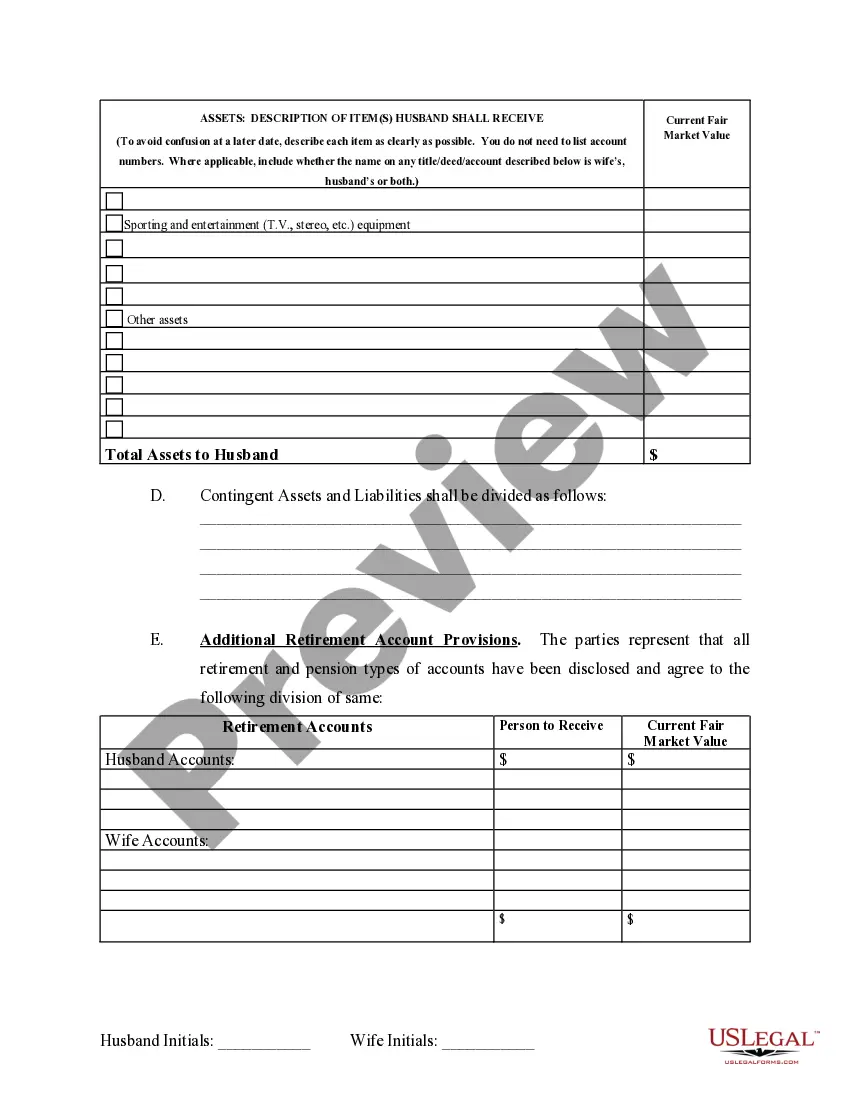

Get your form ready online
Our built-in tools help you complete, sign, share, and store your documents in one place.
Make edits, fill in missing information, and update formatting in US Legal Forms—just like you would in MS Word.
Download a copy, print it, send it by email, or mail it via USPS—whatever works best for your next step.
Sign and collect signatures with our SignNow integration. Send to multiple recipients, set reminders, and more. Go Premium to unlock E-Sign.
If this form requires notarization, complete it online through a secure video call—no need to meet a notary in person or wait for an appointment.
We protect your documents and personal data by following strict security and privacy standards.

Make edits, fill in missing information, and update formatting in US Legal Forms—just like you would in MS Word.

Download a copy, print it, send it by email, or mail it via USPS—whatever works best for your next step.

Sign and collect signatures with our SignNow integration. Send to multiple recipients, set reminders, and more. Go Premium to unlock E-Sign.

If this form requires notarization, complete it online through a secure video call—no need to meet a notary in person or wait for an appointment.

We protect your documents and personal data by following strict security and privacy standards.
Looking for another form?

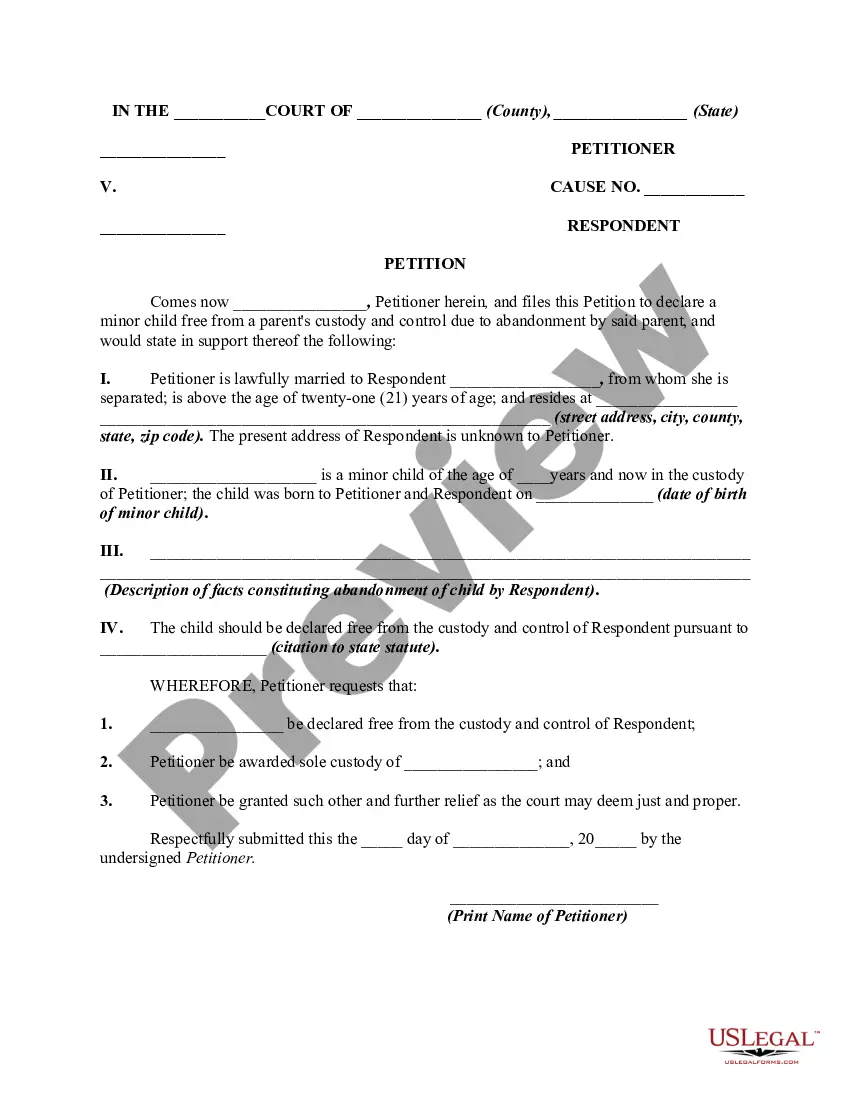
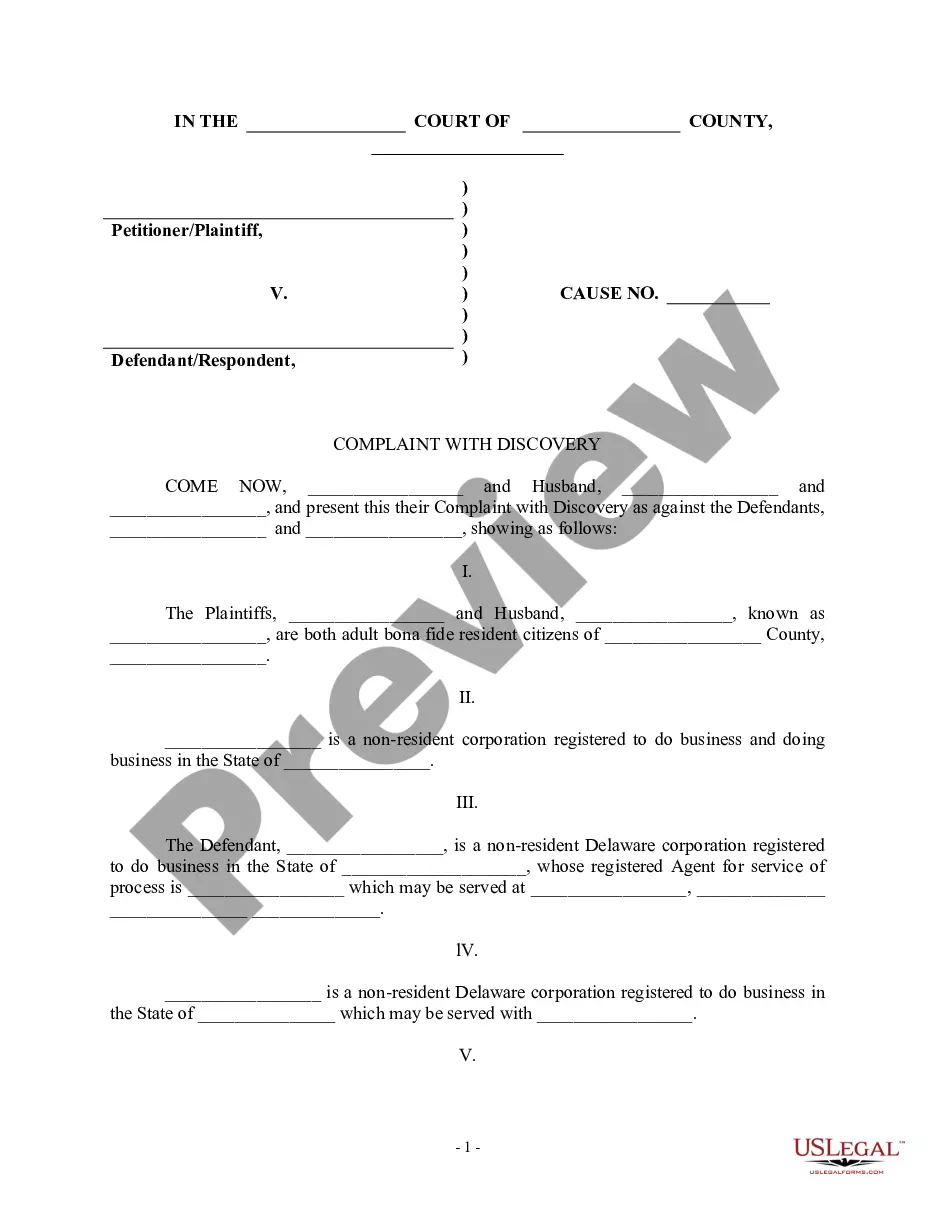







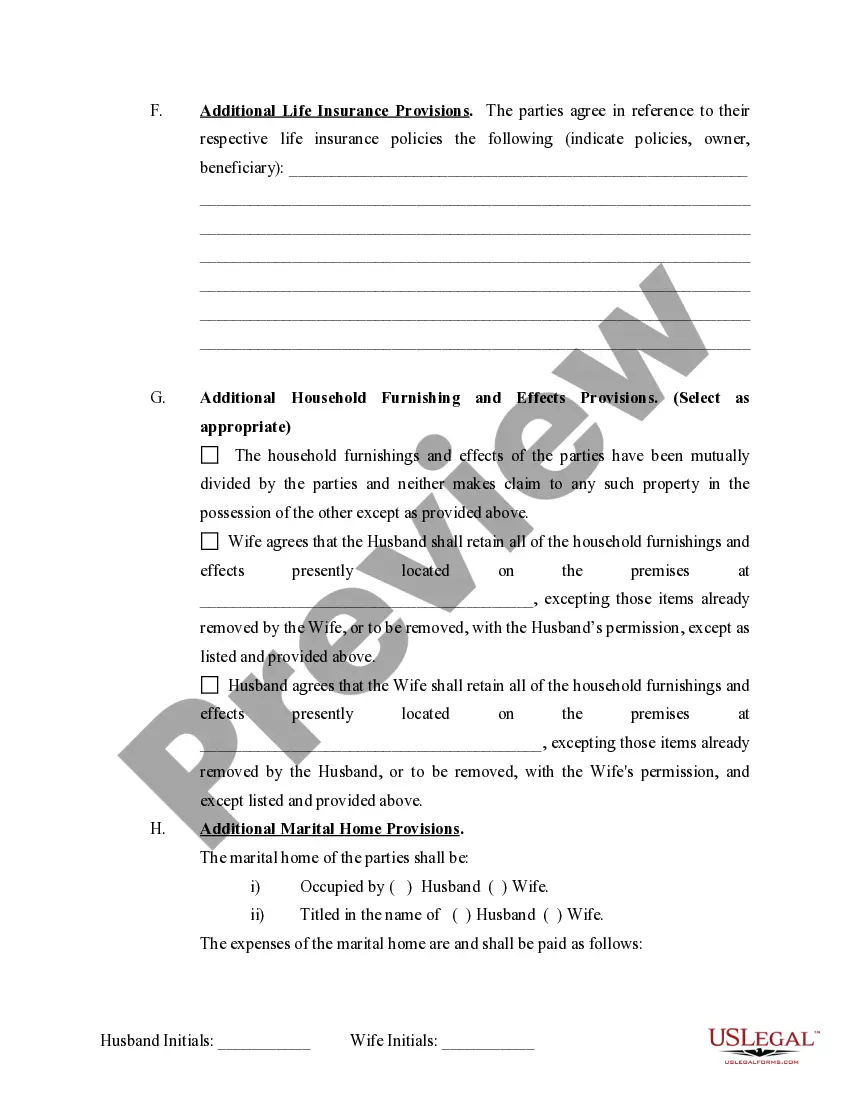
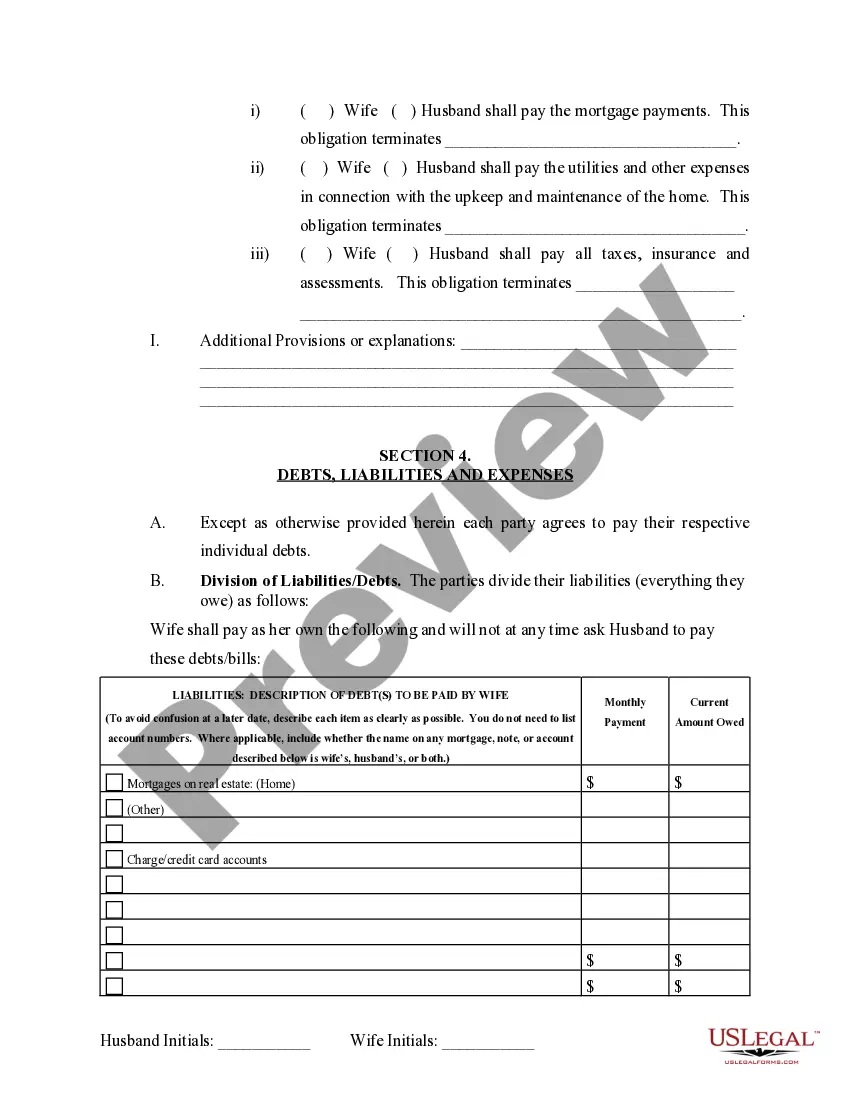
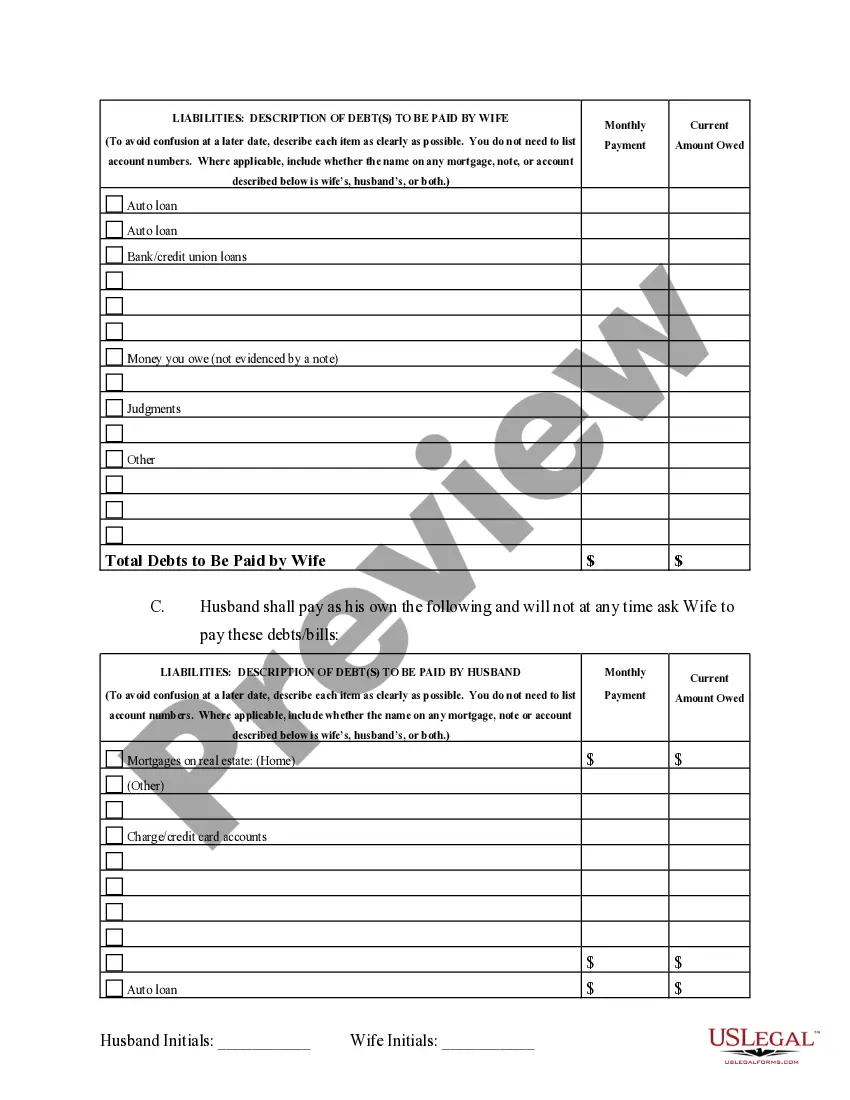
How to fill out Indiana Marital Legal Separation And Property Settlement Agreement Minor Children Parties May Have Joint Property Or Debts Where Divorce Action Filed?
Individuals typically link legal documentation with something complicated that solely an expert can manage.
In a certain sense, it's accurate, as creating an Indiana Separation Agreement Without Lawyer requires significant knowledge in the subject matter, including state and county laws.
However, with US Legal Forms, the process has become simpler: pre-made legal templates for any life and business event specific to state laws are gathered in a single online repository and are now accessible to everyone.
Print your document or upload it to an online editor for a faster completion. All templates in our collection are reusable: once purchased, they remain saved in your profile. You can access them anytime needed via the My documents section. Explore all the benefits of utilizing the US Legal Forms platform. Subscribe today!
- US Legal Forms offers over 85k current documents organized by state and area of usage, so finding the Indiana Separation Agreement Without Lawyer or any other specific template only takes a few minutes.
- Previously registered users with an active subscription must Log In to access their account and click Download to get the form.
- New users to the platform will need to first create an account and subscribe before they can save any legal documentation.
- Here is the step-by-step guide on how to obtain the Indiana Separation Agreement Without Lawyer.
- Scrutinize the page content closely to ensure it meets your requirements.
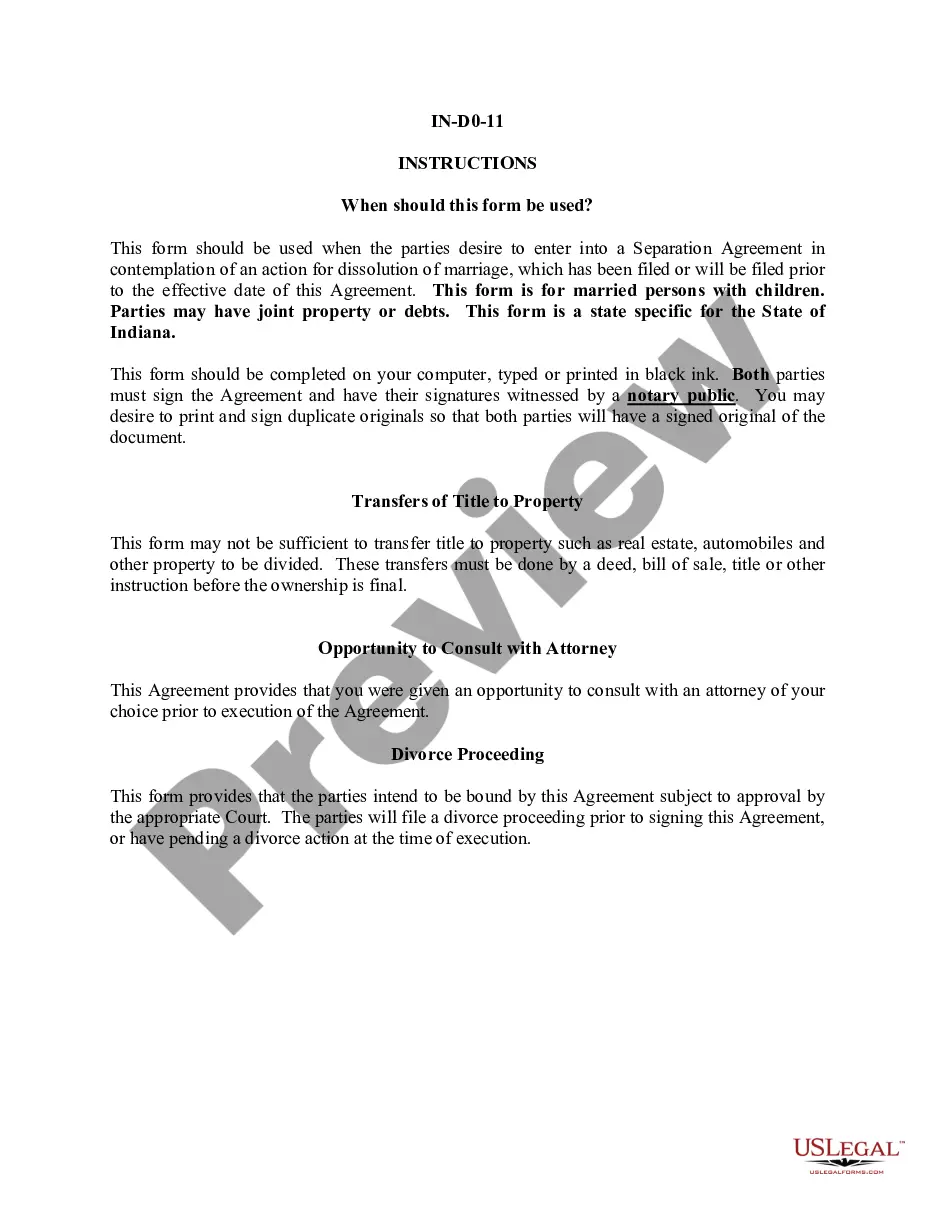
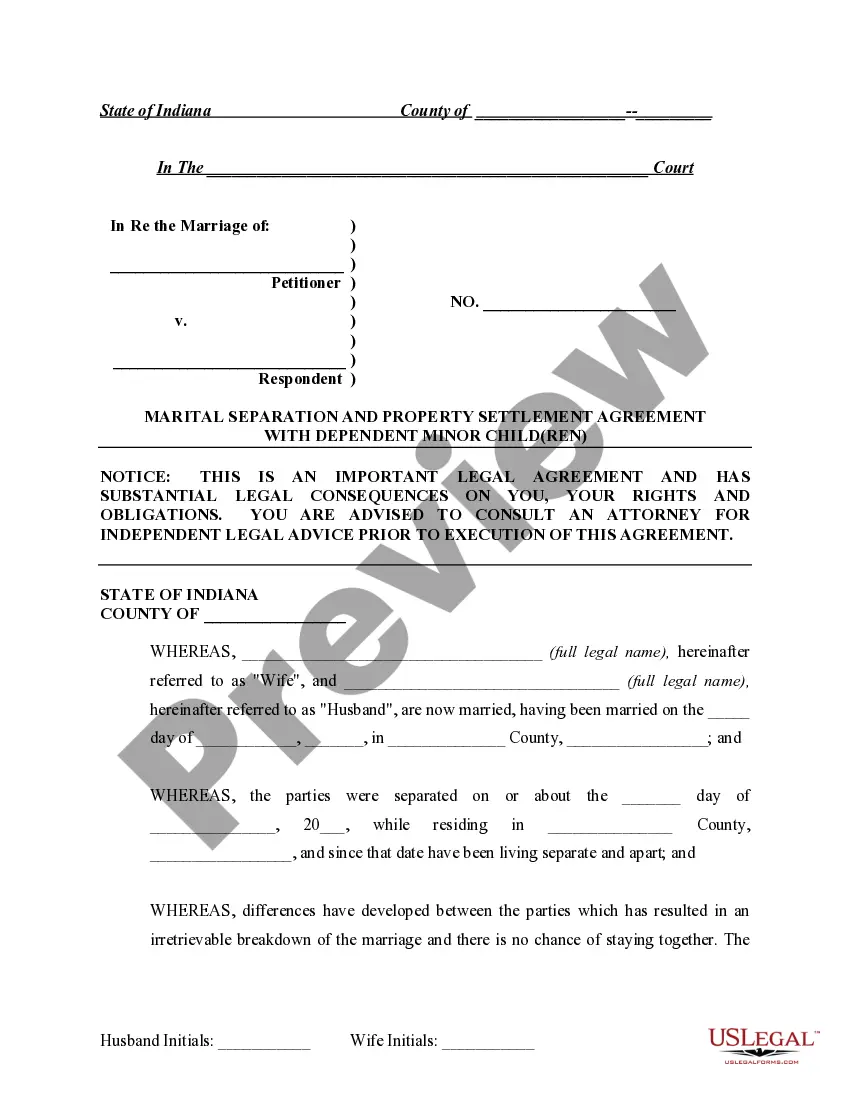
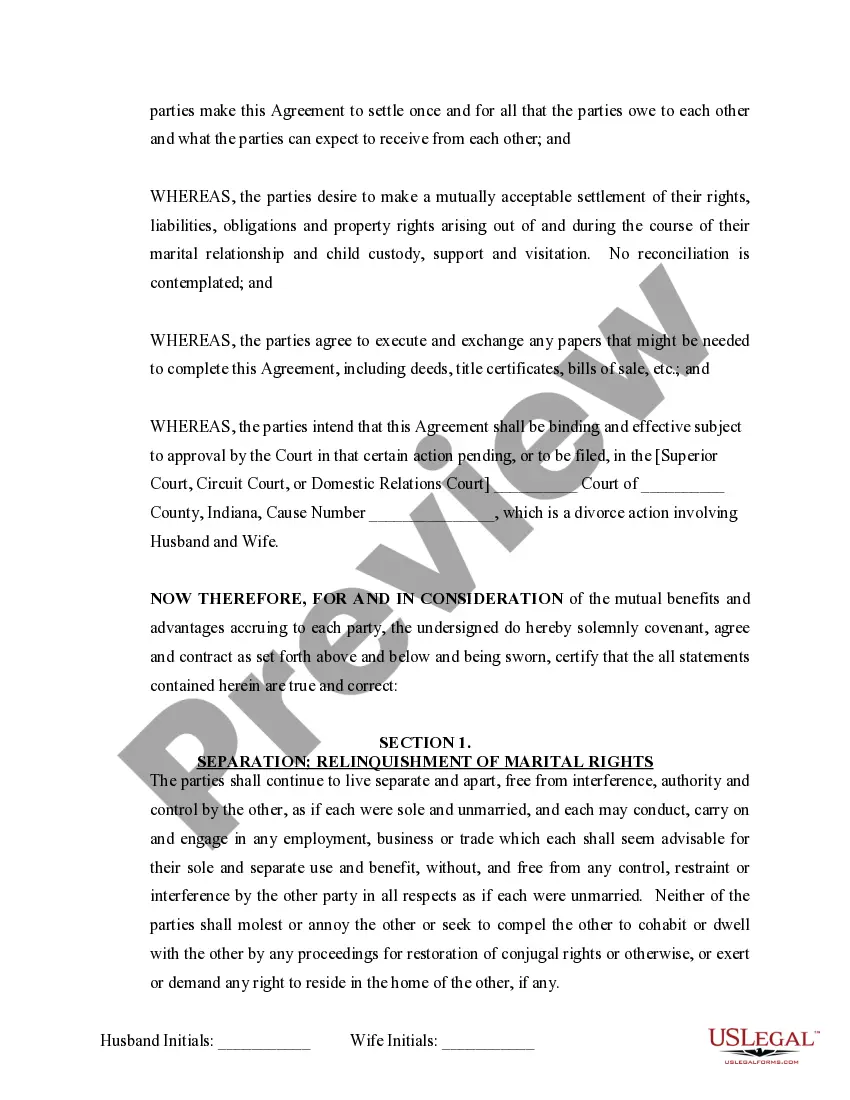
- Examine the form description or confirm it via the Preview option.
- Find another example using the Search bar above if the previous one does not fit your needs.
- Click Buy Now once you discover the appropriate Indiana Separation Agreement Without Lawyer.
- Select a pricing plan that aligns with your needs and budget.
- Create an account or sign in to continue to the payment page.
- Complete your subscription payment using PayPal or your credit card.
- Choose the format for your file and click Download.
Form popularity
FAQ
According to the Indiana Code 31-15-3-3, the grounds required for a legal separation are (1) that conditions in or circumstances of the marriage make it currently intolerable for both parties to live together; and (2) that the marriage should be maintained. Either spouse may file for legal separation in Indiana.
What Does Legal Separation Mean in Indiana? The process starts when one party files a petition with the court. Your request must contain specific information, like each spouse's full name, the names of any children (age 21 and under) from your marriage, the date of your wedding and separation, and your address.
If you and your partner are separating, you might be able to sort everything out without using legal or other professional advice. But if your ex-partner won't stick to what you've agreed, or you want to know what your rights are, it might be worth getting professional advice.
The agreement is not legally binding and has no power to determine any issues that may be in dispute, but courts will take it into strong consideration when making a ruling. A separation agreement can be used as proof of the exact date on which you split from your partner.
Technically, separation agreements aren't legally enforceable. But it might be hard for either of you to argue in court that you shouldn't have to stick to it if: you've both been open and honest about your finances. your financial situation is broadly similar to when the agreement was made.