Landlord Notice For Rent Increase
Description
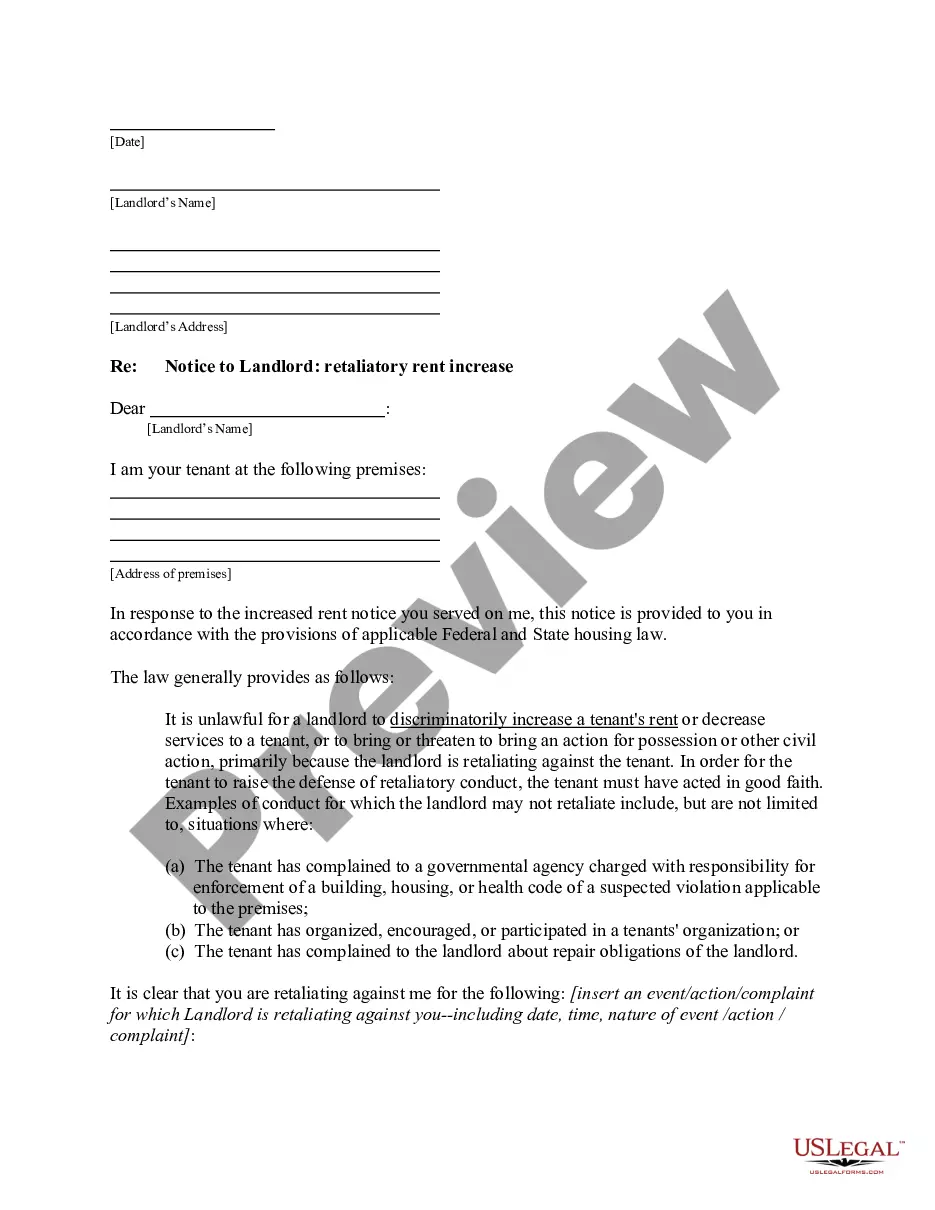

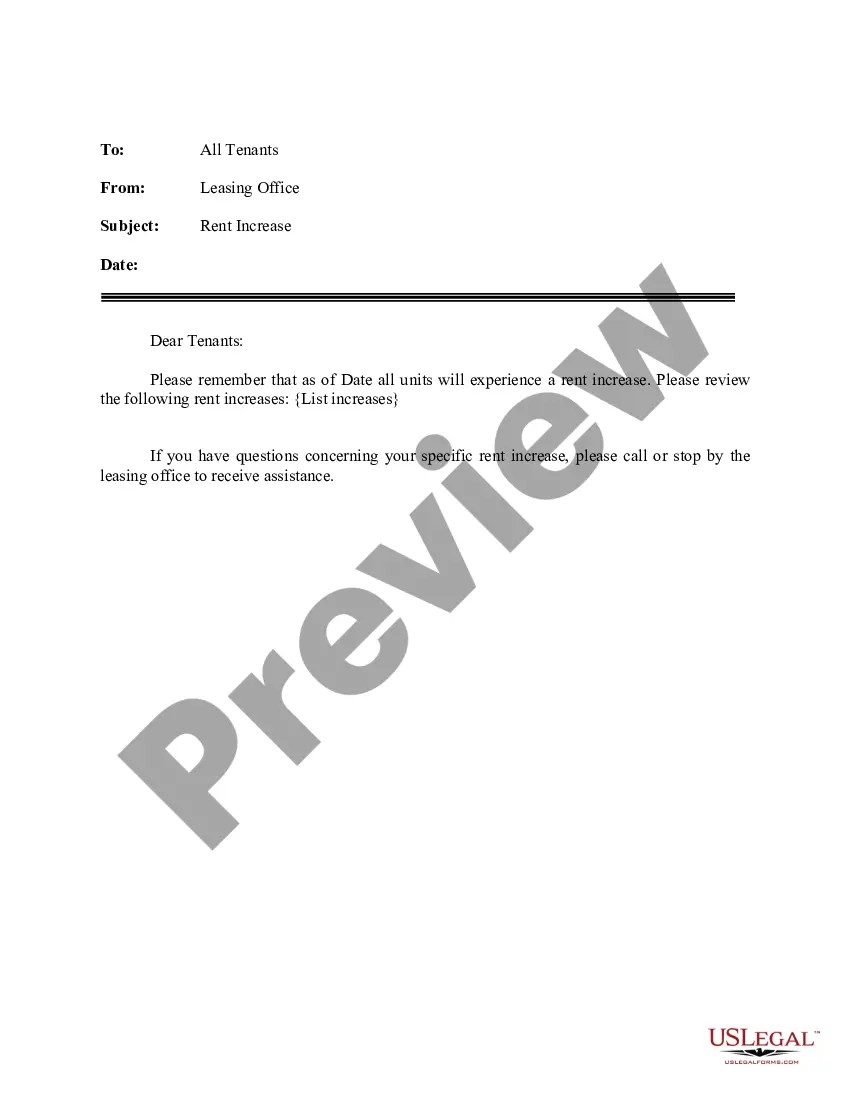


Get your form ready online
Our built-in tools help you complete, sign, share, and store your documents in one place.
Make edits, fill in missing information, and update formatting in US Legal Forms—just like you would in MS Word.
Download a copy, print it, send it by email, or mail it via USPS—whatever works best for your next step.
Sign and collect signatures with our SignNow integration. Send to multiple recipients, set reminders, and more. Go Premium to unlock E-Sign.
If this form requires notarization, complete it online through a secure video call—no need to meet a notary in person or wait for an appointment.
We protect your documents and personal data by following strict security and privacy standards.

Make edits, fill in missing information, and update formatting in US Legal Forms—just like you would in MS Word.

Download a copy, print it, send it by email, or mail it via USPS—whatever works best for your next step.

Sign and collect signatures with our SignNow integration. Send to multiple recipients, set reminders, and more. Go Premium to unlock E-Sign.

If this form requires notarization, complete it online through a secure video call—no need to meet a notary in person or wait for an appointment.

We protect your documents and personal data by following strict security and privacy standards.
Looking for another form?
Form popularity
FAQ
When writing a rent reminder notice, start with the date and tenant's name. Clearly state the amount due and the due date, reminding them of any late fees for overdue payments. A landlord notice for rent increase should also note any new rental amounts if applicable. Keep the tone friendly yet firm to encourage timely payment.
In California, a landlord can increase the rent once every 12 months. However, specific rules apply depending on whether the rental is under statewide rent control. It's important to comply with local regulations when issuing a landlord notice for rent increase. Always consult state guidelines to ensure you remain within legal limits.
To write a formal letter to a tenant, begin with a clear subject line, such as 'Notice of Rent Increase.' Include the date, tenant's name, and property address. Use a professional tone to convey important information, such as the increase amount and effective date, while ensuring adherence to local laws. End the letter with your signature and contact information for any questions.
When responding to a landlord notice for rent increase, acknowledge receipt of the letter and express your thoughts on the increase. Clearly state your willingness or concerns regarding the new amount. If you wish to negotiate, propose an alternative rent that works for both parties. Open communication is key to a successful resolution.
In California, a landlord must provide a written notice of non-renewal at least 30 days before the lease ends if the tenant has been renting for less than a year. If the tenant has been renting for over a year, the notice must be given at least 60 days in advance. This aligns with the requirements for a landlord notice for rent increase, ensuring tenants have adequate time to find alternate housing.
In Nigeria, a landlord notice for rent increase should start with the date and the tenant's address. Clearly explain the reason for the increase and specify the new rental amount. Ensure that you provide adequate notice as required by Nigerian rental laws. Ending with your contact information allows for open communication.
To write a landlord notice for rent increase, begin by stating the date and the address of the rental property. Include a clear statement of the rent increase amount and the new rent due date. Make sure to reference any applicable laws that govern the notice period. Finally, sign the notice and provide your contact information so your tenant can reach you with any questions.
In the UK, the amount of notice your landlord must provide for a rent increase depends on the type of tenancy agreement you have. Generally, your landlord is required to give a minimum of one month's notice if you are on a periodic tenancy and the rent increase is stated in your agreement. For fixed-term tenancies, the landlord must give you at least two months' notice for any rent increase. To ensure you fully understand your rights regarding landlord notice for rent increase, consider visiting US Legal Forms for comprehensive resources and documentation.
To write a letter to your landlord regarding a rent increase, start with a clear subject line, such as 'Landlord Notice for Rent Increase'. Begin by addressing your landlord politely, and then state your intention. Include the specific details of the proposed increase, the date it will take effect, and any relevant reasons for the change. Using a platform like US Legal Forms can simplify this process, providing you with templates that ensure your letter meets all legal requirements.
The maximum rent increase they can impose is often limited by local regulations, which may set a percentage limit. Landlords are required to provide tenants with a landlord notice for rent increase ahead of time. This notice typically includes the proposed percentage increase and the rationale behind it. Understanding these limits can aid both tenants and landlords in fostering positive rental relationships.