Tenant Landlord Return For Tenants
Description



Get your form ready online
Our built-in tools help you complete, sign, share, and store your documents in one place.
Make edits, fill in missing information, and update formatting in US Legal Forms—just like you would in MS Word.
Download a copy, print it, send it by email, or mail it via USPS—whatever works best for your next step.
Sign and collect signatures with our SignNow integration. Send to multiple recipients, set reminders, and more. Go Premium to unlock E-Sign.
If this form requires notarization, complete it online through a secure video call—no need to meet a notary in person or wait for an appointment.
We protect your documents and personal data by following strict security and privacy standards.

Make edits, fill in missing information, and update formatting in US Legal Forms—just like you would in MS Word.

Download a copy, print it, send it by email, or mail it via USPS—whatever works best for your next step.

Sign and collect signatures with our SignNow integration. Send to multiple recipients, set reminders, and more. Go Premium to unlock E-Sign.

If this form requires notarization, complete it online through a secure video call—no need to meet a notary in person or wait for an appointment.

We protect your documents and personal data by following strict security and privacy standards.
Looking for another form?






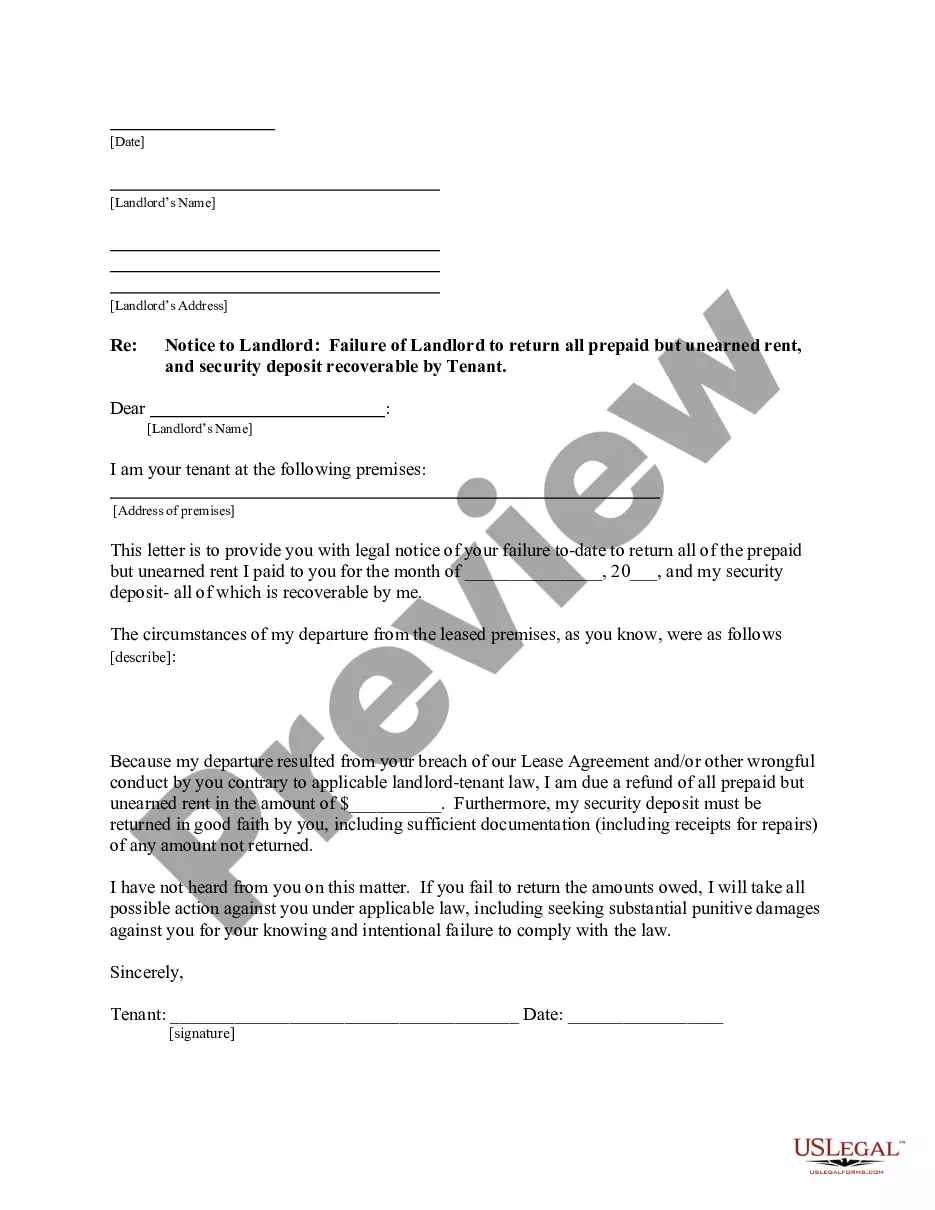
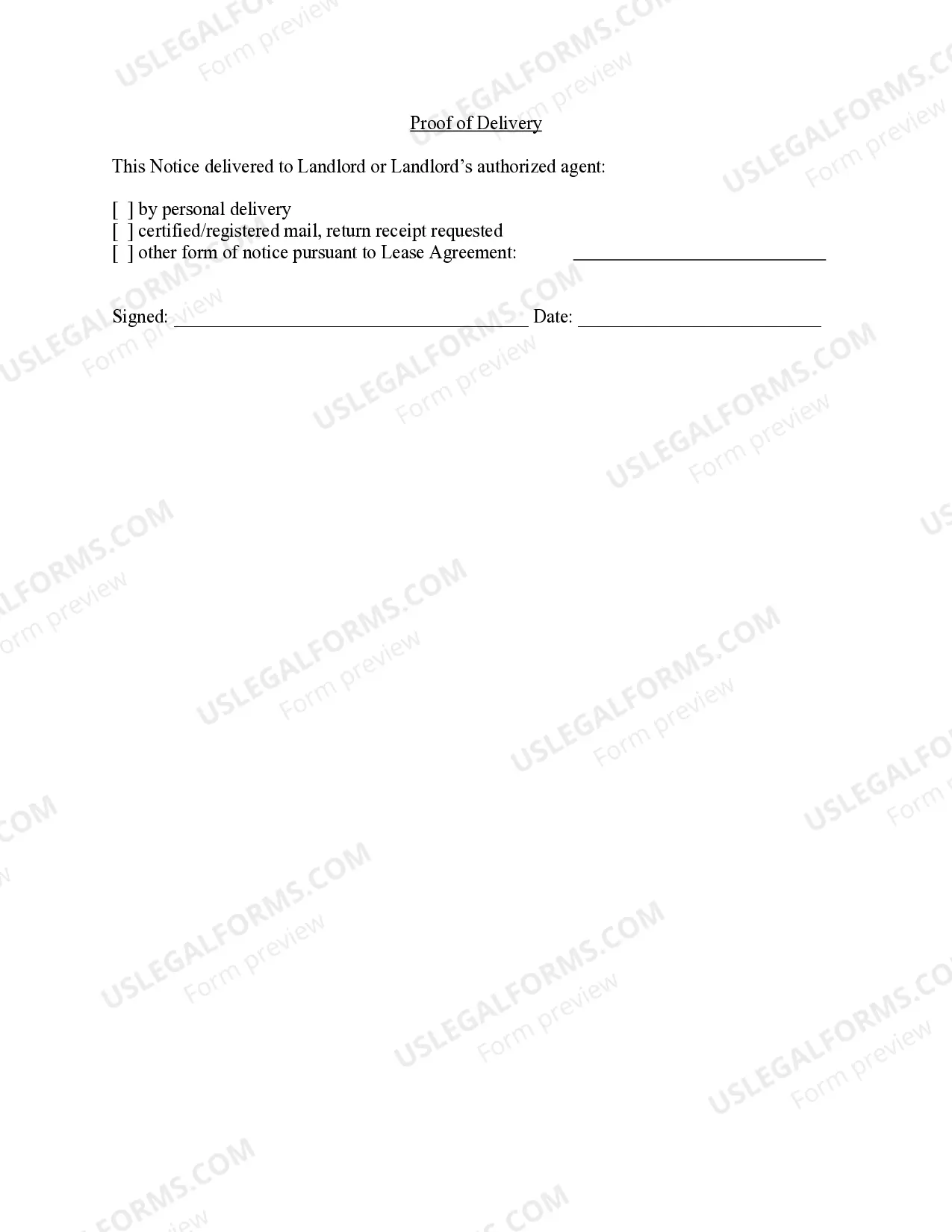
How to fill out Indiana Letter From Tenant To Landlord For Failure Of Landlord To Return All Prepaid And Unearned Rent And Security Recoverable By Tenant?
- Log in to your US Legal Forms account if you're a returning user. Ensure your subscription is up to date before downloading your form template.
- If you're new to the service, start by reviewing the form description and preview mode to select the right tenant landlord return that complies with local laws.
- Should you need to find an alternative, use the Search tab to locate the correct form quickly.
- Purchase the selected document by clicking the Buy Now button and choosing a subscription plan that fits your needs, after registering for an account.
- Complete the payment using your credit card or PayPal, and finalize your subscription.
- Finally, download your tenant landlord return form to your device, ensuring easy access from the My Forms section of your account.
By following these simple steps, you can quickly and efficiently secure the necessary documentation required for your tenant-landlord relations.
Take advantage of US Legal Forms' extensive resources to expedite your legal processes. Start today to ensure your documents are precise and legally sound.
Form popularity
FAQ
Deciding whether to sue a landlord for a security deposit can depend on several factors, such as the amount in question and your circumstances. If the amount is significant and you have solid evidence, pursuing legal action may be worthwhile. Consider the costs and time involved, but remember that tenants often find success when fighting for their rights regarding the tenant landlord return for tenants. Always consult legal resources to help make your decision.
Yes, you can sue your landlord for not returning your security deposit in California. Begin by gathering evidence such as your rental agreement, payment receipts, and any correspondence. If the landlord does not comply with the law, taking legal action may be necessary. Keep in mind that you can use tools from the US Legal Forms site to navigate the tenant landlord return for tenants process smoothly.
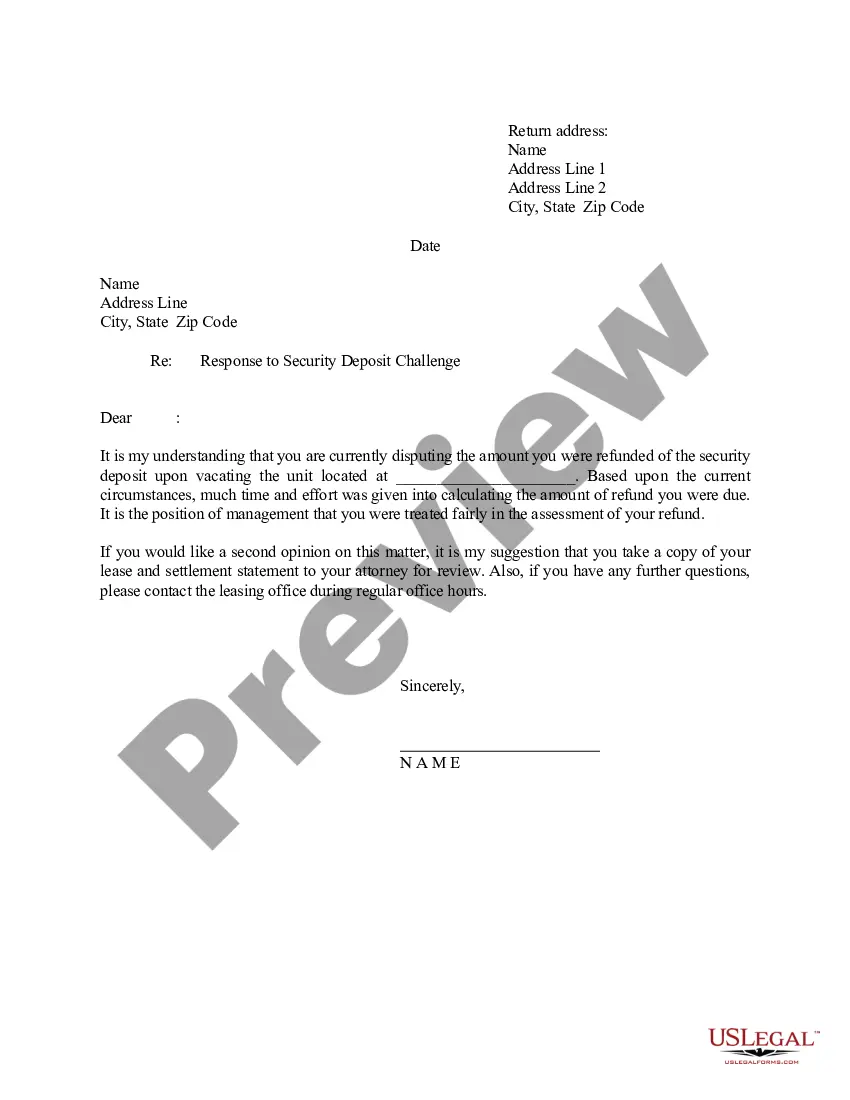
If your landlord refuses to return your deposit, begin by sending a formal request in writing. Document your interactions and maintain a record of your payments and communications. If there is still no response, consider seeking help from a legal aid organization or using the US Legal Forms platform to file a claim. Understanding your rights in the tenant landlord return for tenants scenario is essential.
In California, tenants can sue landlords for various reasons, including failure to return a security deposit, negligence in property maintenance, and violation of rental agreements. If your landlord does not comply with rental laws, you may have a case. Claims about the tenant landlord return for tenants are common and can often lead to successful resolutions. It’s best to seek legal advice before proceeding.
If you have issues with your landlord, you can file a complaint with the California Department of Consumer Affairs. Additionally, you can contact your local housing authority or city attorney's office. These agencies can help you understand your rights and may mediate in tenant landlord return for tenants disputes. Always keep records of your complaints and any correspondence.
In California, you typically have three years to file a lawsuit to recover your security deposit. The clock starts ticking on the date you were supposed to receive your deposit back. Keep in mind that if your landlord fails to return your deposit within 21 days, you may have grounds to take action. It is advisable to document all communication regarding the tenant landlord return for tenants.
If a landlord fails to return the security deposit within the 30-day period in Georgia, the tenant may be entitled to claim the full amount plus possible damages. Legal action can be pursued to recover the funds. It's imperative for tenants to know their rights regarding a tenant landlord return for tenants to act swiftly if necessary.
In Georgia, landlords have a maximum of 30 days to return the security deposit after a tenant moves out. If there are deductions, the landlord must provide an explanation for those charges. This timeline is important to ensure a fair tenant landlord return for tenants, as delayed returns can cause financial strain.
Yes, a landlord can back out of a rent to own agreement in certain circumstances. This typically occurs if the tenant does not comply with the terms outlined in the contract. To avoid issues related to a tenant landlord return for tenants, both parties should ensure they fully understand and adhere to the agreement.
Normal wear and tear refers to the usual decline of a rental property’s condition due to time and usage. Examples include minor scuff marks on the walls or worn carpets. Understanding this concept is crucial for ensuring a fair tenant landlord return for tenants, as it helps prevent disputes regarding security deposits.